
Indoor Swings for Kids (and What to Hang Them From)
The swing is the easy part. The real question is what you hang it from.
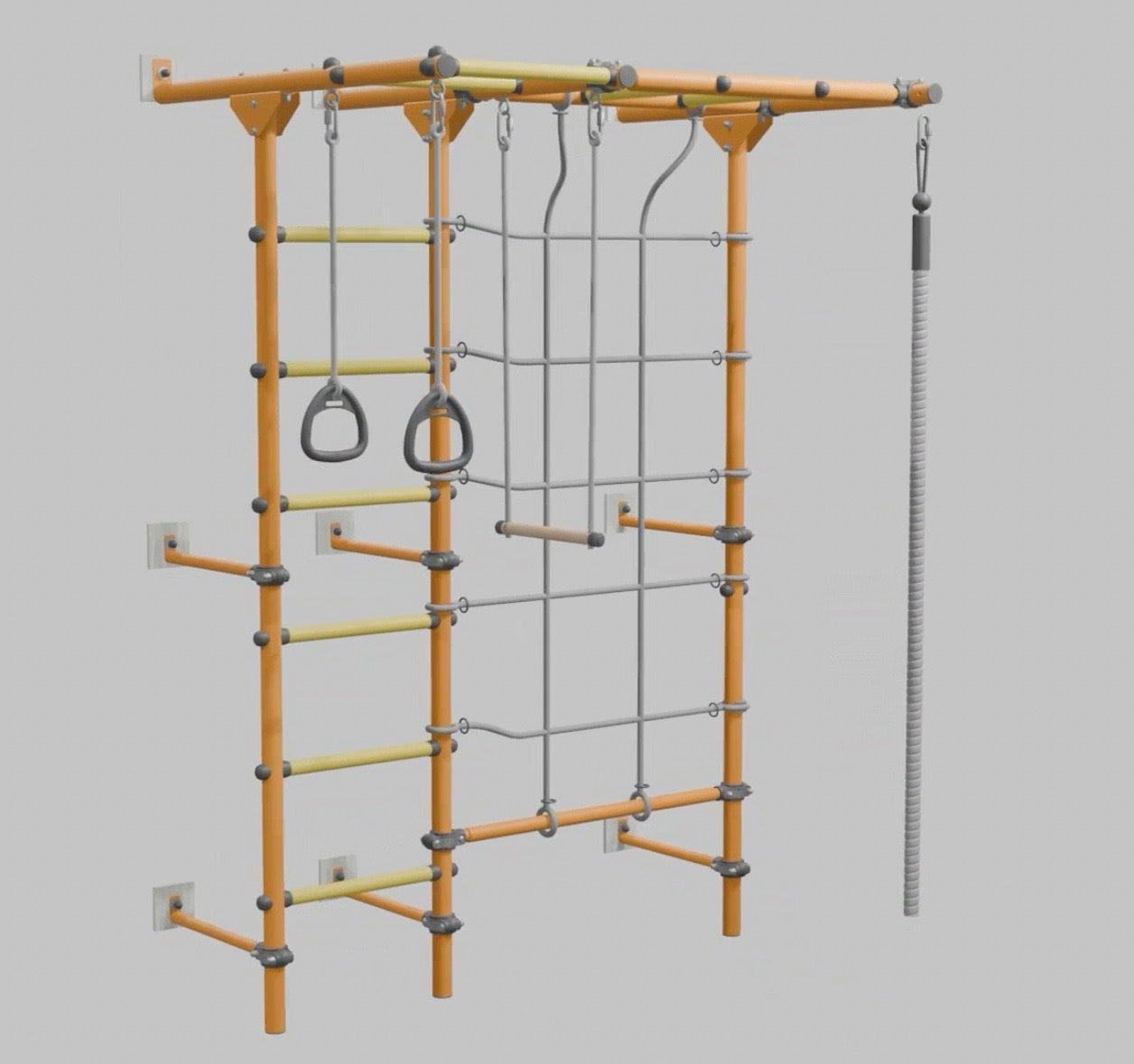
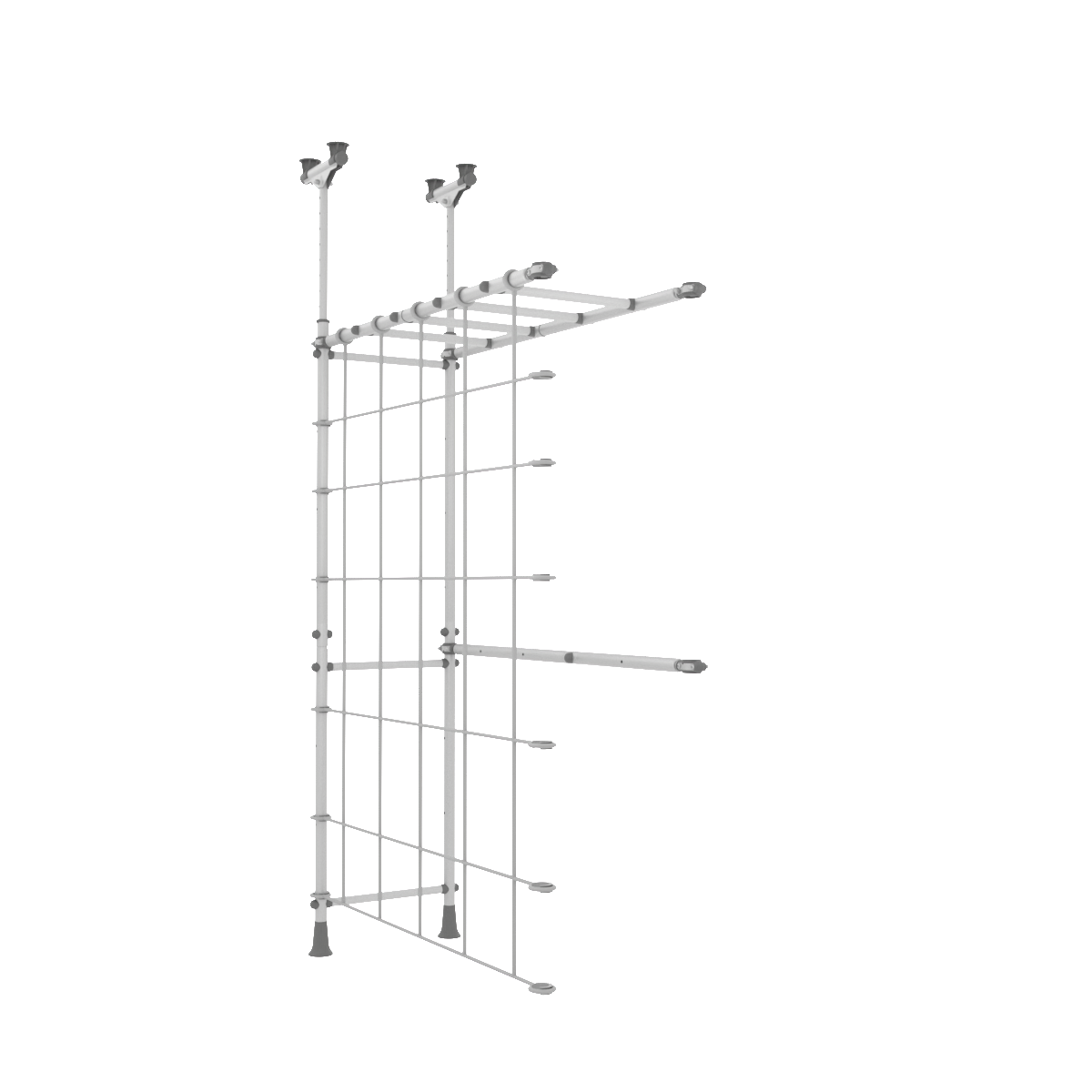
Quick answer: there are four ways to hang an indoor swing: a ceiling joist anchor (find the joist, then drill), a free-standing swing stand (a big footprint), a doorway bar (limits swing types), or a play gym frame, which needs no drilling at all if it is tension-mounted and gives you climbing and monkey bars in the same footprint. Our new indoor swing buyer's guide compares all four mounts, and Sensory Swings 101 covers types, weight limits, and safe hanging in detail.
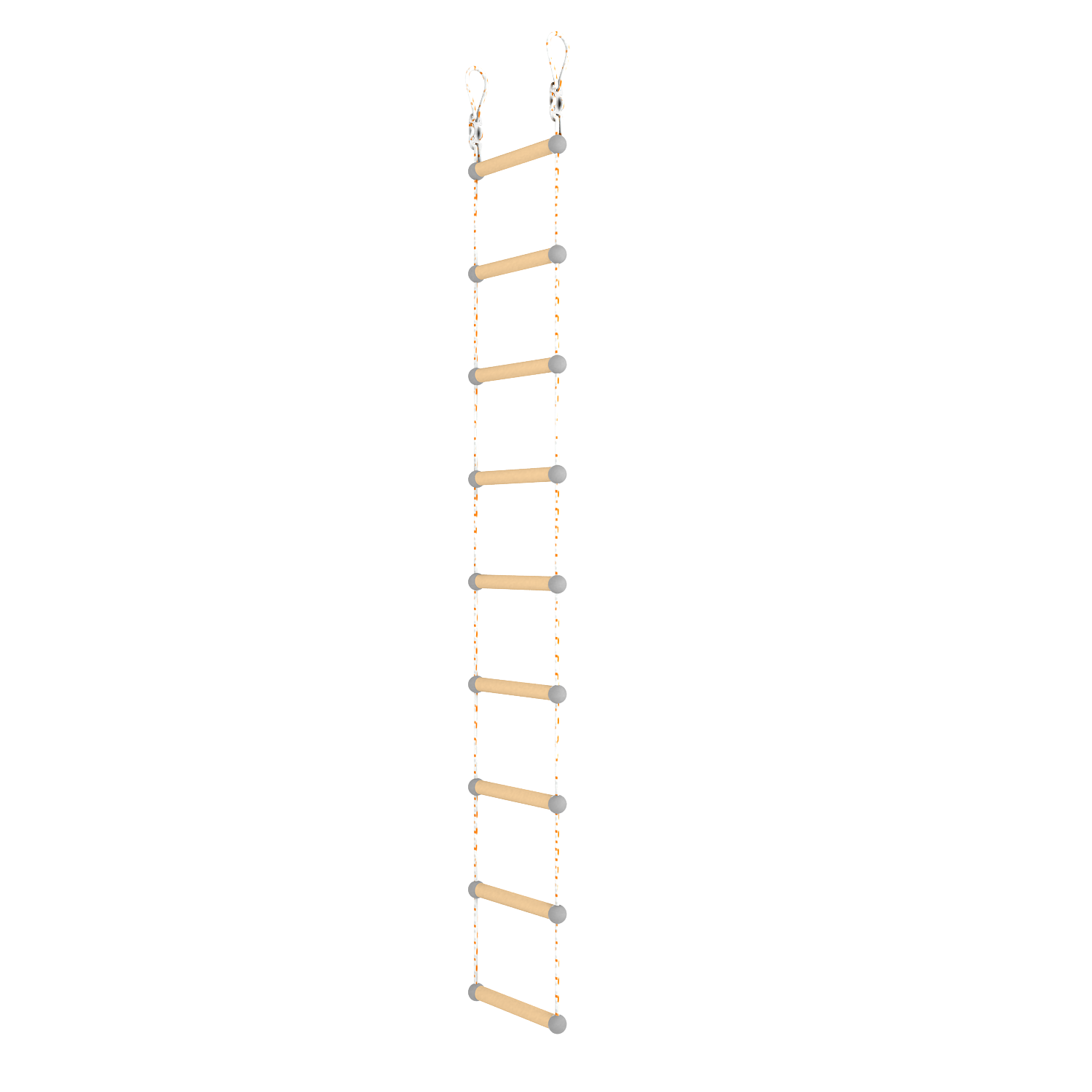
Swinging is vestibular input, the movement sense, and for many kids it is the fastest route to either alert or calm, depending on the rhythm. That is why occupational therapists treat a swing as core equipment rather than a toy. At home, the pattern that works is variety on one anchor point: a classic swing for everyday swinging, a backrest when younger kids ride, a rope or rope ladder when they want to climb what they usually swing on.
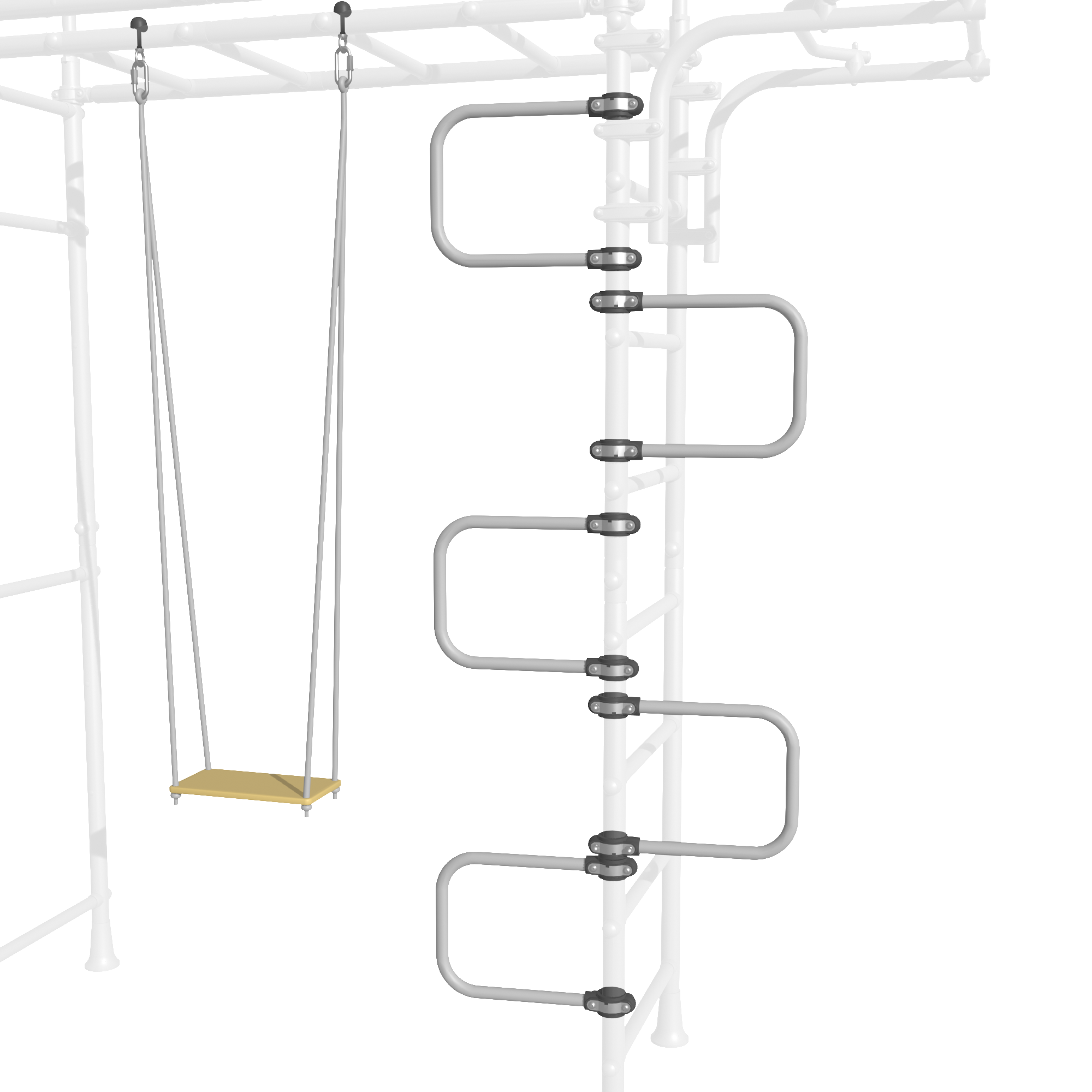
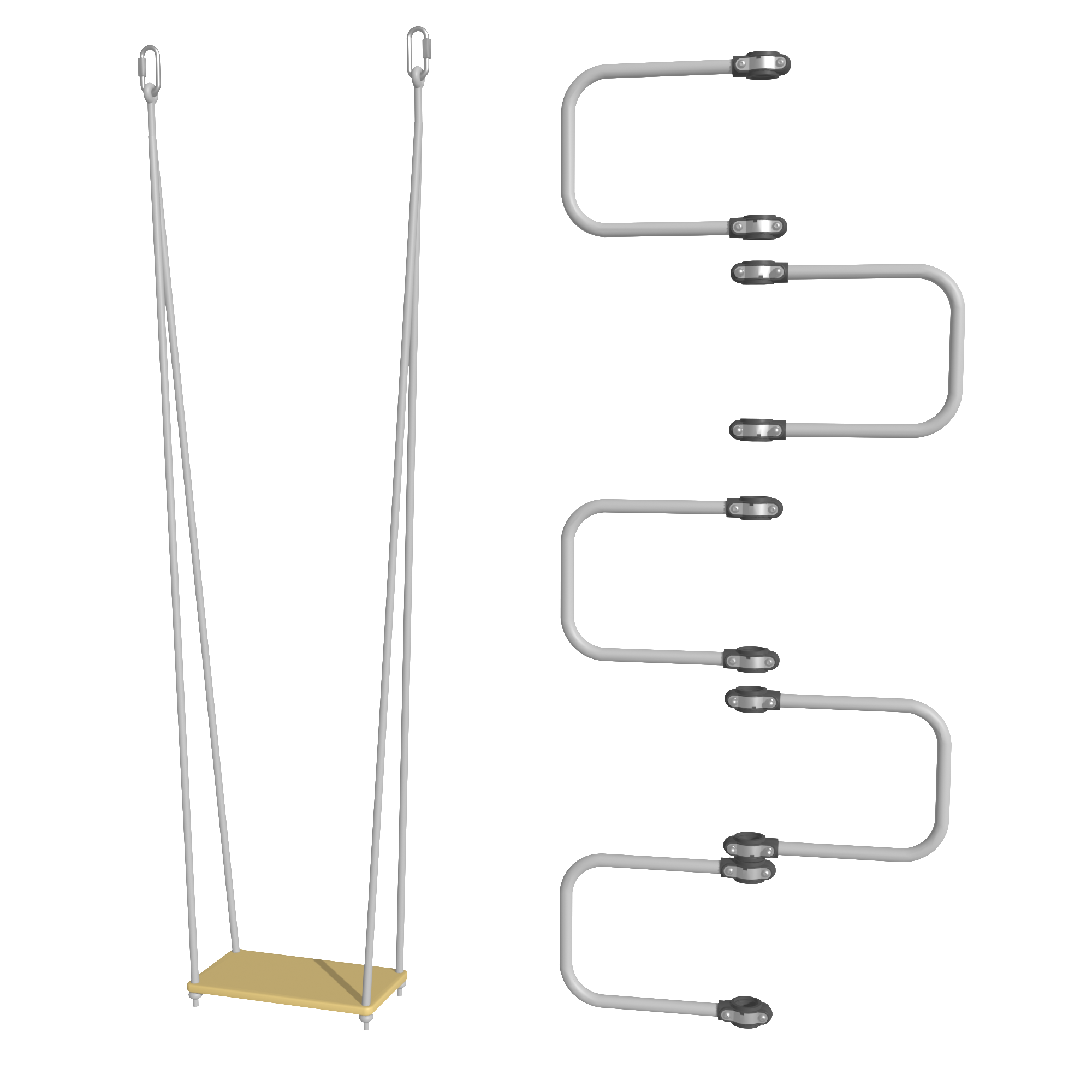
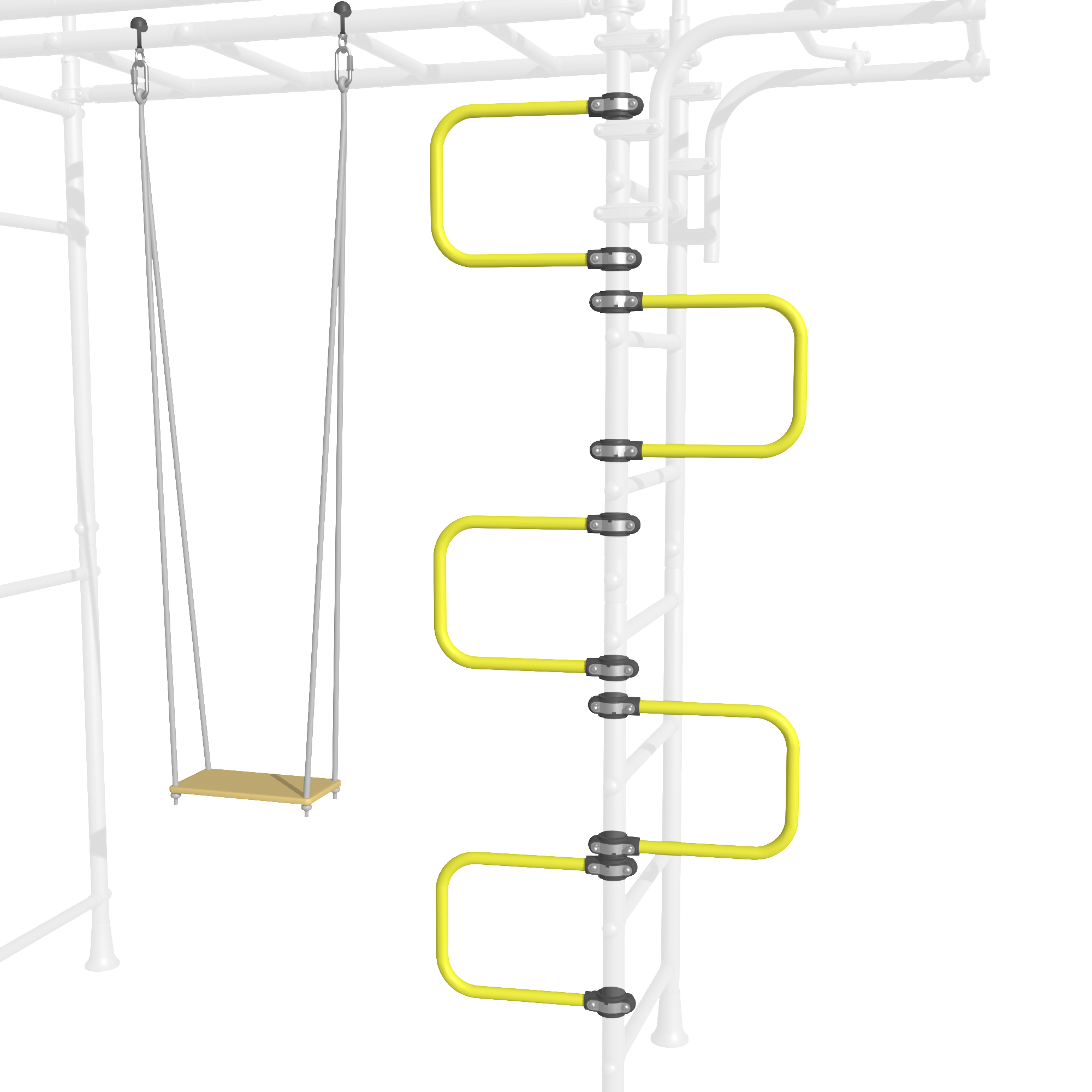
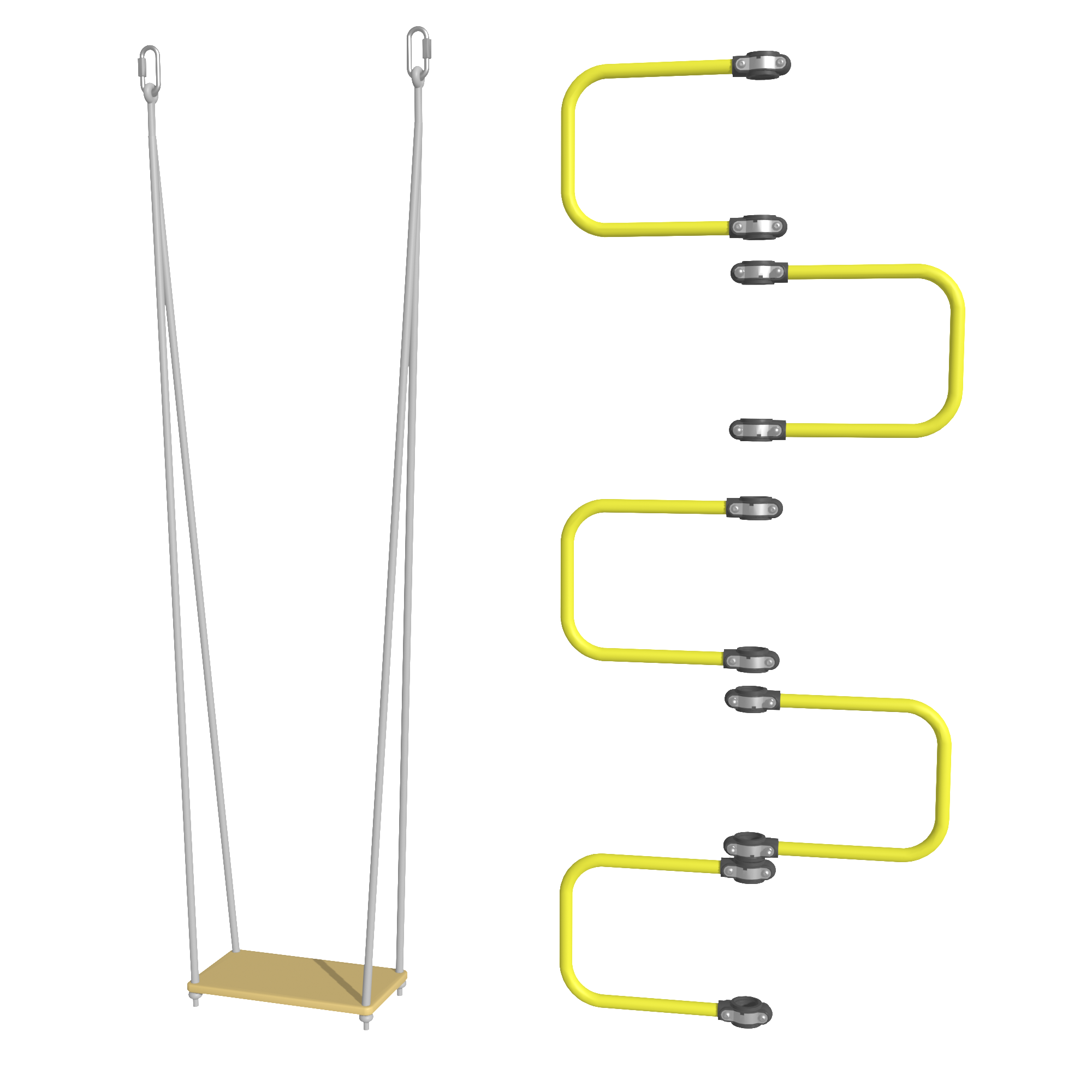
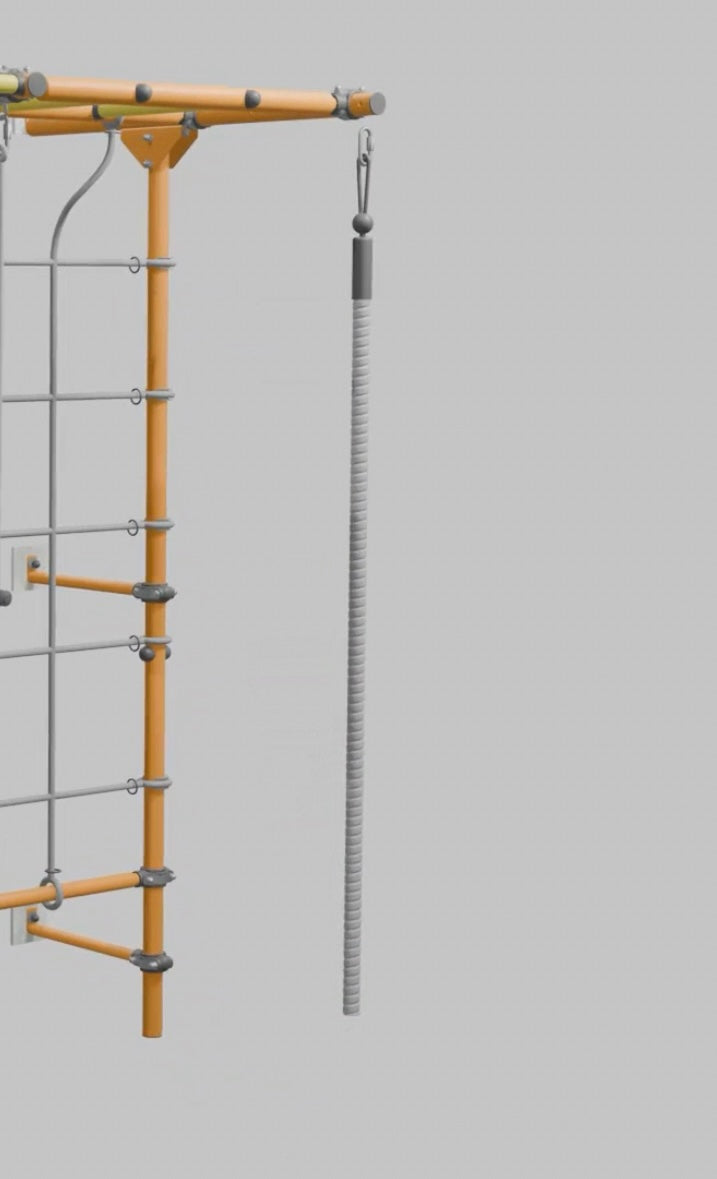
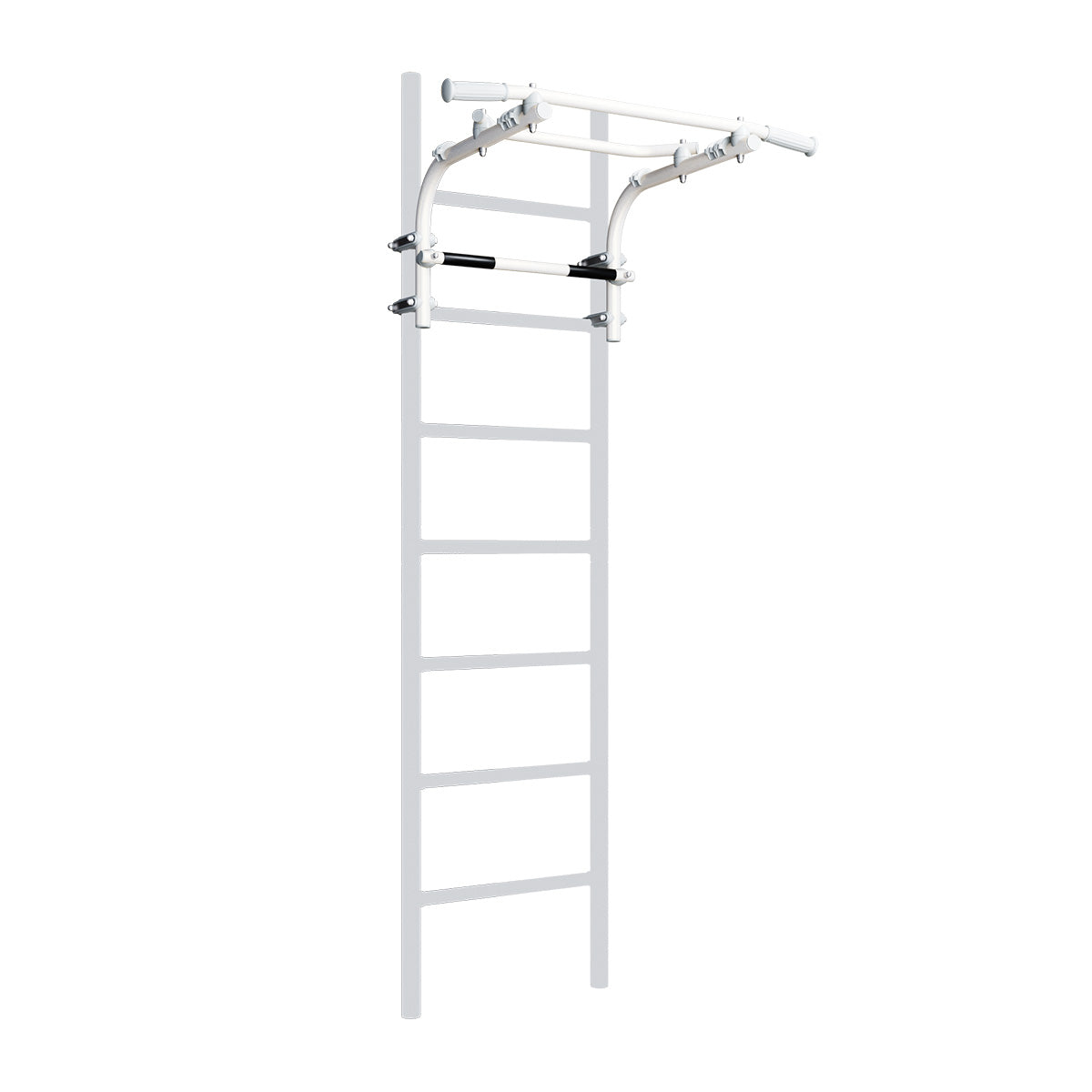
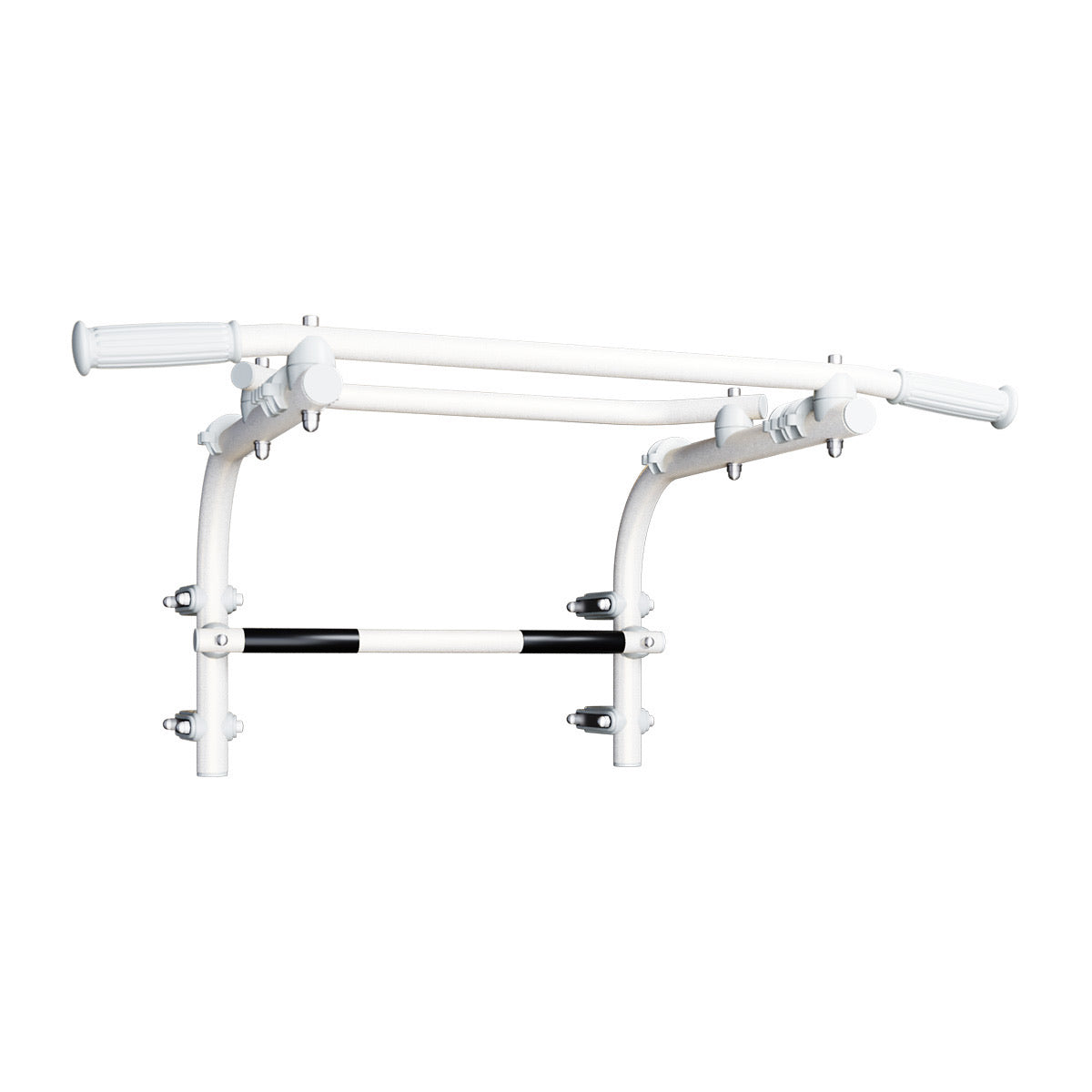
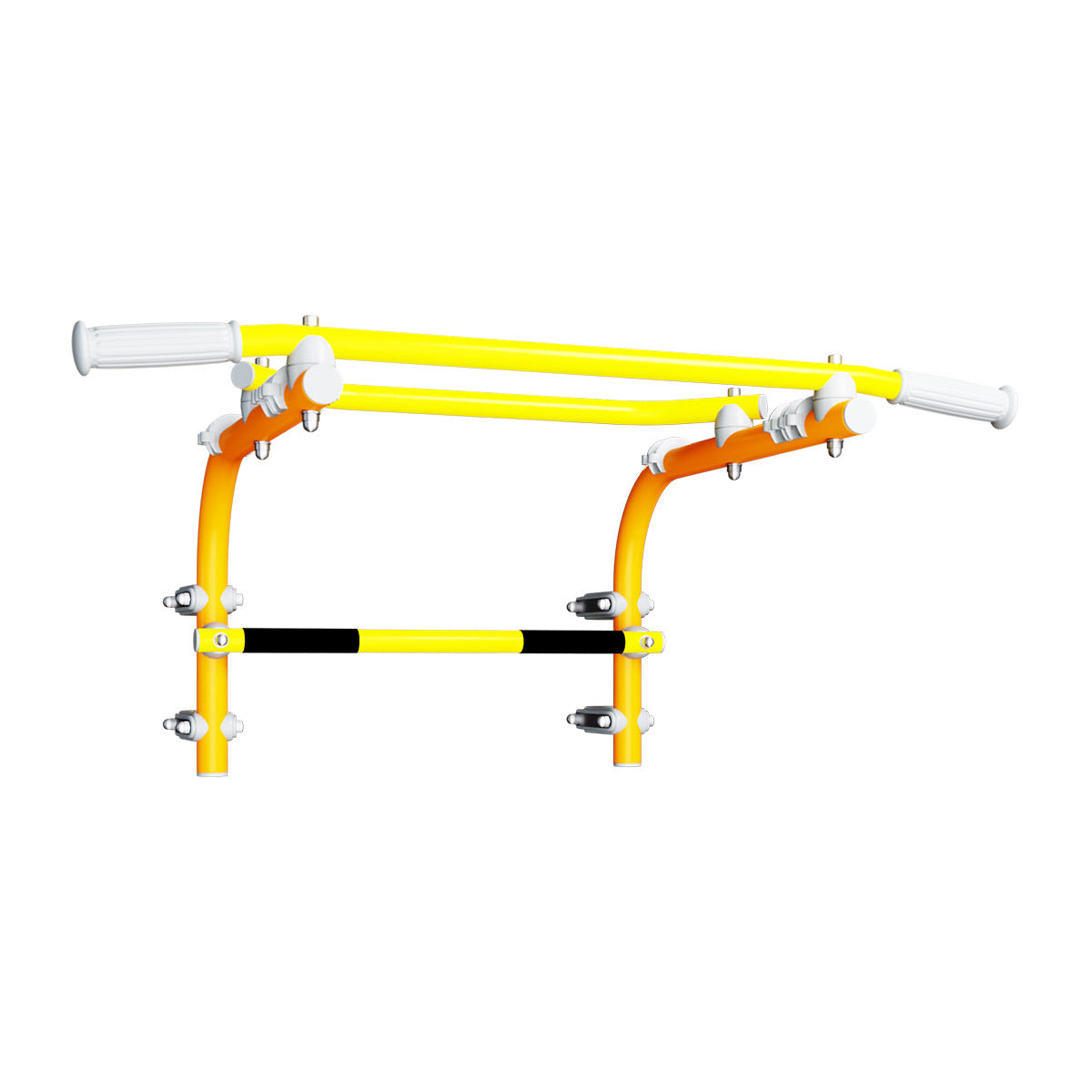
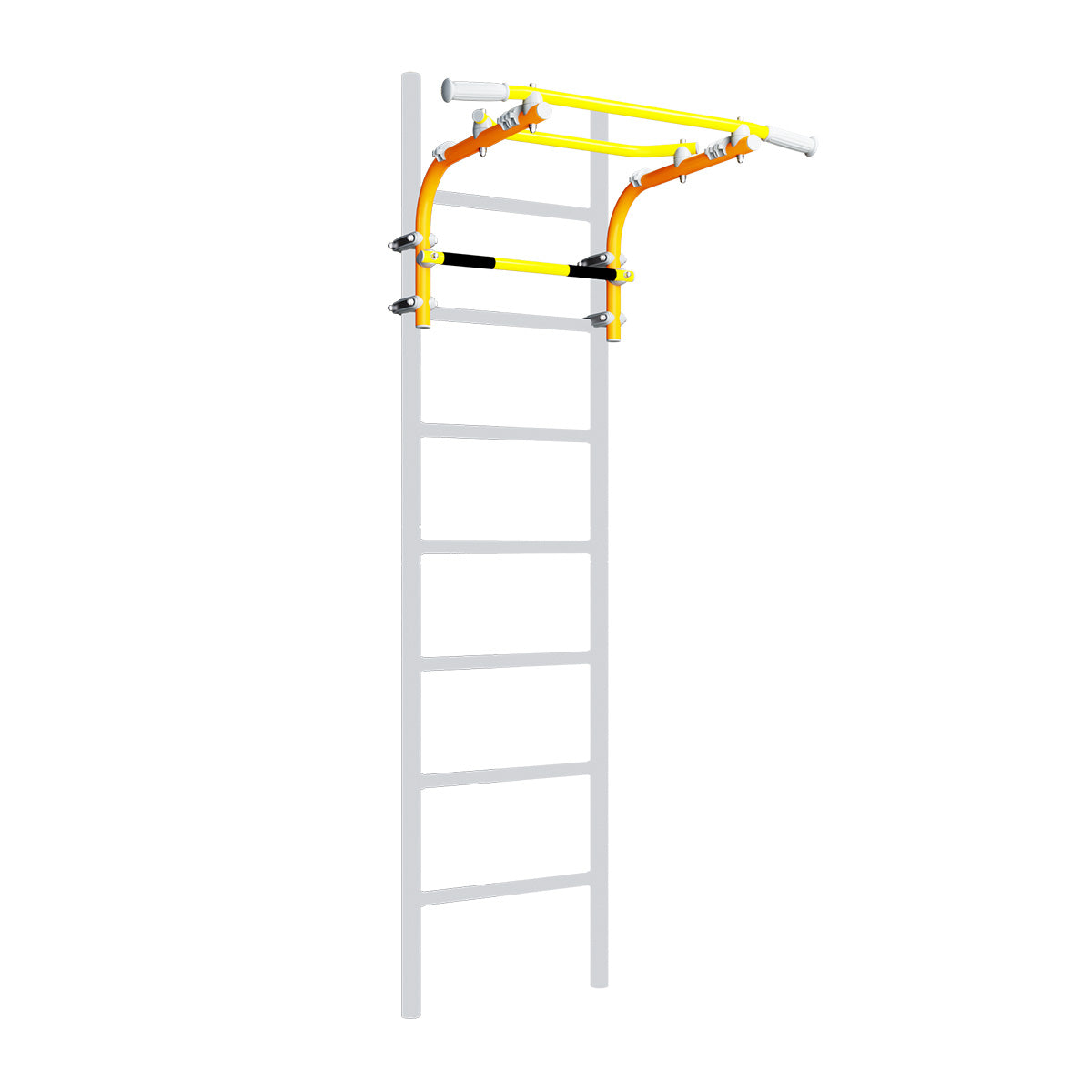
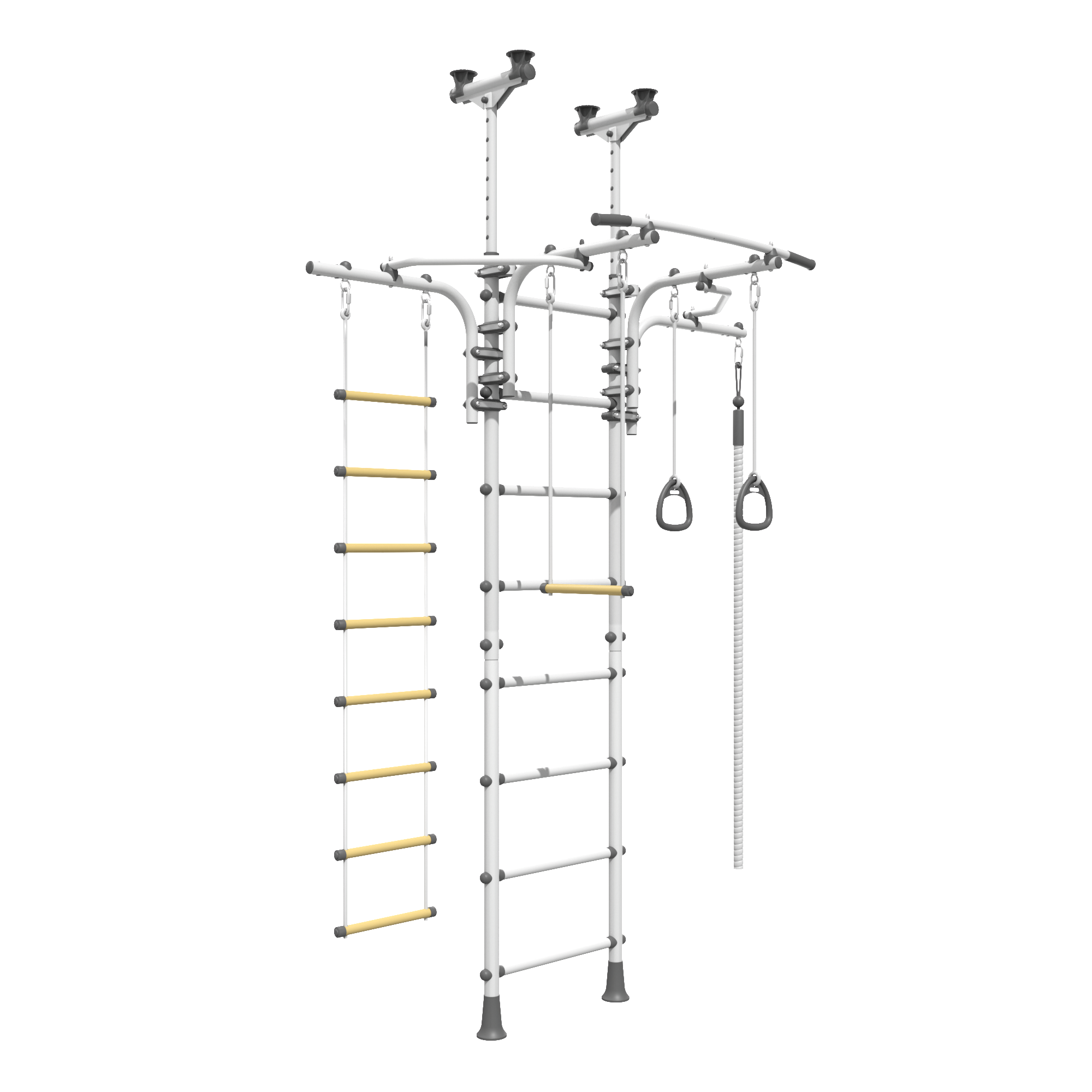
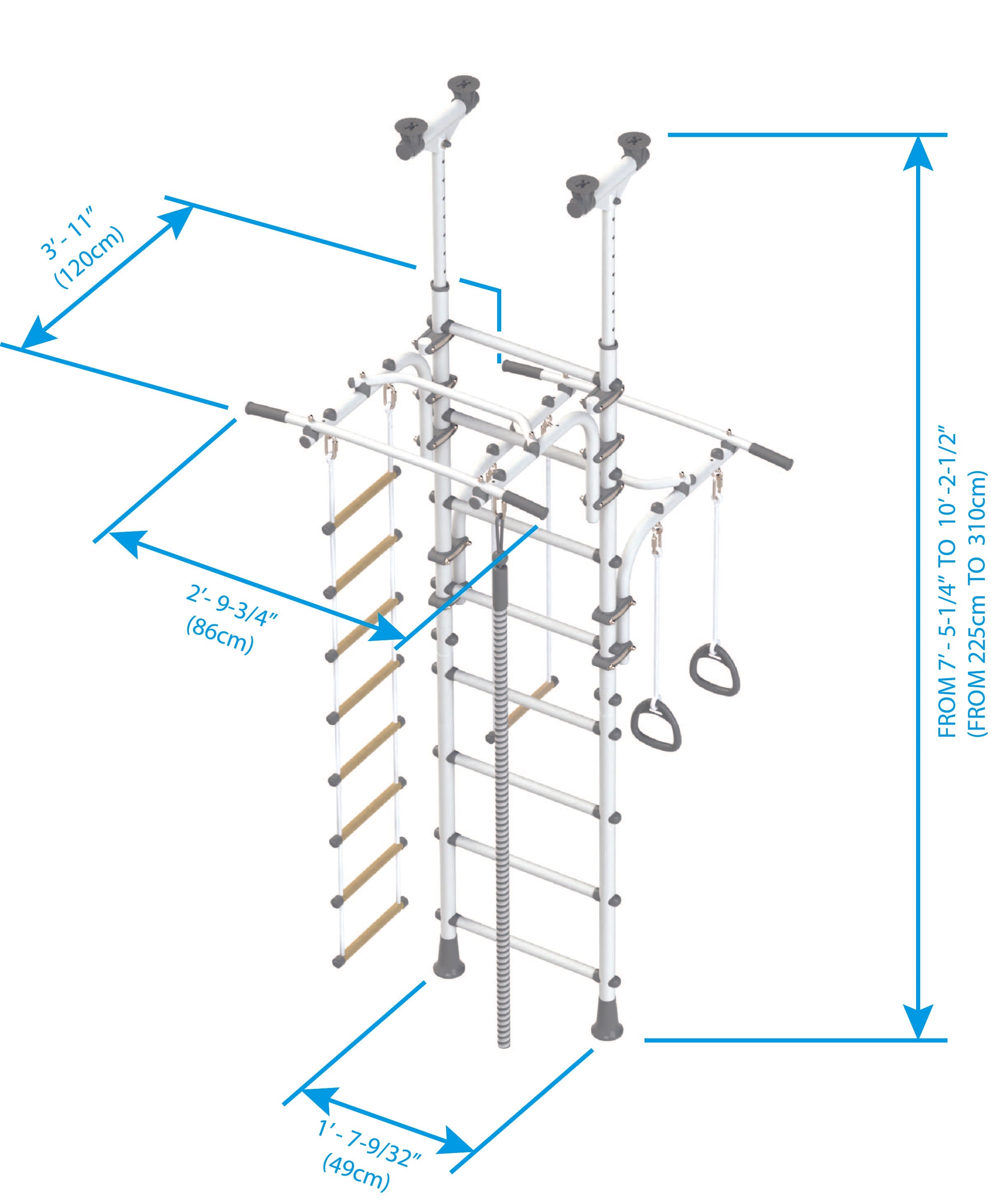
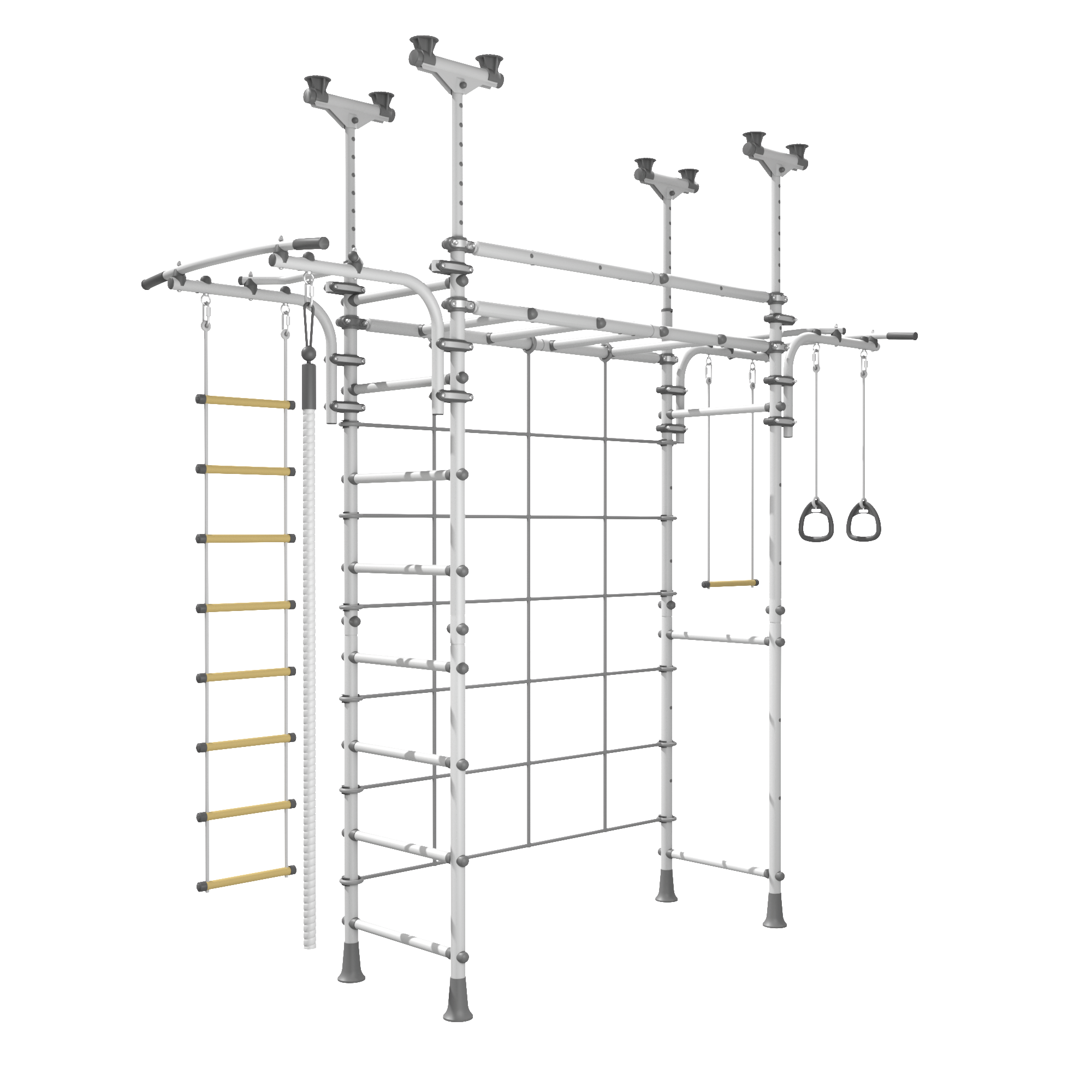
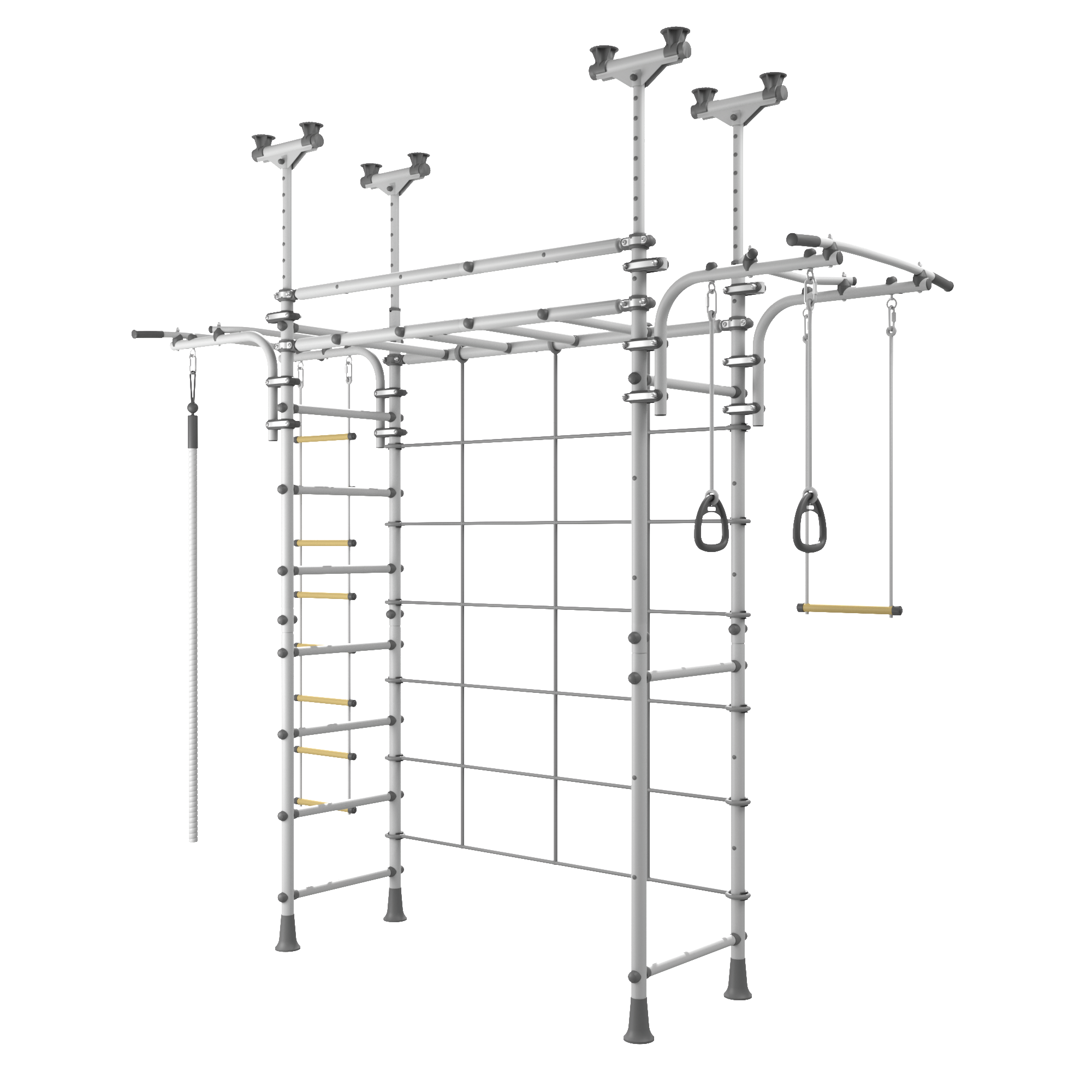
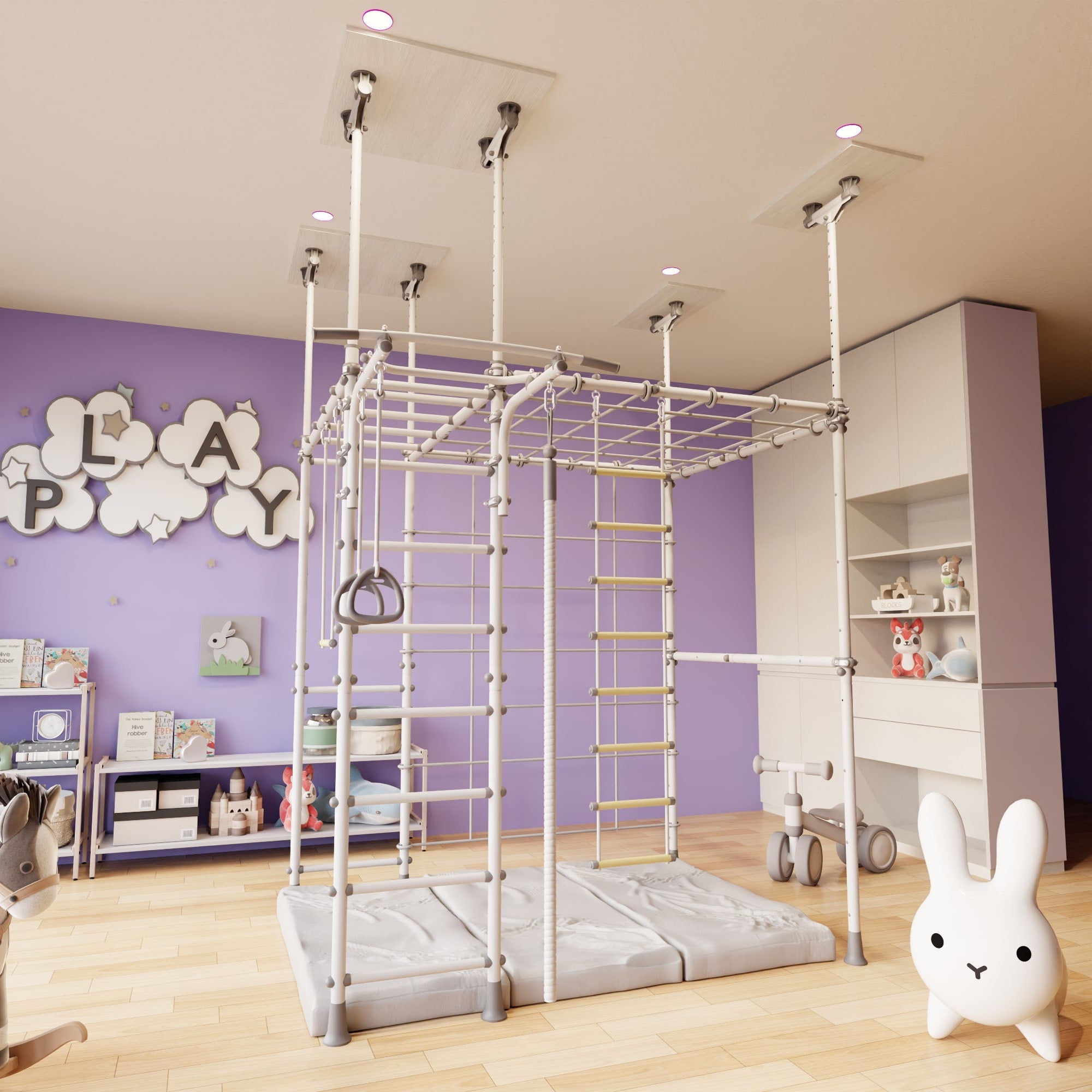
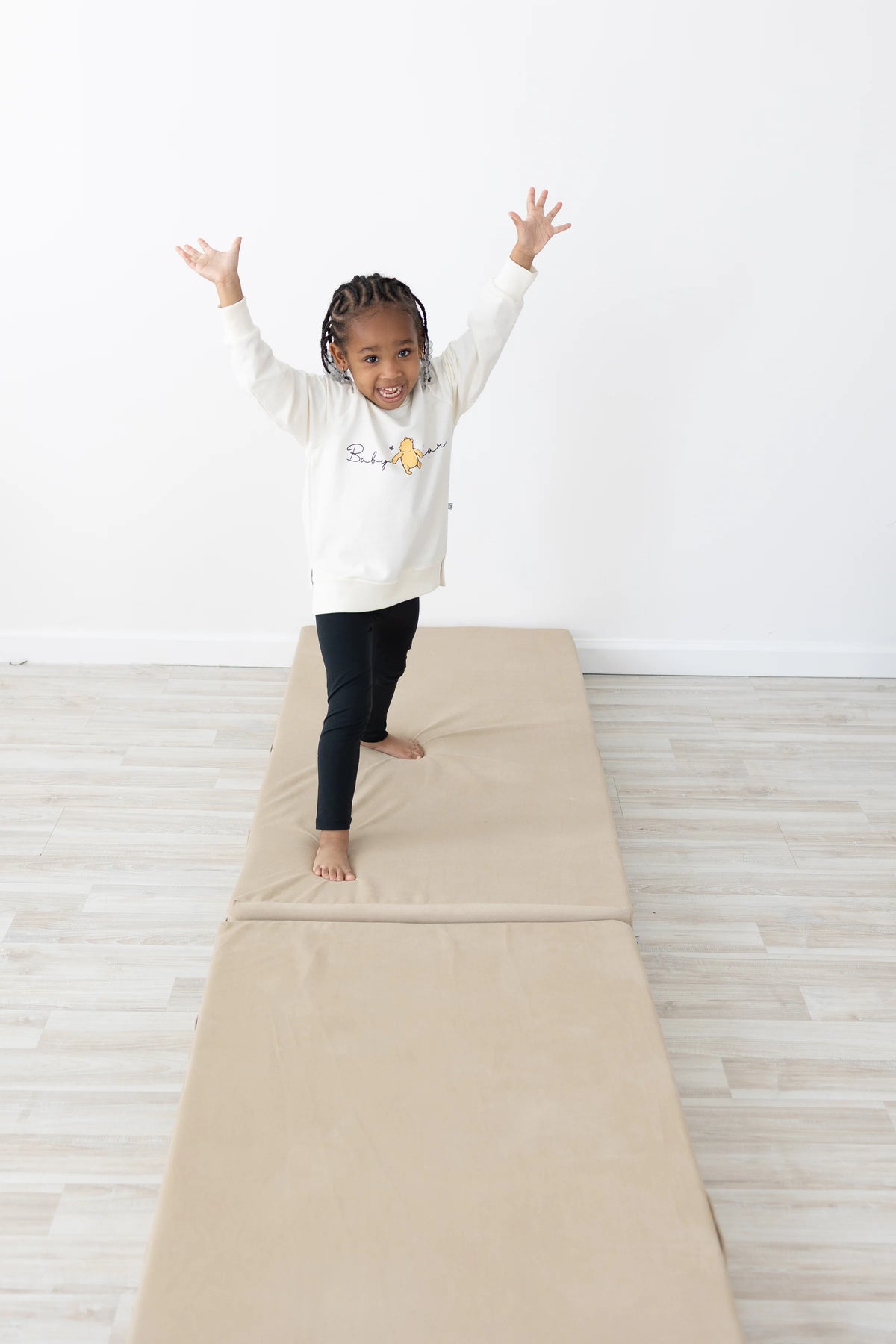
On a Brainrich frame, swings hang from the monkey-bar span or the V3 pull-up bars with their carabiner ring hooks, so changing the swing takes seconds, and the curved ladder and swing set keeps a spare configuration ready. Mats go underneath, always.
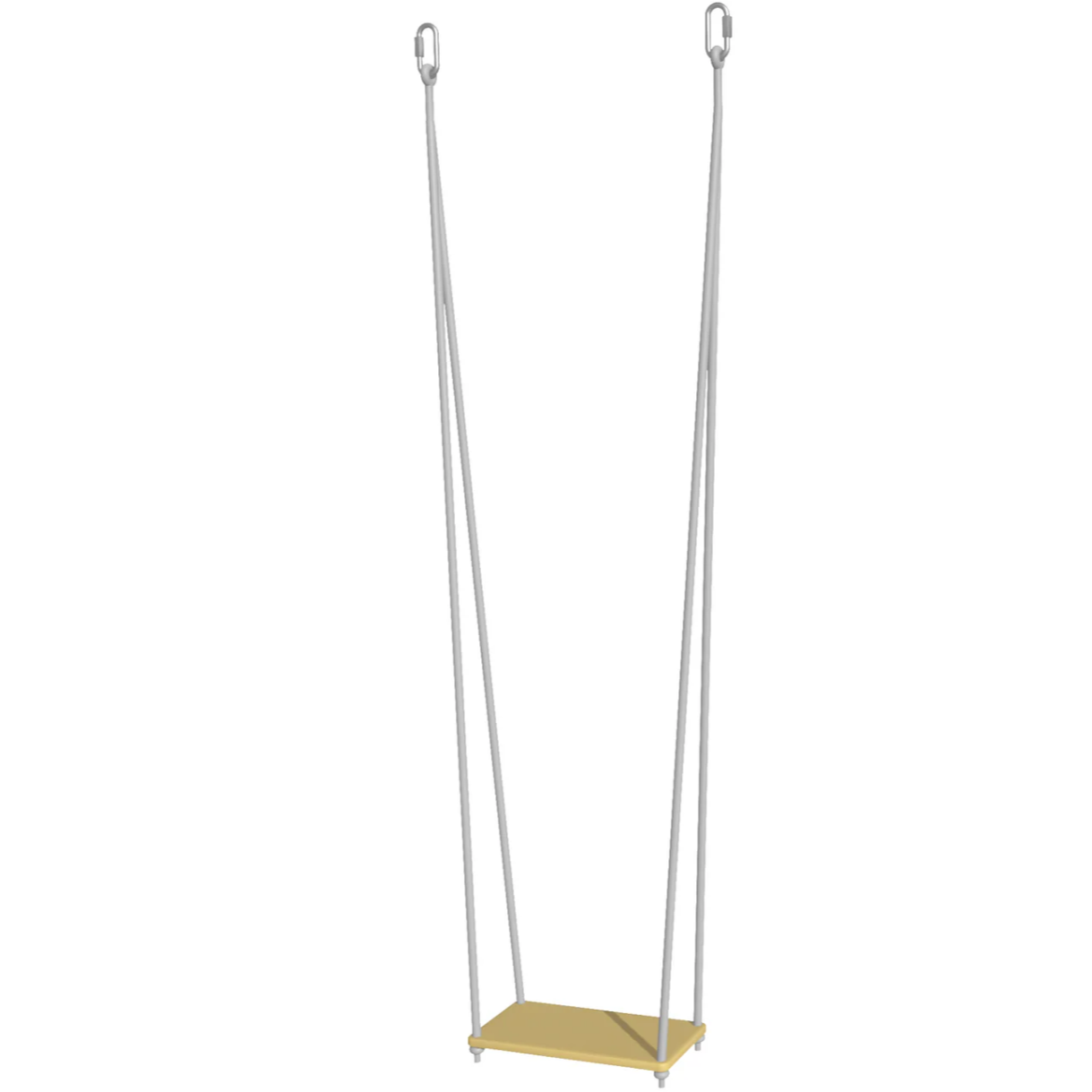
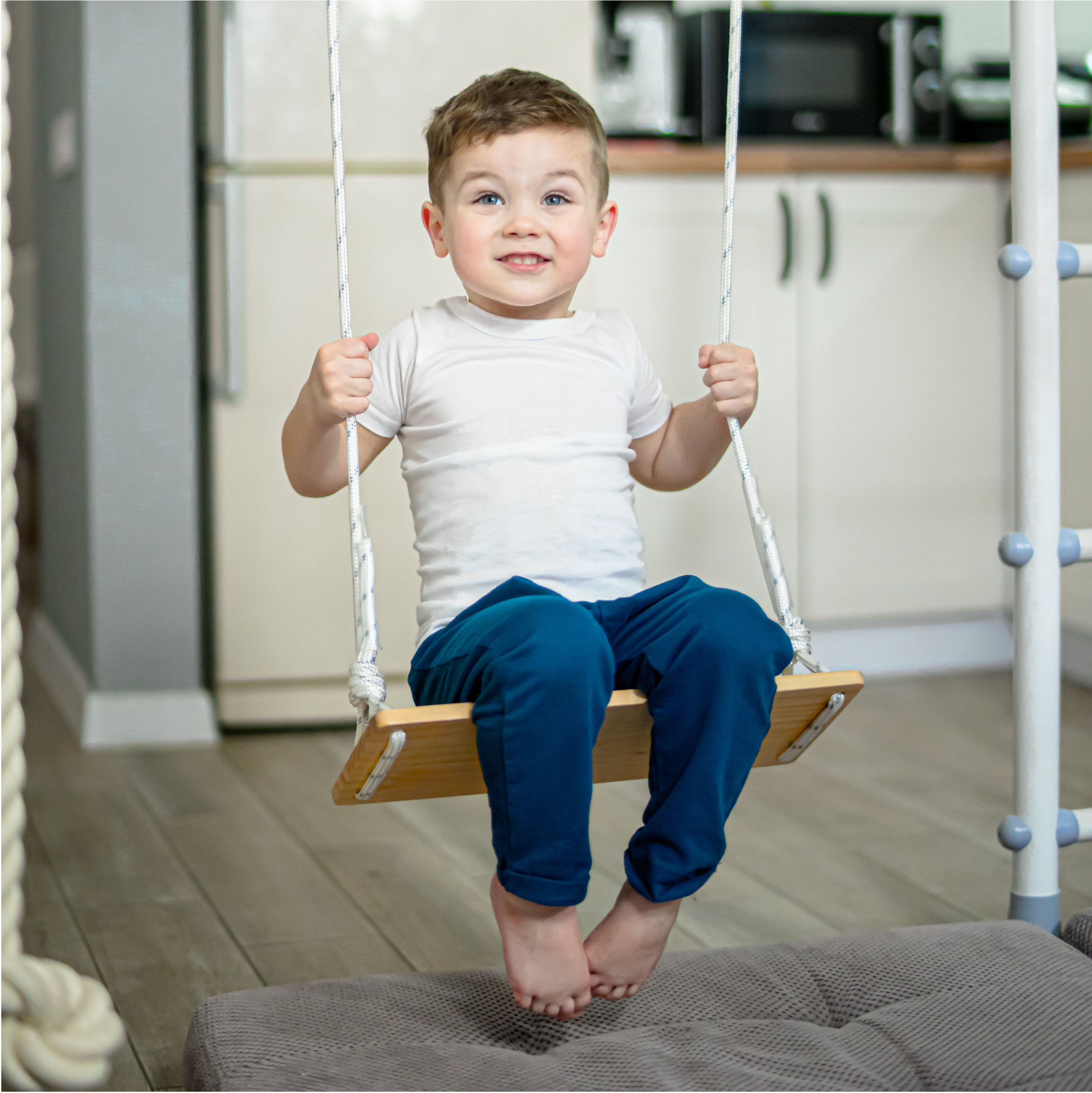
Classic Wooden Indoor Swing for Kids
Monkey Bars V3 Indoor Monkey Bars Set for Kids
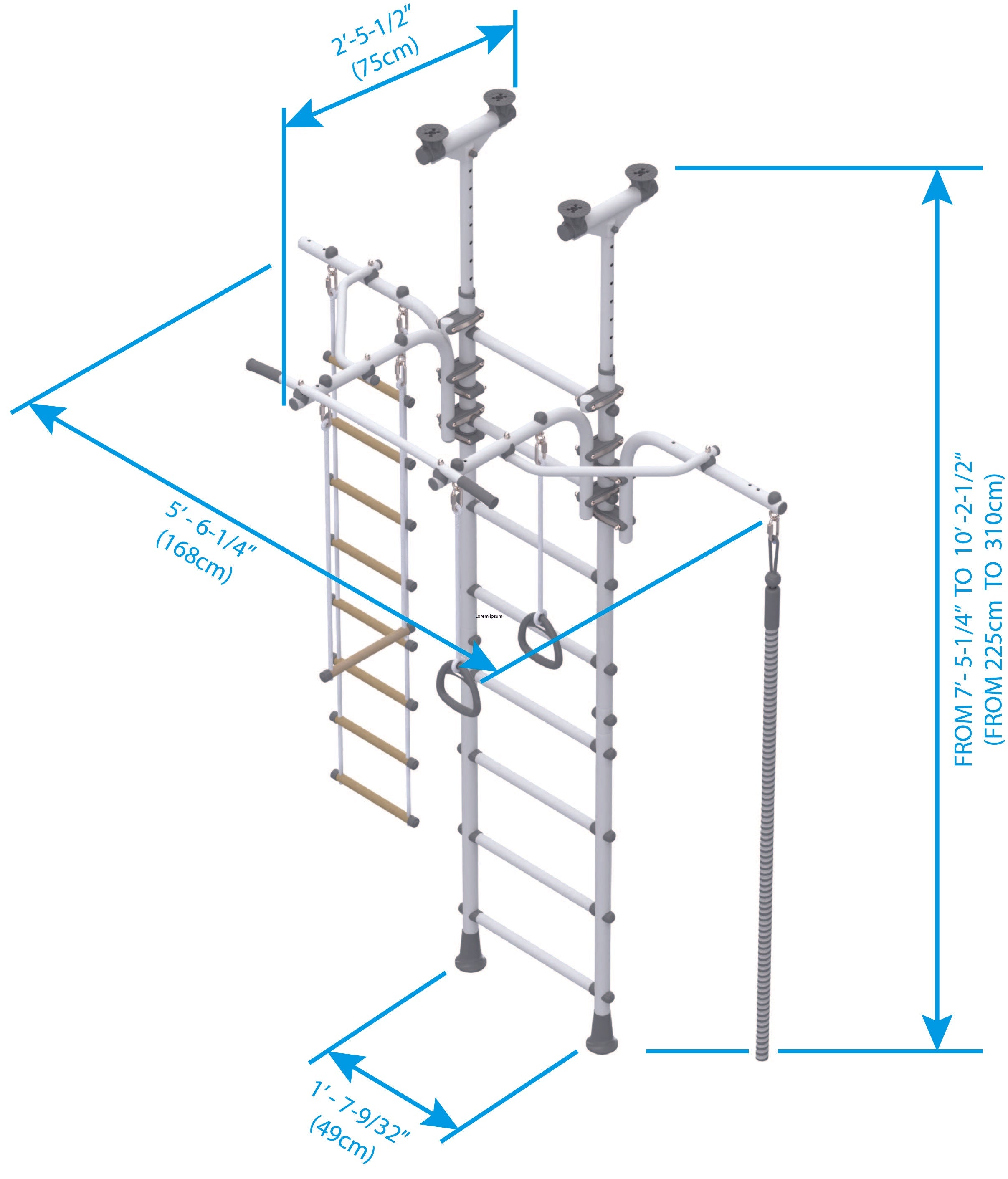
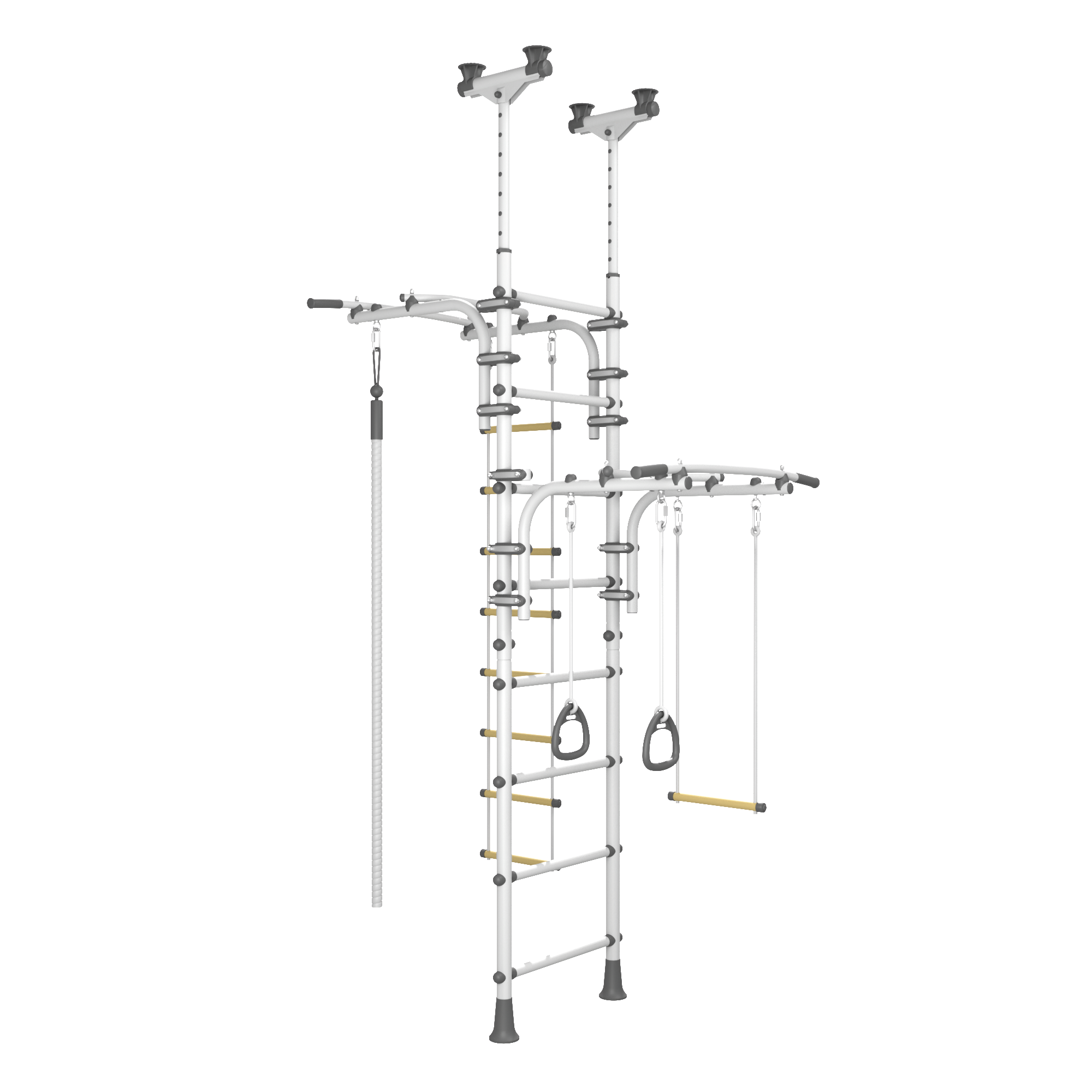
Model T3 Compact Indoor Play Gym for Kids
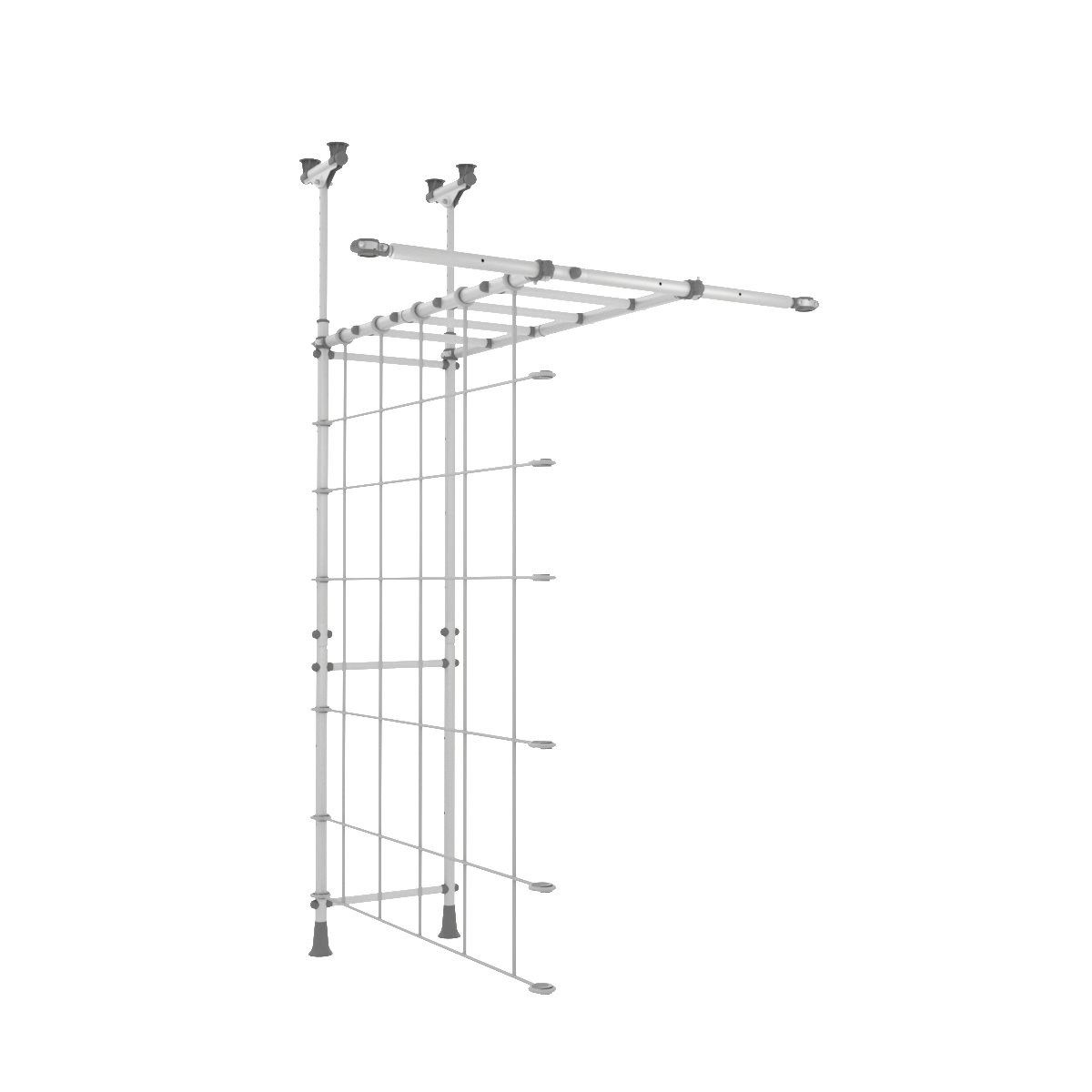
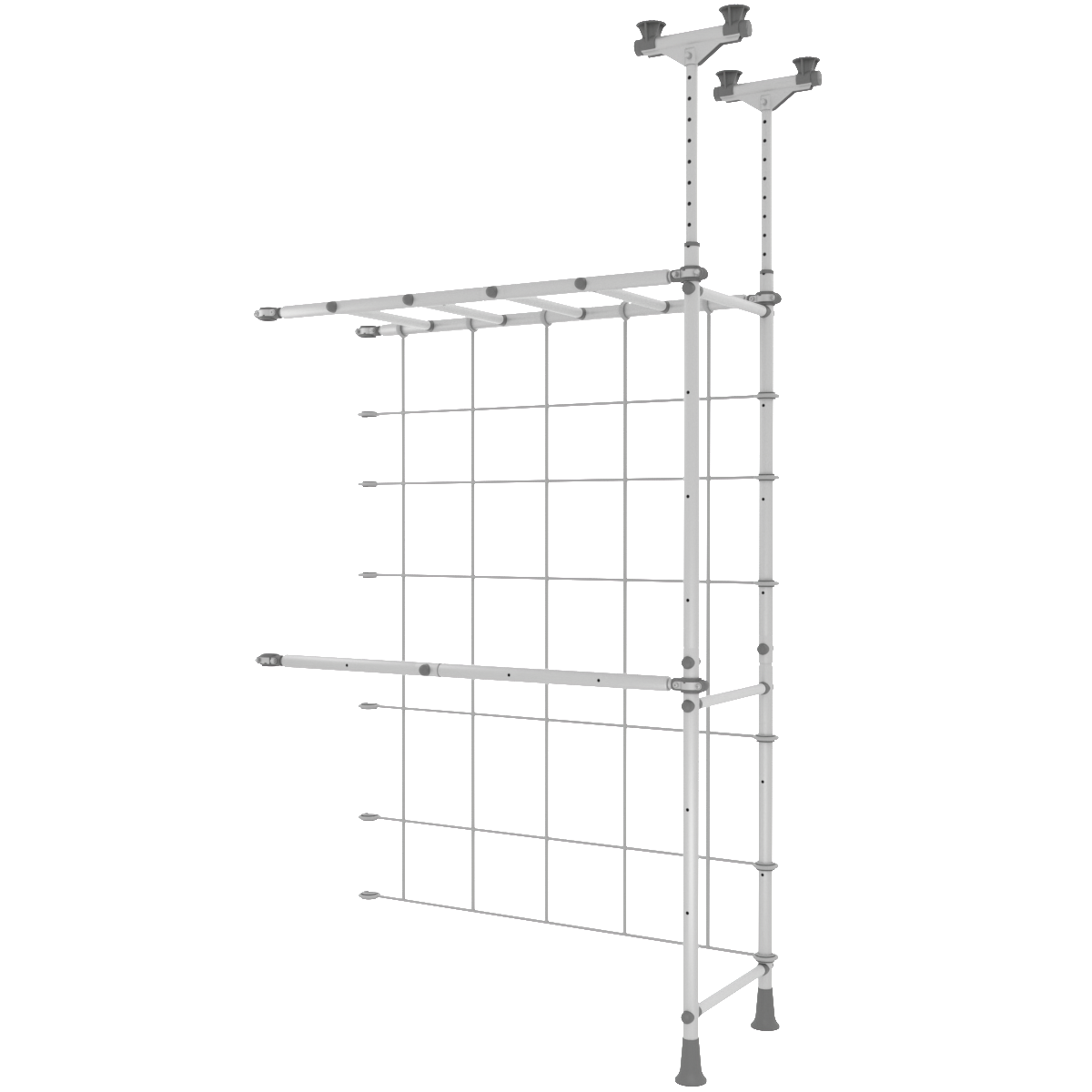
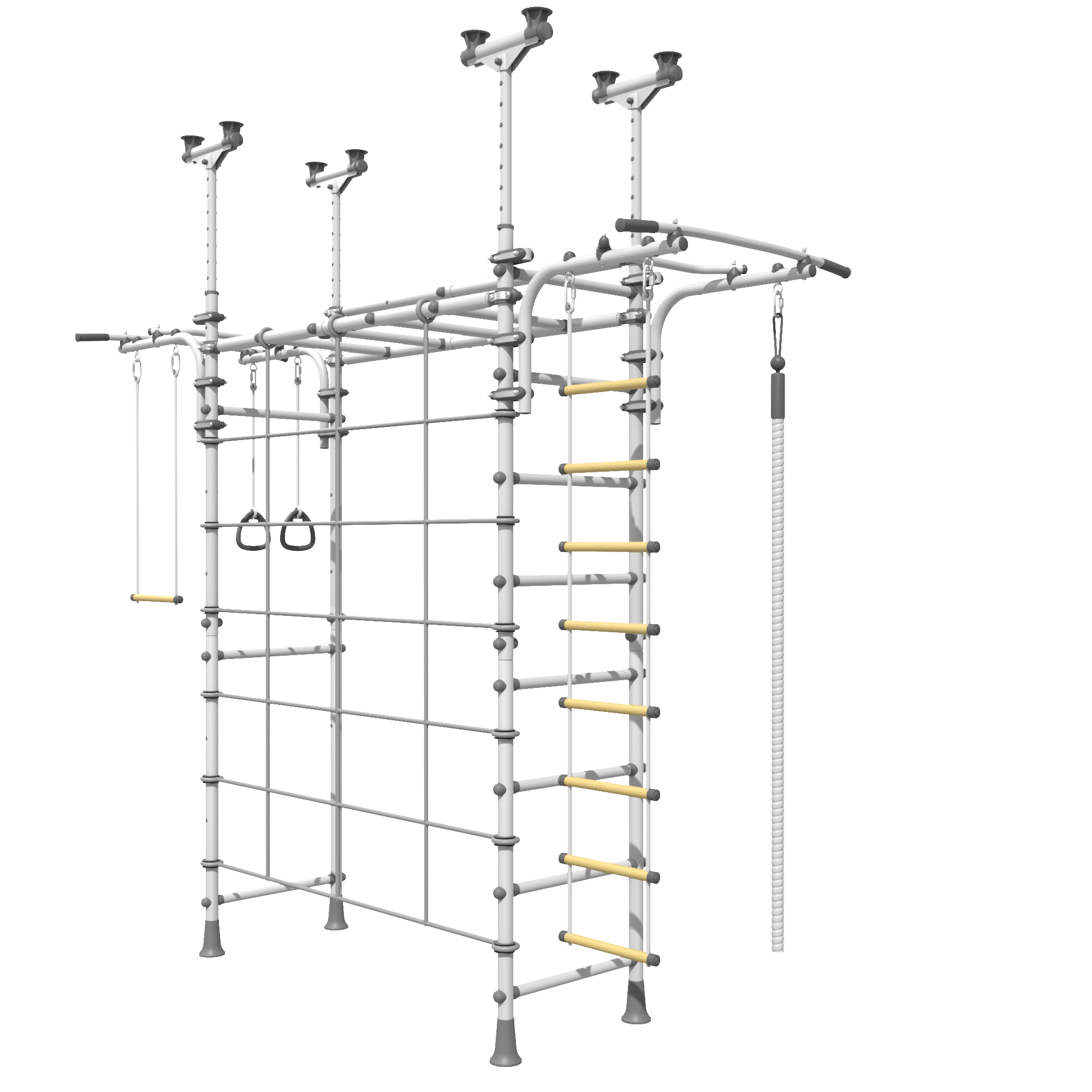
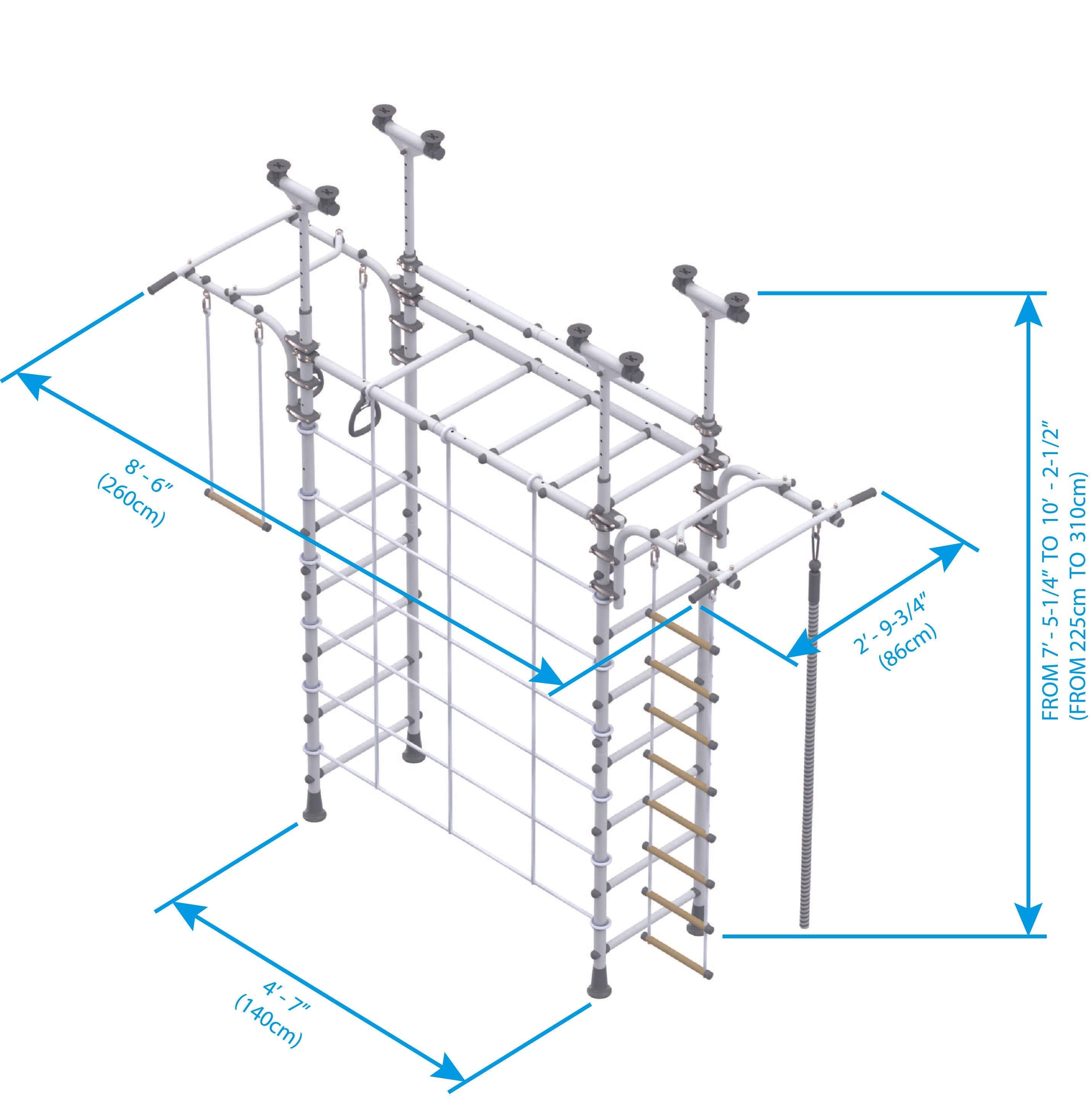
Spider V3 Indoor Jungle Gym with Monkey Bars and Climbing Net