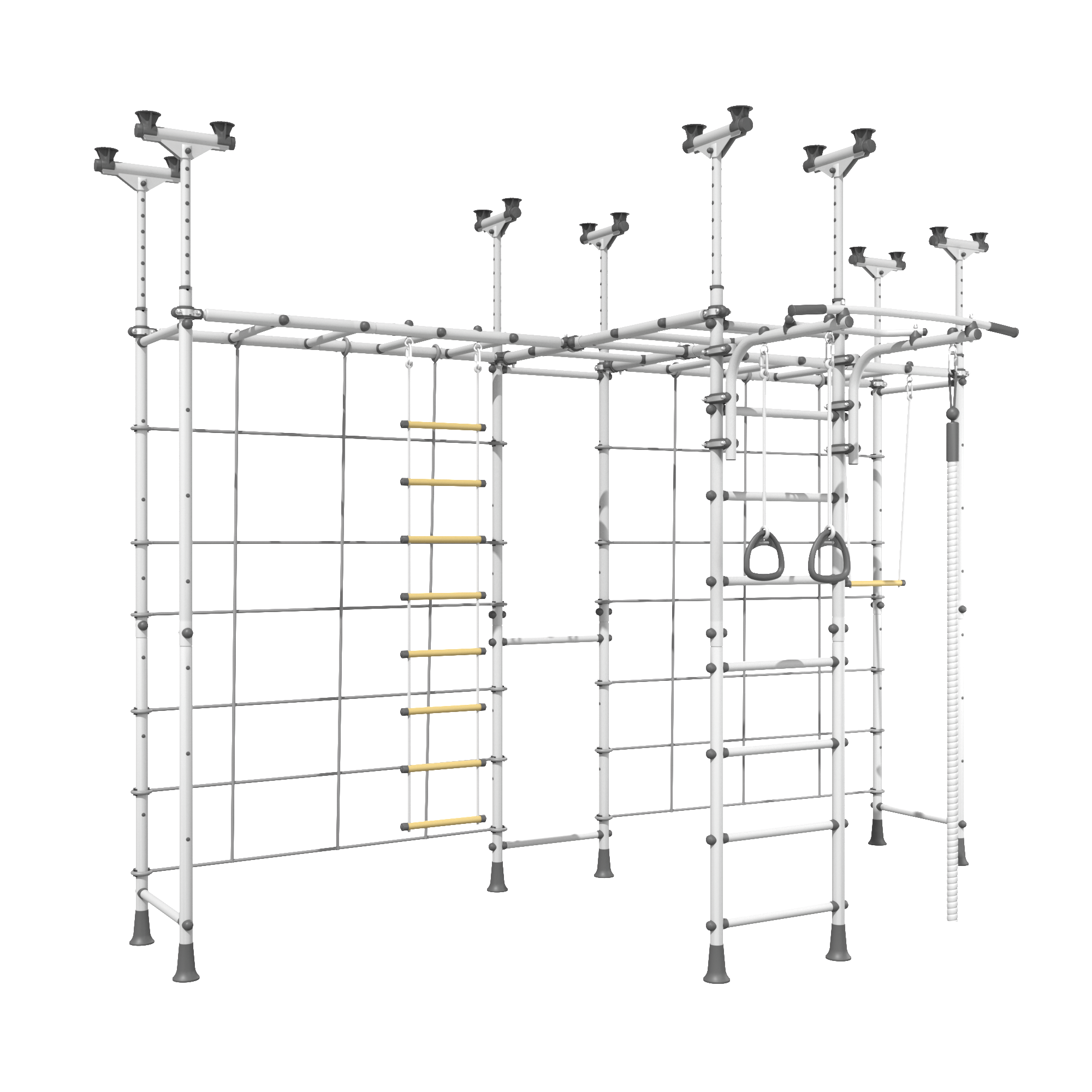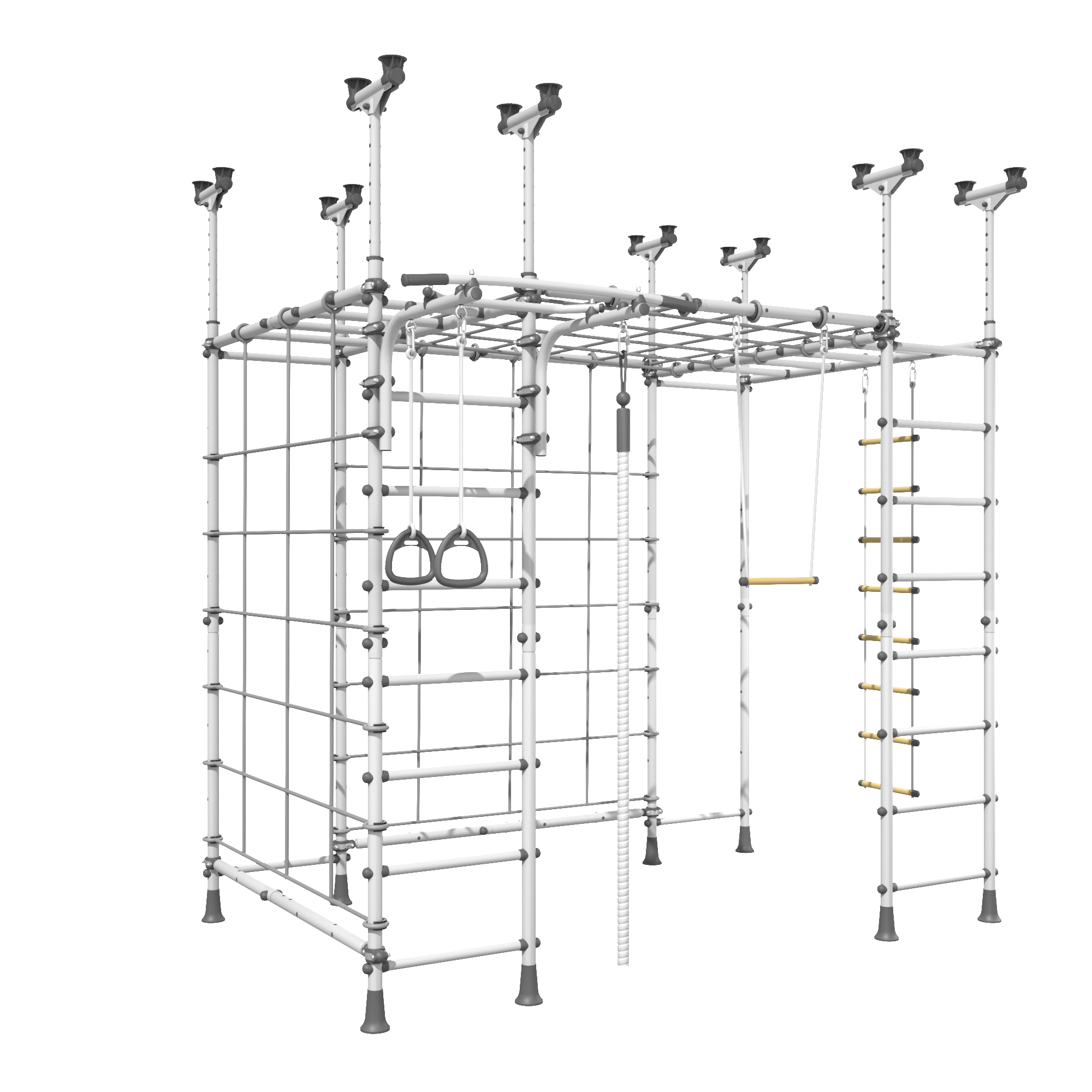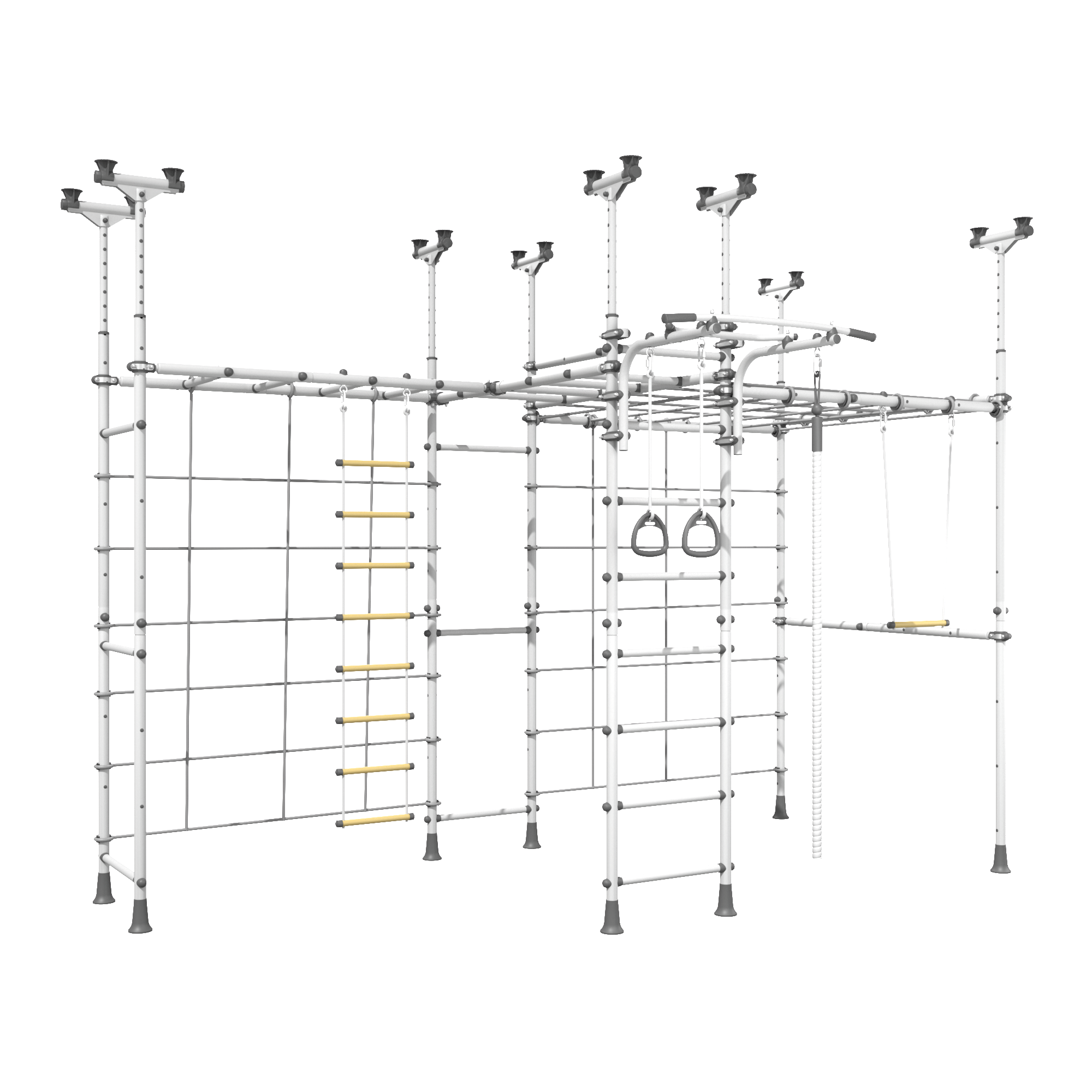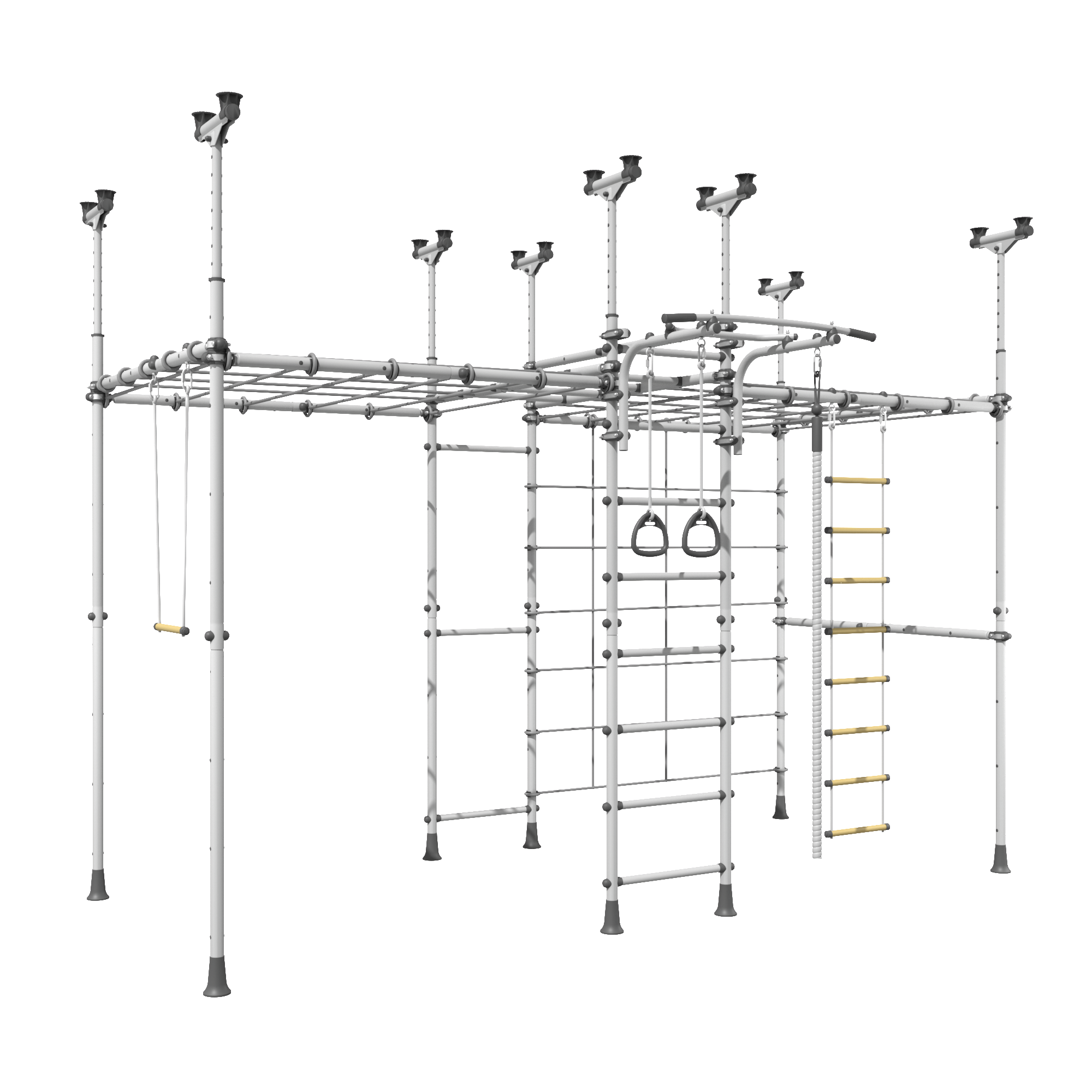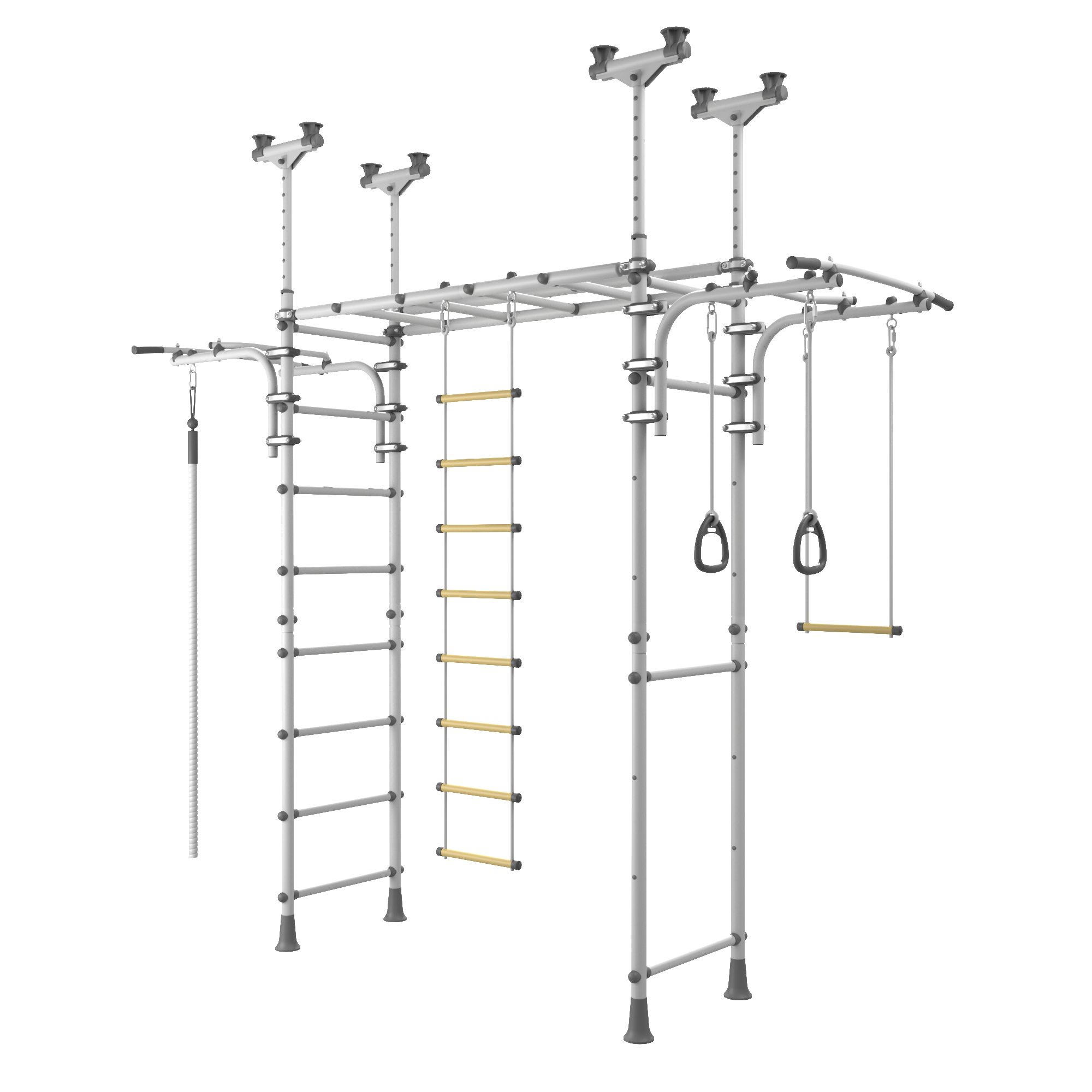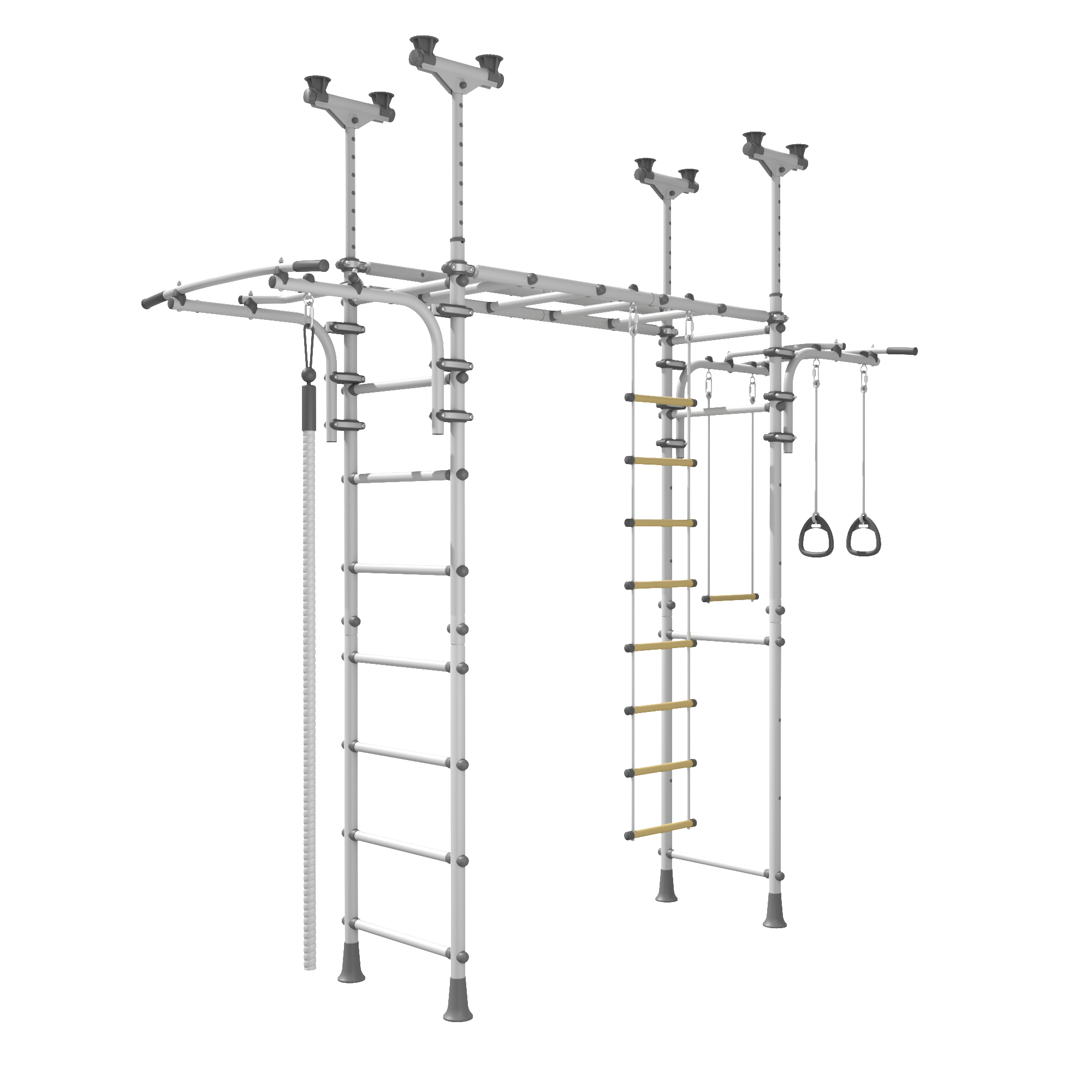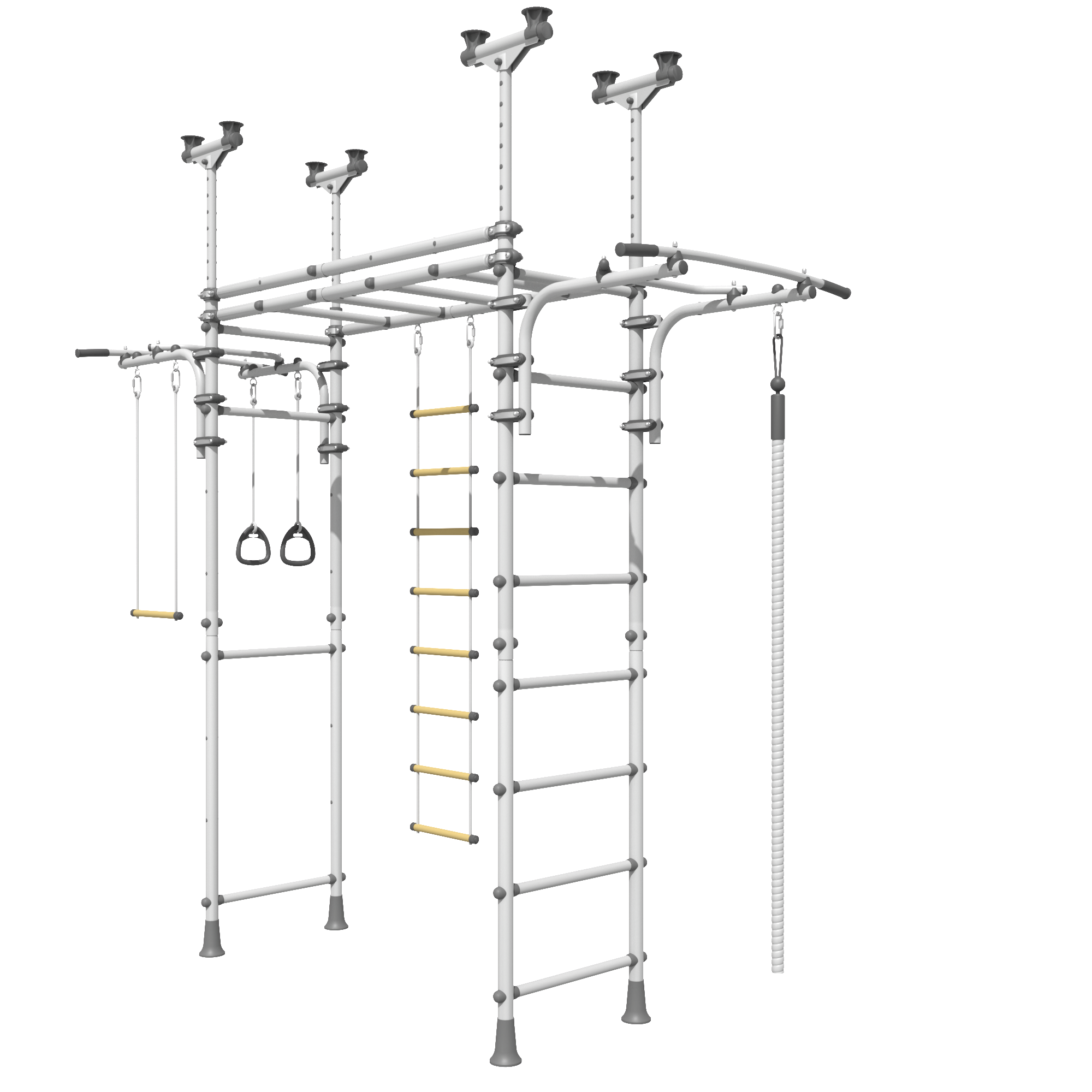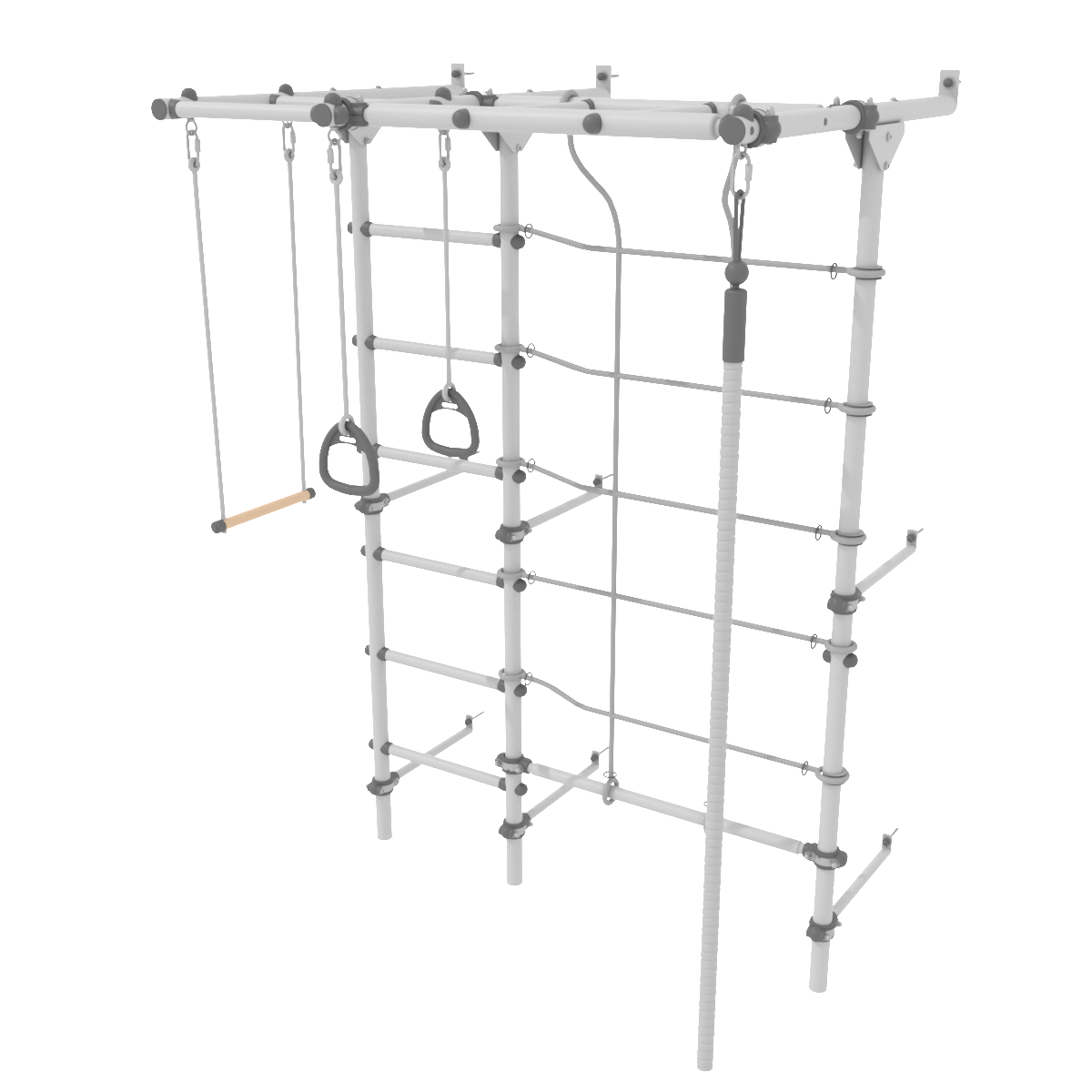

New inventory arrived! Shipping ASAP🎄✨

Autism Climbing Toys

Climbing is more than a physical activity for autistic kids. It is a form of regulation, exploration, and confidence-building. When children have access to safe, sensory-rich climbing toys, they can stretch their bodies, calm their nervous systems, and engage their minds all at once. For families supporting autistic children, movement tools are not optional. They are part of what helps daily life run more smoothly.

Check out our Blog

Ways To Help Your Child Focus: Simple Calming Activities For ADHD

Ways To Help Your Child Focus: Simple Calming Activities For ADHD

Simple calming activities that support focus, emotional control, and daily routines for kids with ADHD from Brainrichkids. Ideal for home...
How To Create A Safe And Fun Home Play Gym Area For Your Kids

How To Create A Safe And Fun Home Play Gym Area For Your Kids

Build a kids' playroom that supports brain development and active play using safe, modular indoor gyms that fit small or...
Montessori Toys Explained: How They Help Kids Learn Through Play

Montessori Toys Explained: How They Help Kids Learn Through Play

Understand what Montessori toys are and how they support brain development and hands-on learning at every stage of early childhood...

How Movement Supports Brain And Sensory Development

For autistic kids, movement is not just about getting energy out. It plays a direct role in how the brain develops, how the body processes input, and how emotions are regulated. When children move with purpose, their brains grow stronger connections that support focus, control, and learning. Climbing activates multiple systems at once:

  • The vestibular system (balance and motion)
  • The proprioceptive system (body awareness)
  • The motor planning system (coordinating movement)

These systems help the brain understand where the body is in space. When they work together, children feel more grounded and better able to manage everyday tasks. A 2025 narrative review published in Brain Sciences confirmed that physical activity improves executive function, attention control, and emotional regulation in children. This includes autistic children, who often benefit from activities that activate both brain and body together. When climbing becomes part of daily life, it strengthens:

  • Working memory and impulse control
  • Core stability and balance
  • Emotional self-regulation
  • Focus during transitions and learning

Climbing is more than a physical skill. It is a tool that supports how children think, feel, and respond to the world around them.

The Unique Benefits Of Brainrich’s Indoor Climbing System

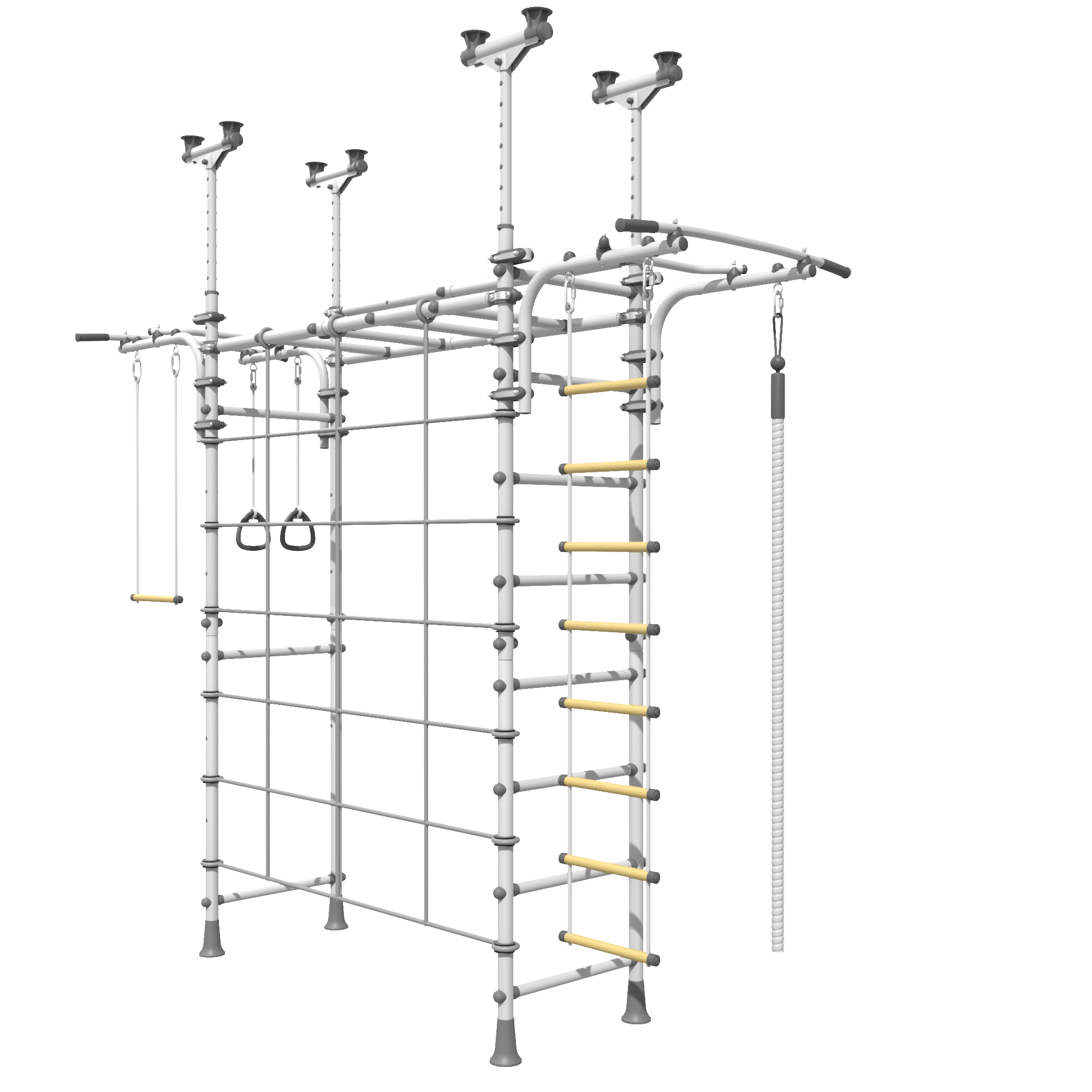
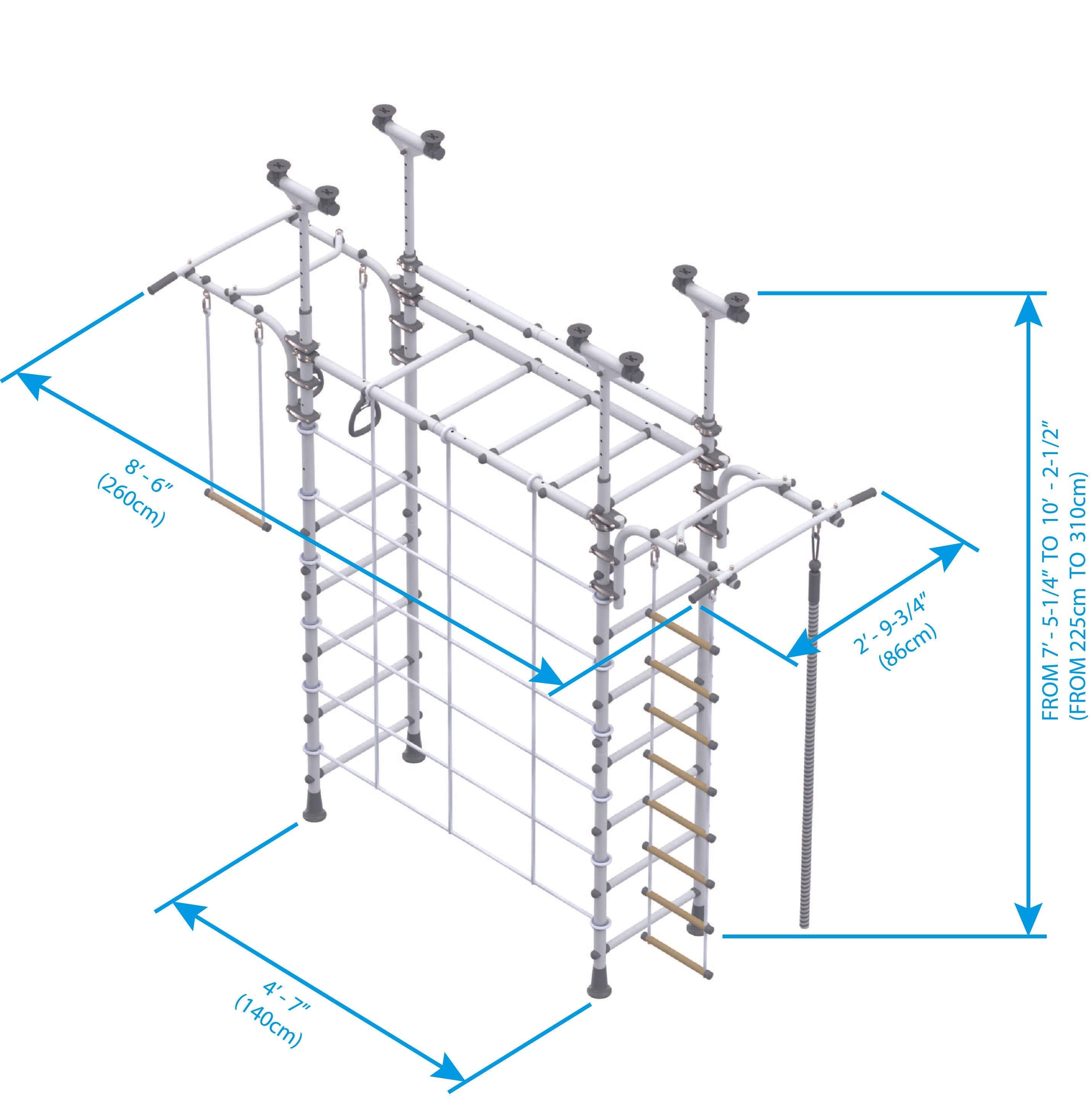
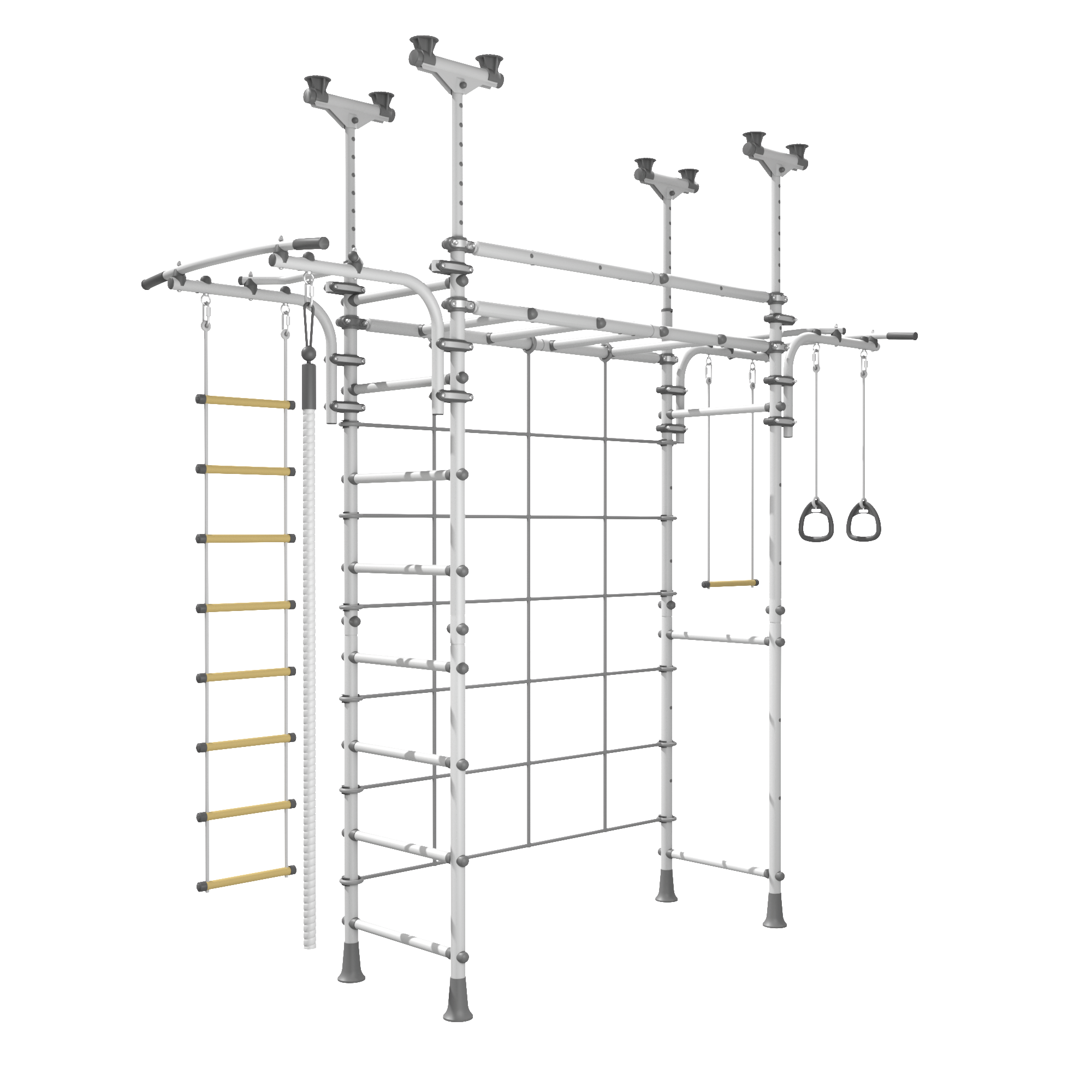
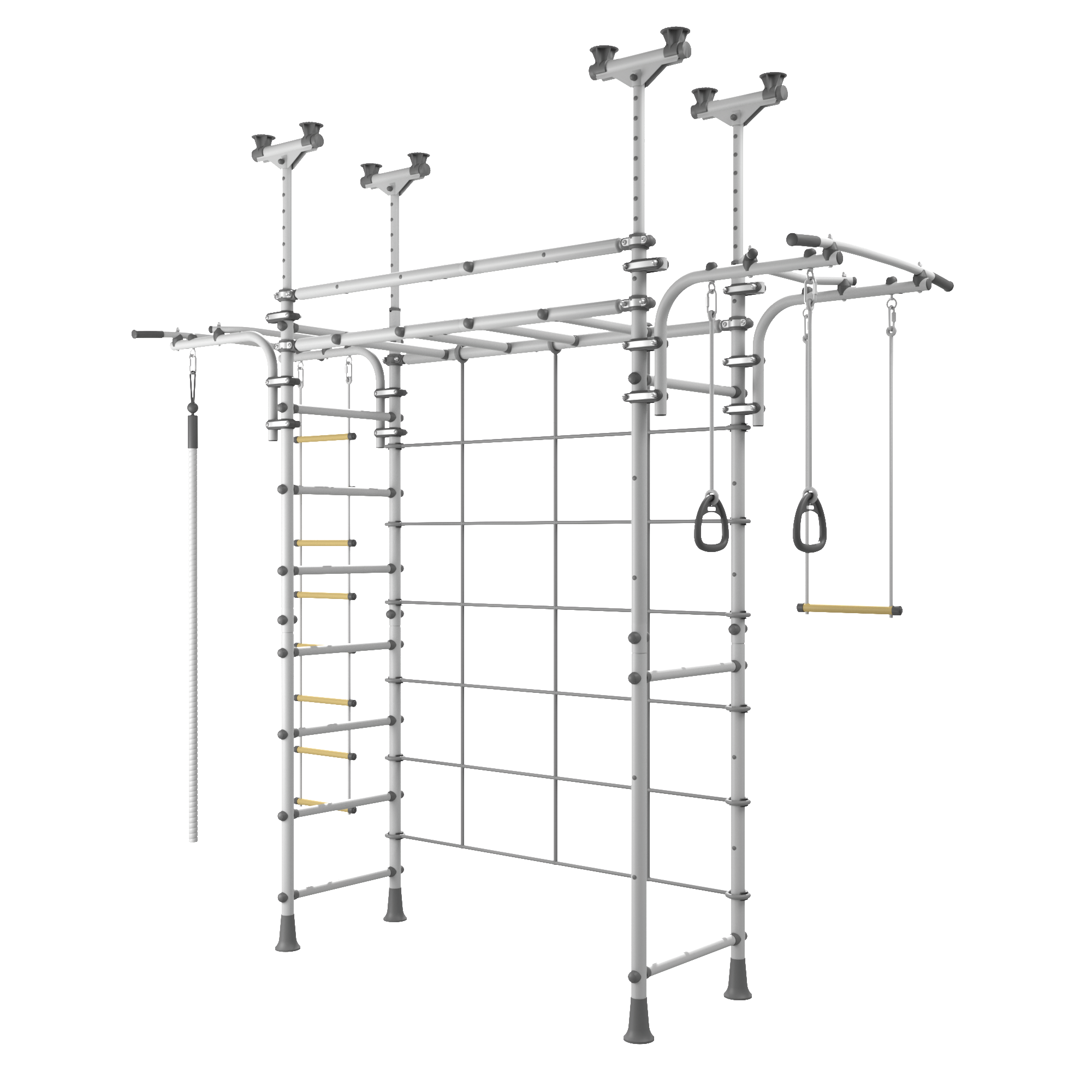
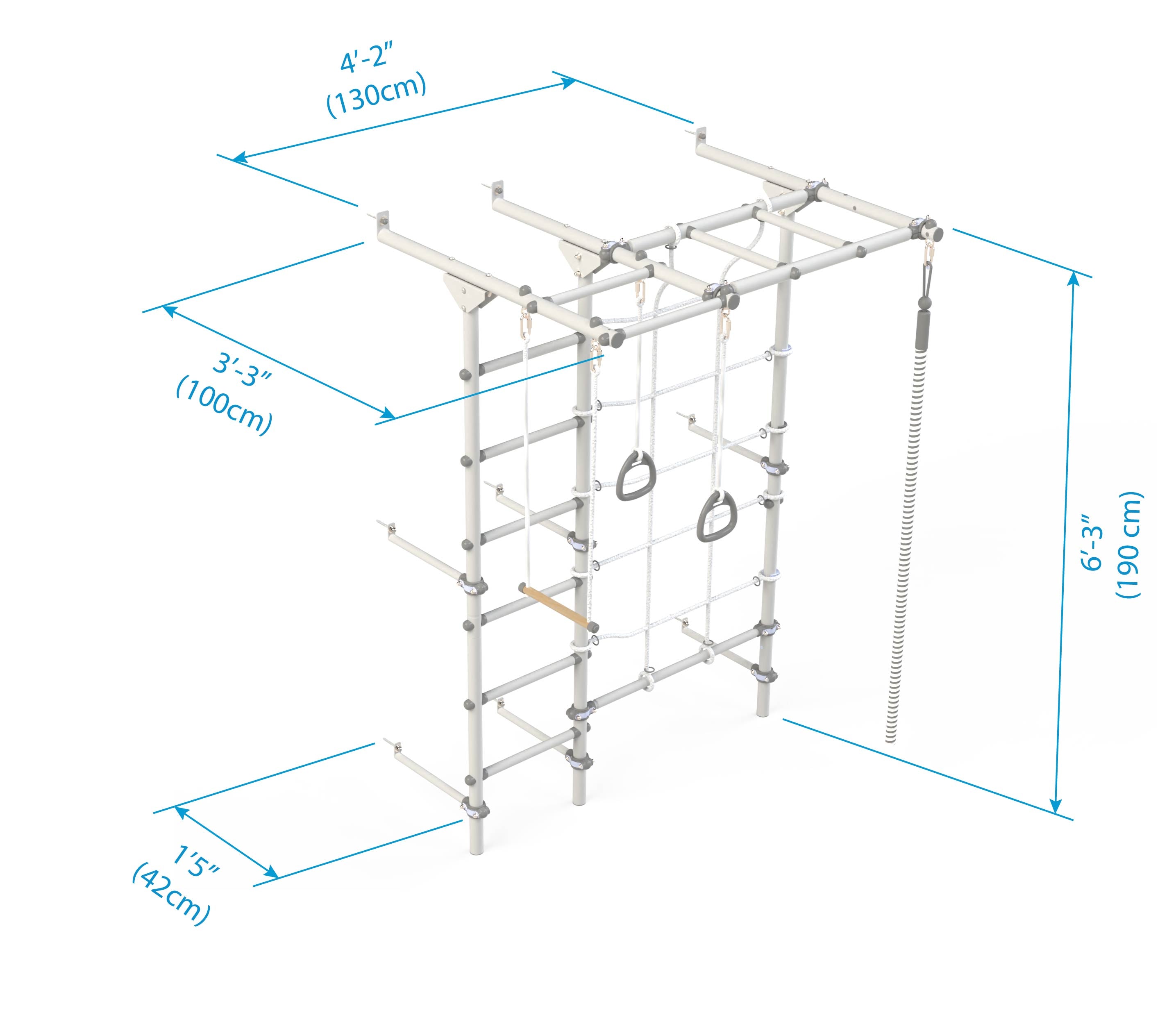
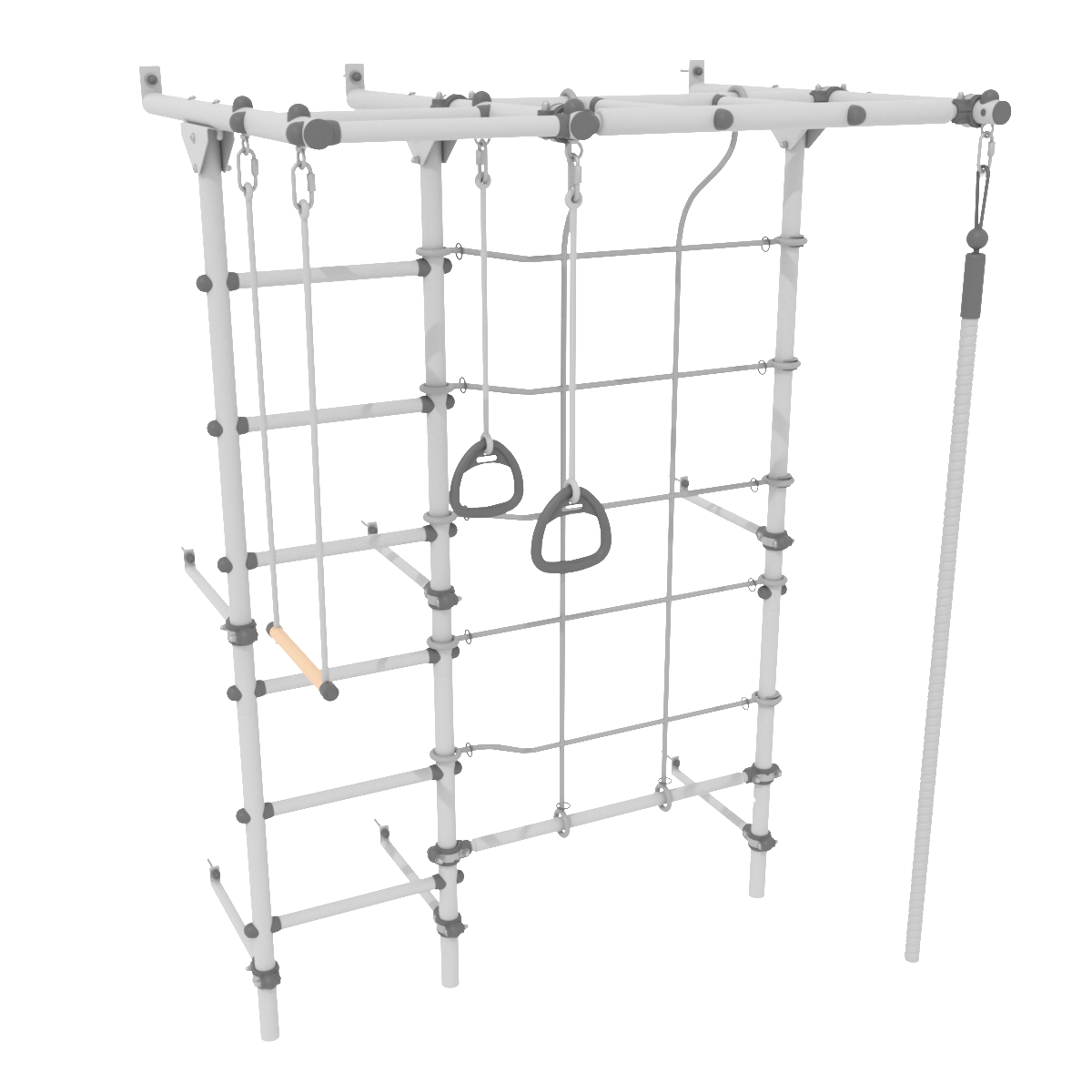
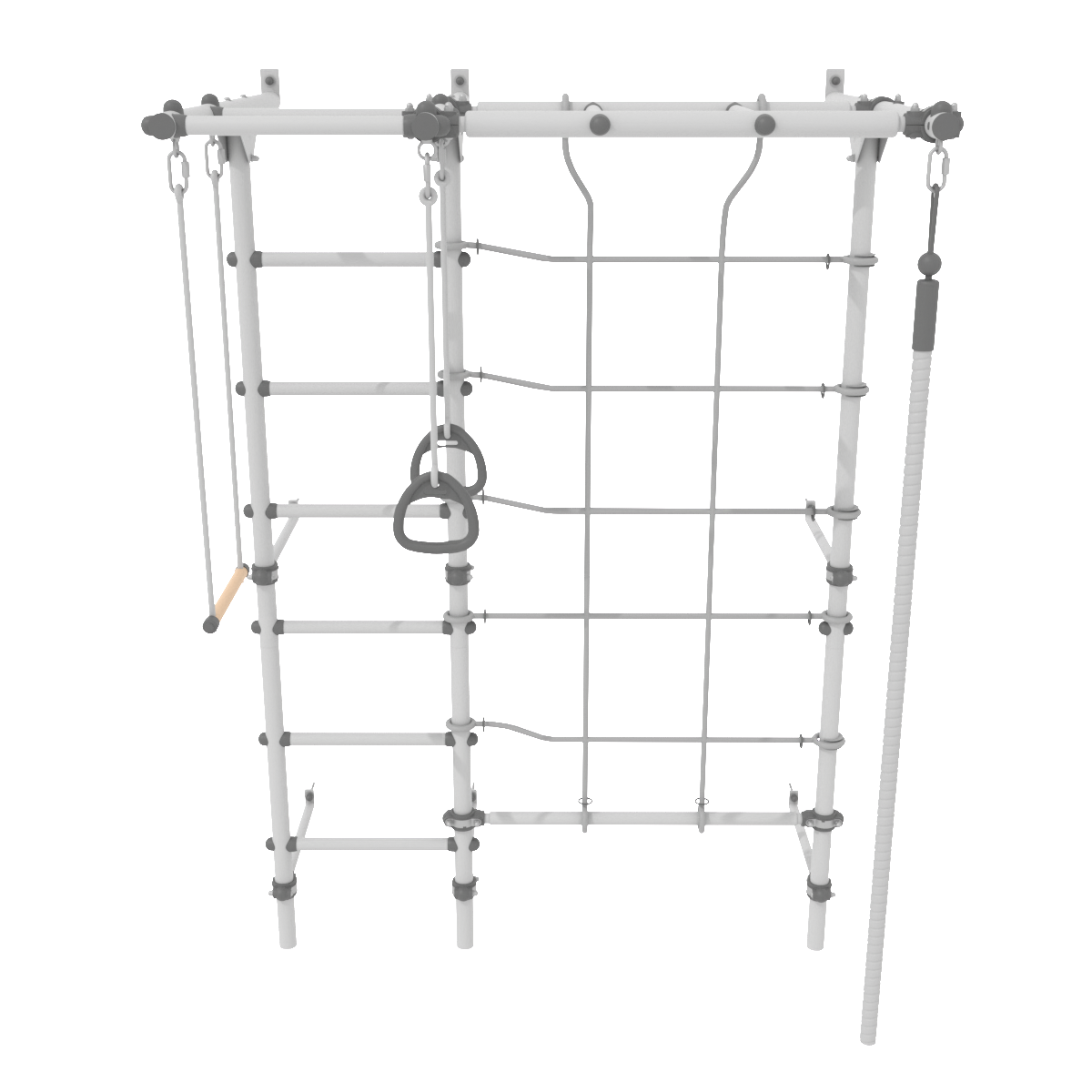
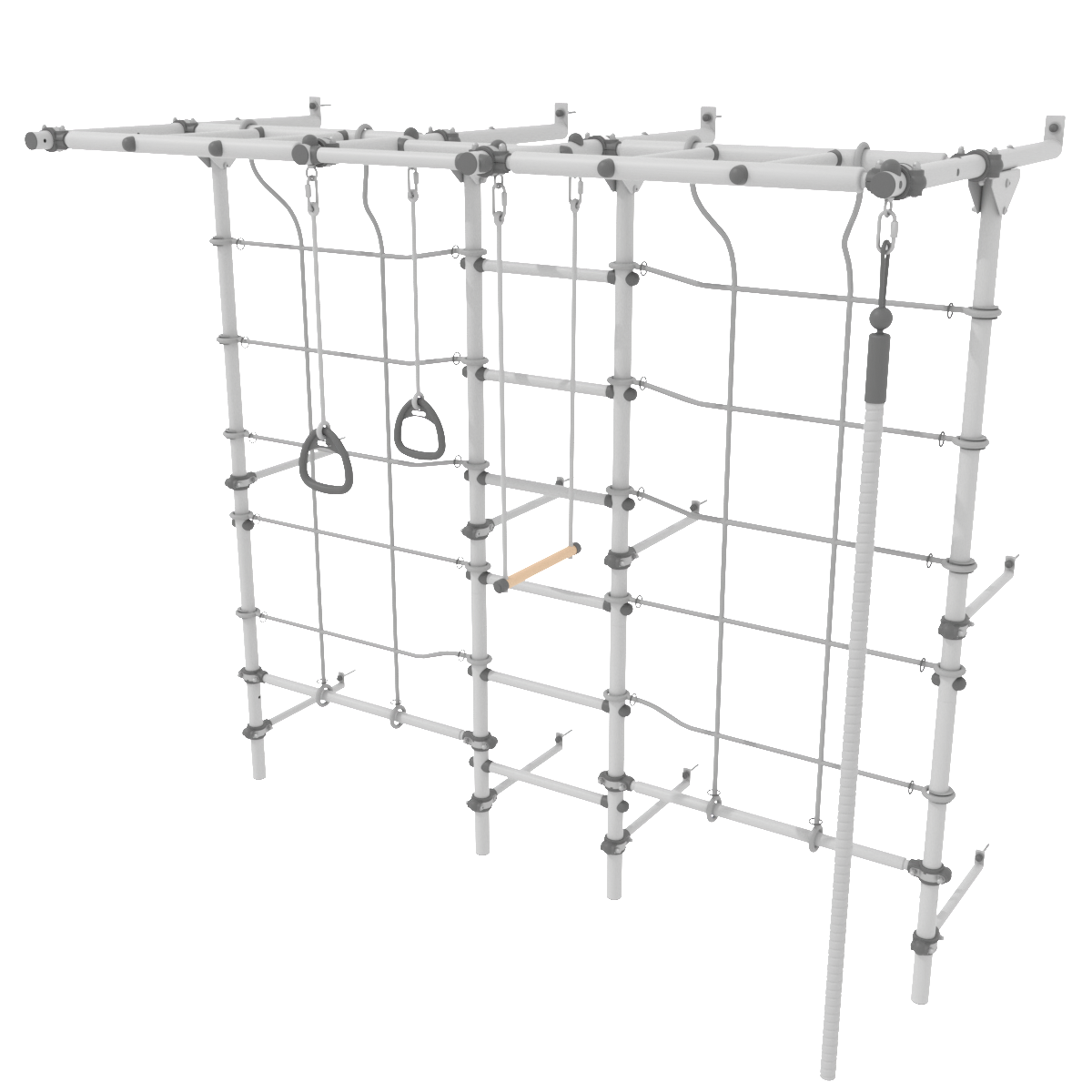
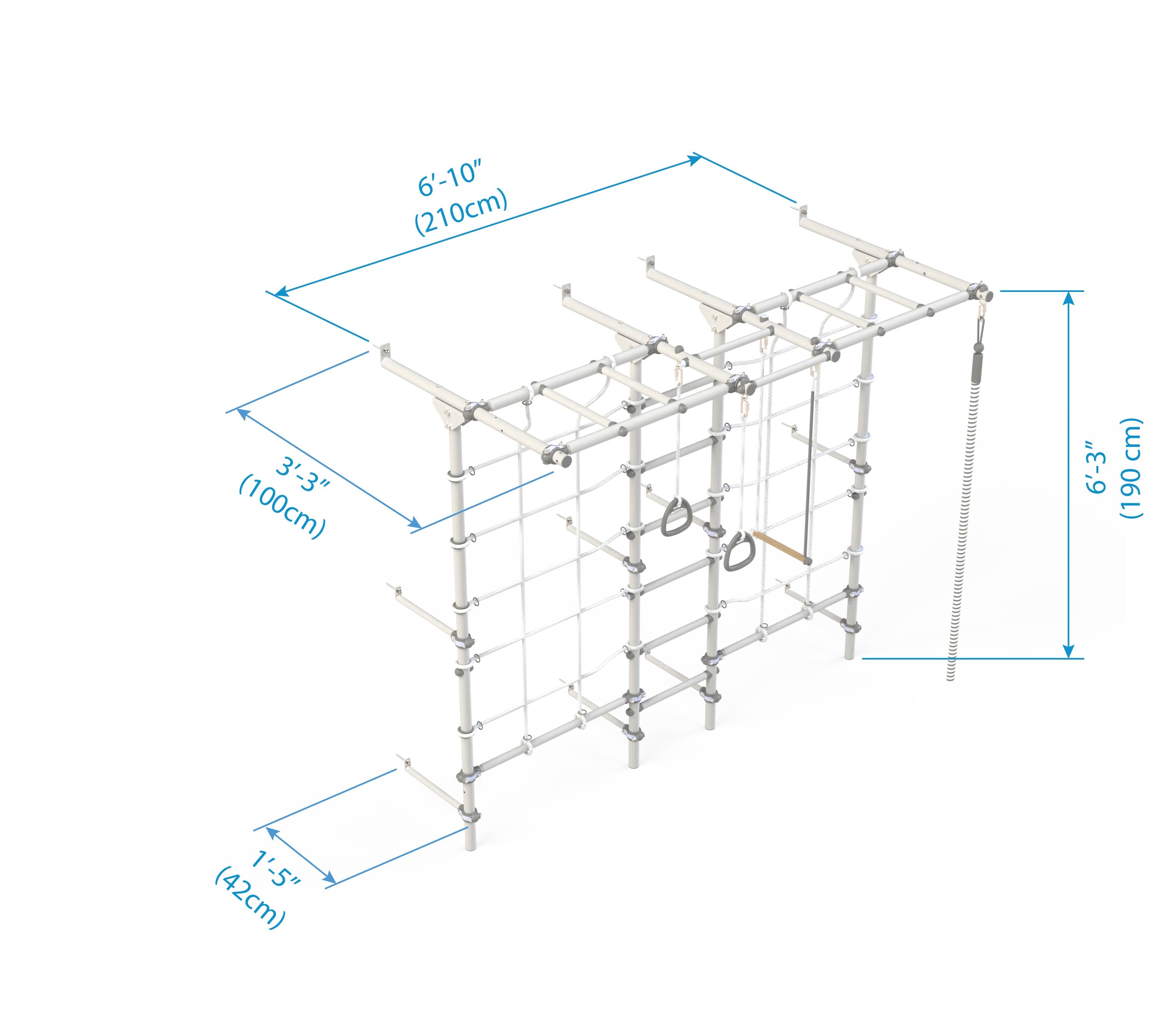
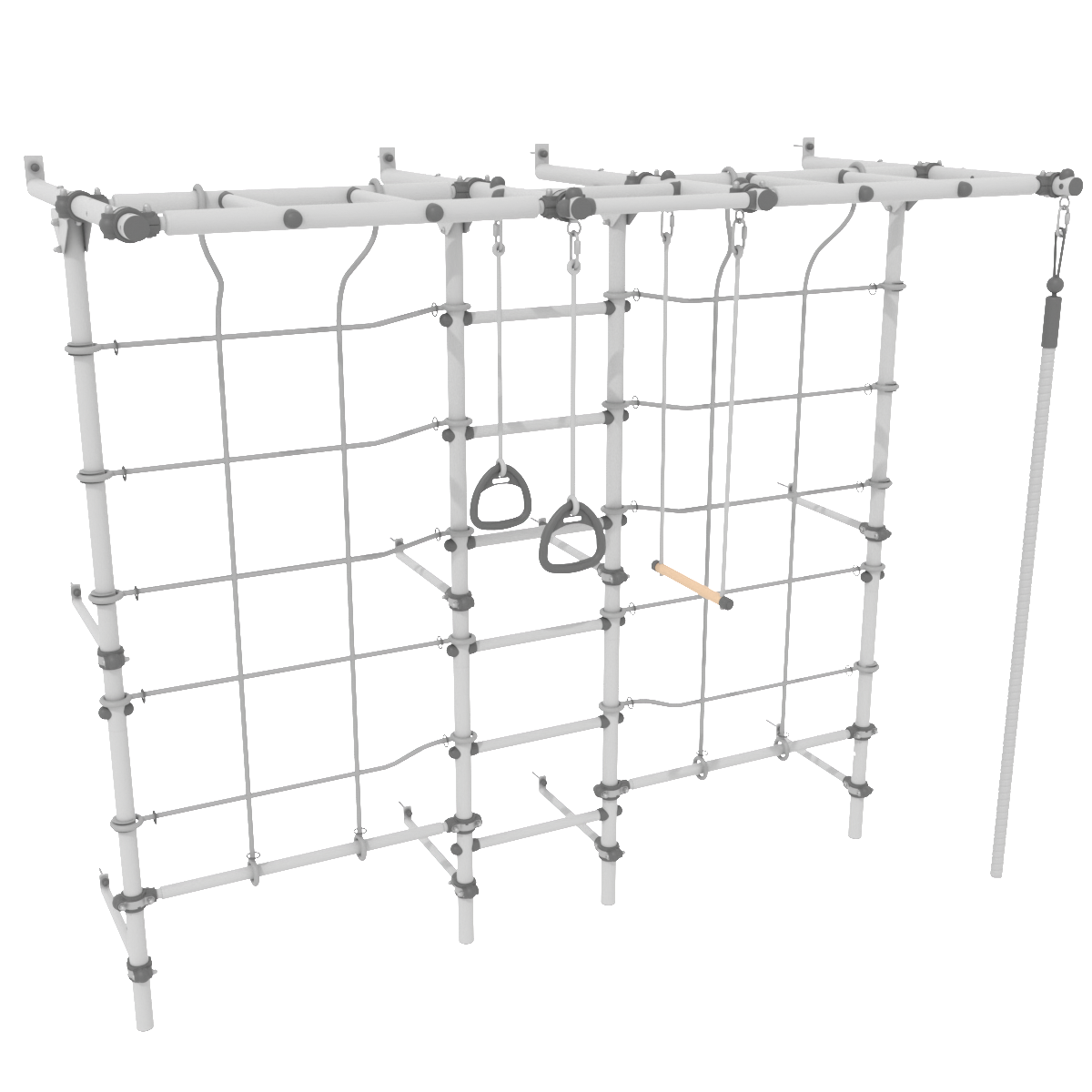
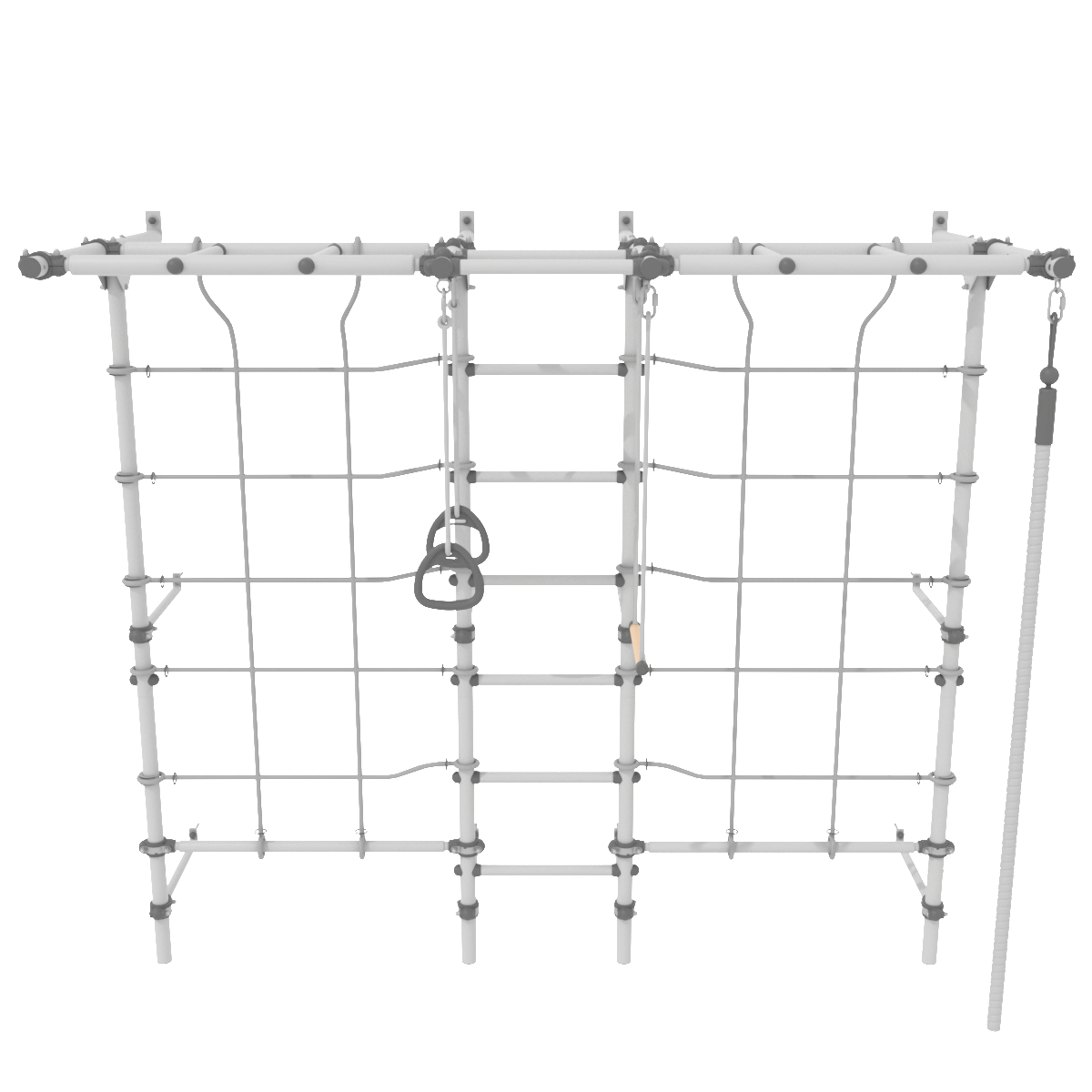
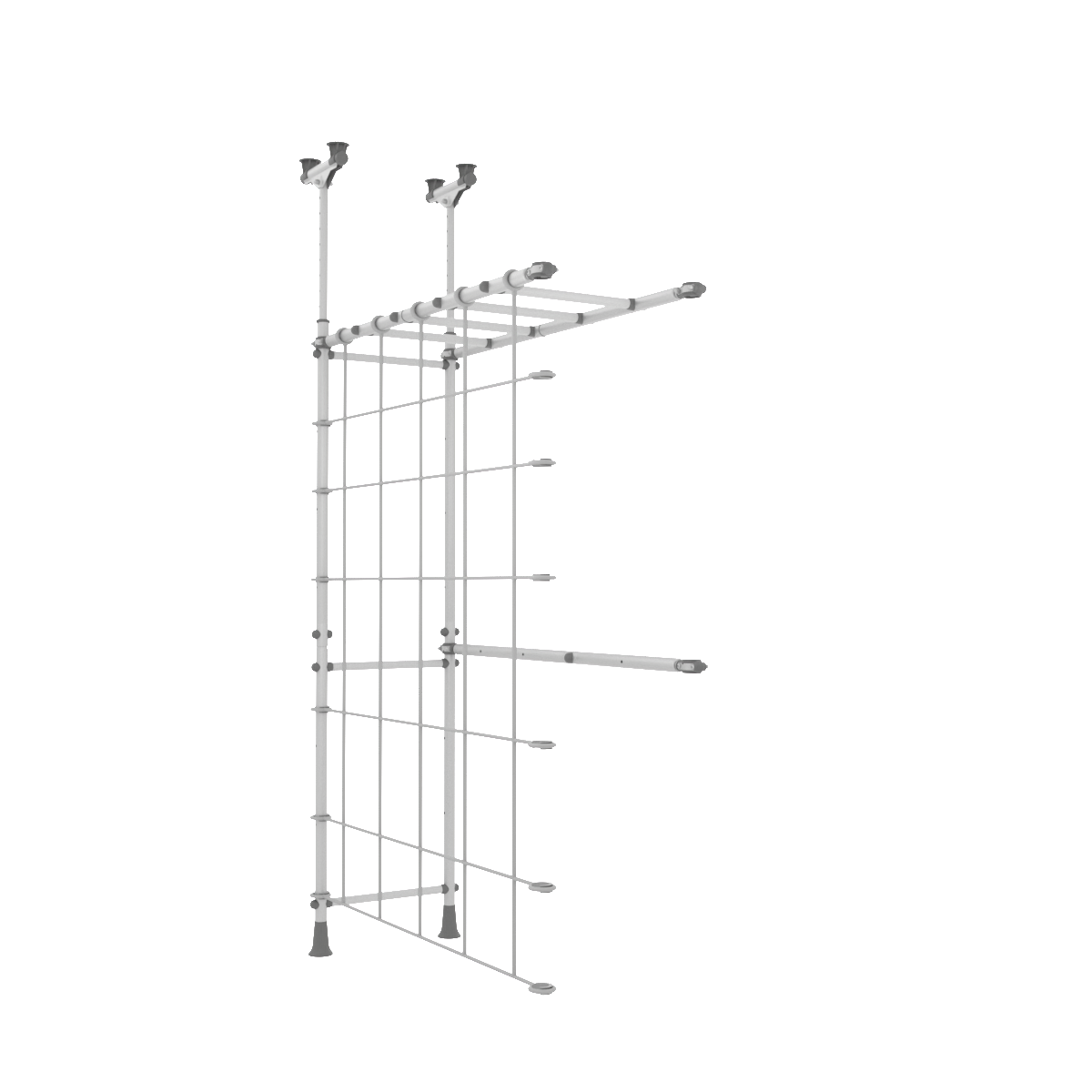
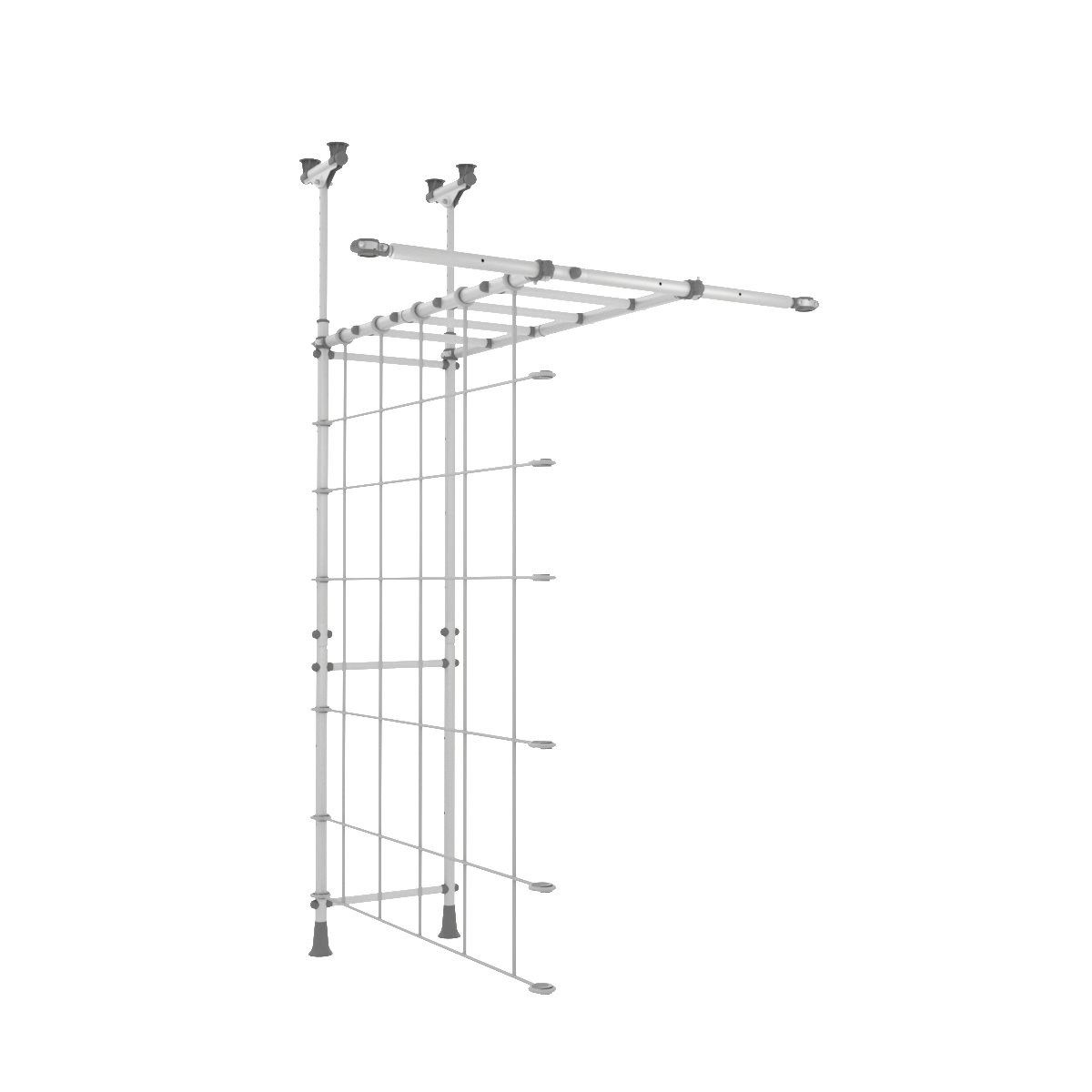
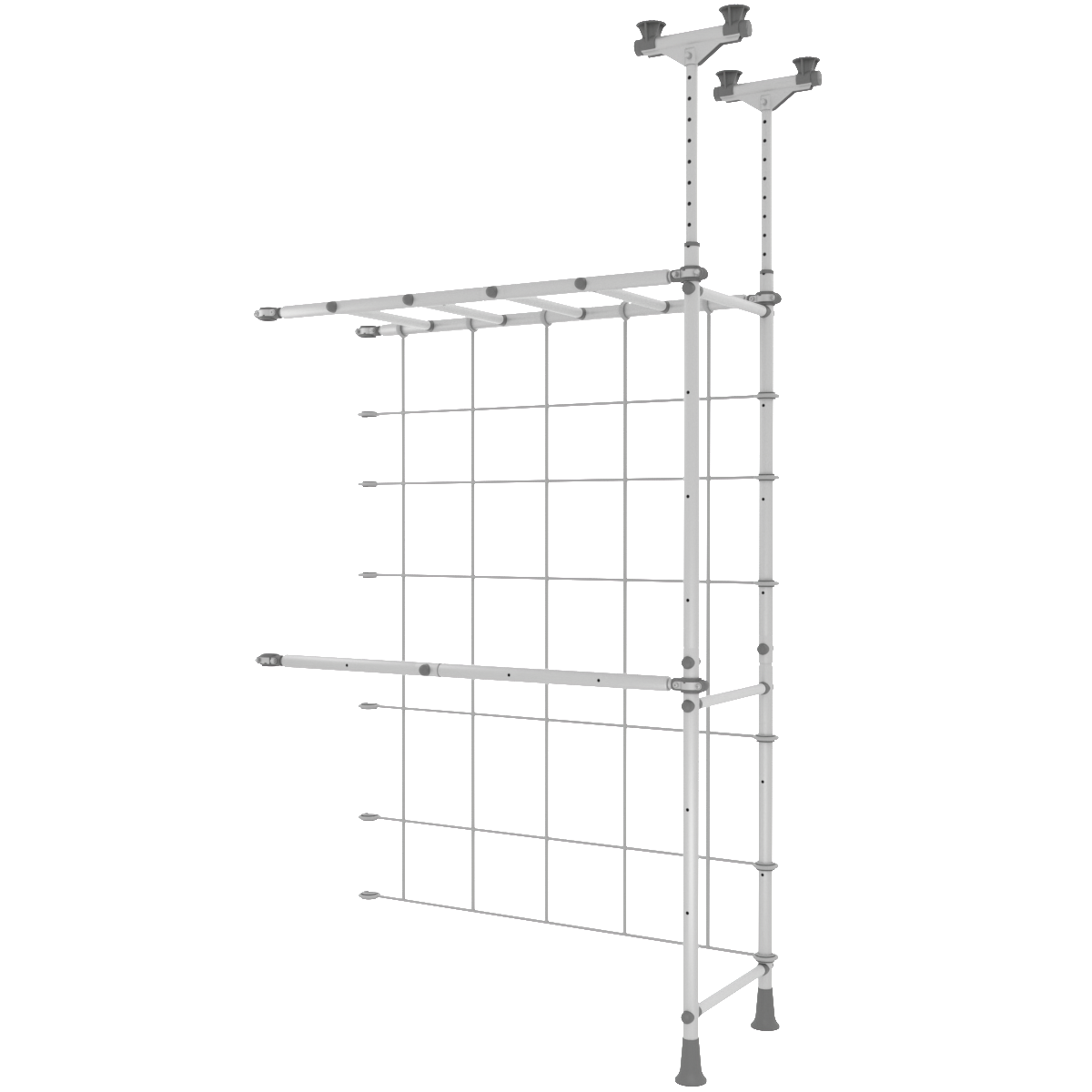
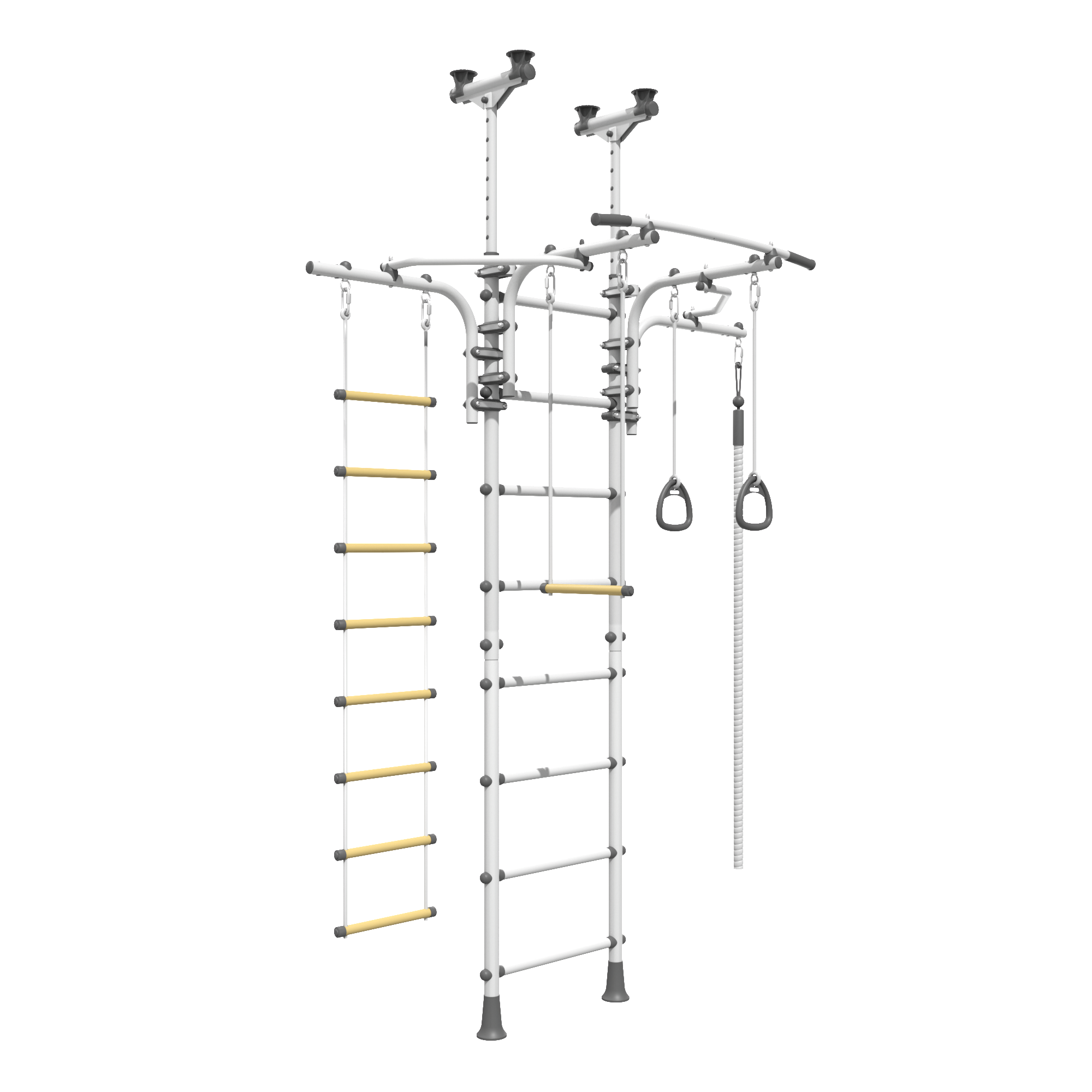
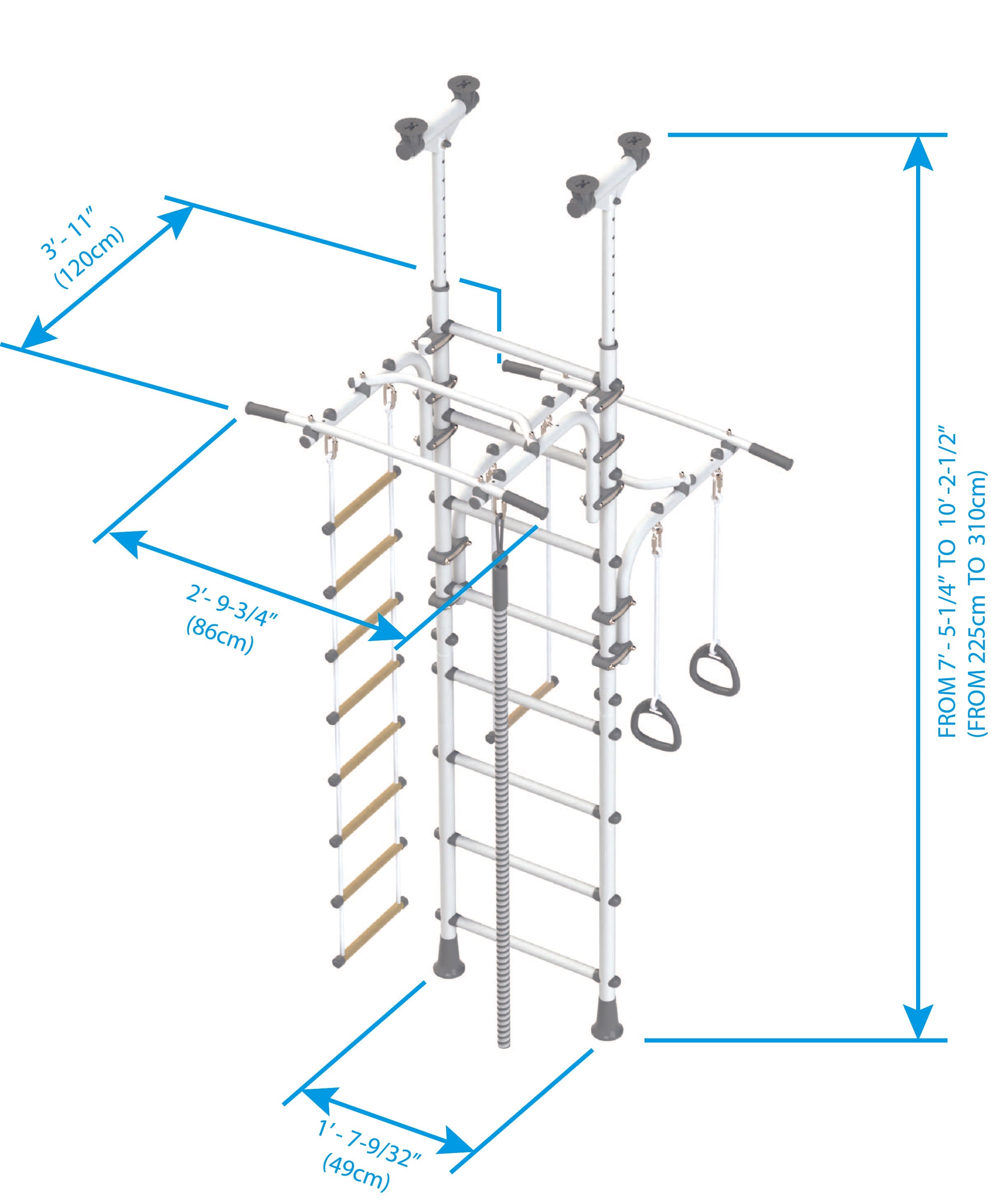
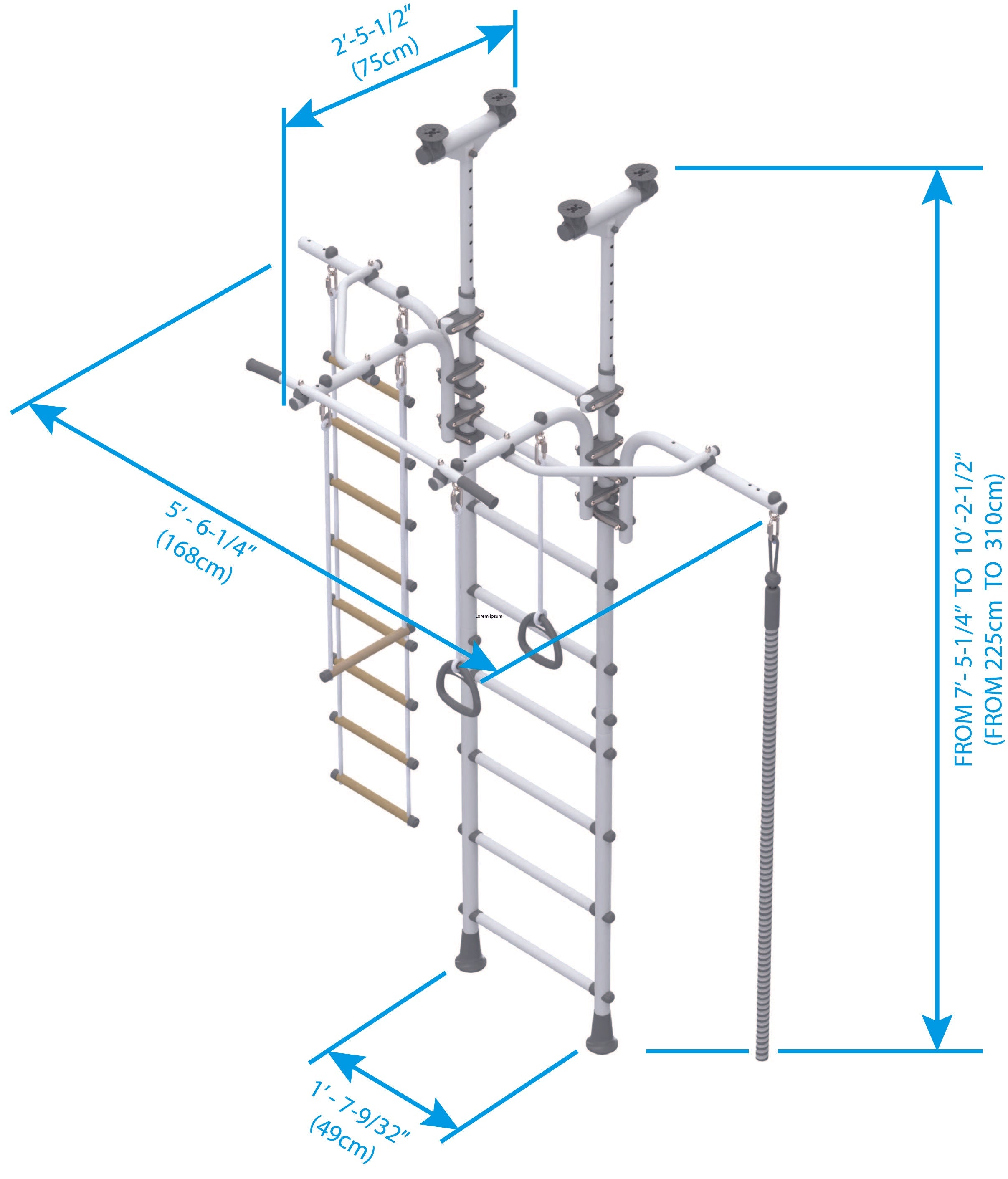
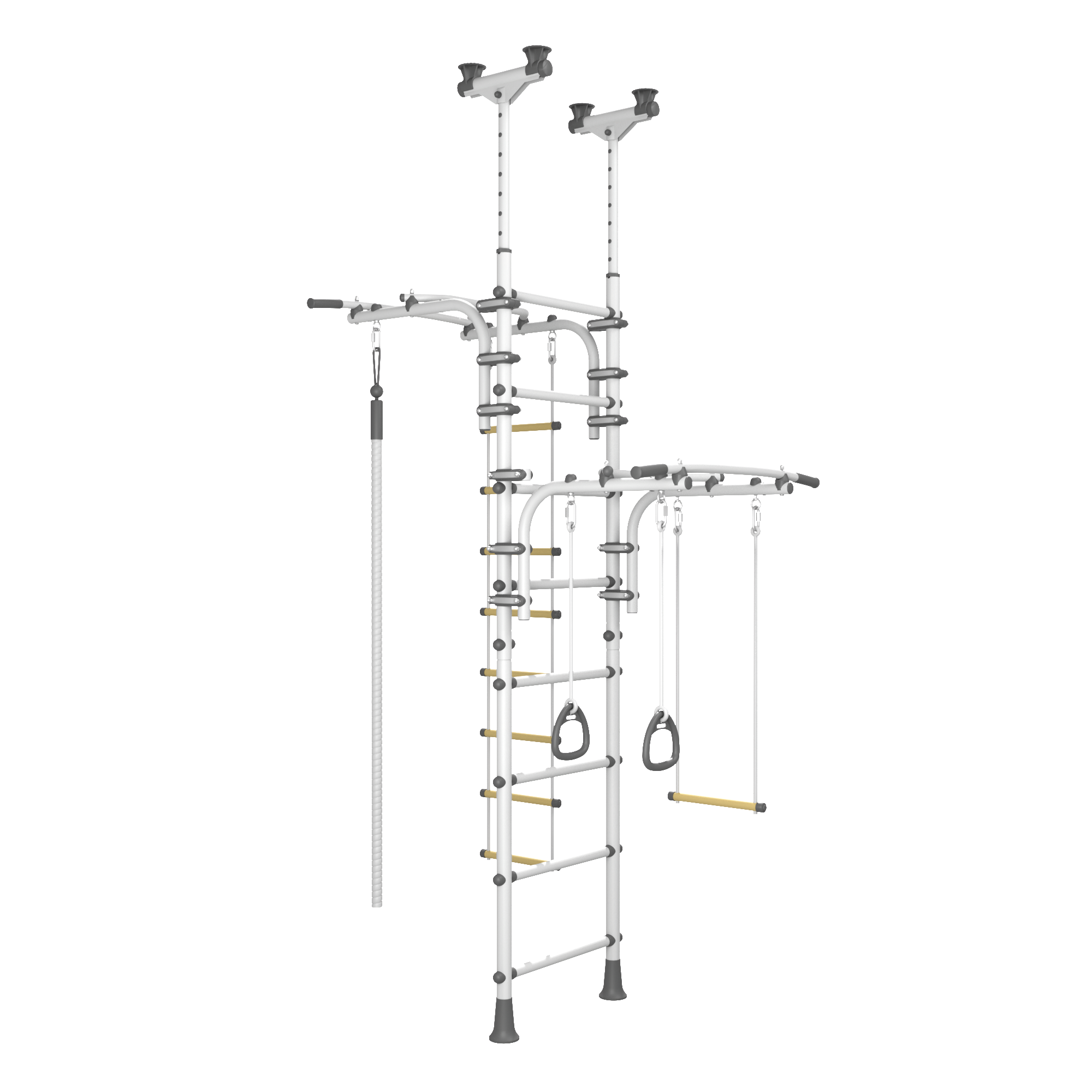
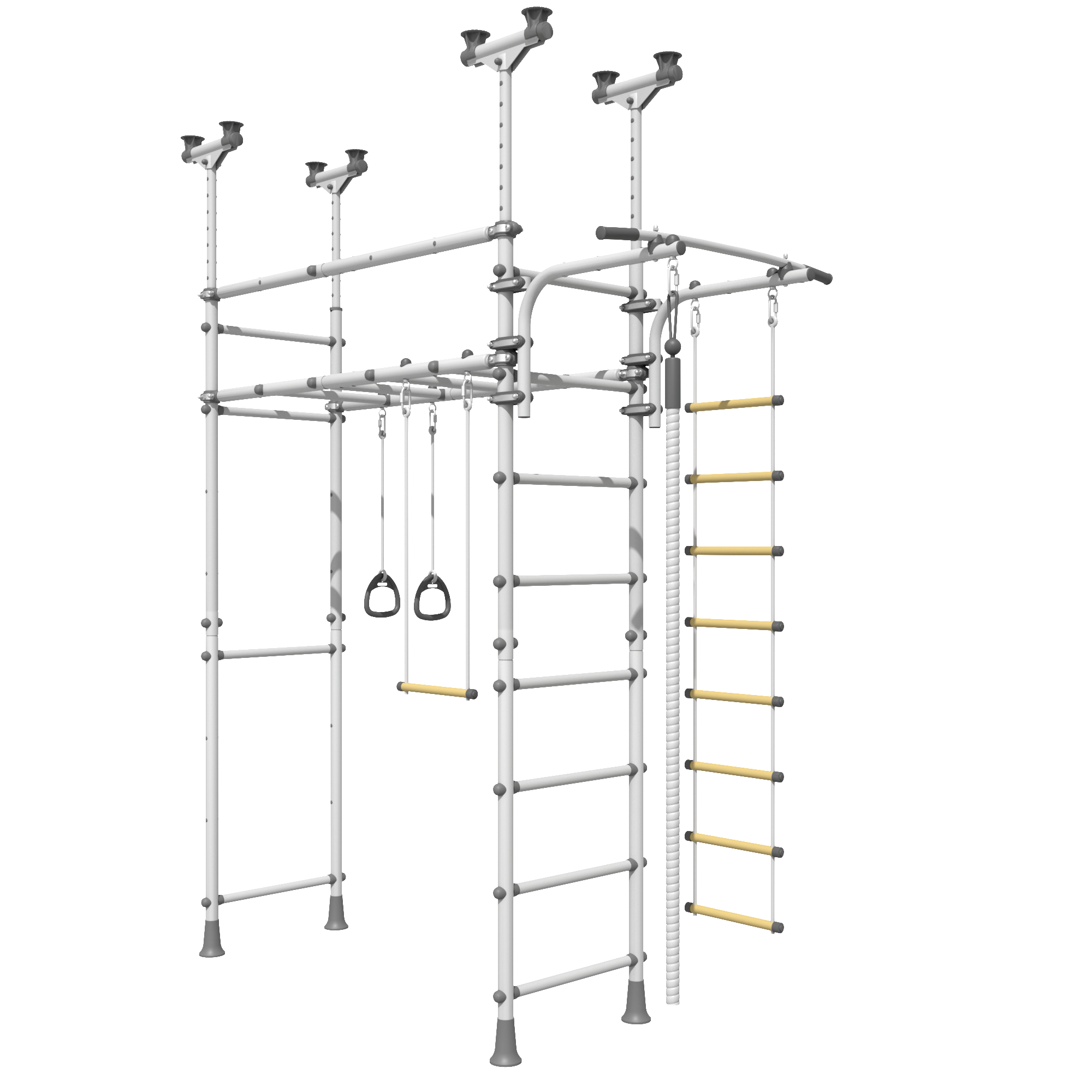
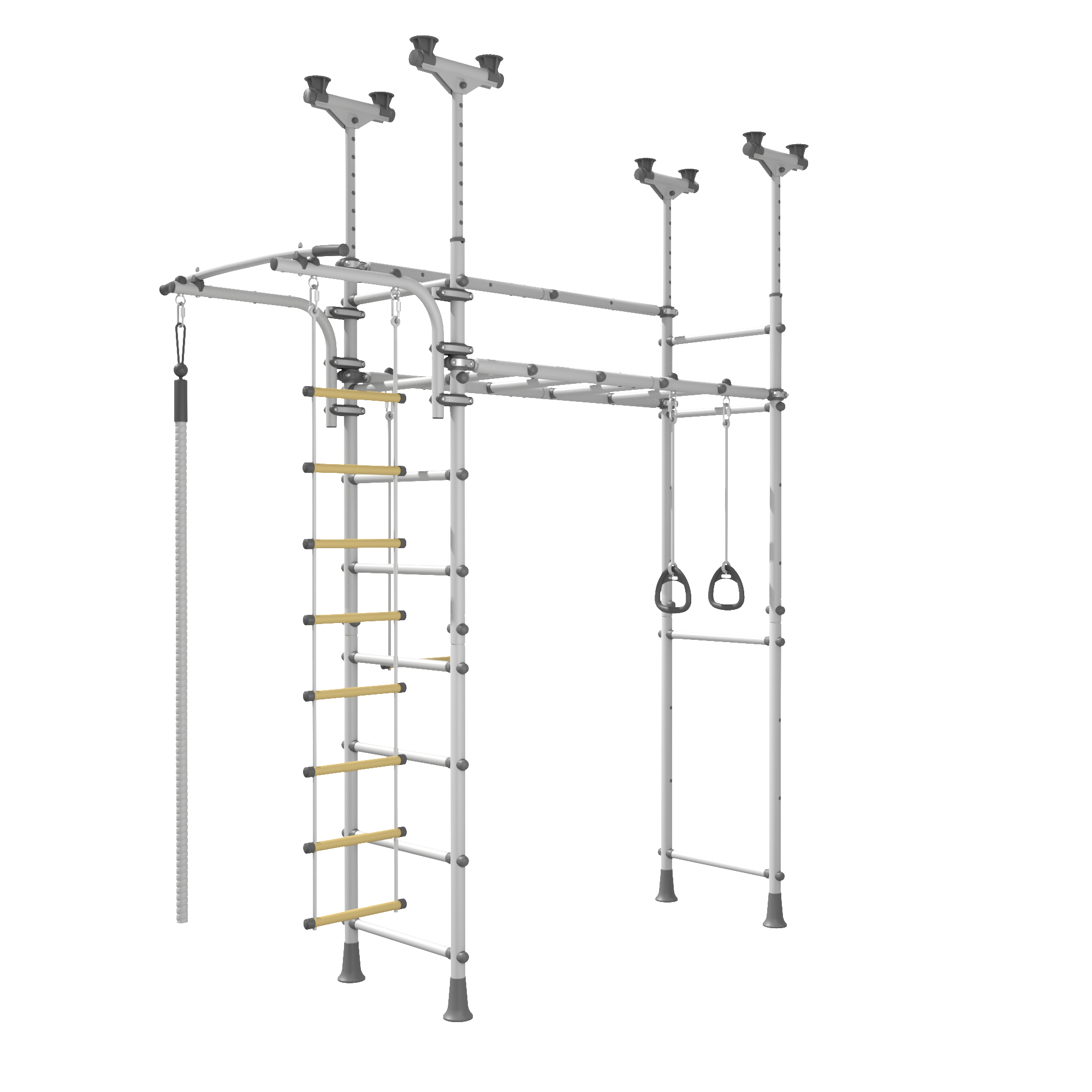
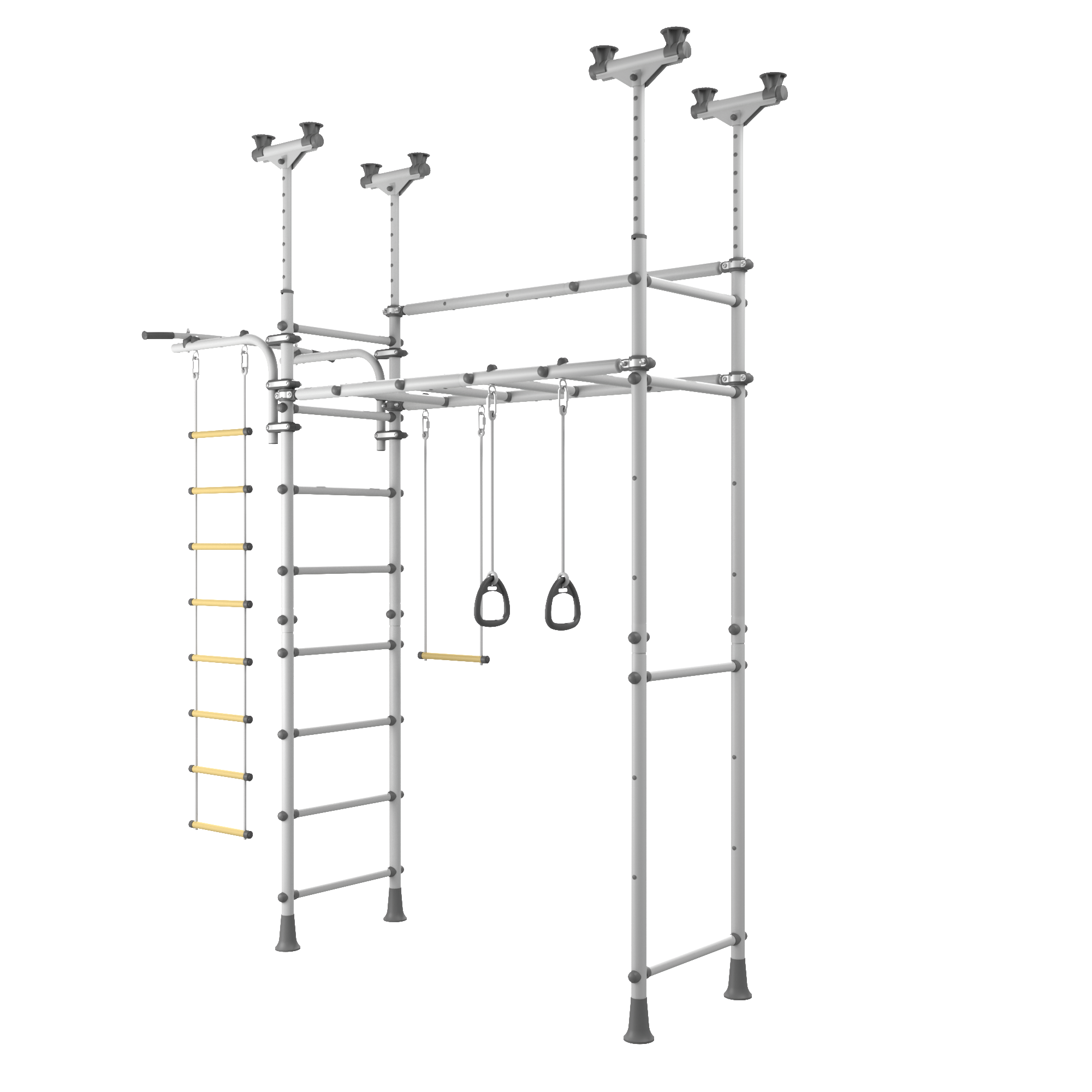
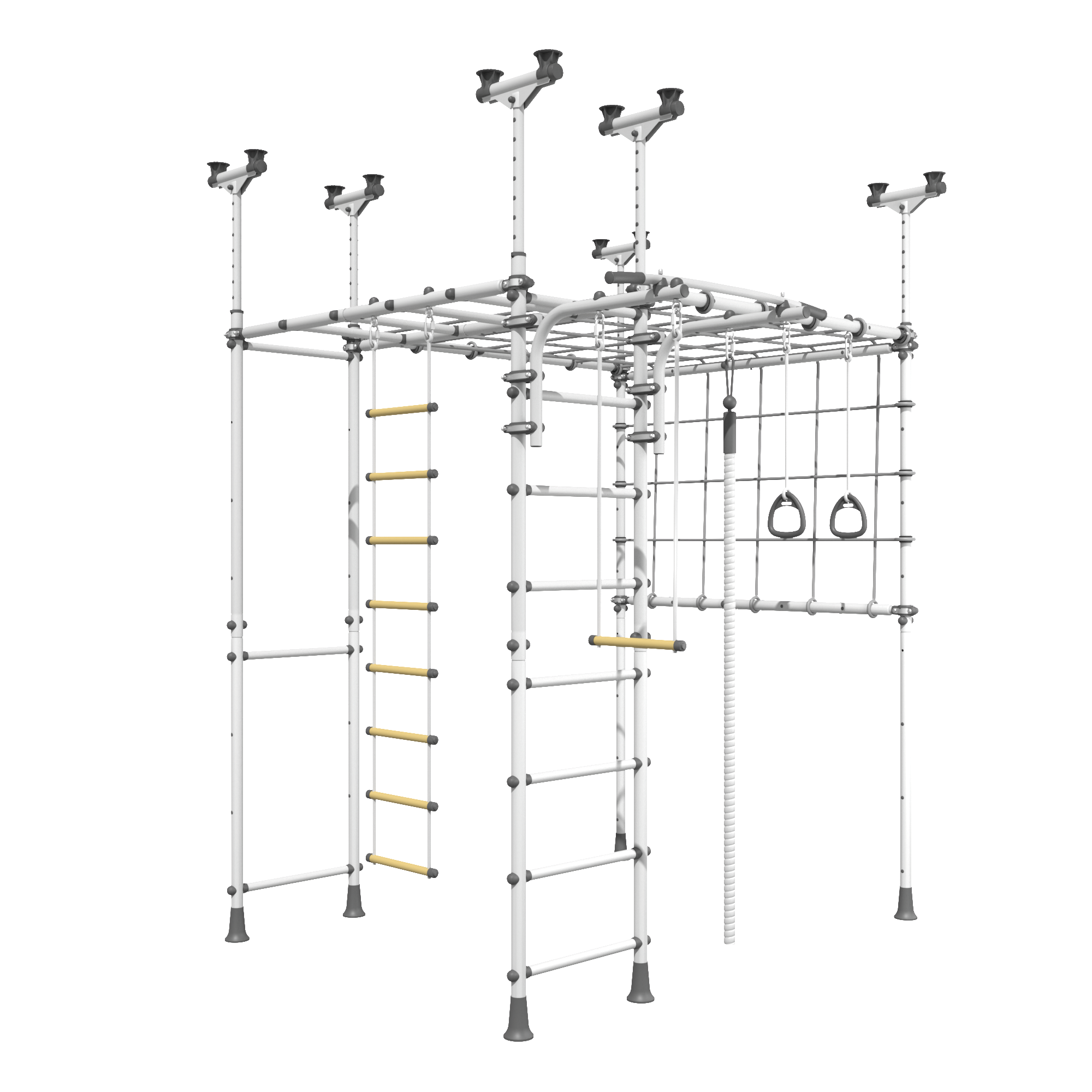
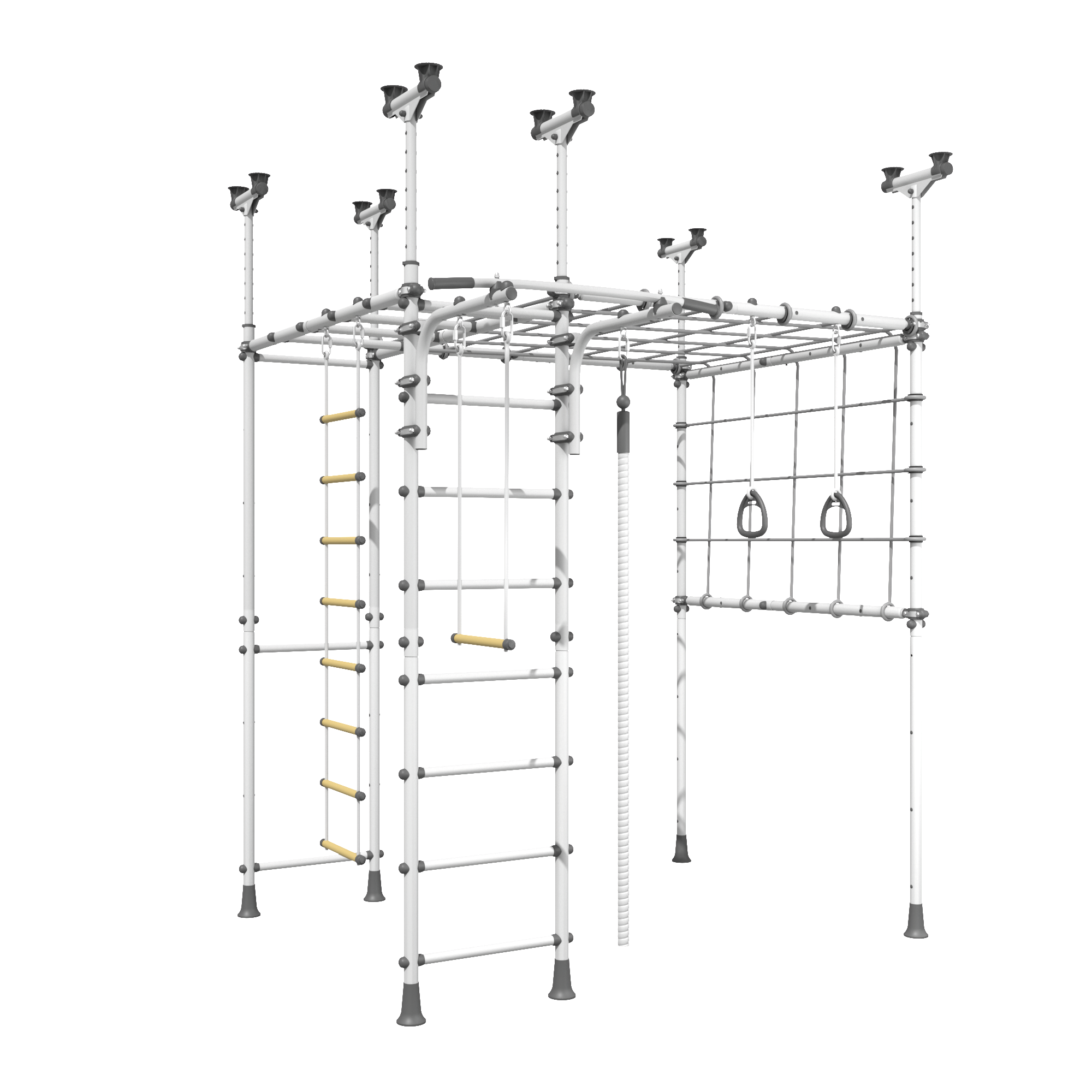
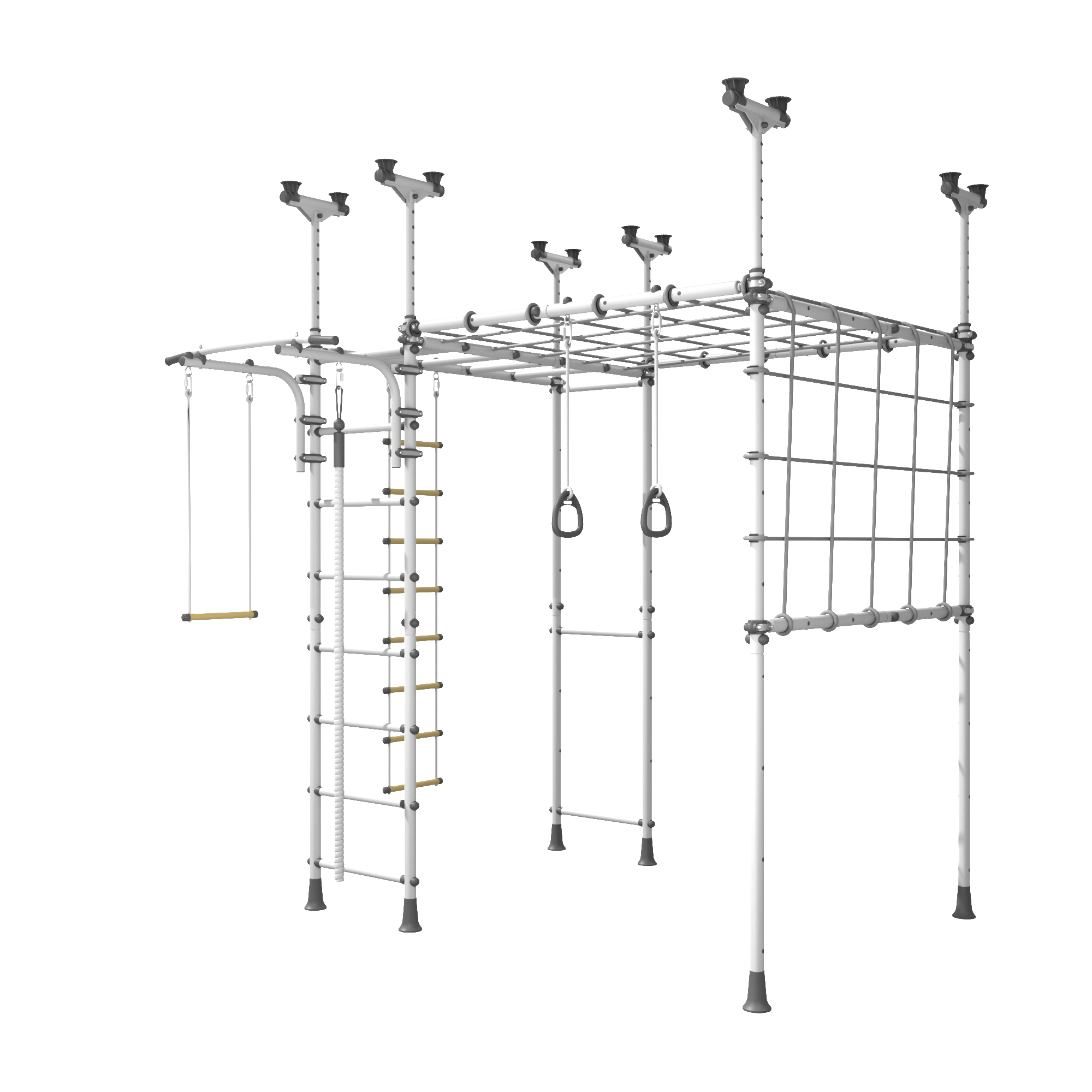
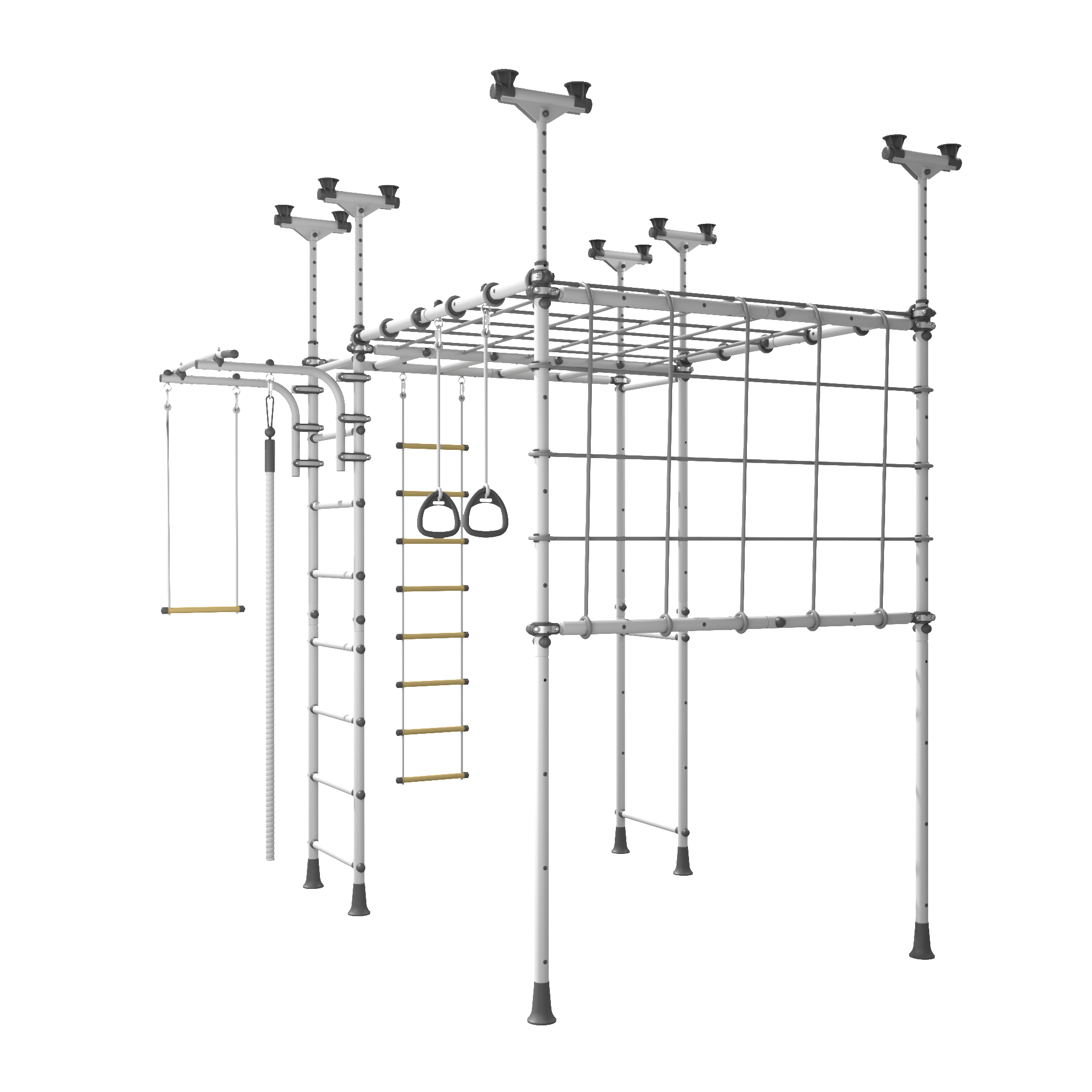
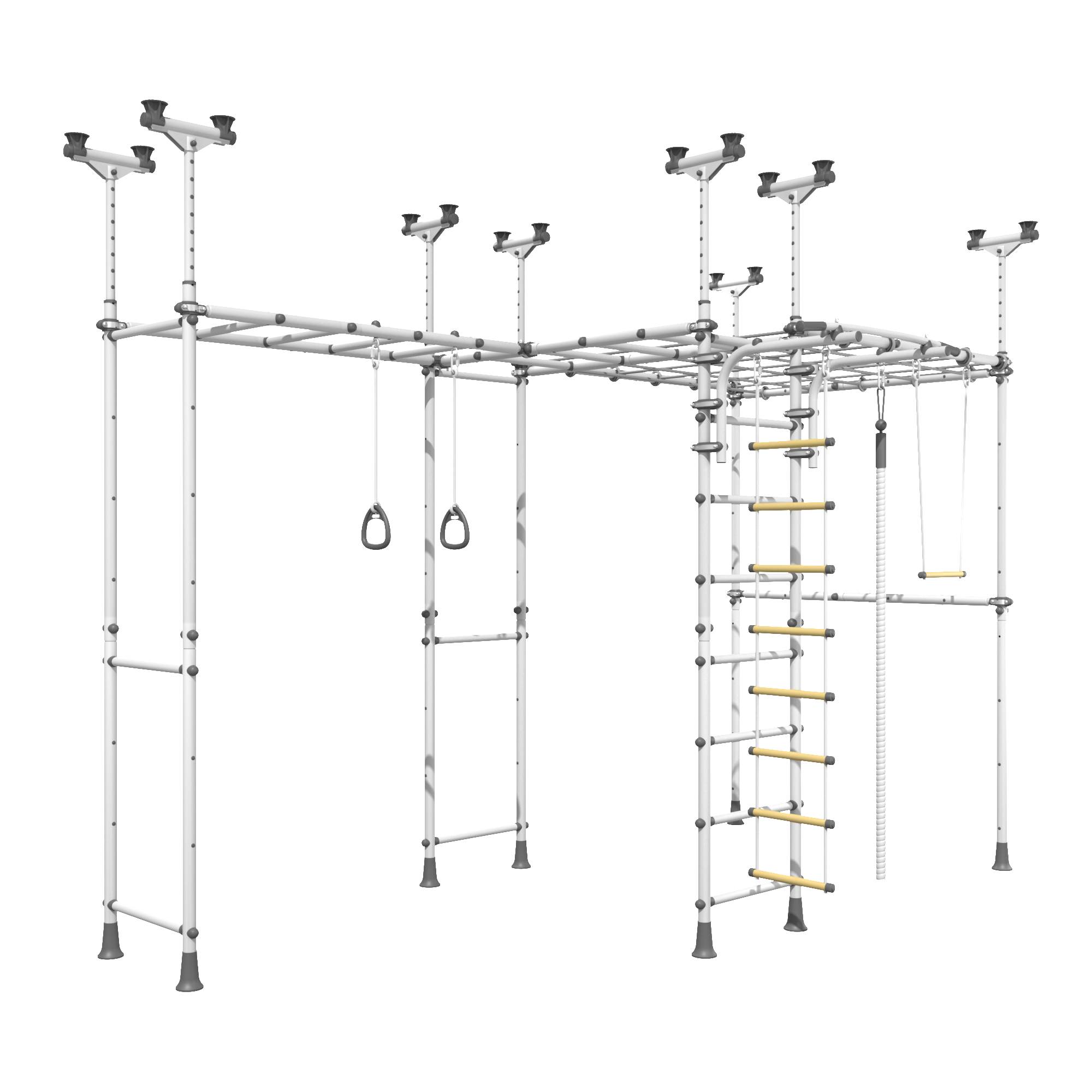
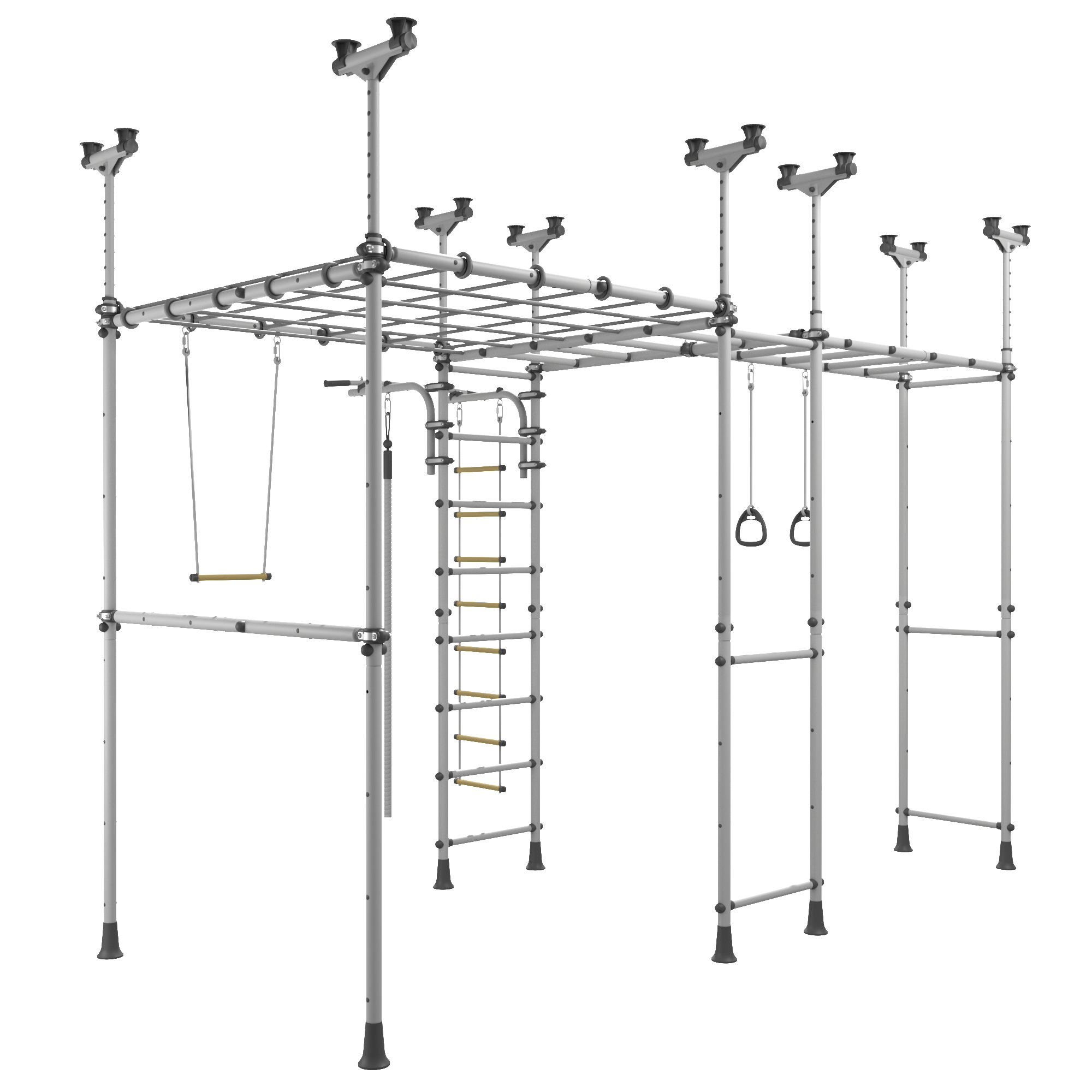
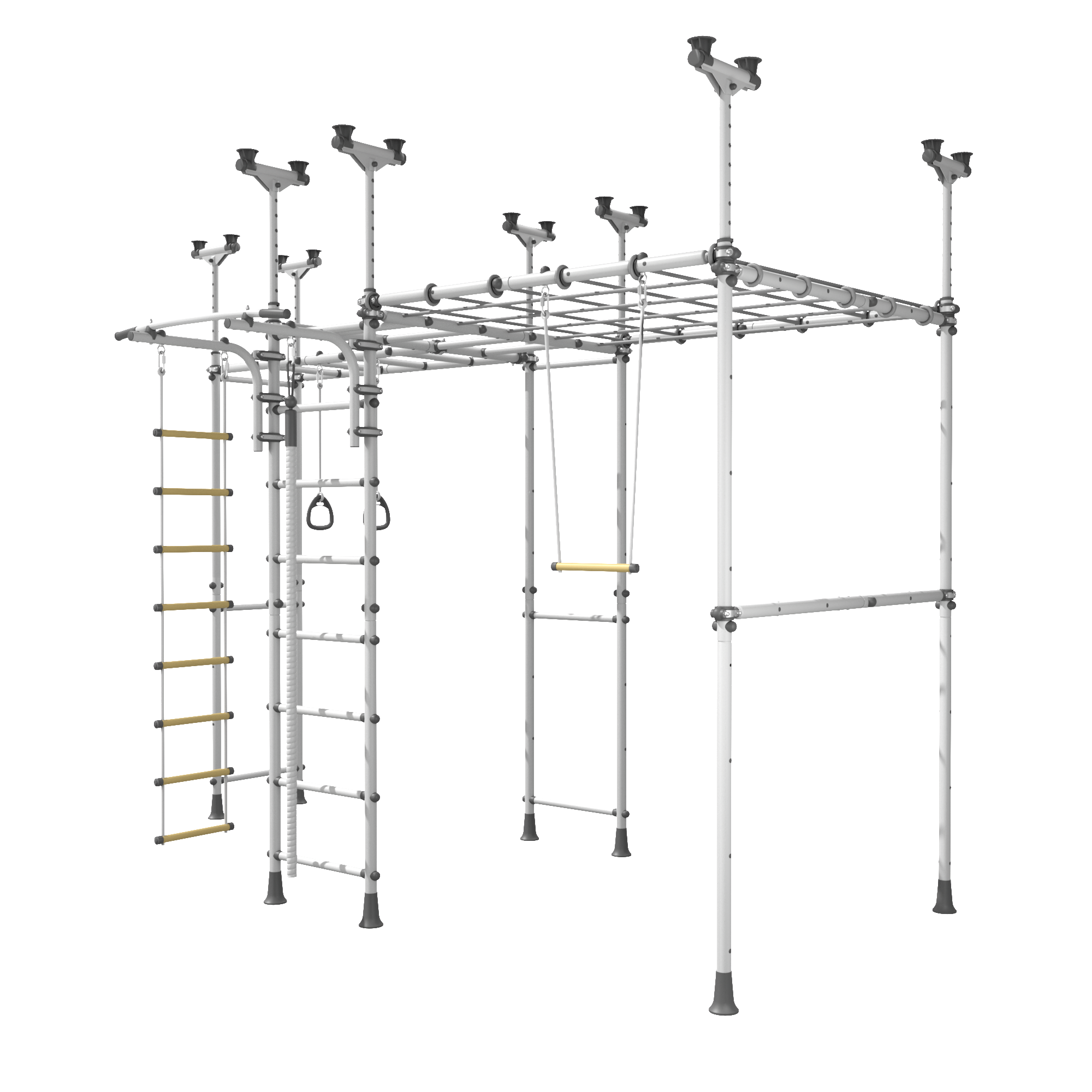
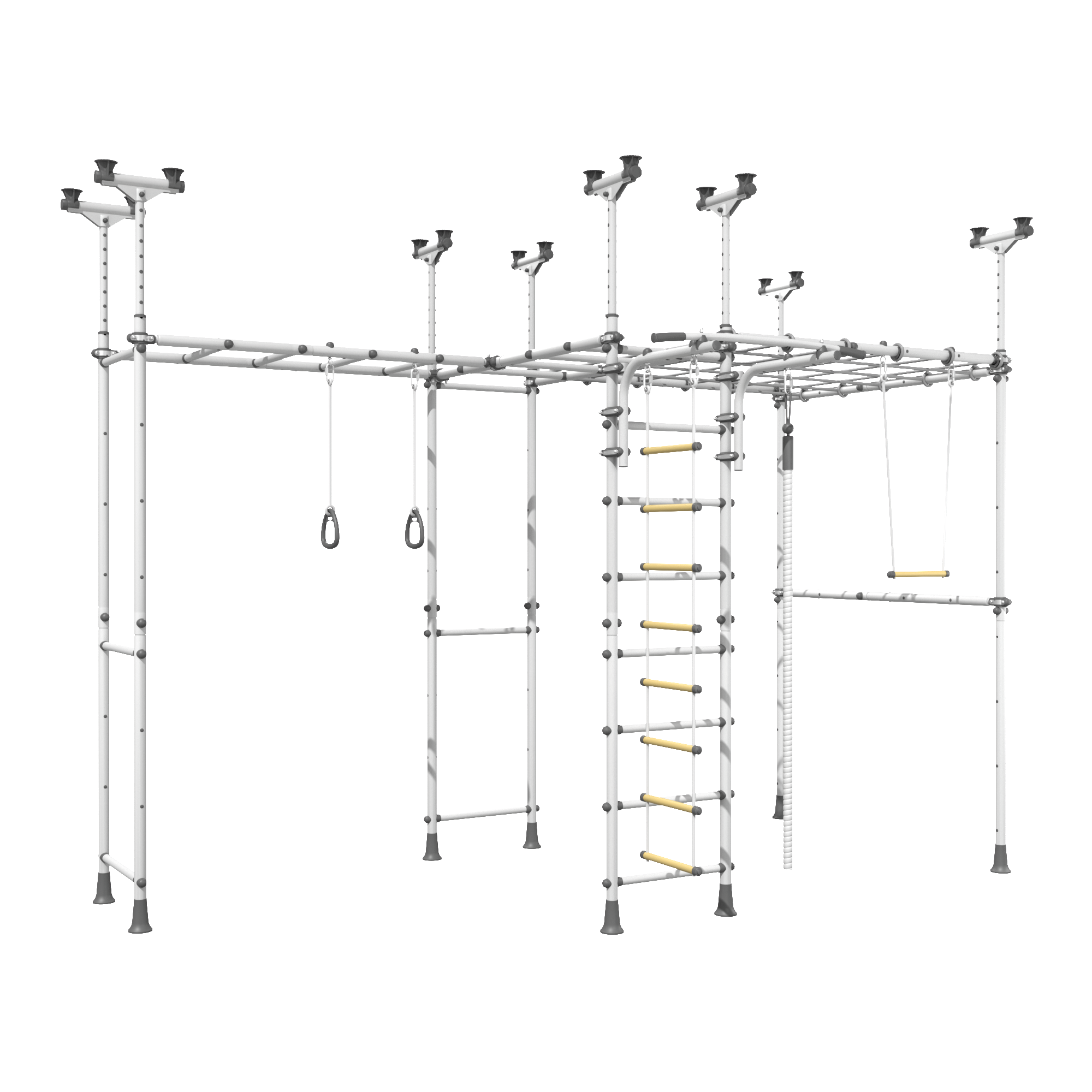
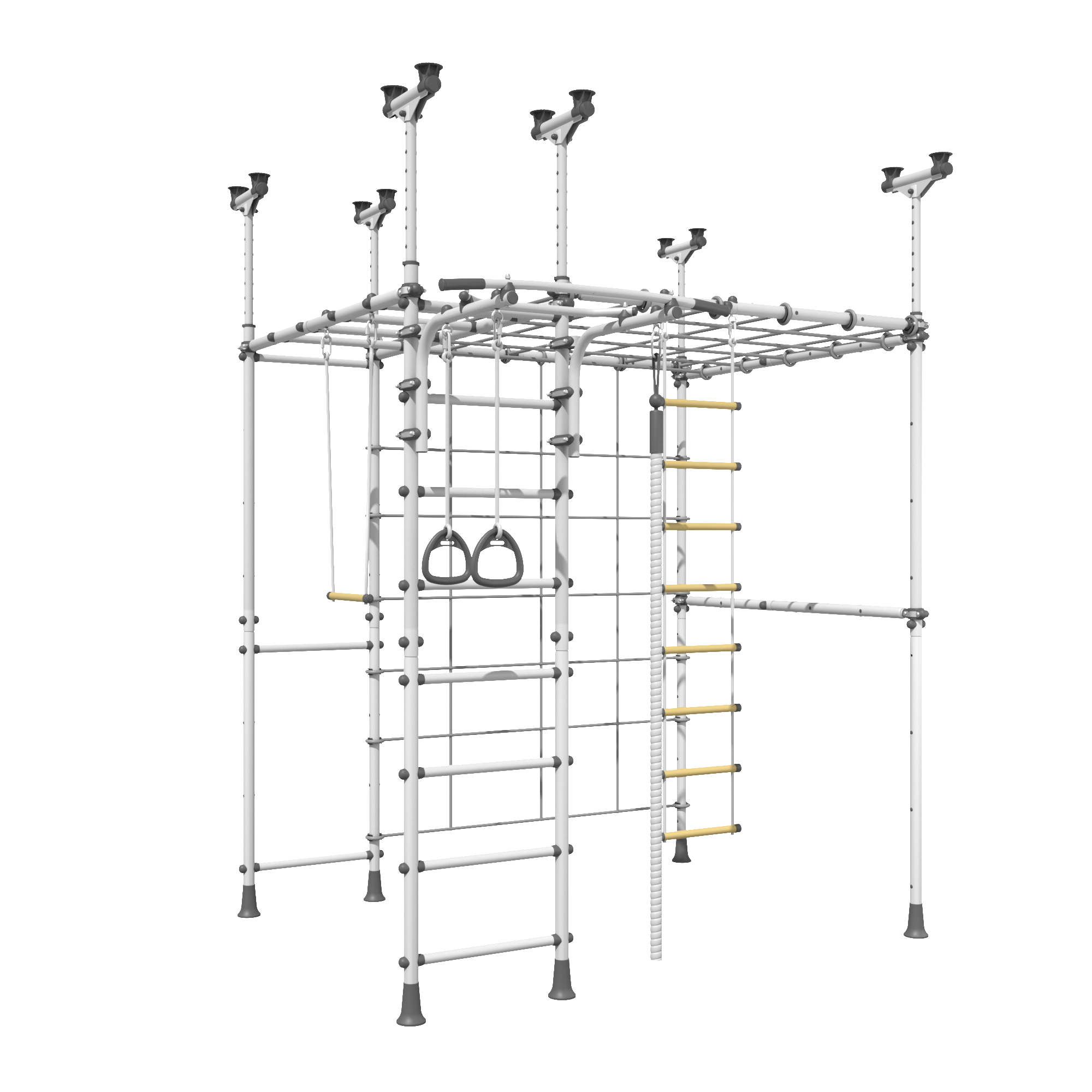
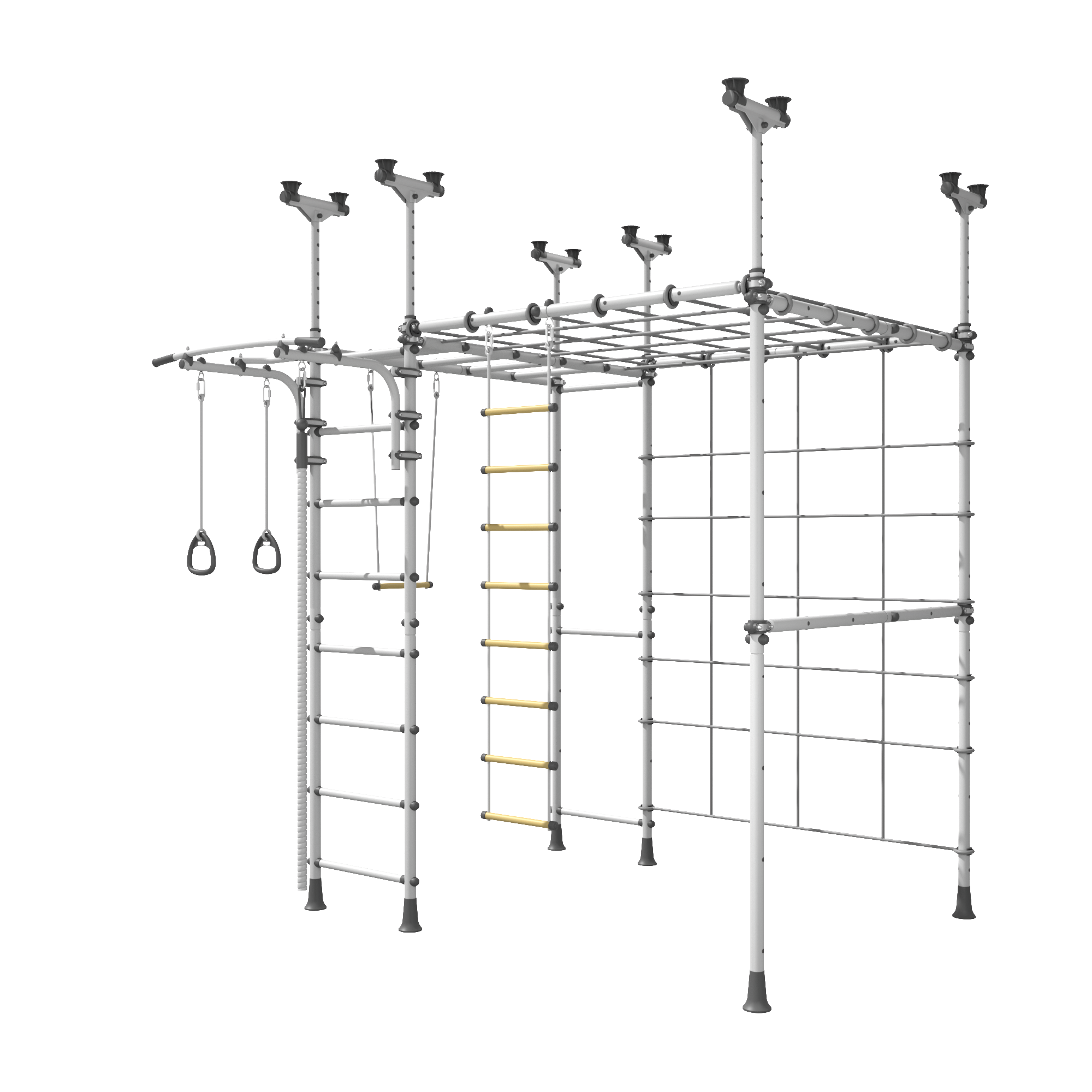
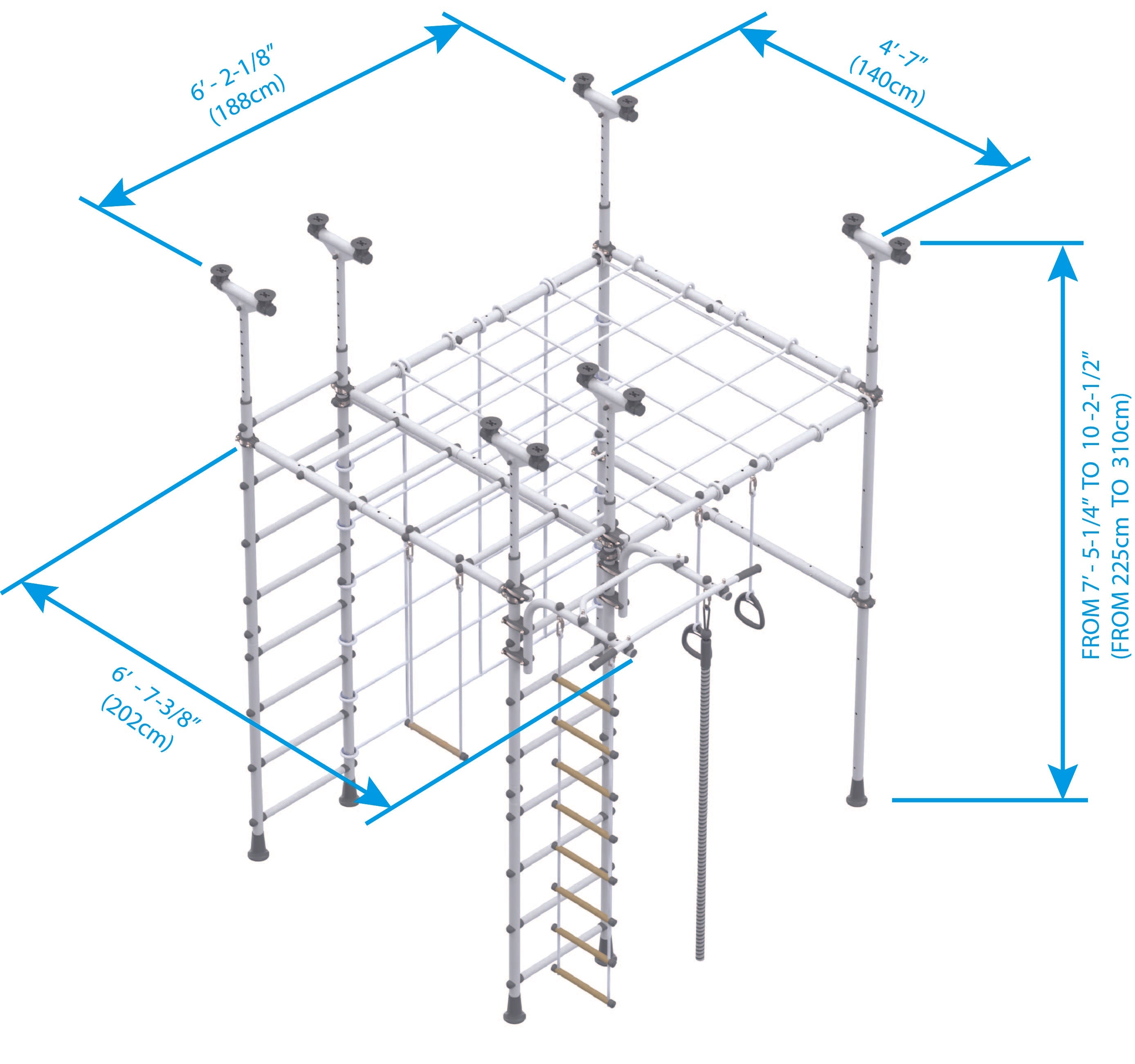
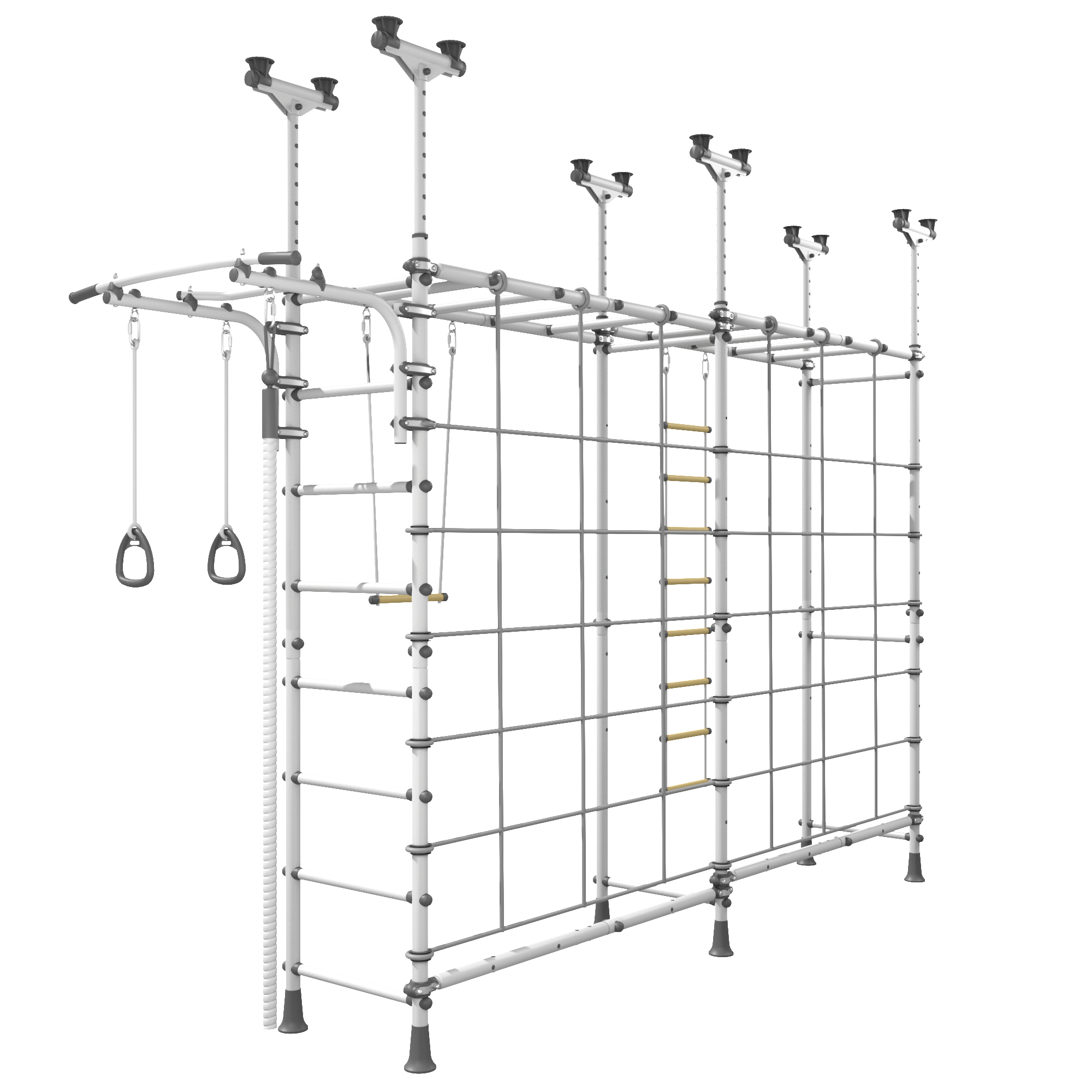
Not all climbing toys are built the same. Some are too small. Others are limited to one function or age group. Many are made from wood, which can be sturdy but isn’t always flexible for growing kids or shared spaces. At Brainrich Kids, we’ve designed an indoor climbing system that meets the real needs of families who support autistic kids. The structure is made from high-grade steel, not wood, and does not require drilling or permanent installation. It is adjustable, add-on friendly, and strong enough to hold multiple children at once. Key benefits of our climbing system:

  • Modular design that adapts as your child grows from toddler to teen
  • Safe for apartments and rental homes with no wall damage
  • Daily movement support including climbing, swinging, and hanging
  • Therapist-approved features that align with home sensory programs
  • Trusted by over 10,000 families for long-term, flexible indoor use

It also pairs well with other tools like swings and ladders. For more ways to support your child’s movement at home, check out the Five Benefits of Having Indoor Swings for Kids. What makes our system different is not just the quality. It’s the ability to meet your child’s needs at every stage. Whether they are building strength, seeking sensory input, or just needing a safe space to move, this setup supports them every step of the way.

Climbing Toys For Autism That Grow With Your Child

Autistic kids often go through phases of sensory, emotional, and physical development that don't follow a fixed timeline. What helps a toddler self-regulate might look different by age seven. By the time they’re entering their pre-teen years, they may need more challenge, more strength work, or a space to decompress that still supports movement. That’s why it matters to choose climbing toys that adapt with your child. Here’s what to look for in a long-term climbing setup:

  • Adjustable height and configuration to keep pace with growth
  • Modular add-ons that evolve with your child’s needs
  • Tools for both active play and calming input
  • Support for both solo and shared play

Open-ended climbing systems align with Montessori-inspired principles, where the child leads the activity and the environment is prepared to support independence. To understand how this connects to thoughtful toy selection, see What Are Montessori Toys. Some days, your child may climb to release energy. On other days, they may simply hang from a bar to calm down. A well-designed climbing system grows with your child and supports both physical development and emotional needs.

What Makes A Climbing Toy Safe And Supportive At Home

For autistic kids, climbing toys are more than just play equipment. They need to be safe, predictable, and designed to support both sensory and motor development. The right structure helps children feel secure while giving them the input their bodies crave.

What To Look For In A Supportive Climber

A strong setup should include:

  • Adjustable height and grip positions to match your child’s size and skill
  • Stable structure and soft mats to prevent injury
  • Varied movement options such as bars, ladders, or hanging tools
  • Modular parts that can be expanded or reconfigured as your child grows

Some climbing toys are limited in function or size. Others are made from materials that wear down quickly or can’t be adapted over time. For autistic kids who rely on repetition, predictability, and regulation, having a reliable structure matters.

How It Supports Development

According to a 2025 review published in Brain Sciences, consistent physical movement like climbing and balancing supports executive functioning, emotional control, and attention in children. These gains are especially valuable for autistic kids, who often need more support in these areas to thrive at home and during transitions.

A Note On Safety

Climbing play should always be supervised, especially during the first few uses. Let your child explore the structure slowly. Some may begin by observing, then move to hanging or climbing just a little at a time. Give them space to learn at their own pace. A well-designed climbing toy from Brainrich Kidsencourages independence and builds trust. When it fits your child’s sensory and developmental needs, it becomes more than a toy. It becomes a safe place to grow.

Making Space For Sensory Play Indoors All Year

For many families, weather limits how often kids can safely and comfortably play outside. Cold winters, hot summers, and unpredictable storms make outdoor play inconsistent. This is especially challenging for autistic kids who rely on routine and structure throughout the day. Indoor movement tools help fill that gap. A climbing system inside the home provides full-body activity, sensory input, and a place to reset without depending on outdoor conditions. This becomes even more valuable for homeschooled children who may not have daily access to gyms or therapy spaces.

A 2017 study published in Early Childhood Education Journal found that children in well-prepared indoor play environments showed increased attention, self-reliance, and engagement compared to those in unstructured outdoor spaces. These findings support the idea that structured indoor movement helps with focus and daily function, especially for kids with sensory needs.

Even small homes can support indoor sensory play. Use soft mats, compact modular systems, and climbing tools that adjust as your child grows. For younger kids, pairing climbing with simple sensory tasks like scooping, stacking, or balancing expands the benefit. For more ideas, visit Sensory Play for Toddlers. Indoor sensory spaces are more than a convenience. They provide the consistency that autistic kids need, all year long.

Support Your Child’s Growth With Movement That Matters

Whether you're creating a sensory-friendly space for your autistic child or looking for a reliable way to keep movement part of daily routines, the right climbing system can make a lasting impact. Brainrich Kids offers indoor climbing structures made from high-grade steel, designed to grow with your child. Our systems are:

  • Built for daily, full-body use
  • Approved by occupational and physical therapists
  • Adjustable from toddler years through adolescence
  • Safe for homes and apartments without permanent installation
  • Trusted by more than 10,000 families

Climbing supports brain development, emotional regulation, and confidence. When that movement happens in a safe, consistent space indoors, it becomes a powerful part of your child’s day. Explore the full collection of indoor movement tools trusted by families, therapists, and educators. Give your child the space to move, grow, and thrive.


Read Also:


Sources:

  1. Guzmán-Muñoz, E., Concha-Cisternas, Y., Jofré-Saldía, E., Castillo-Paredes, A., Molina-Márquez, I., & Yáñez-Sepúlveda, R. (2025). Physical Activity and Its Effects on Executive Functions and Brain Outcomes in Children: A Narrative Review. Brain Sciences, 15(11), 1238. https://doi.org/10.3390/brainsci15111238
  2. Gerde, H. K., Schachter, R. E., & Wasik, B. A. (2017). Using the physical environment to support children’s development: Findings from an exploratory study in early childhood settings. Early Childhood Education Journal, 45(3), 321–330. https://files.eric.ed.gov/fulltext/EJ1137721.pdf
  3. ‌Mao, F., Huang, F., Zhao, S., & Fang, Q. (2024). Effects of cognitively engaging physical activity interventions on executive function in children and adolescents: a systematic review and meta-analysis. Frontiers in Psychology, 15. https://doi.org/10.3389/fpsyg.2024.1454447

Frequently Asked Questions

Many autistic kids benefit from climbing toys as early as 18 months. The key is supervision and choosing features that match their motor and sensory needs.

Yes, when they are low to the ground, made from stable materials, and used under supervision. Modular designs let parents adjust features as toddlers grow.

Yes. Movement helps regulate the nervous system. Climbing before bedtime (when done calmly) may support better transitions and more restful sleep.

Avoid rough textures, sharp edges, or overly complex setups. Choose simple, stable structures that offer control, predictability, and comfort.

Indirectly, yes. Movement supports brain development, which can benefit communication. Climbing also builds confidence, which supports interaction.

Absolutely. Many therapists recommend them as part of sensory diets. Always follow the guidance of your child’s occupational or physical therapist.