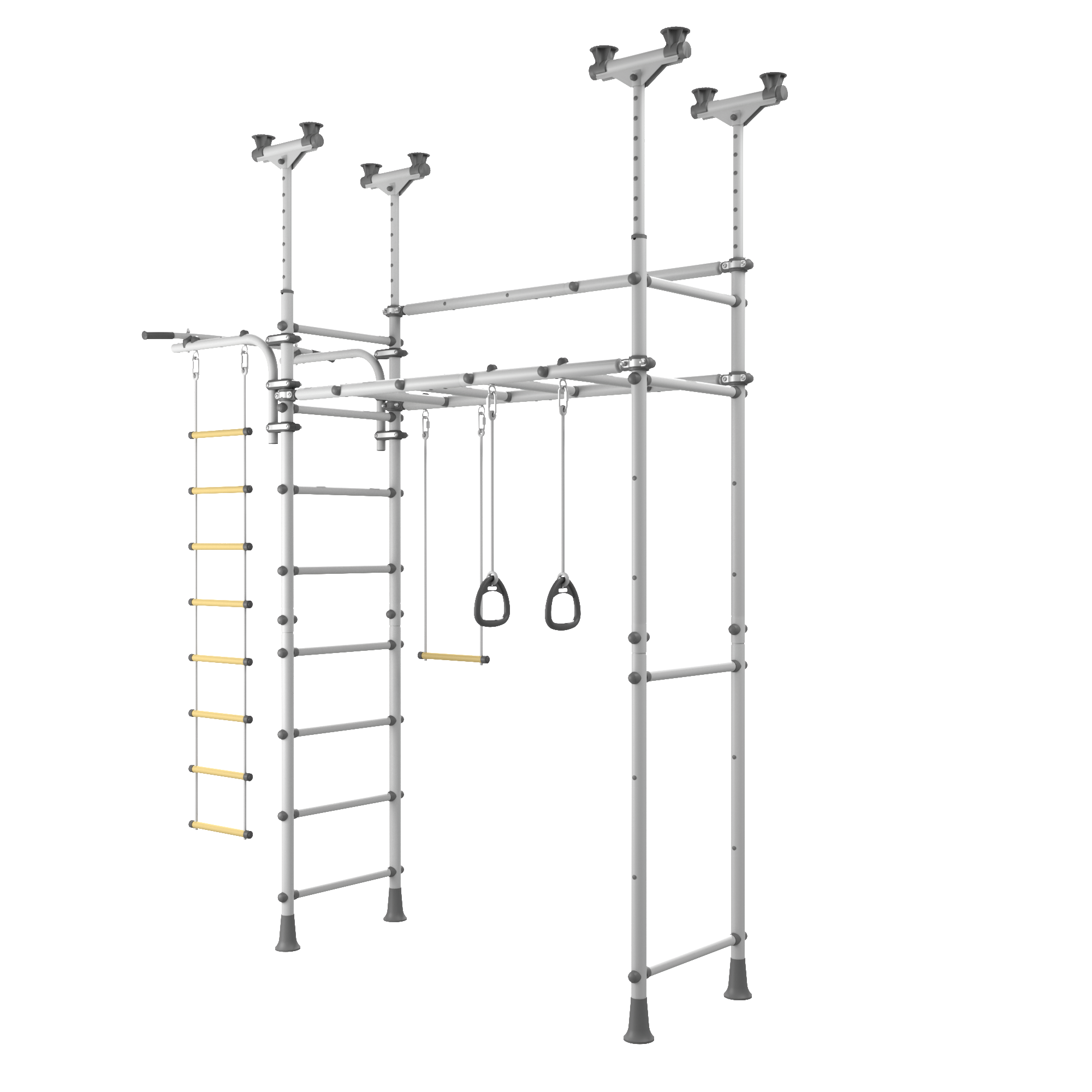
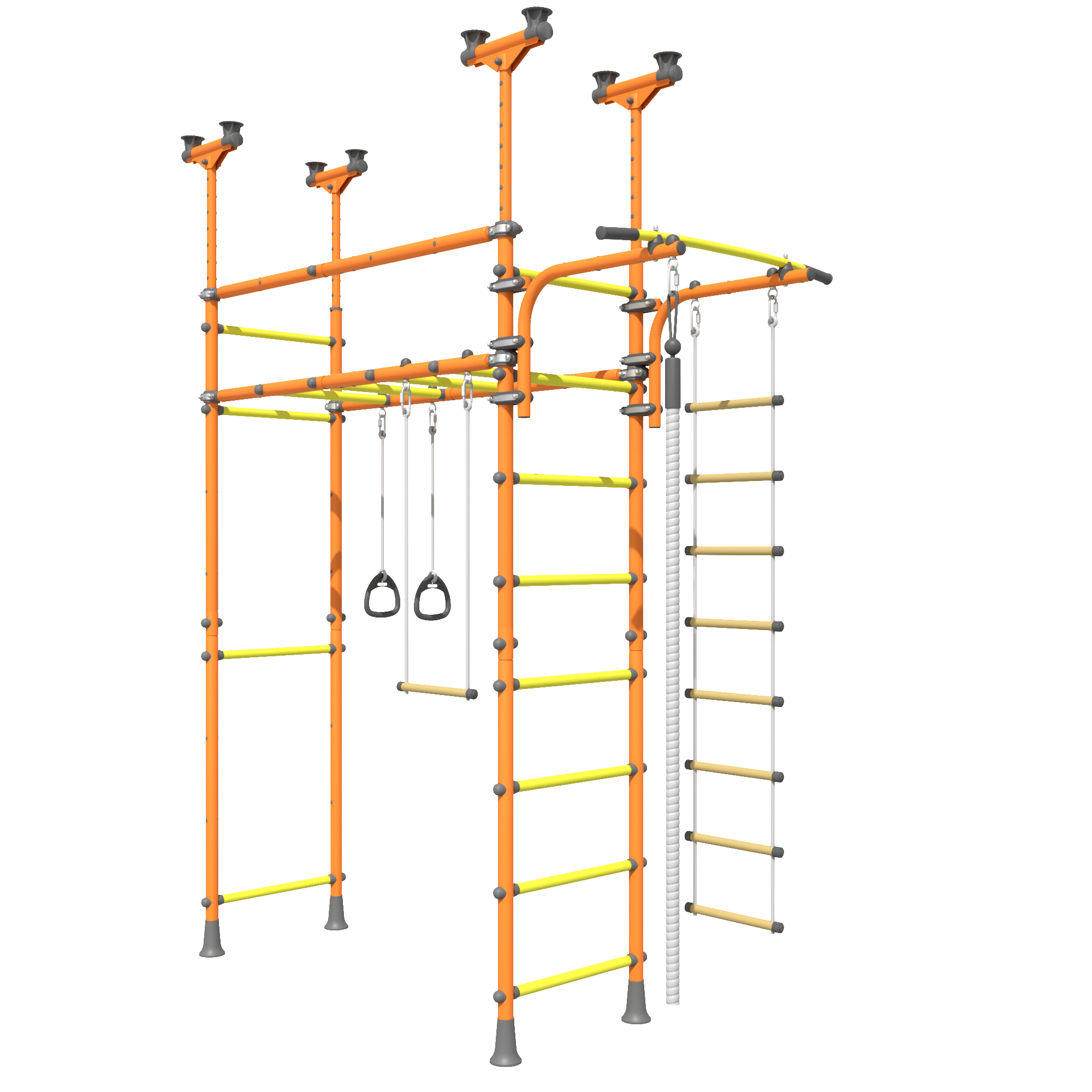
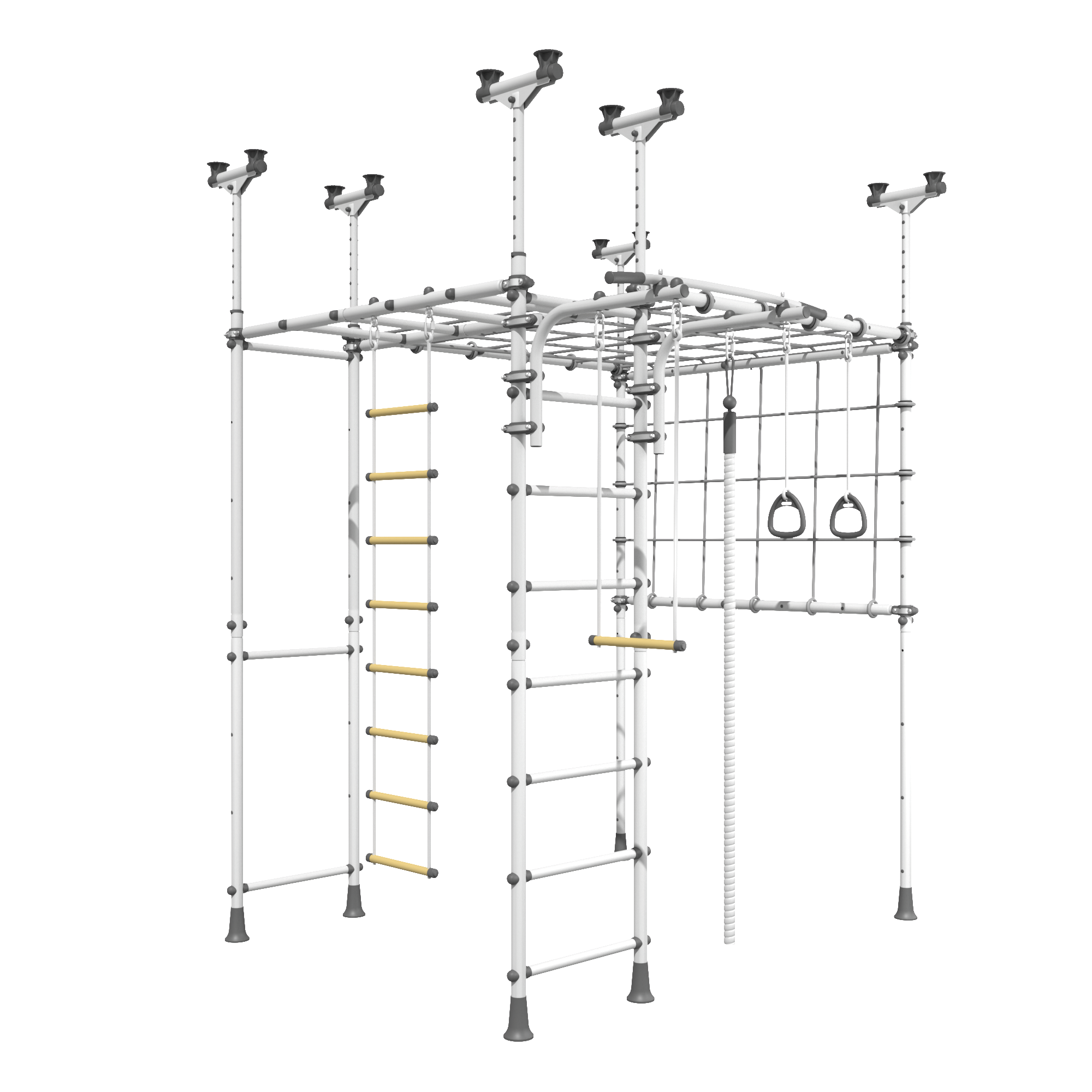
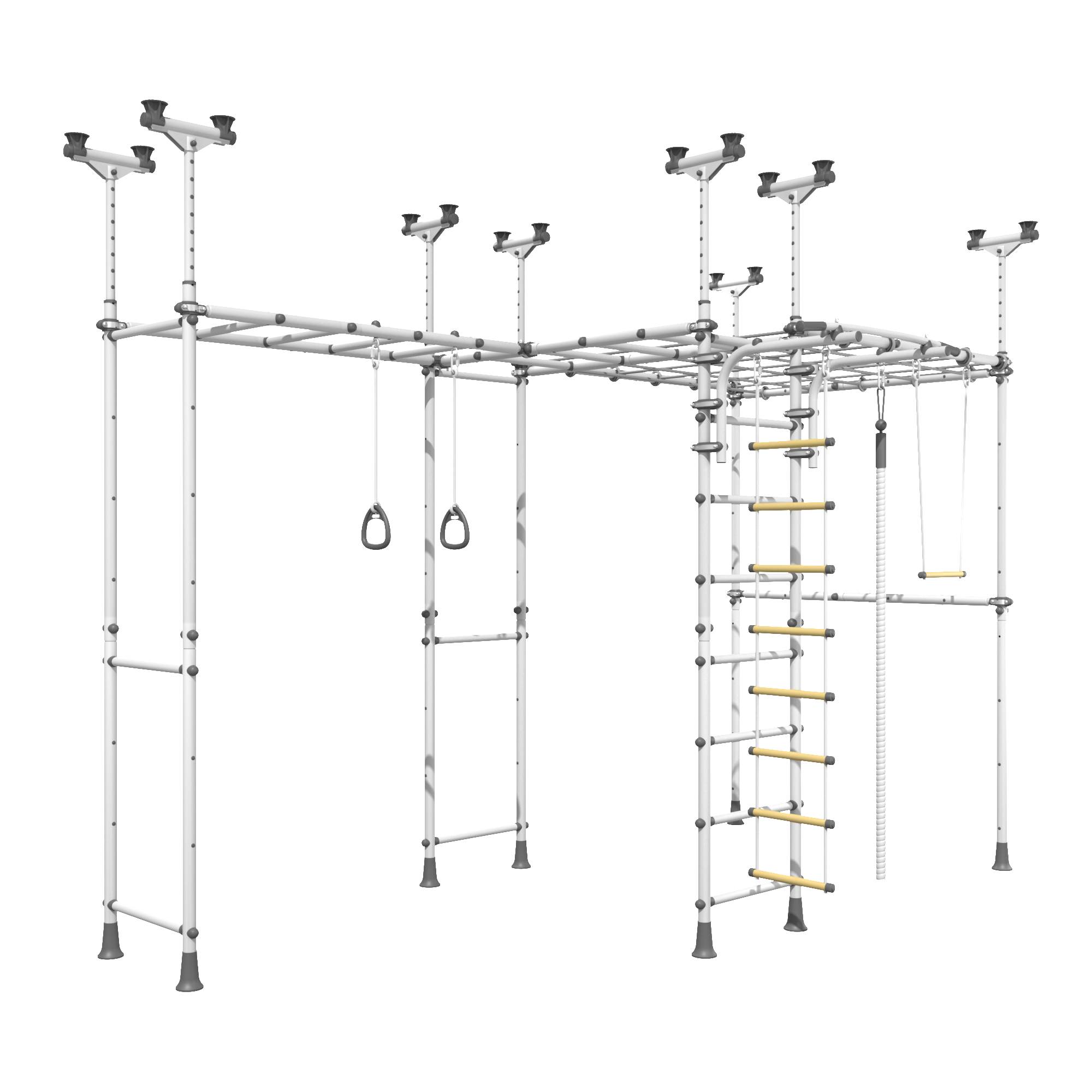
New inventory arrived! Shipping ASAP🎄✨

Toddler Climbing Toys

Toddlers are constantly in motion for a reason. Climbing, balancing, and crawling are not just play. They are how young children explore their world, test limits, and build essential physical and cognitive skills. At this age, movement supports more than muscles. It lays the groundwork for coordination, confidence, and focus.
Check out our Blog

Ways To Help Your Child Focus: Simple Calming Activities For ADHD

Ways To Help Your Child Focus: Simple Calming Activities For ADHD

Simple calming activities that support focus, emotional control, and daily routines for kids with ADHD from Brainrichkids. Ideal for home...
How To Create A Safe And Fun Home Play Gym Area For Your Kids

How To Create A Safe And Fun Home Play Gym Area For Your Kids

Build a kids' playroom that supports brain development and active play using safe, modular indoor gyms that fit small or...
Montessori Toys Explained: How They Help Kids Learn Through Play

Montessori Toys Explained: How They Help Kids Learn Through Play

Understand what Montessori toys are and how they support brain development and hands-on learning at every stage of early childhood...
Why Toddlers Need To Climb, Balance, And Move

Climbing is one of the first ways toddlers explore how their bodies work. Couches, stairs, and playground rails turn into natural invitations to move. This isn’t just curiosity. It is how toddlers develop balance, coordination, and body awareness. According to a 2024 study published in Frontiers in Psychology, full-body movement like climbing improves executive function in children. These skills include focus, emotional control, and the ability to manage tasks. All of these are developing rapidly during the toddler years.
Climbing supports brain development by engaging both sides of the body. It helps toddlers understand where they are in space and how to move with control. These moments build strength, confidence, and independence. Core benefits of climbing at this stage:

  • Strengthens core muscles and balance
  • Improves spatial awareness and coordination
  • Encourages safe risk-taking and decision-making
  • Offers a healthy way to release energy
  • Builds confidence through repeated effort

Climbing is more than physical play. It helps toddlers grow in ways that support learning, focus, and emotional strength.

How Climbing Toys Support Brain And Motor Development

Toddlers learn by doing, not sitting still. That’s why climbing toys are more than just a way to pass the time. When used consistently, they support multiple areas of a child’s growth. Climbing toys offer toddlers structured ways to move, explore, and challenge themselves. Each grip, pull, and step helps the brain process new information and develop stronger pathways between body and mind. A 2023 systematic review inChildren found that structured physical play improves gross motor coordination, focus, and early cognitive flexibility in children aged 2 to 5. These benefits are especially important during the early years when brain development is happening rapidly. Why it works:

  • Movement builds neural connections used for attention and learning
  • Climbing strengthens motor planning and balance
  • Repetition creates muscle memory and body awareness
  • Physical effort supports self-regulation and sensory integration

These skills don’t just show up in play. They carry into everyday activities like walking up stairs, getting dressed, or learning how to sit and focus during meals or reading time. Climbing toys help toddlers build the brain-body connection that sets the foundation for more complex tasks ahead.

What Makes Our Toddler Climbing Toys Different

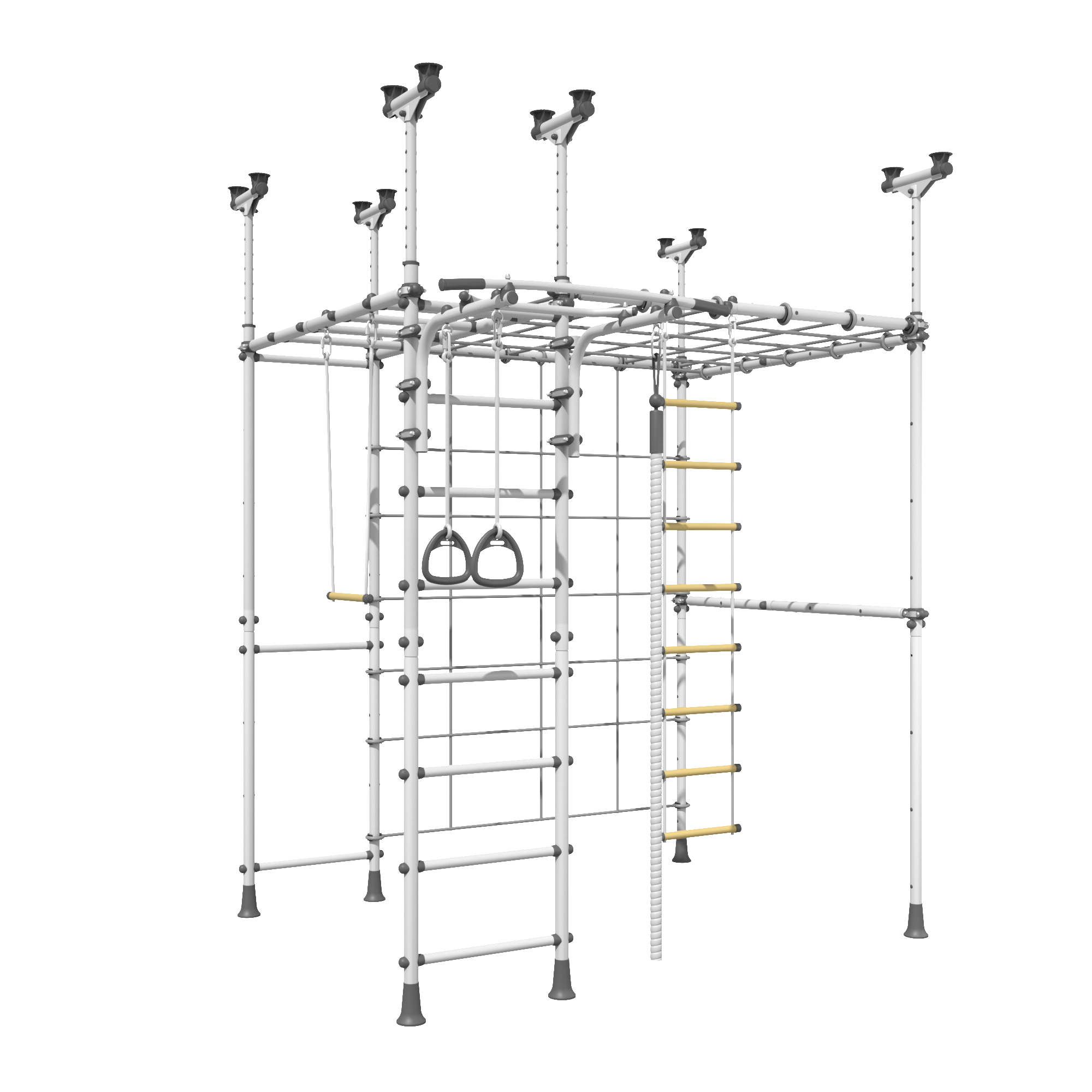
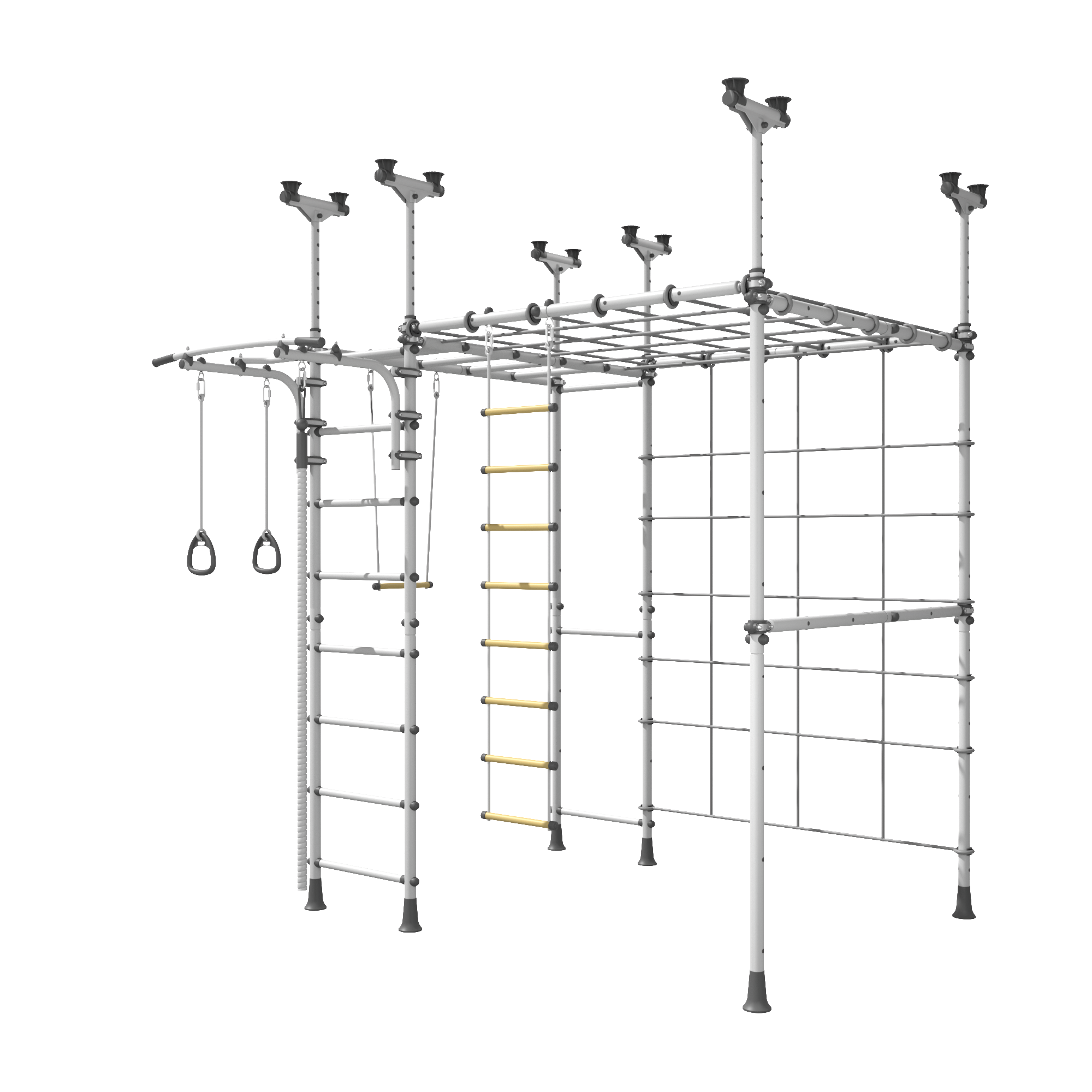
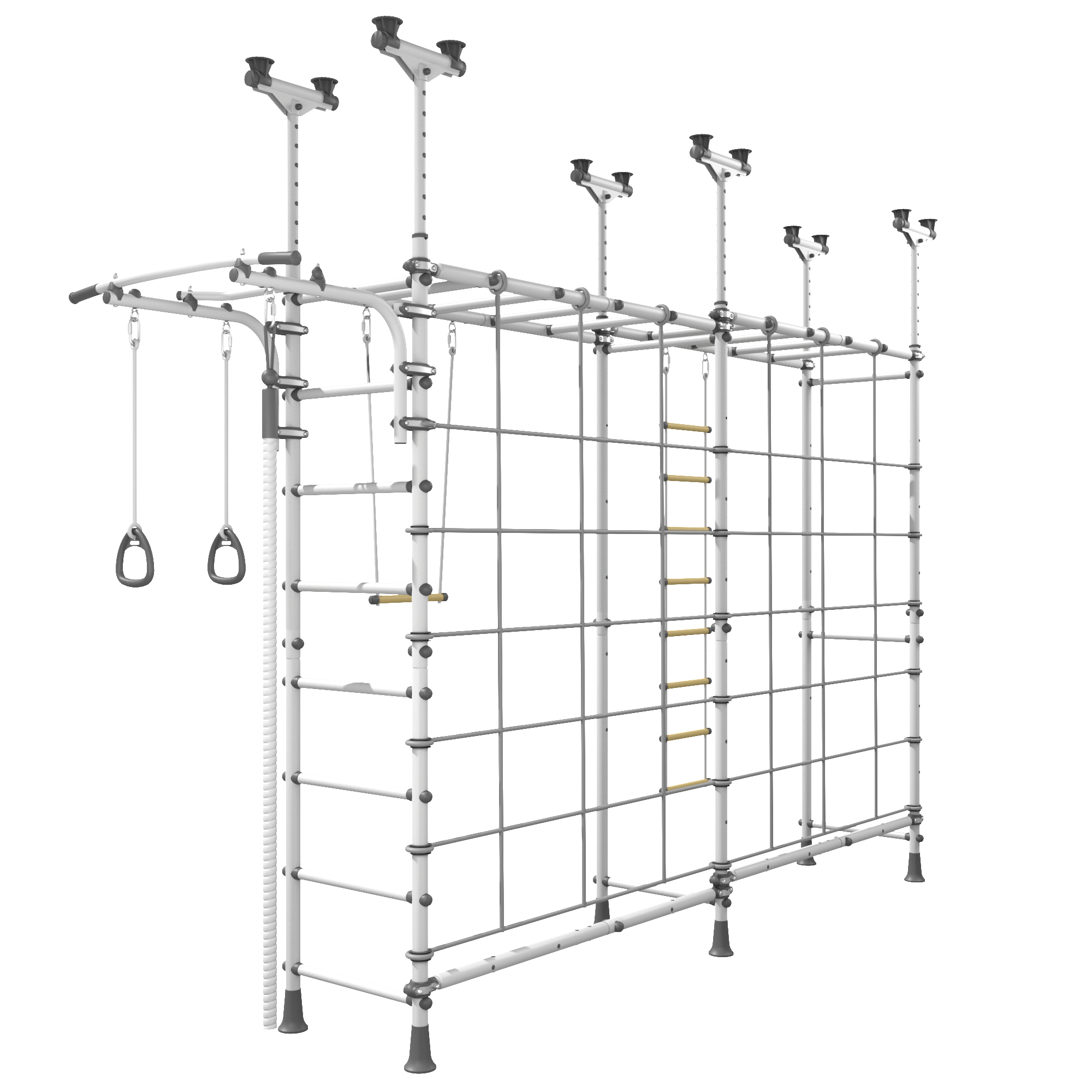
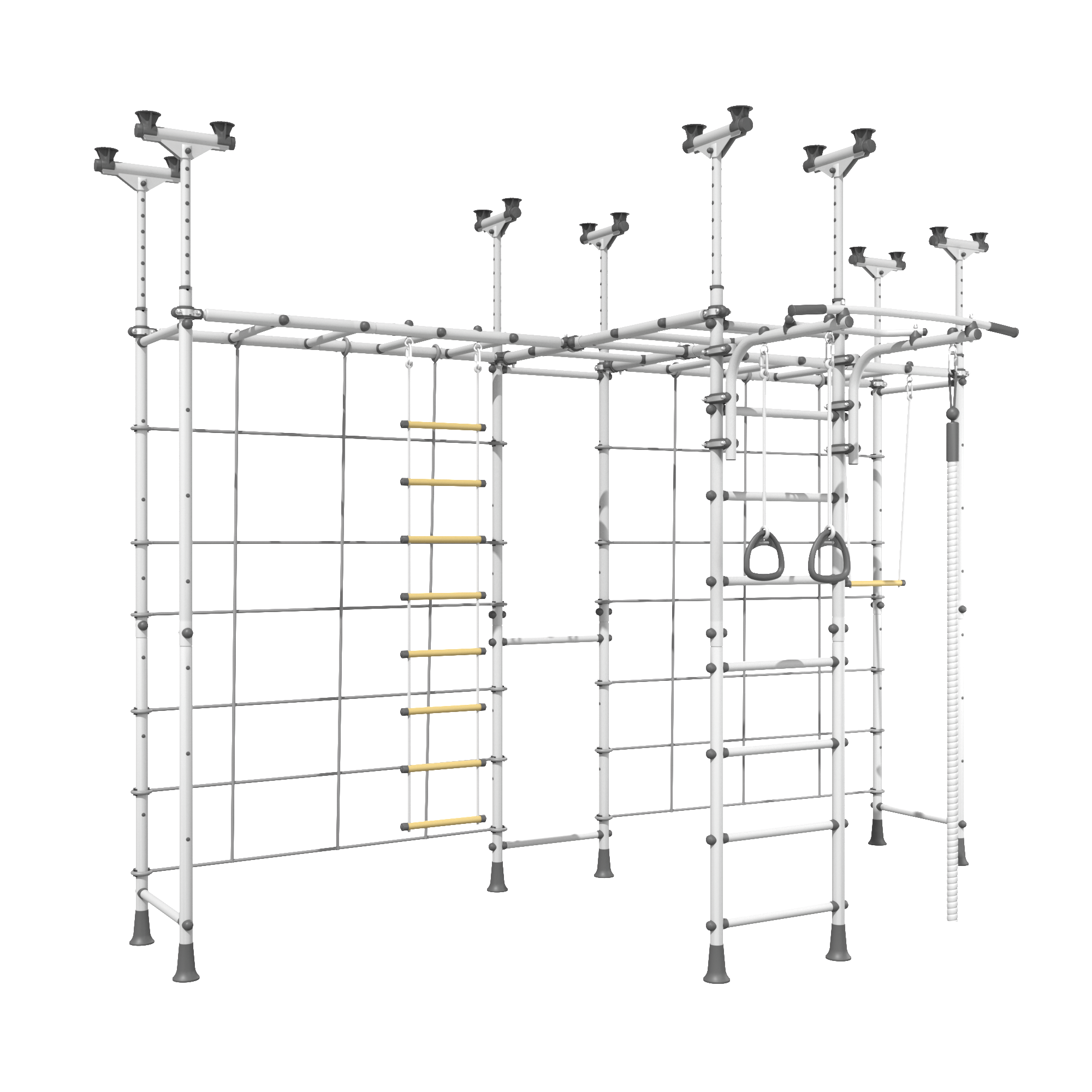
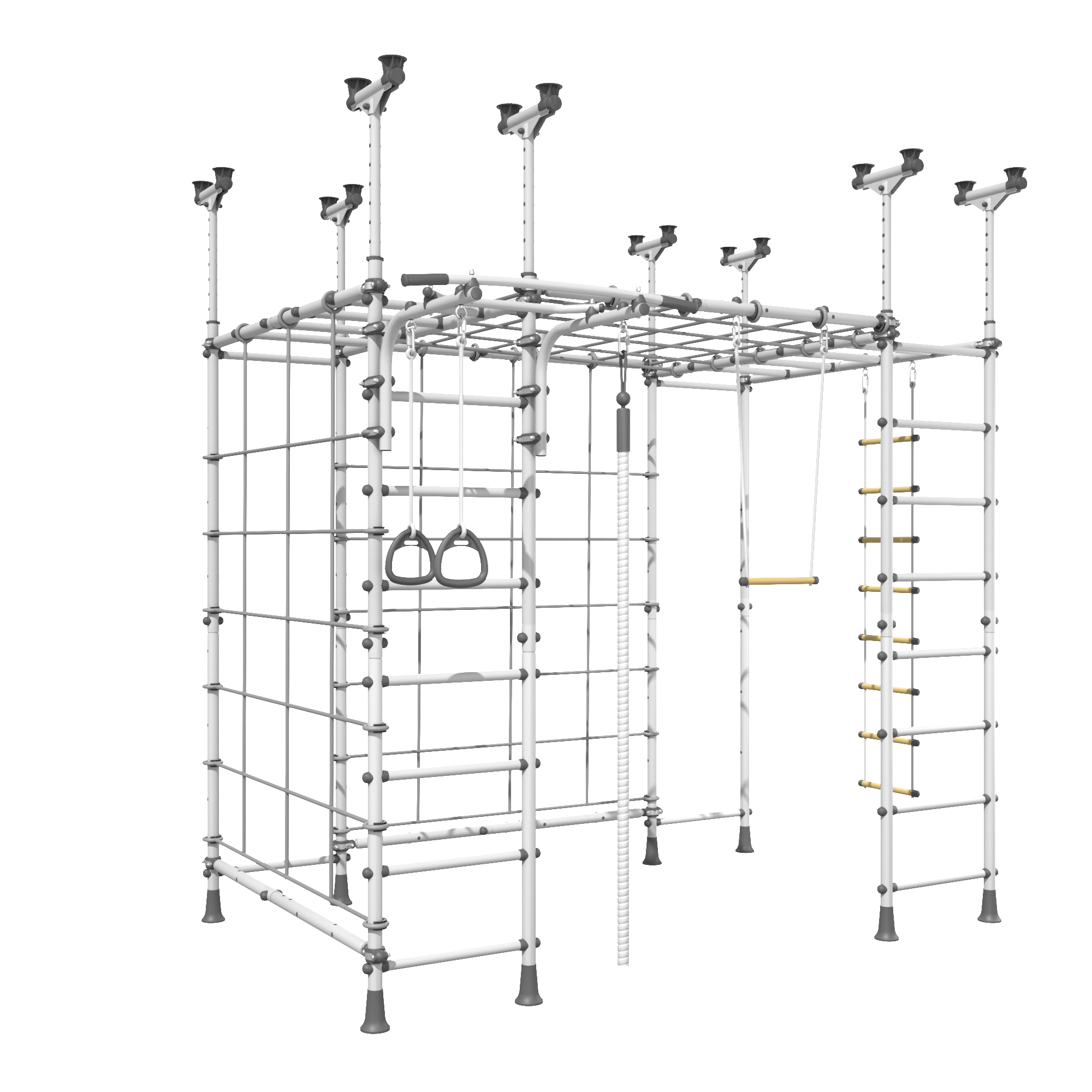
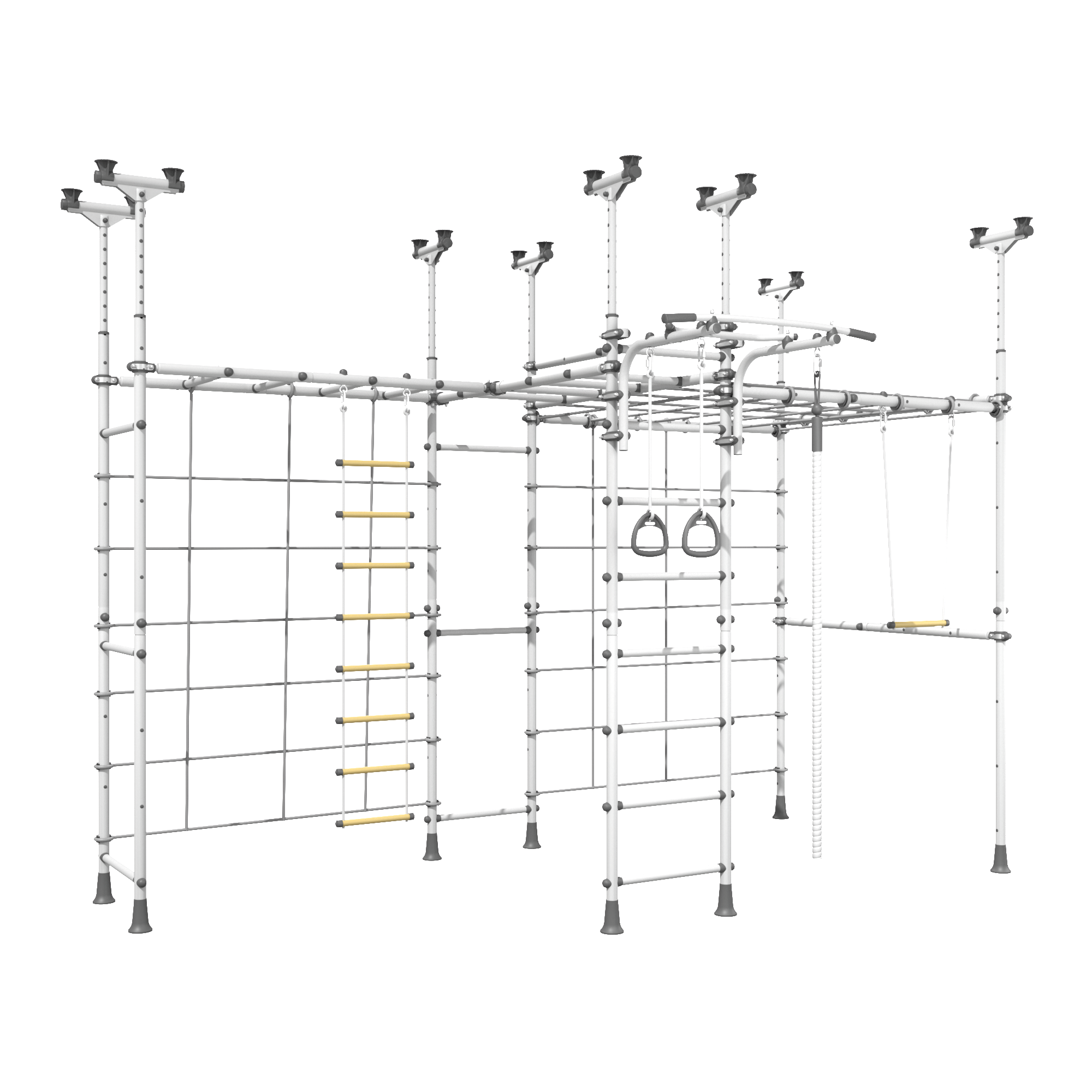
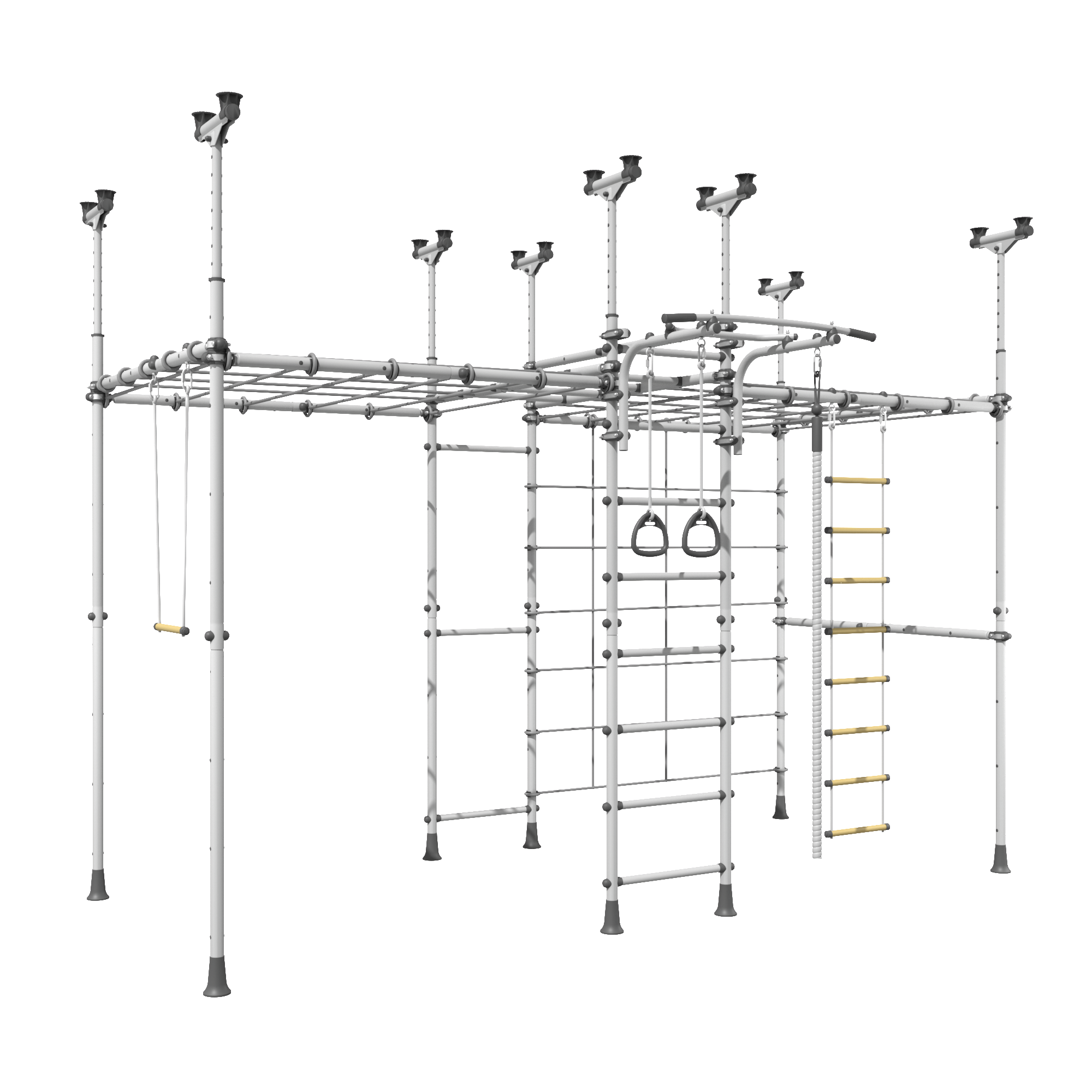
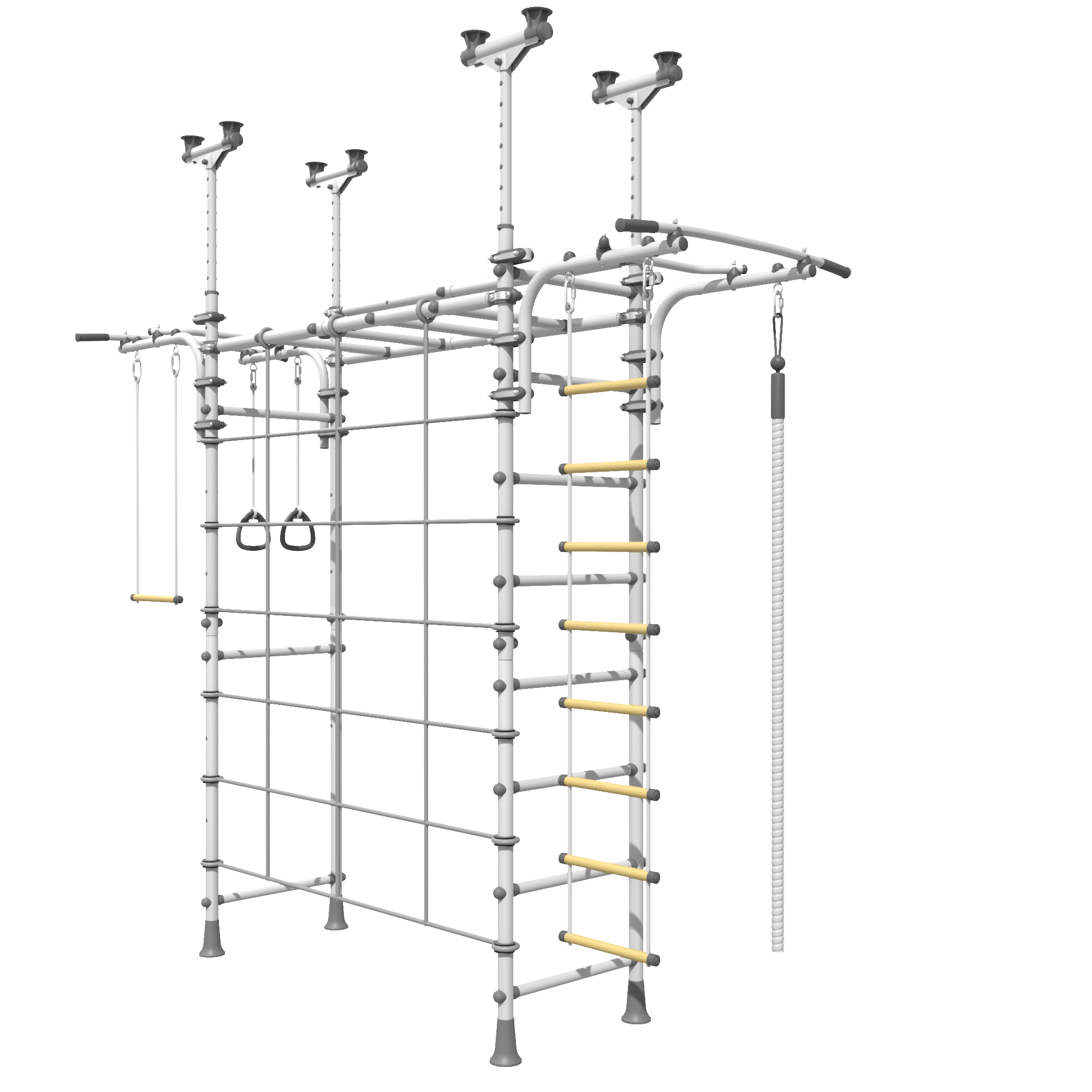
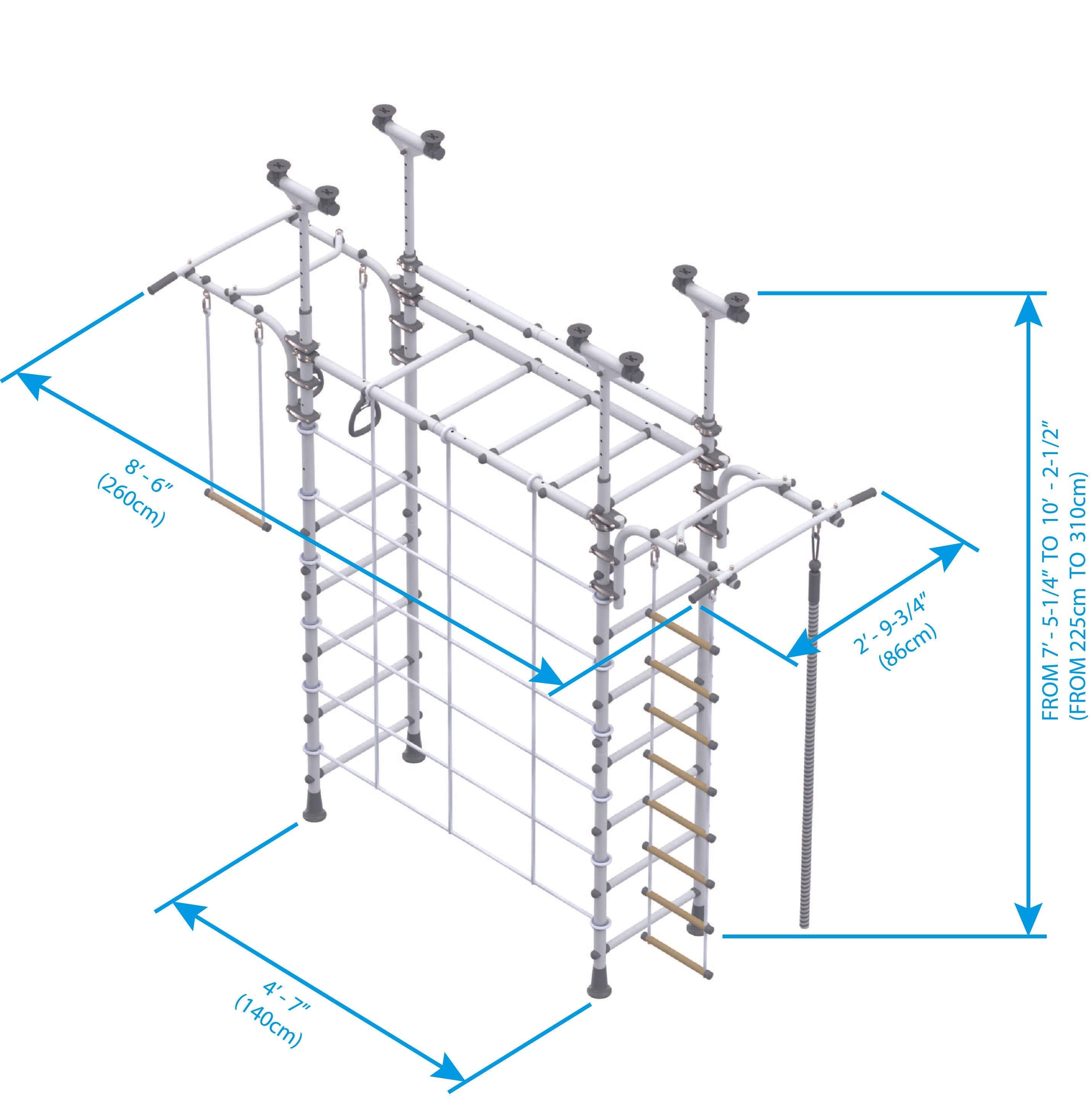
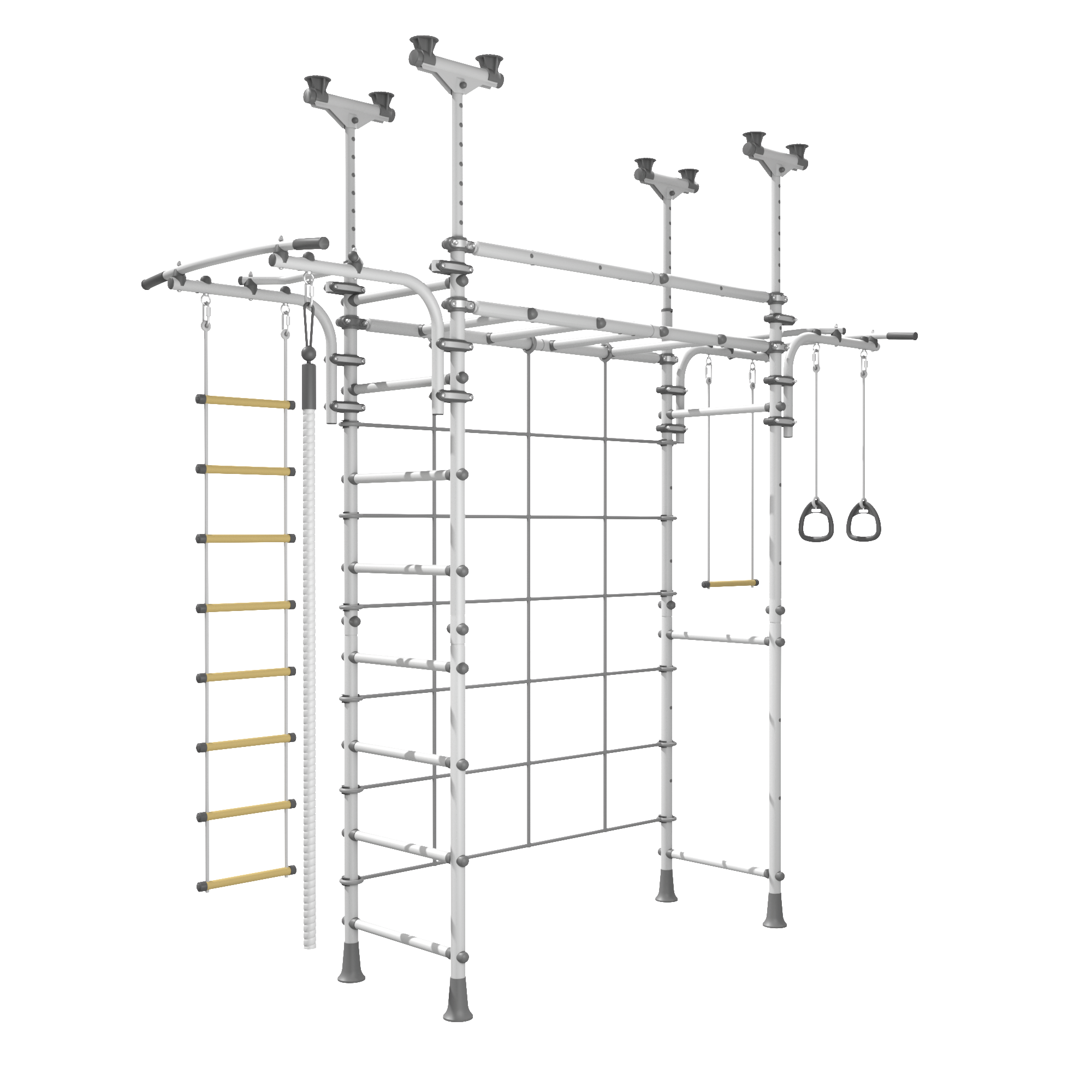
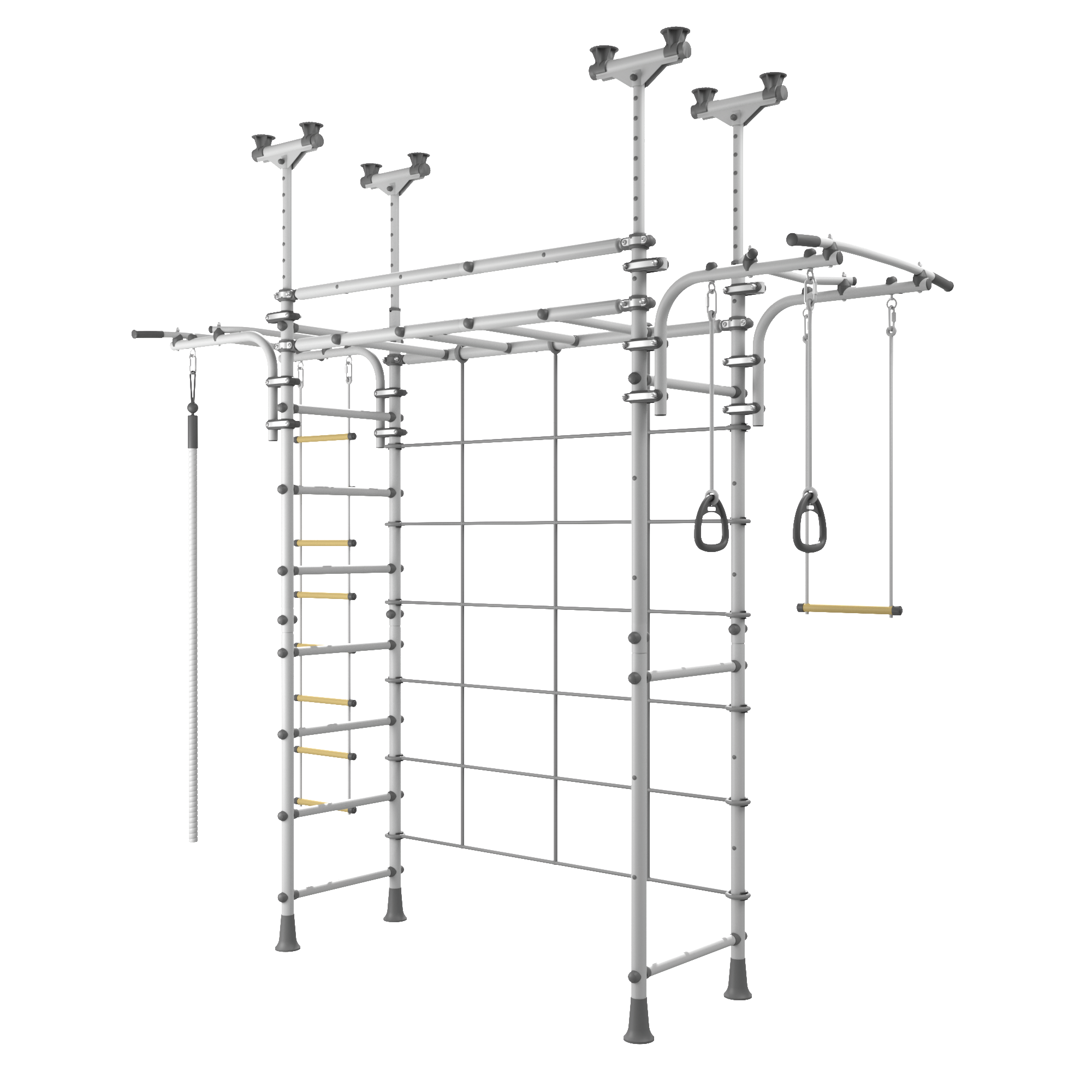
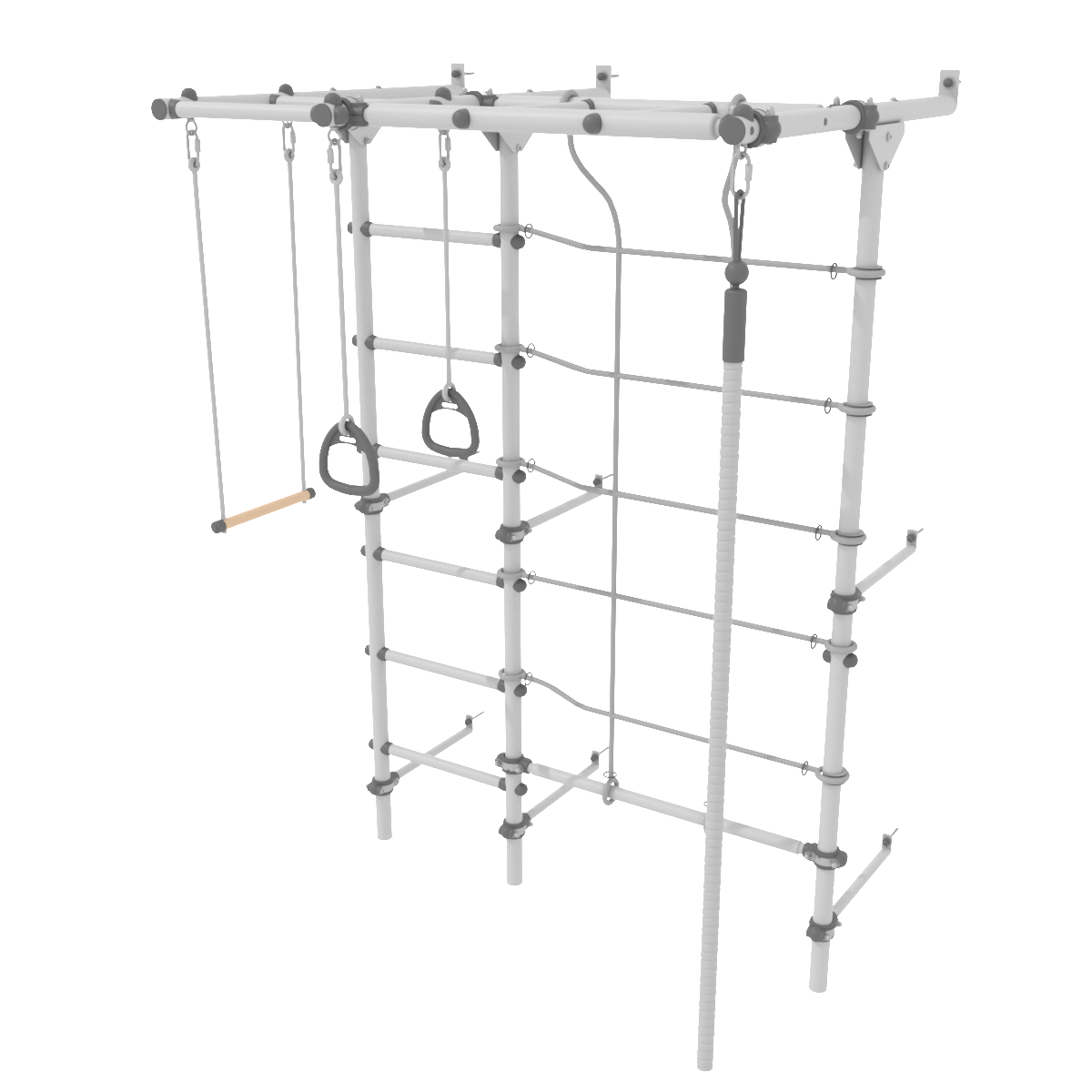
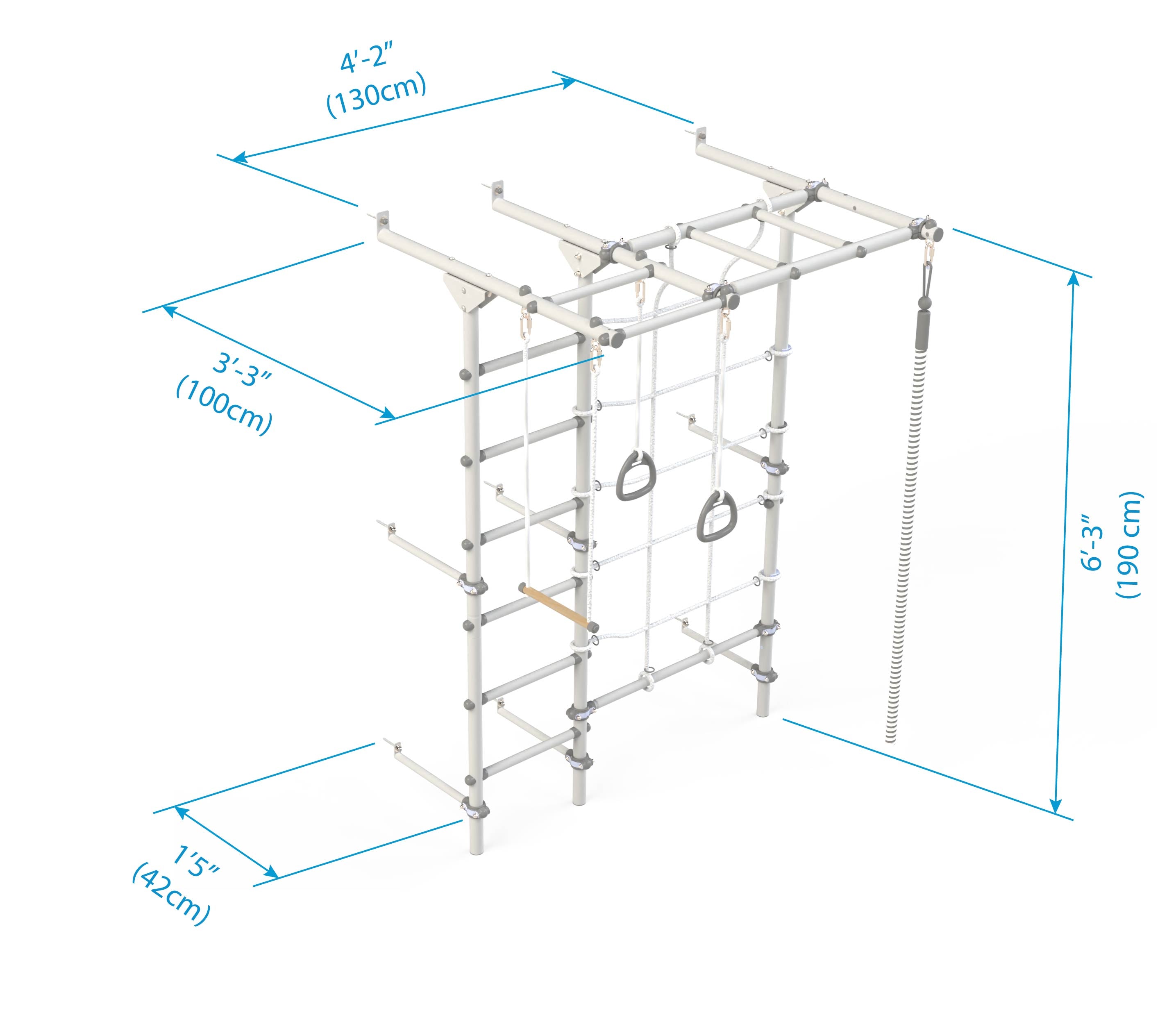
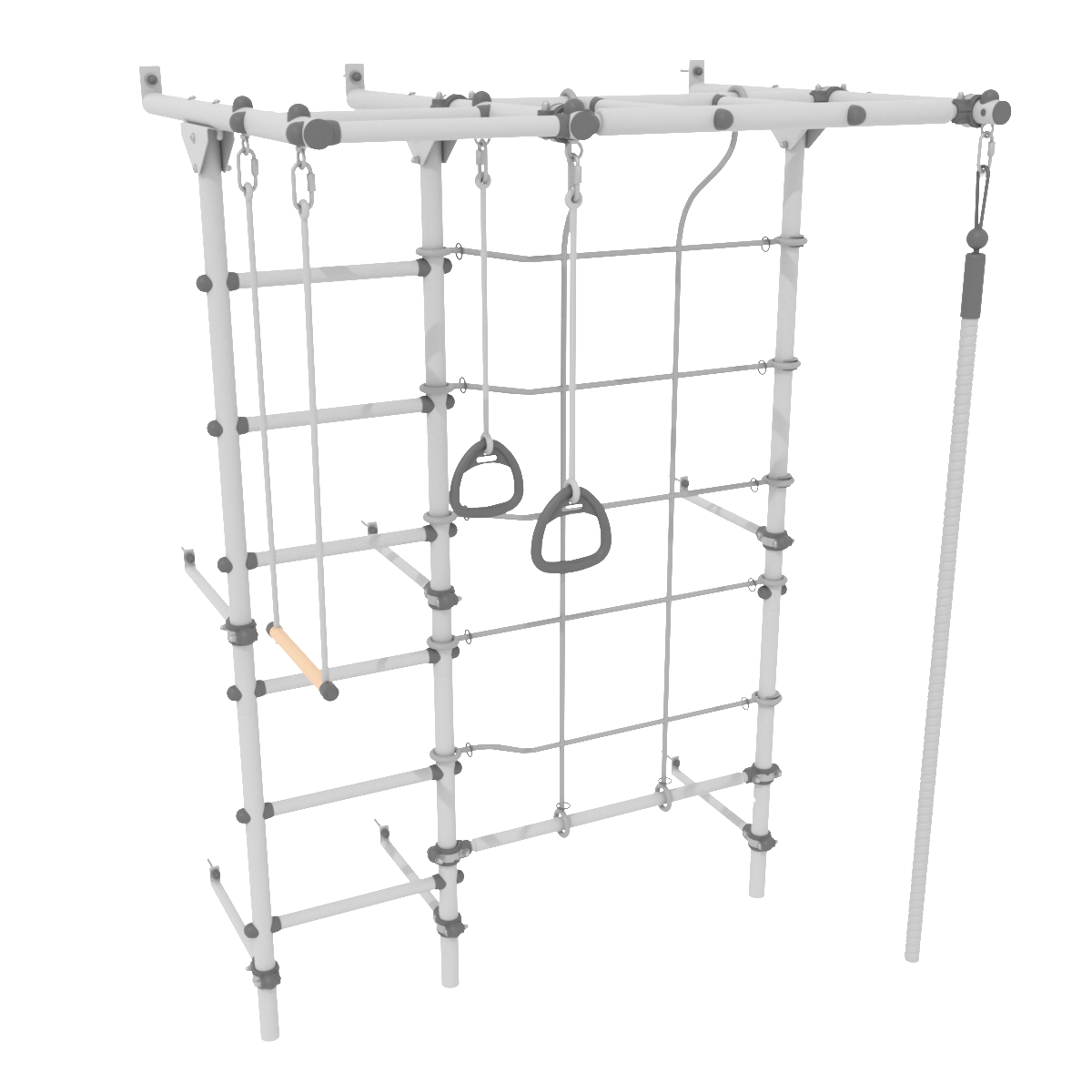
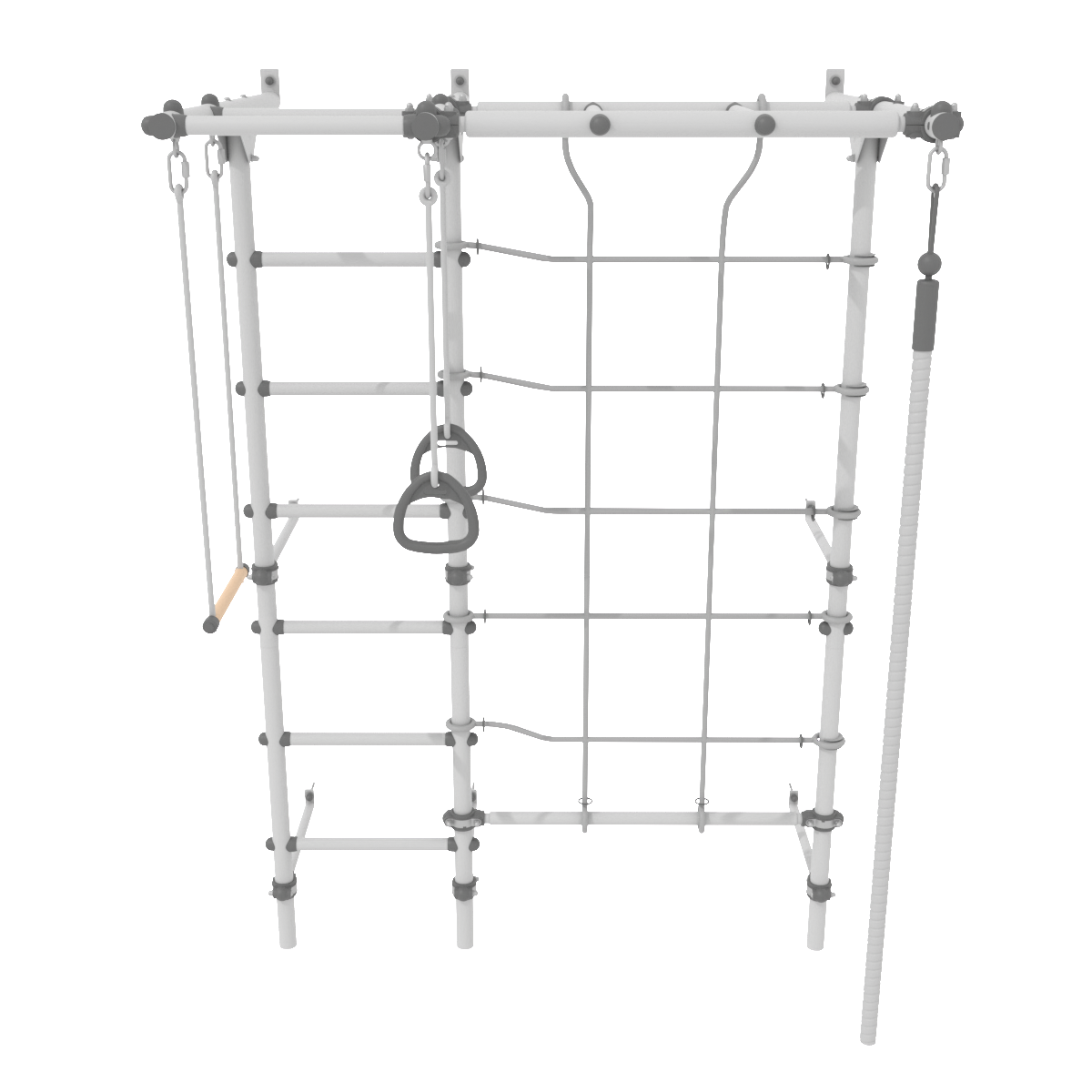
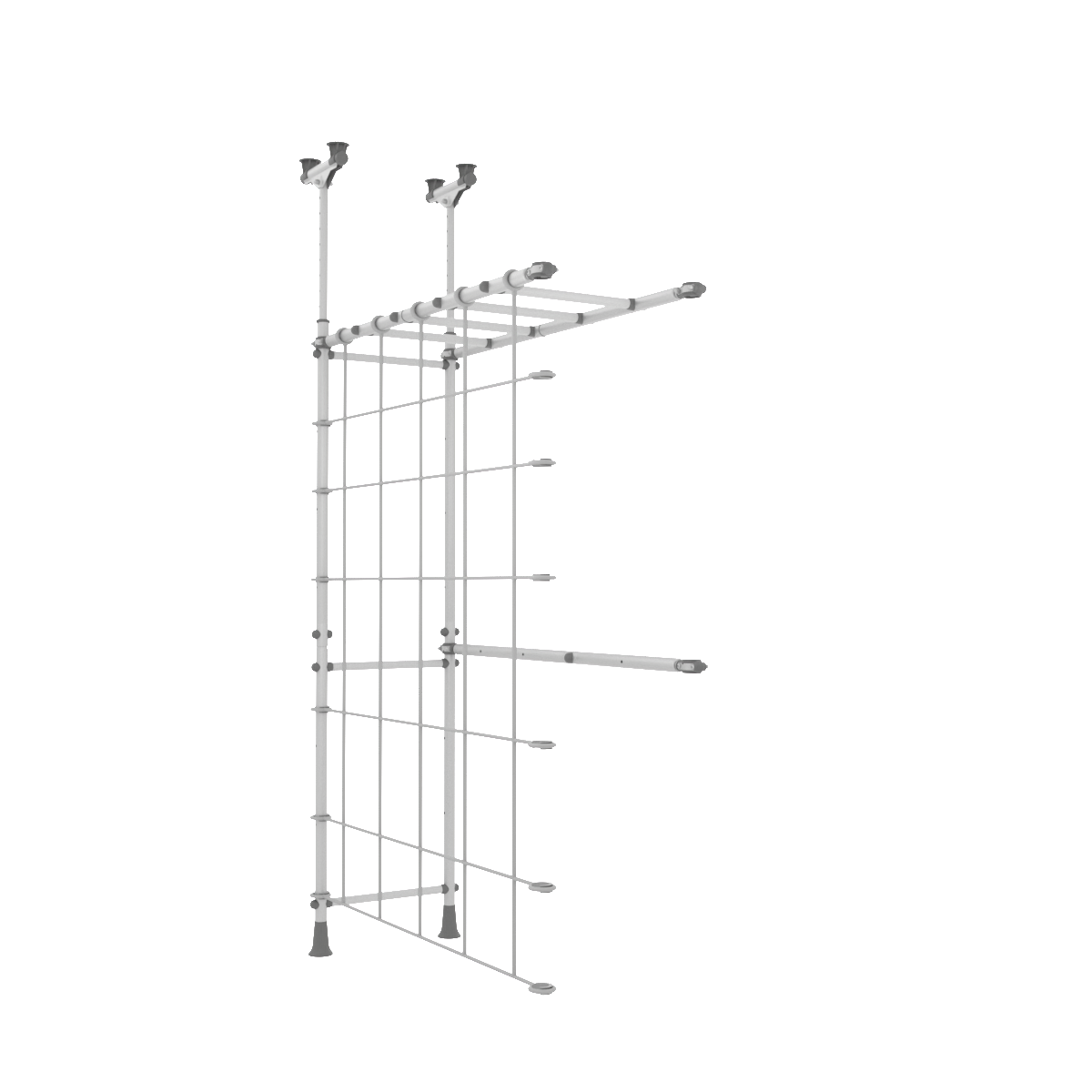
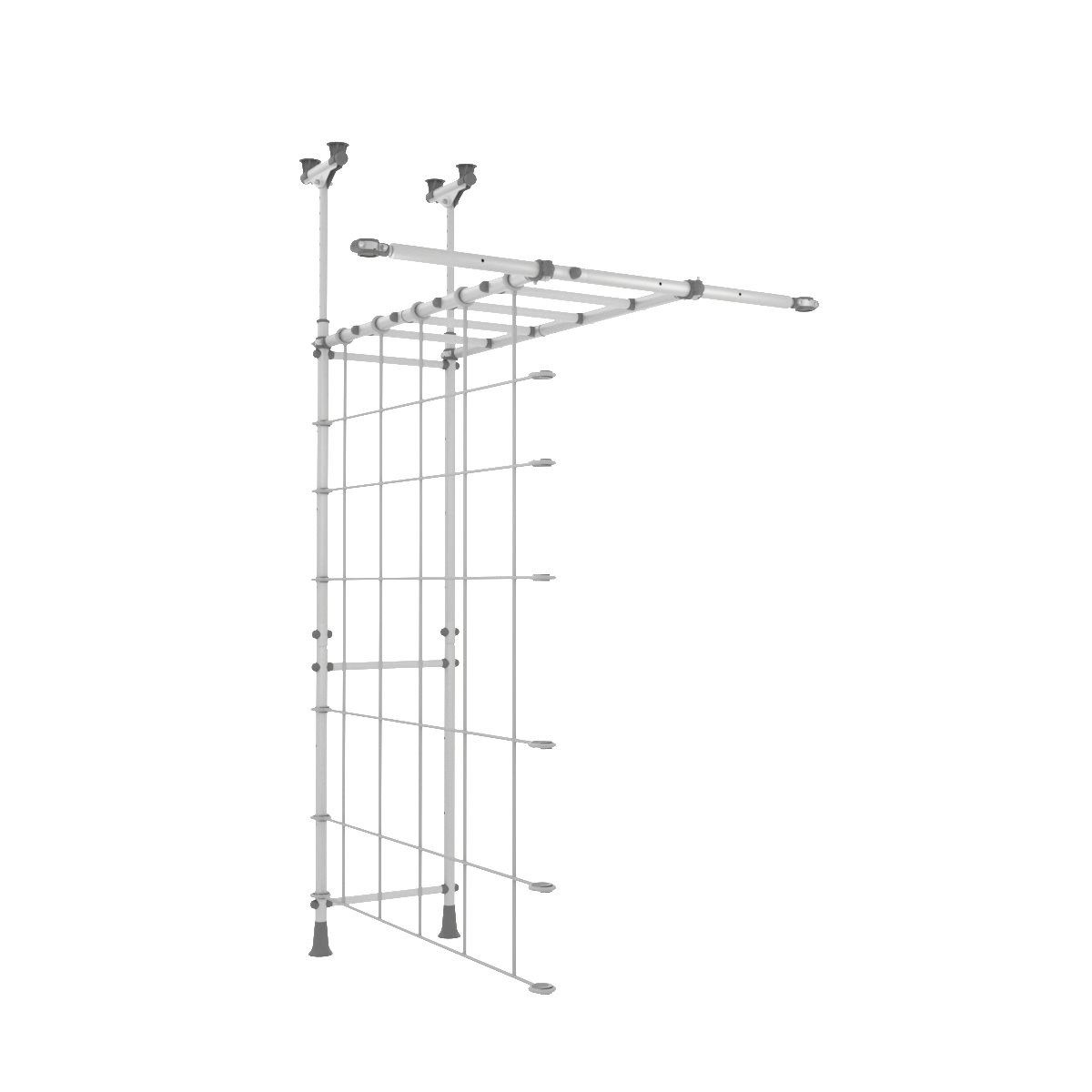
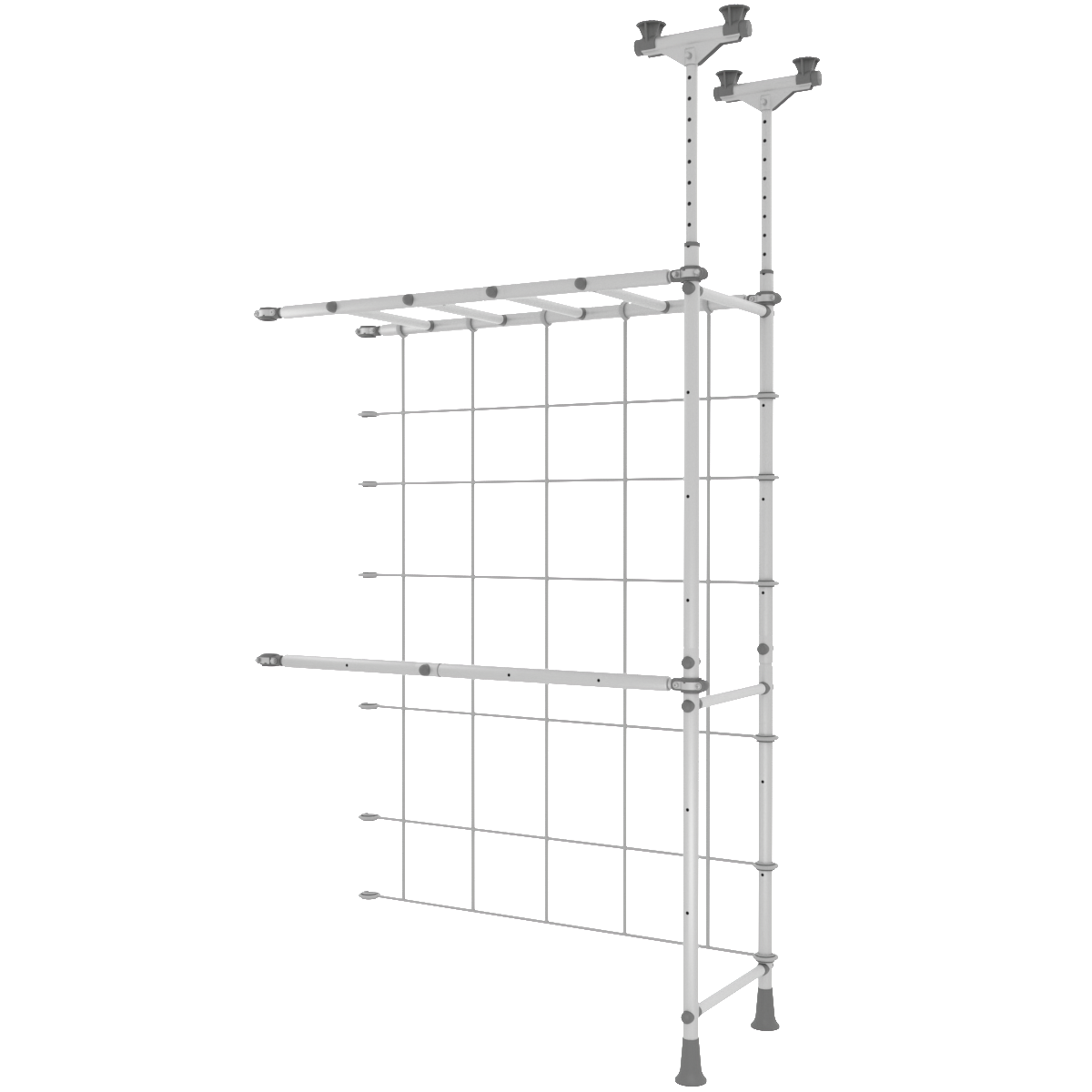
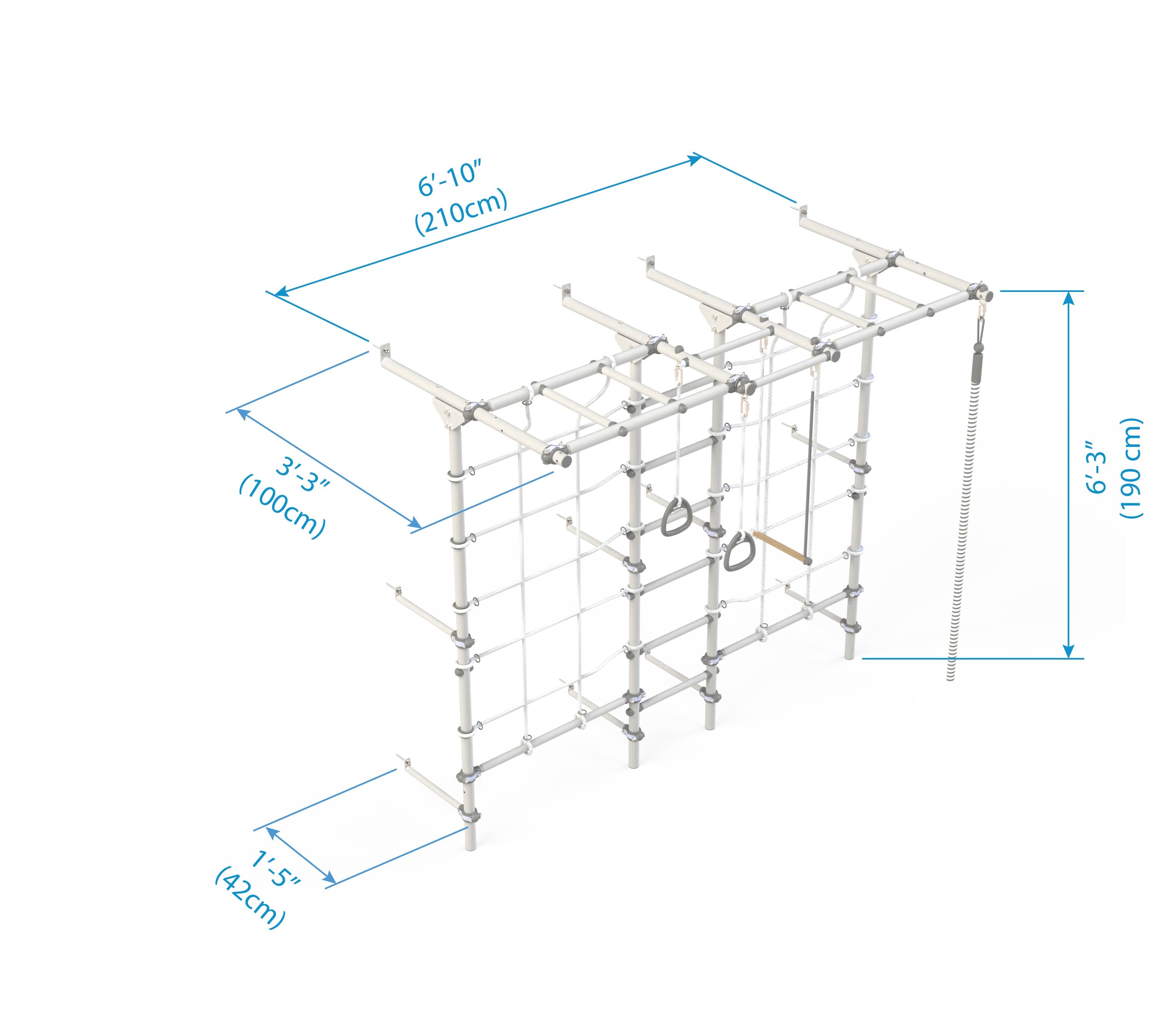
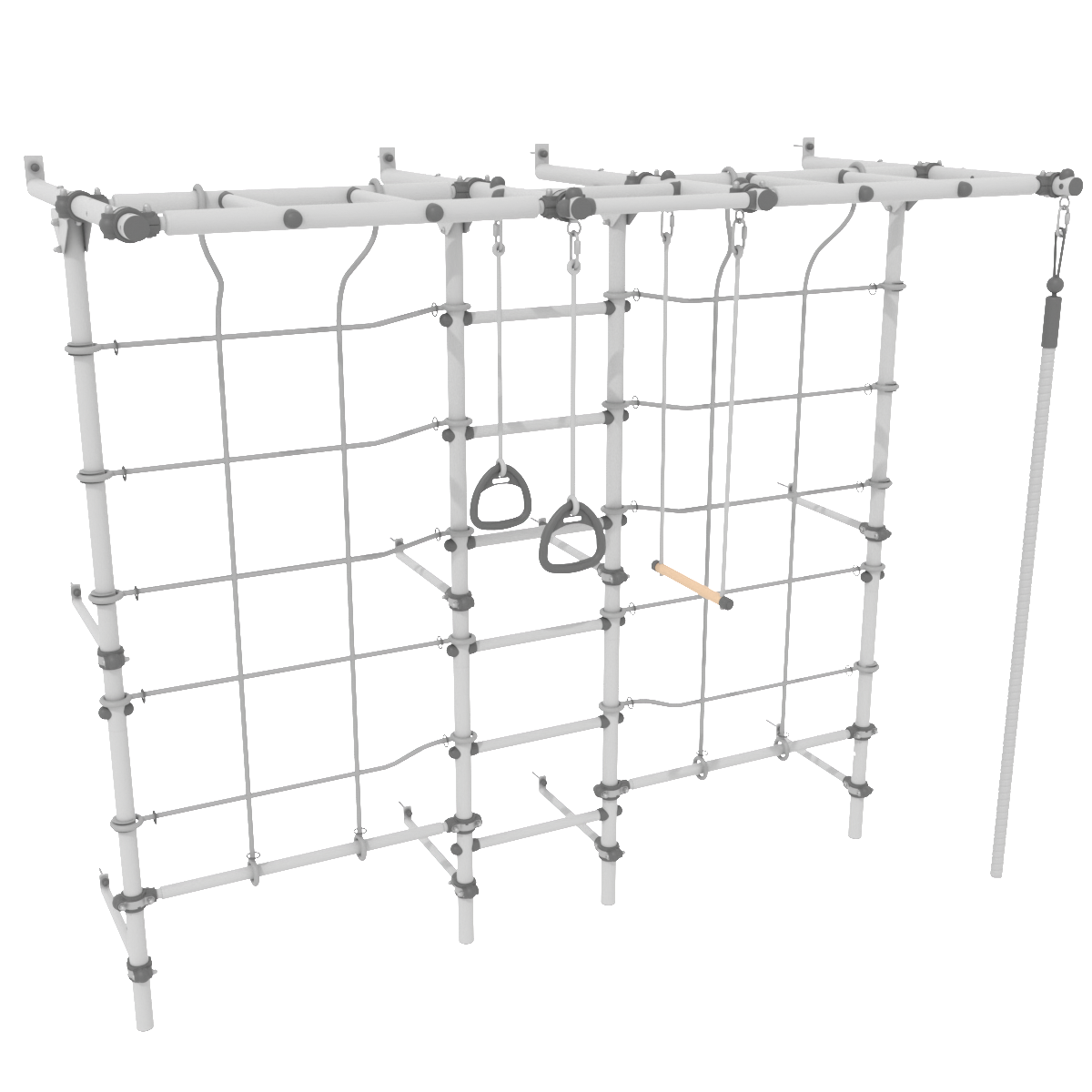
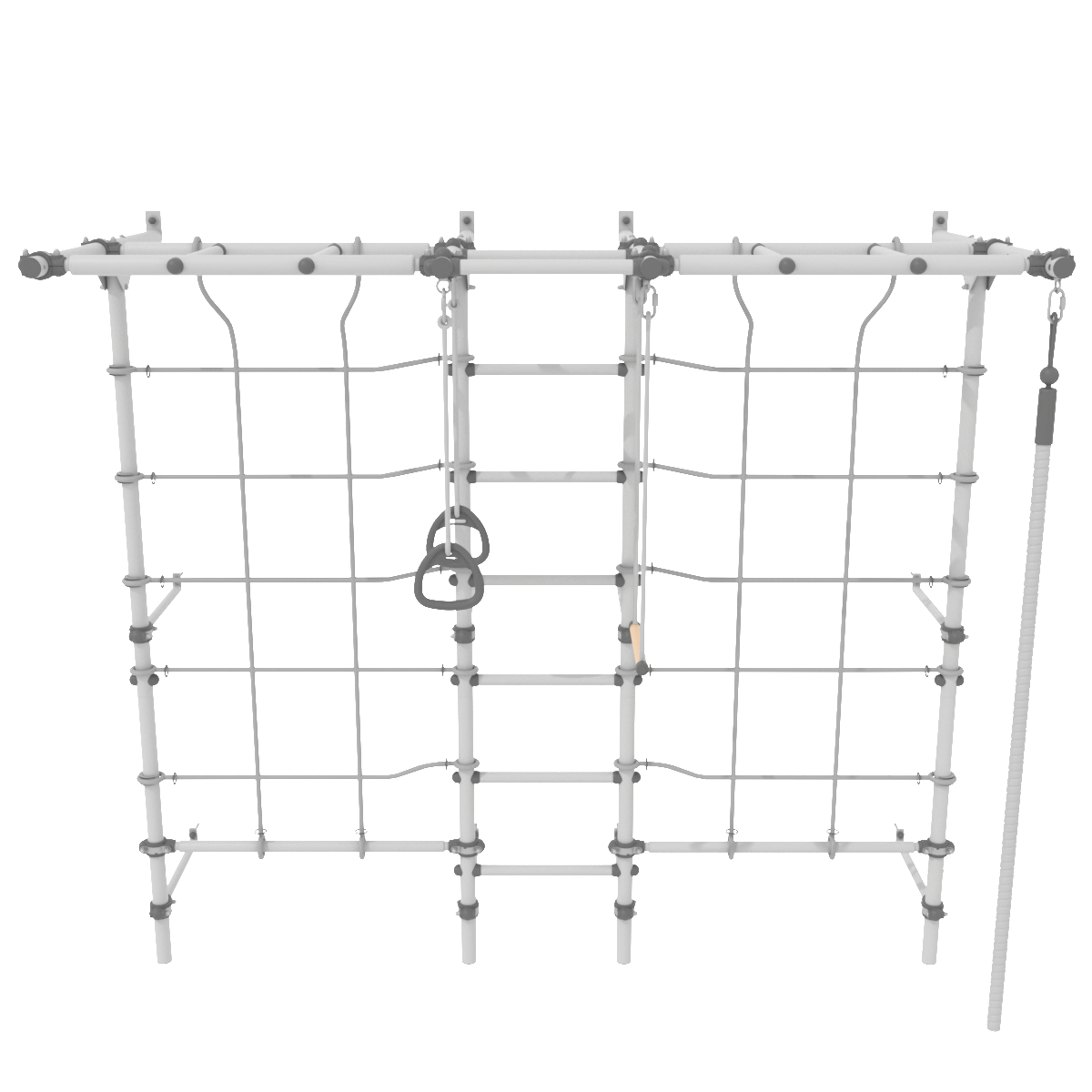
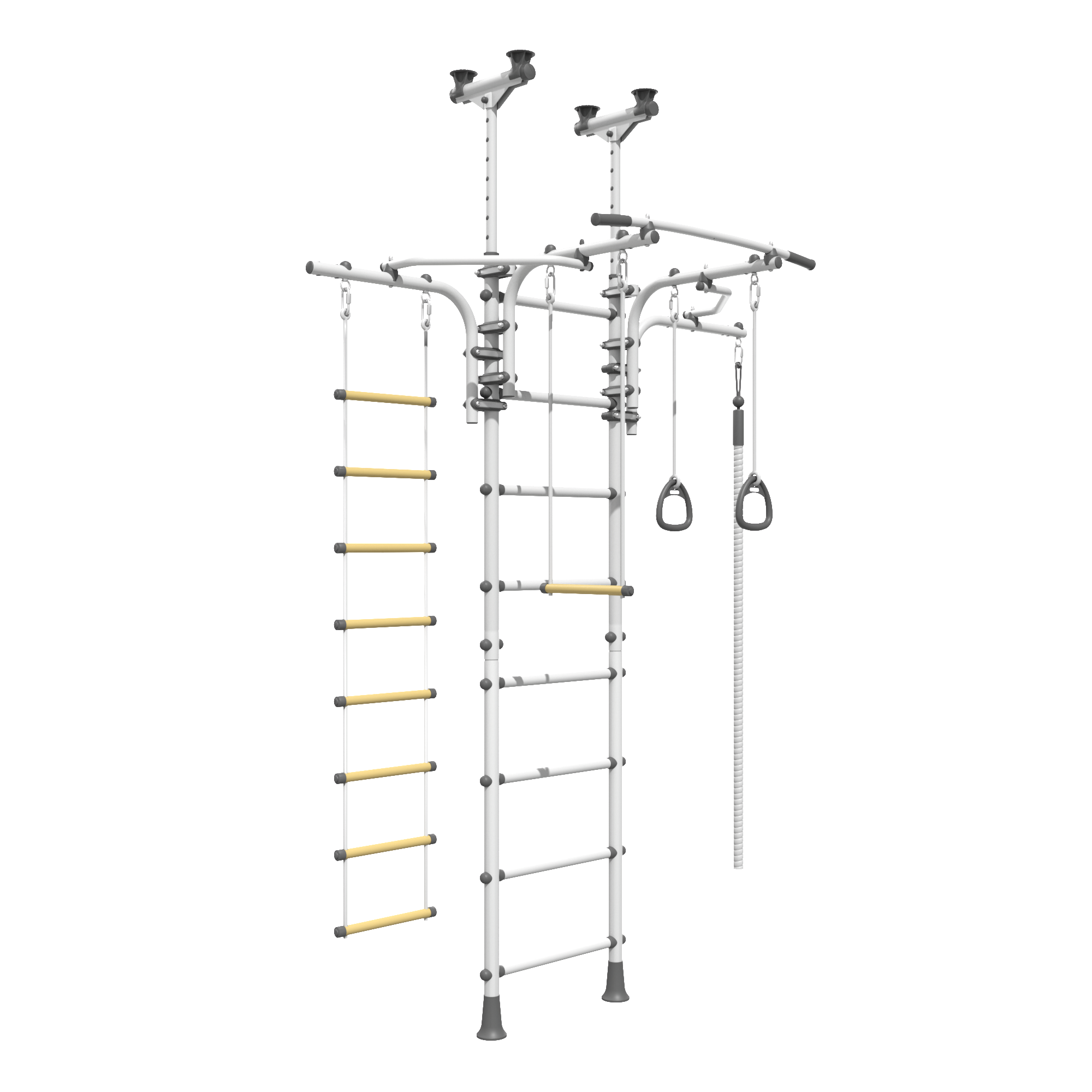
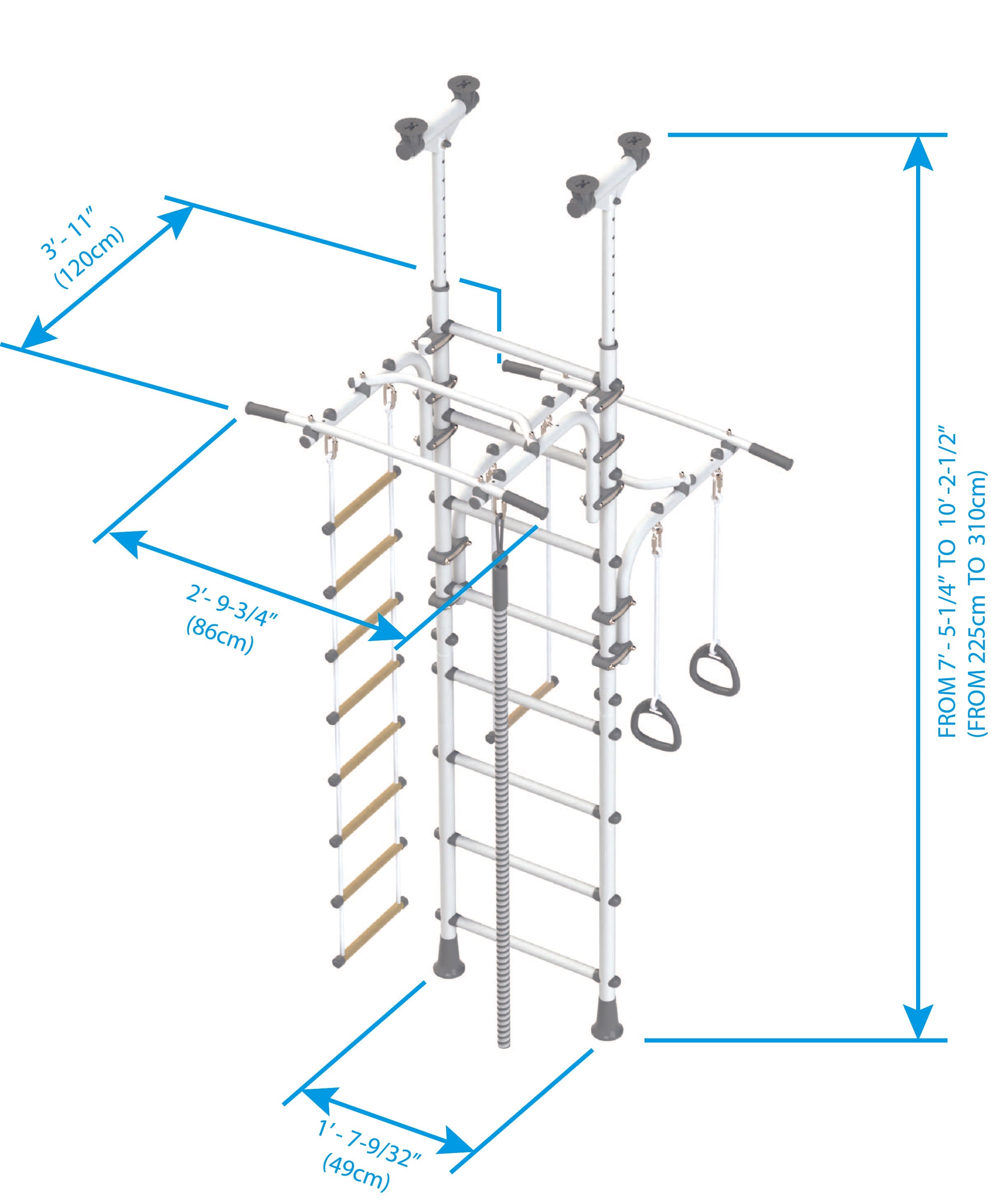
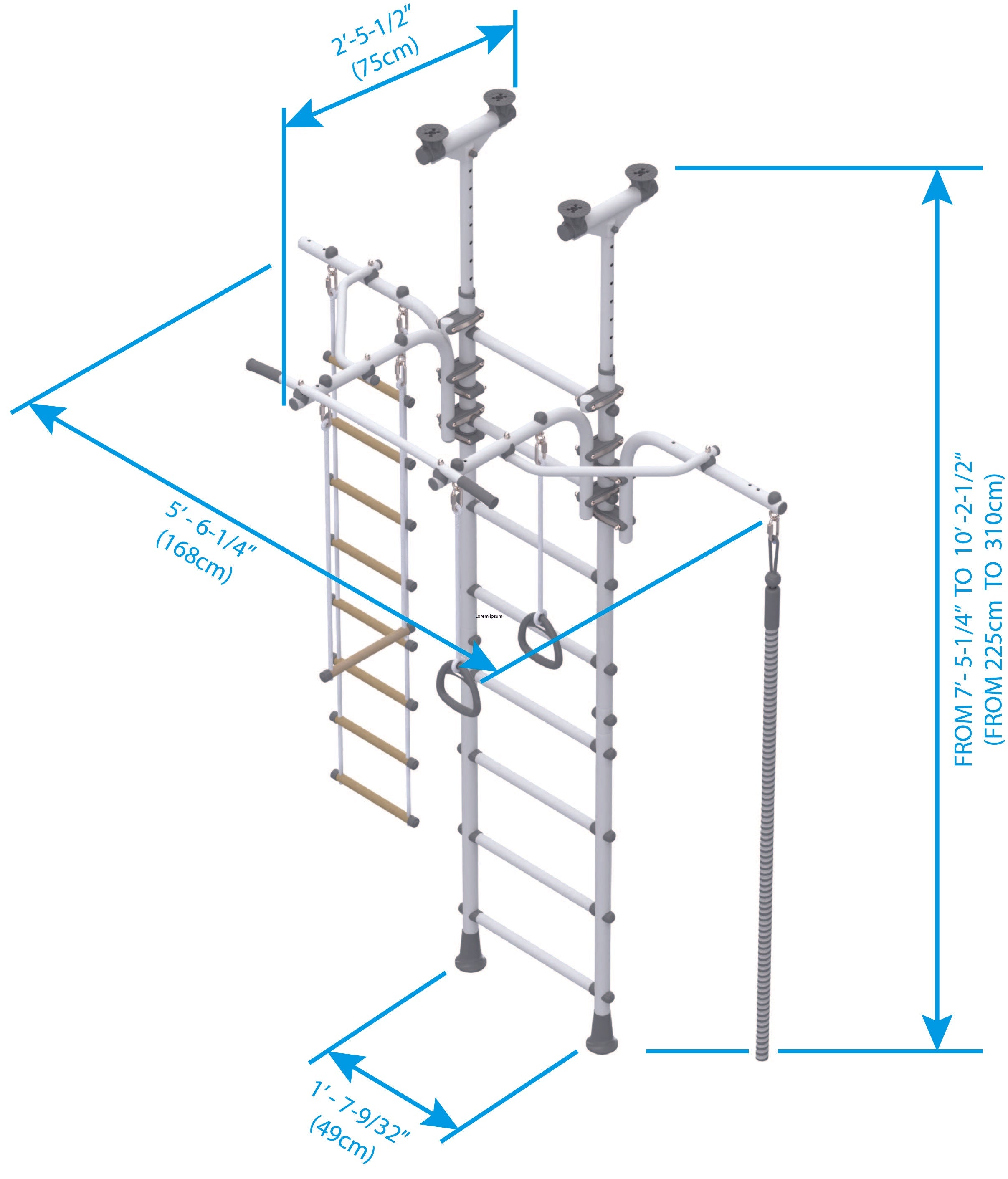
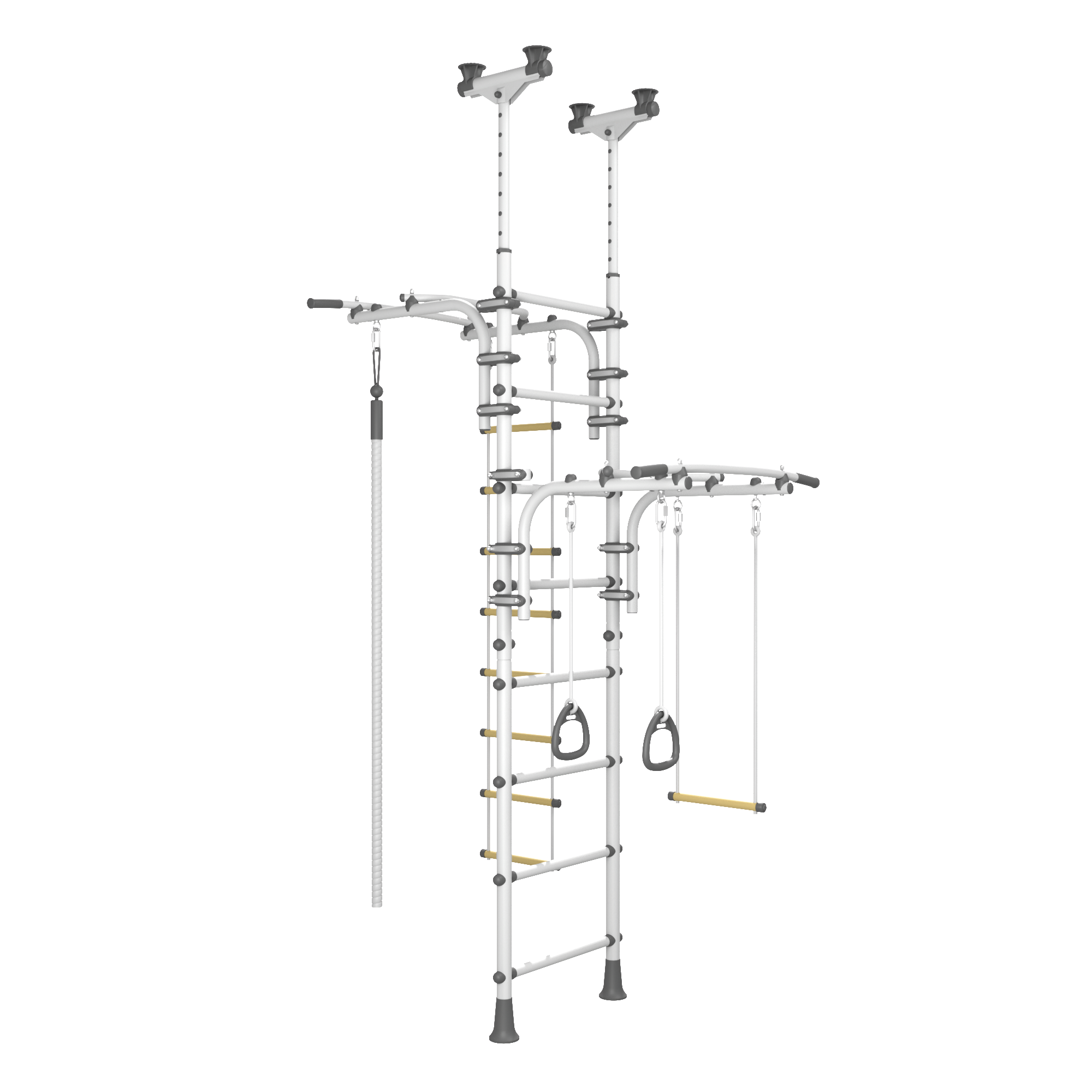
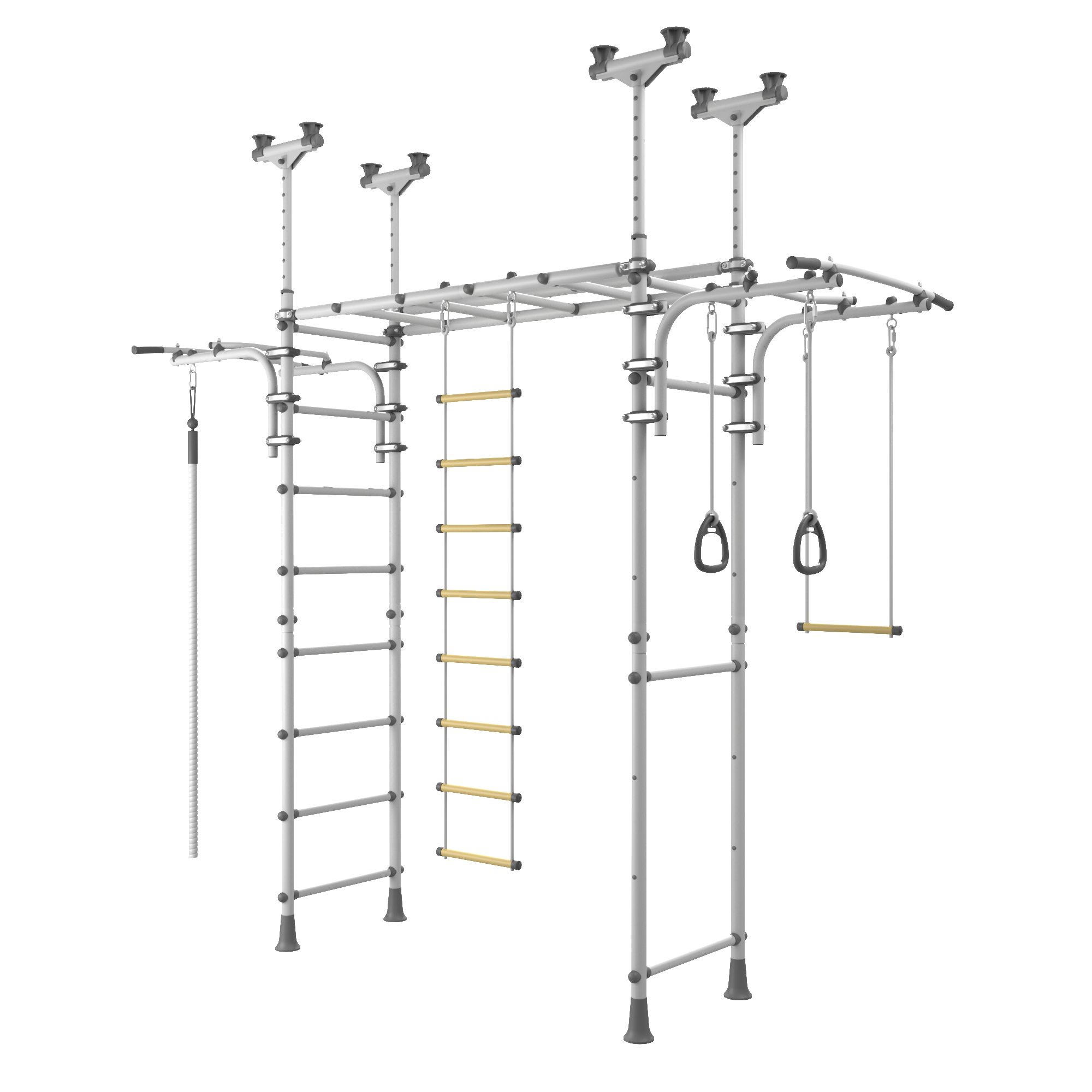
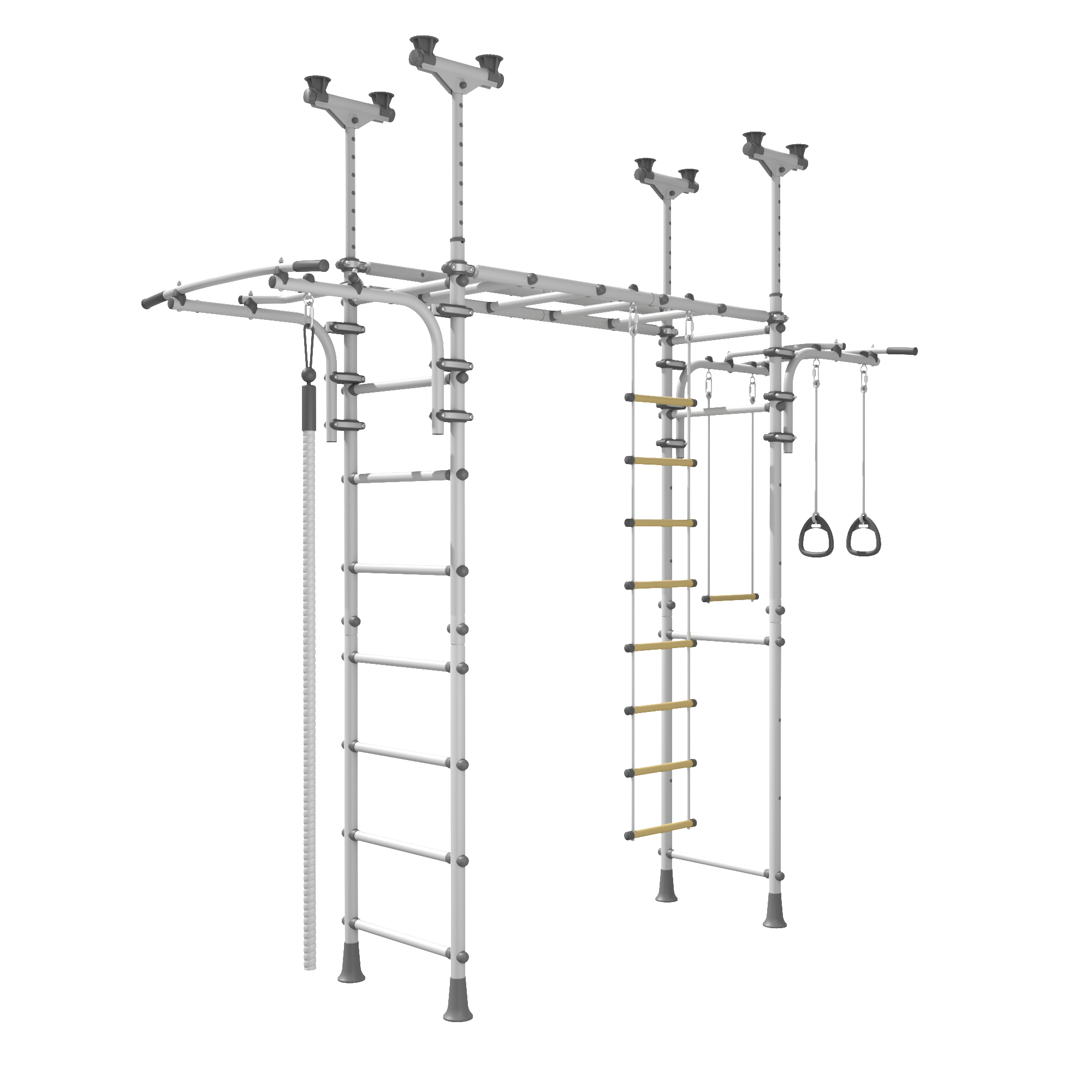
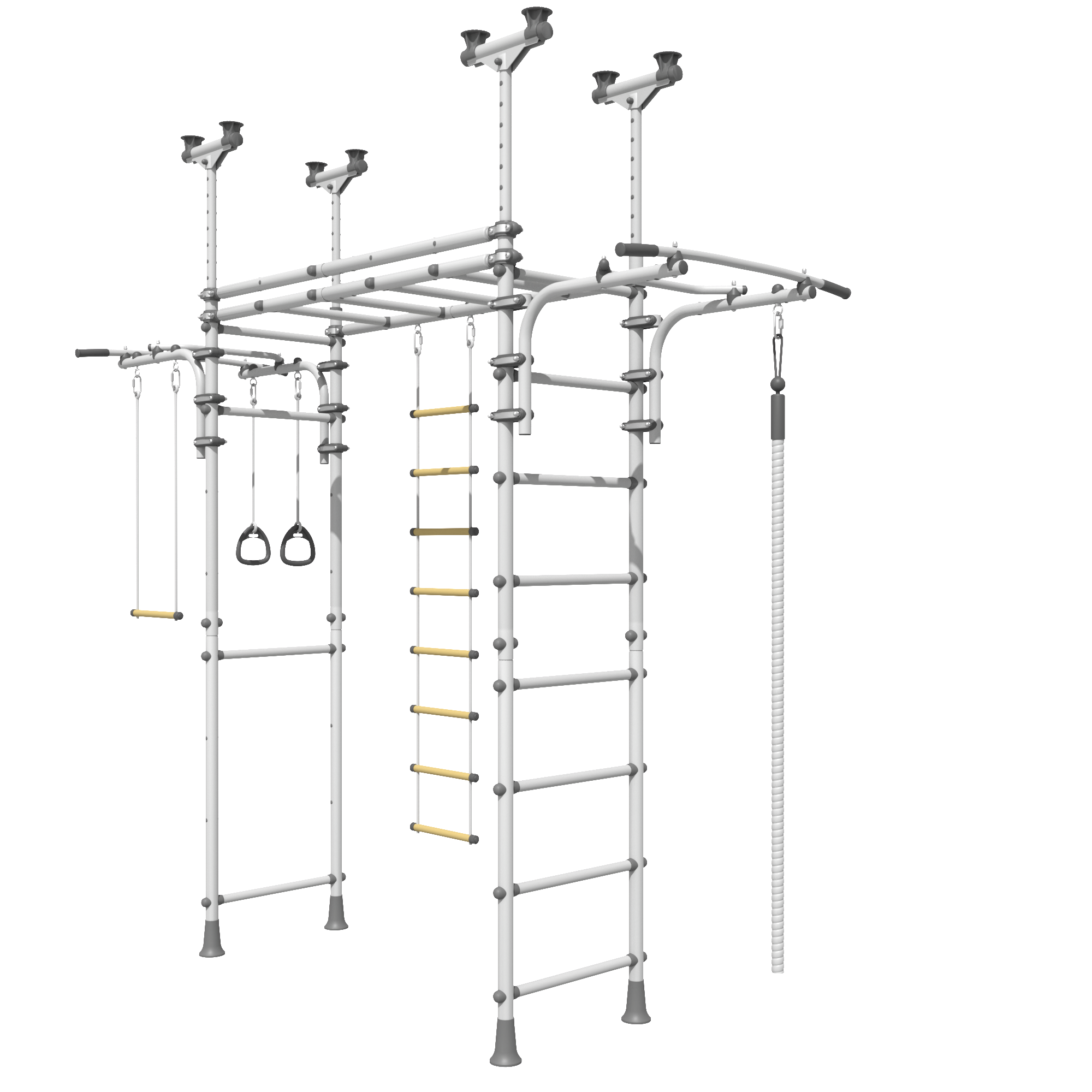
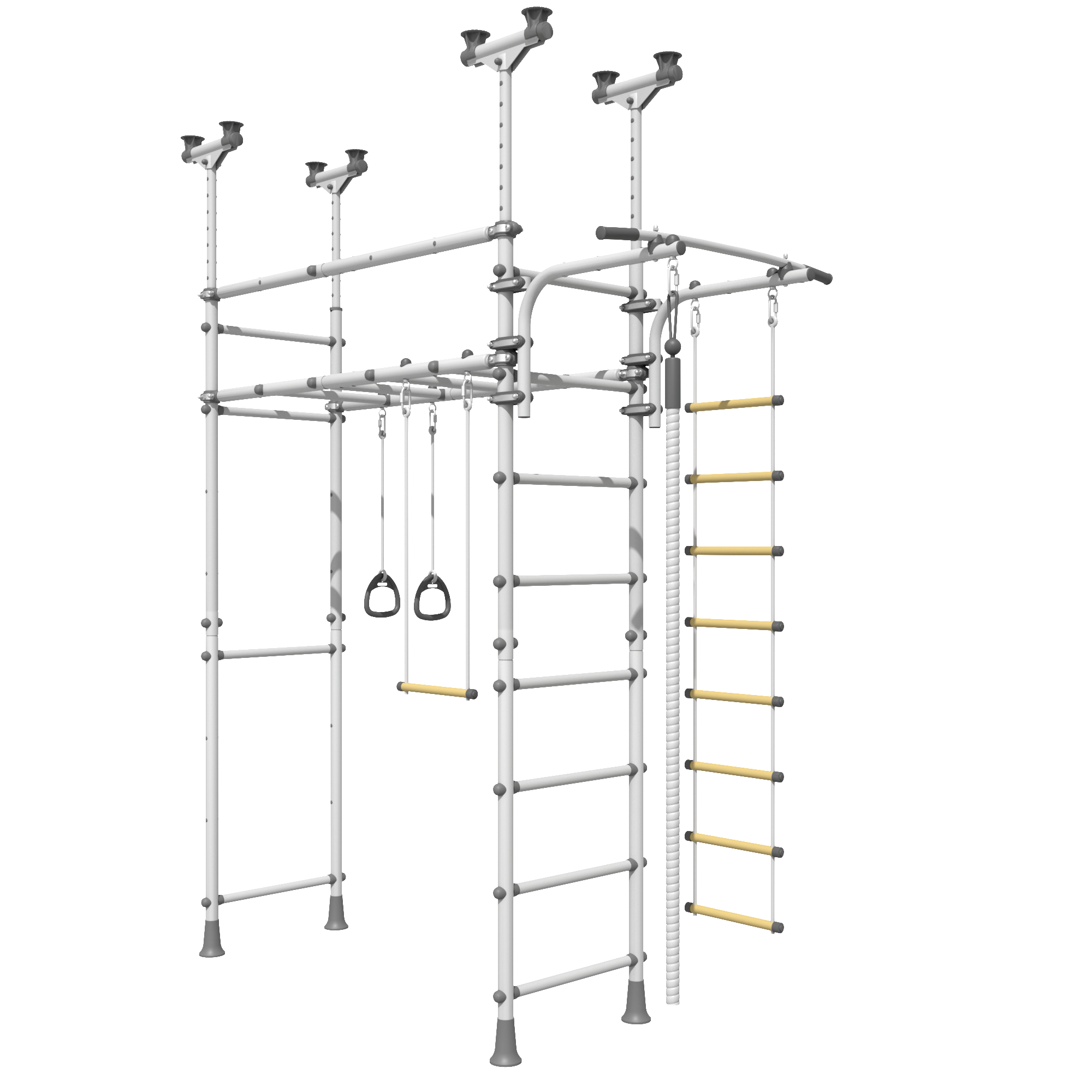
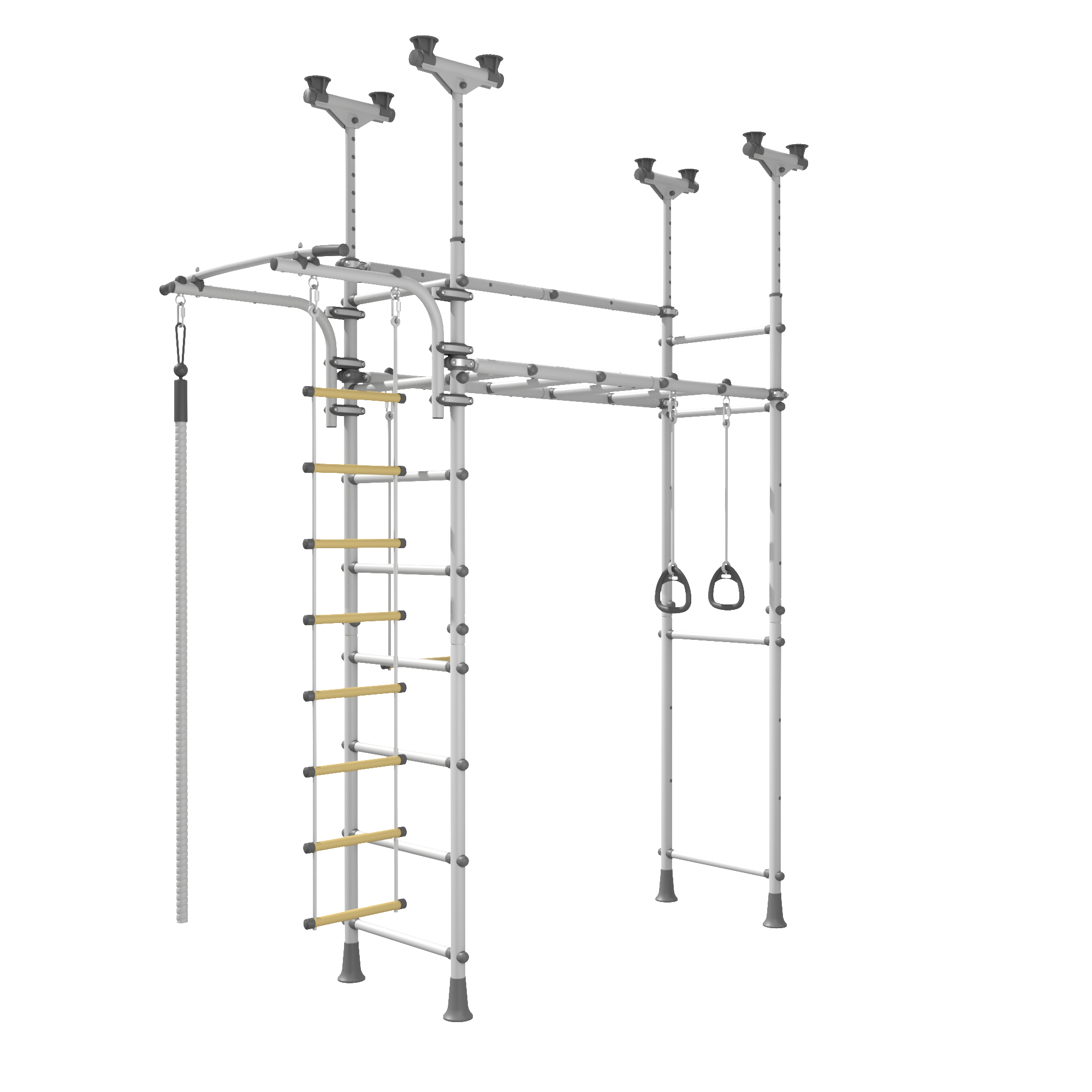
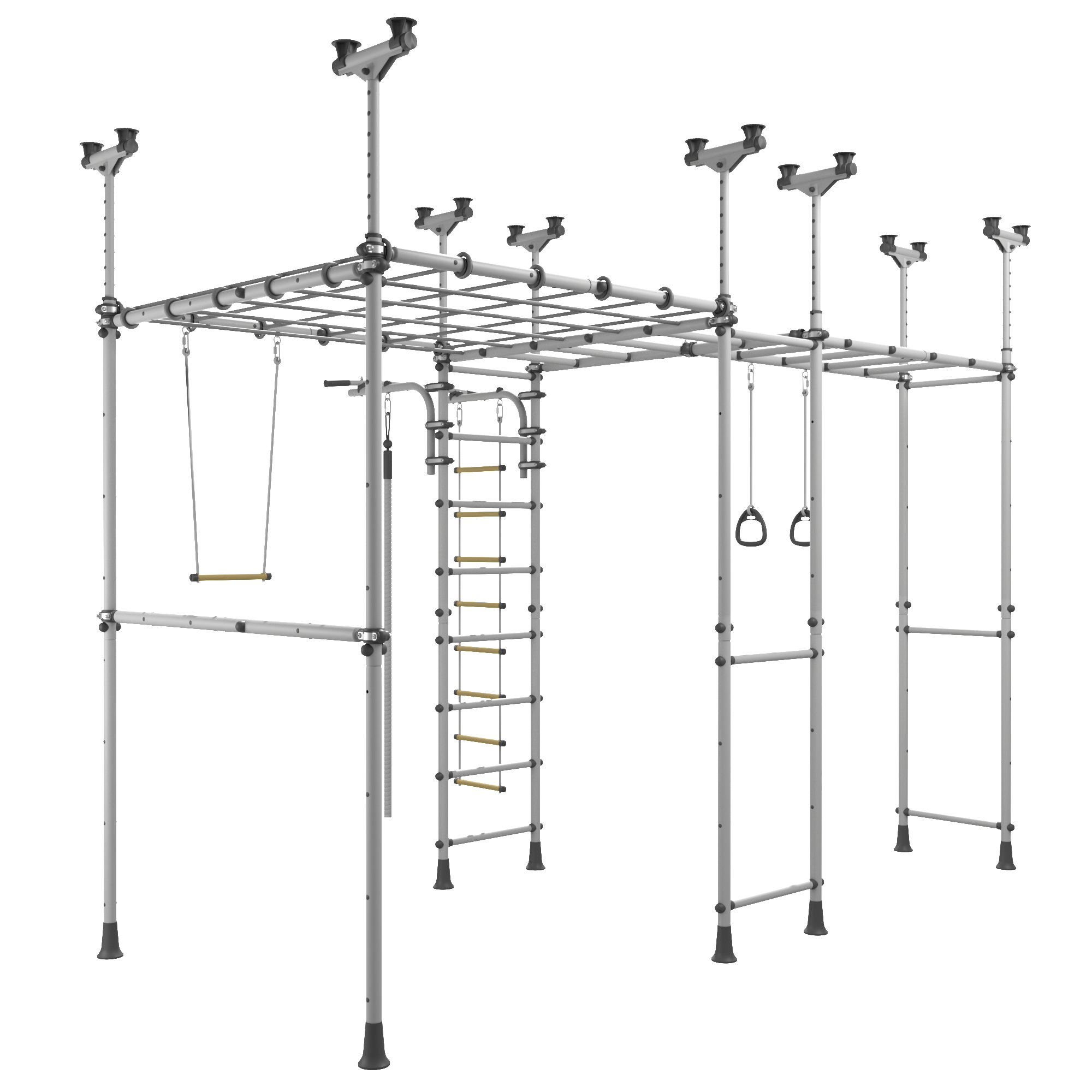
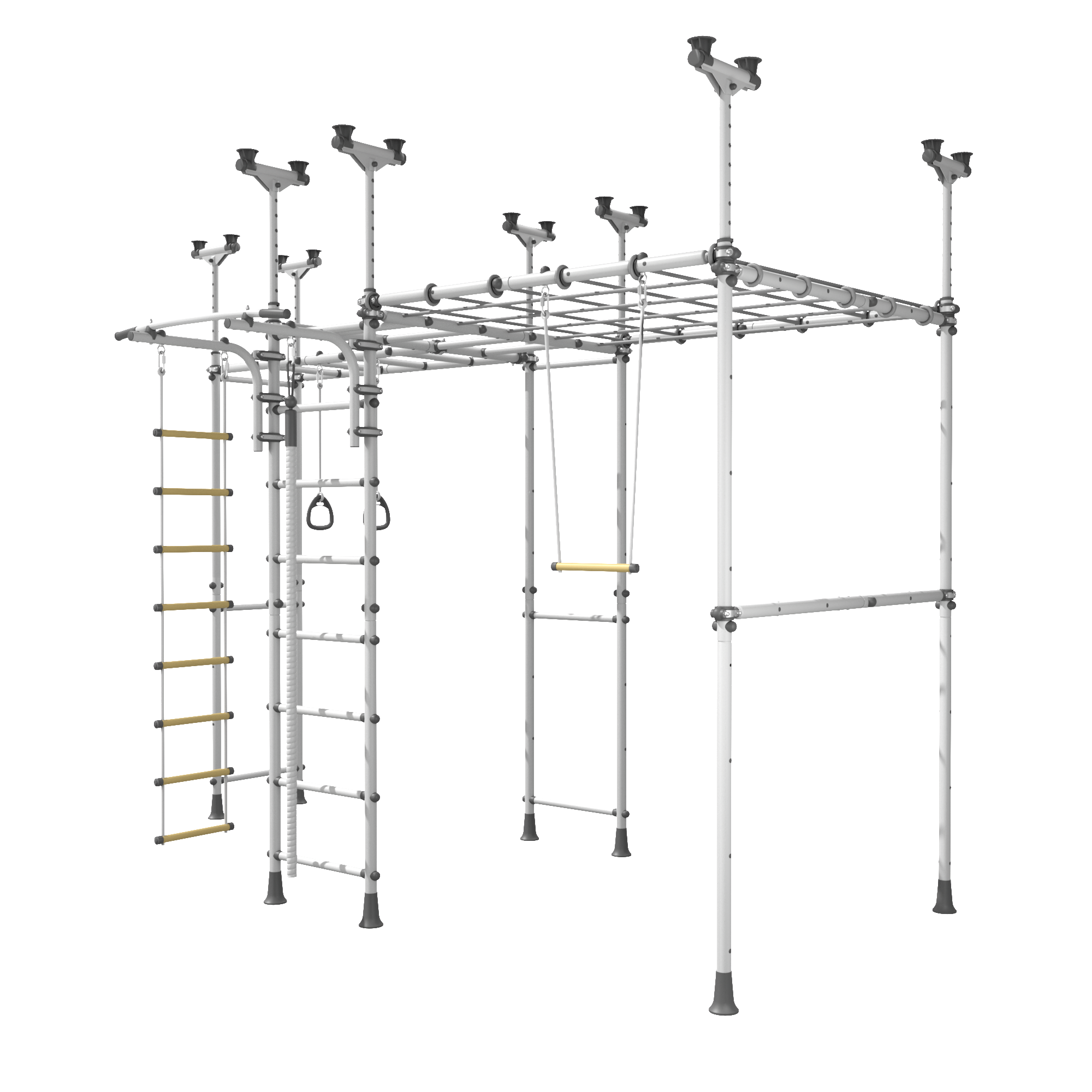
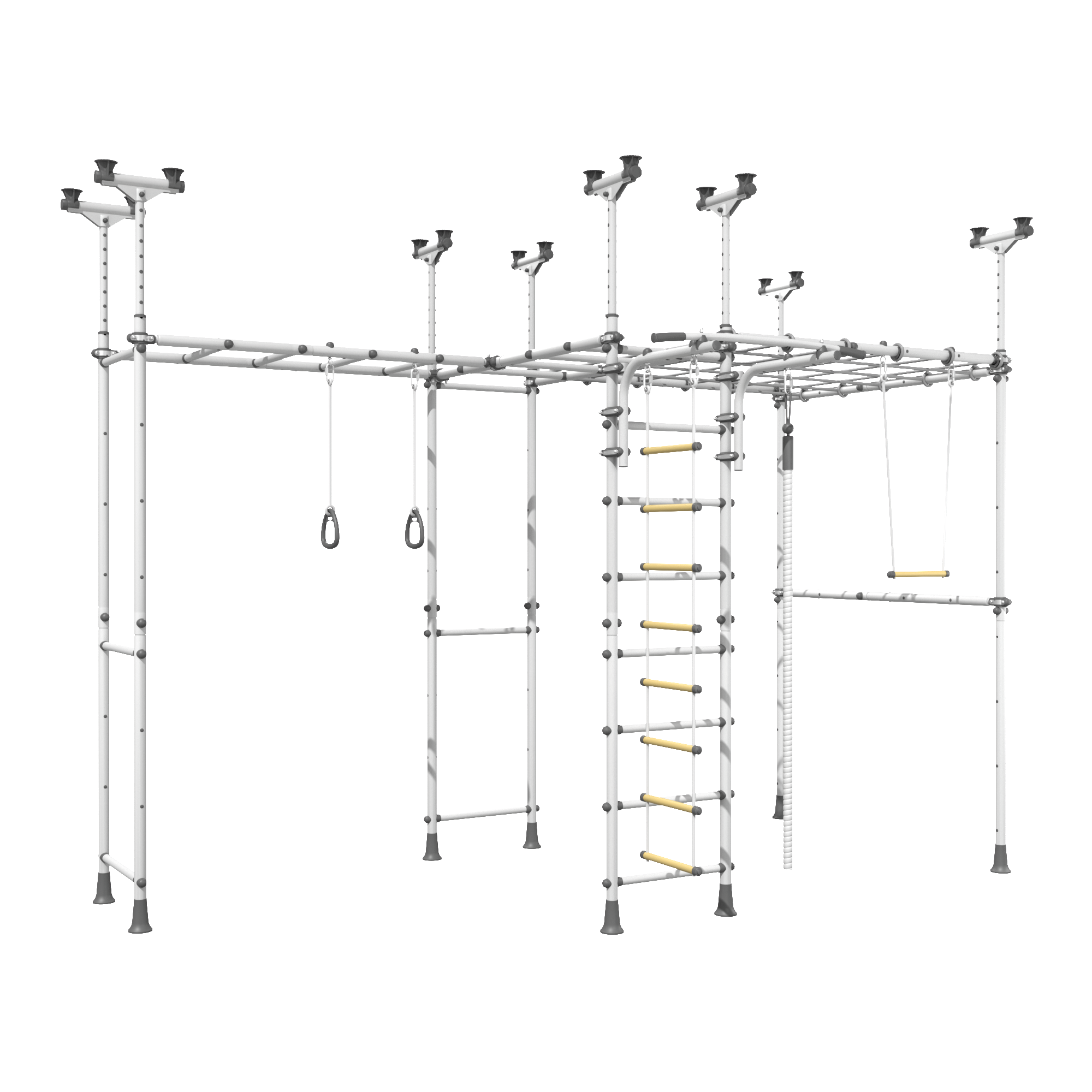
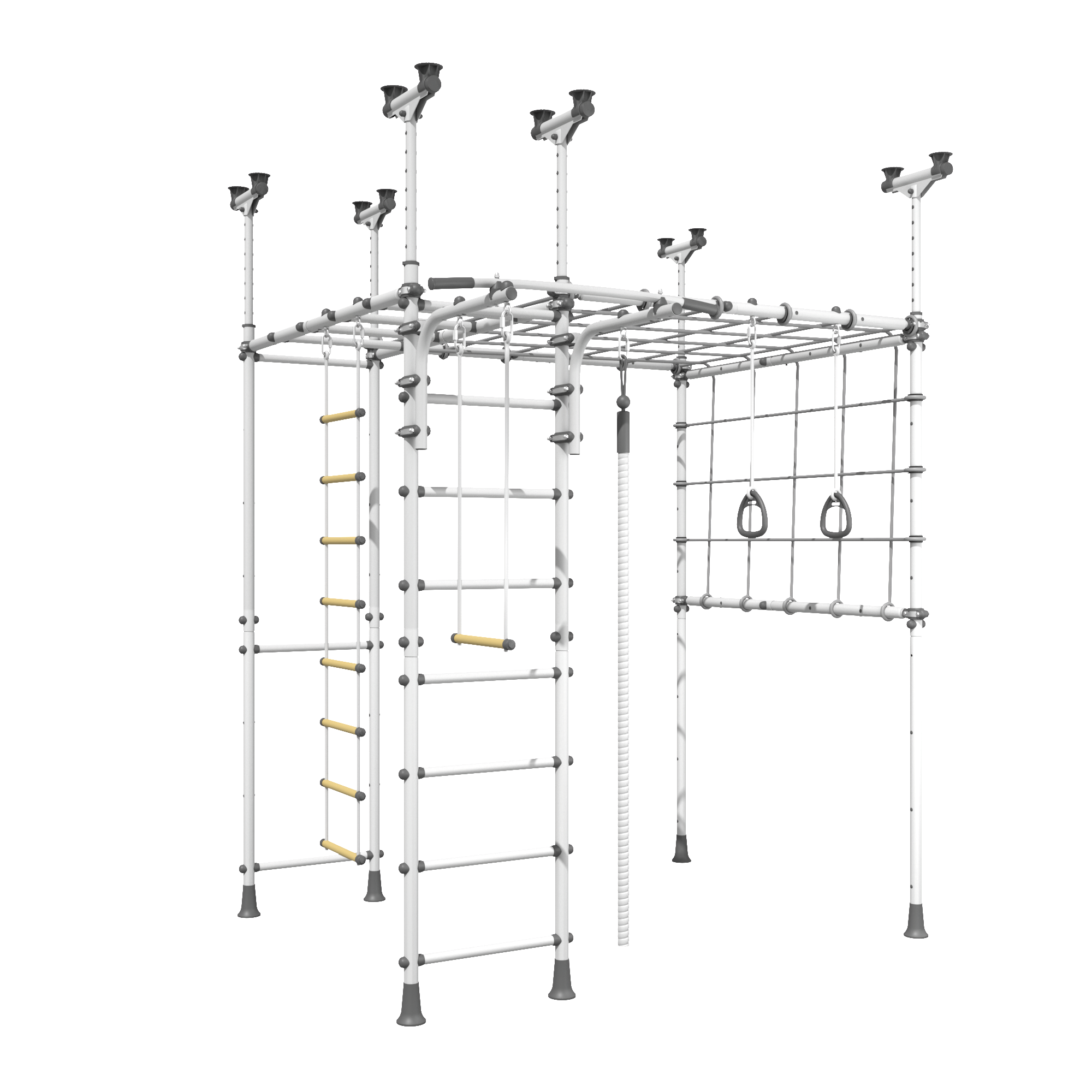
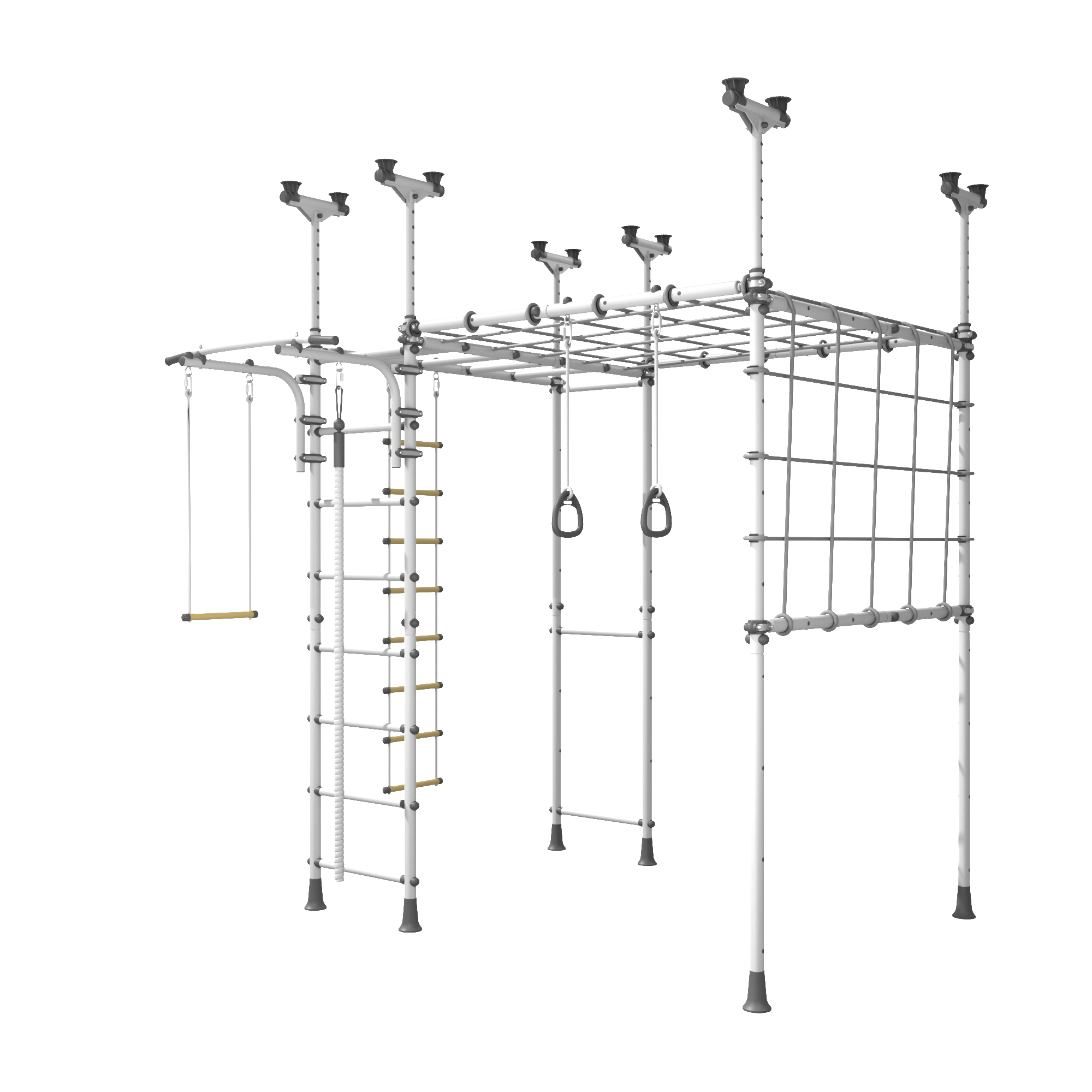
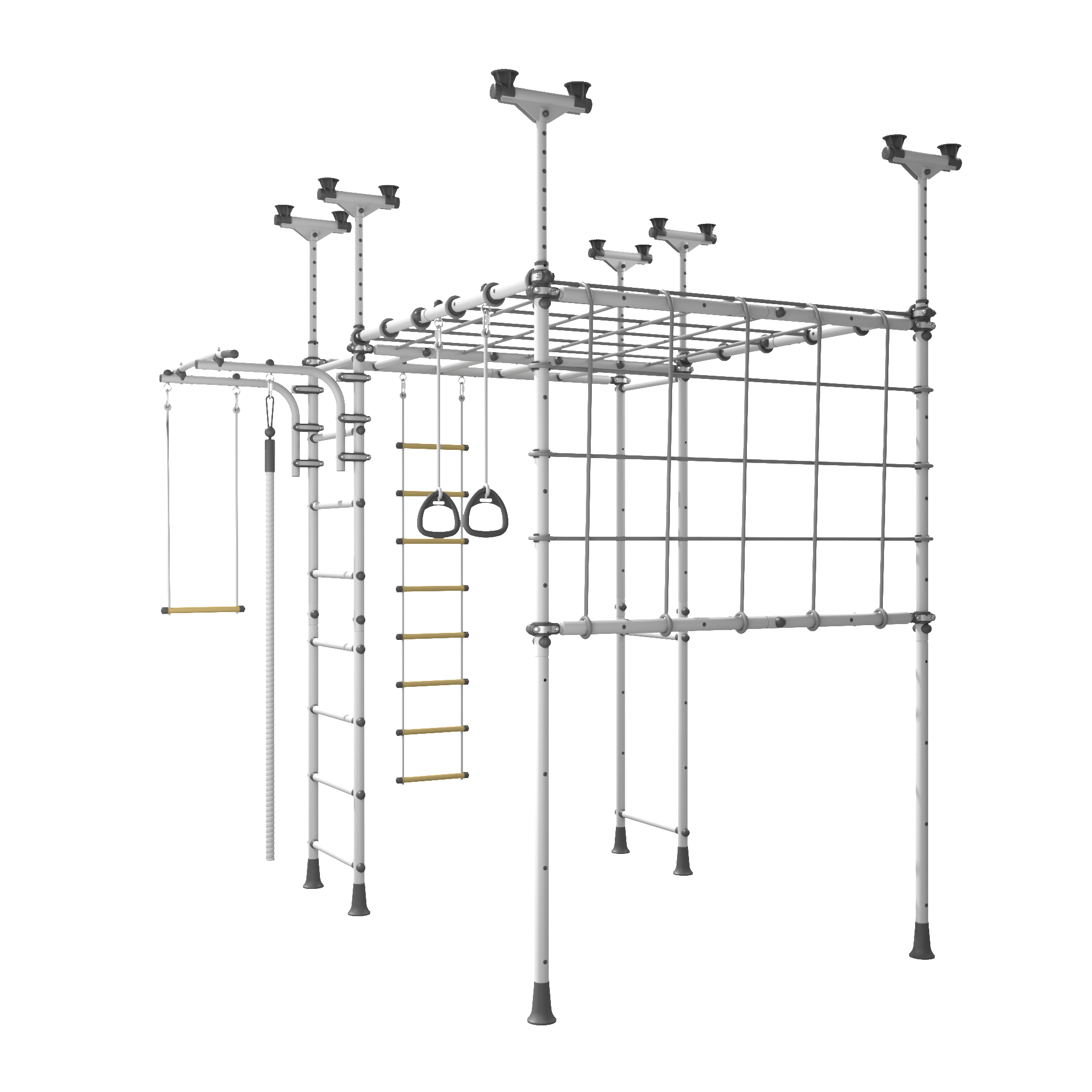
Not all toddler climbing toys are built for long-term use. Many are made from wood or plastic and sized only for short stages of growth. Others lack the flexibility or safety features needed for real developmental support. Brainrich Kids climbing system is made from high-grade steel, not wood or PVC. It is strong, durable, and designed for indoor home use without requiring permanent installation. That means no drilling into walls or ceilings. Setup is straightforward and holds up to daily play from toddlers and beyond. What sets us apart:

  • Modular design that grows with your child
  • Weight-rated for multiple children at once
  • Adjustable parts for ages 1.5 through the teen years
  • Approved by occupational and physical therapists
  • Used by over 10,000 families, including homeschoolers

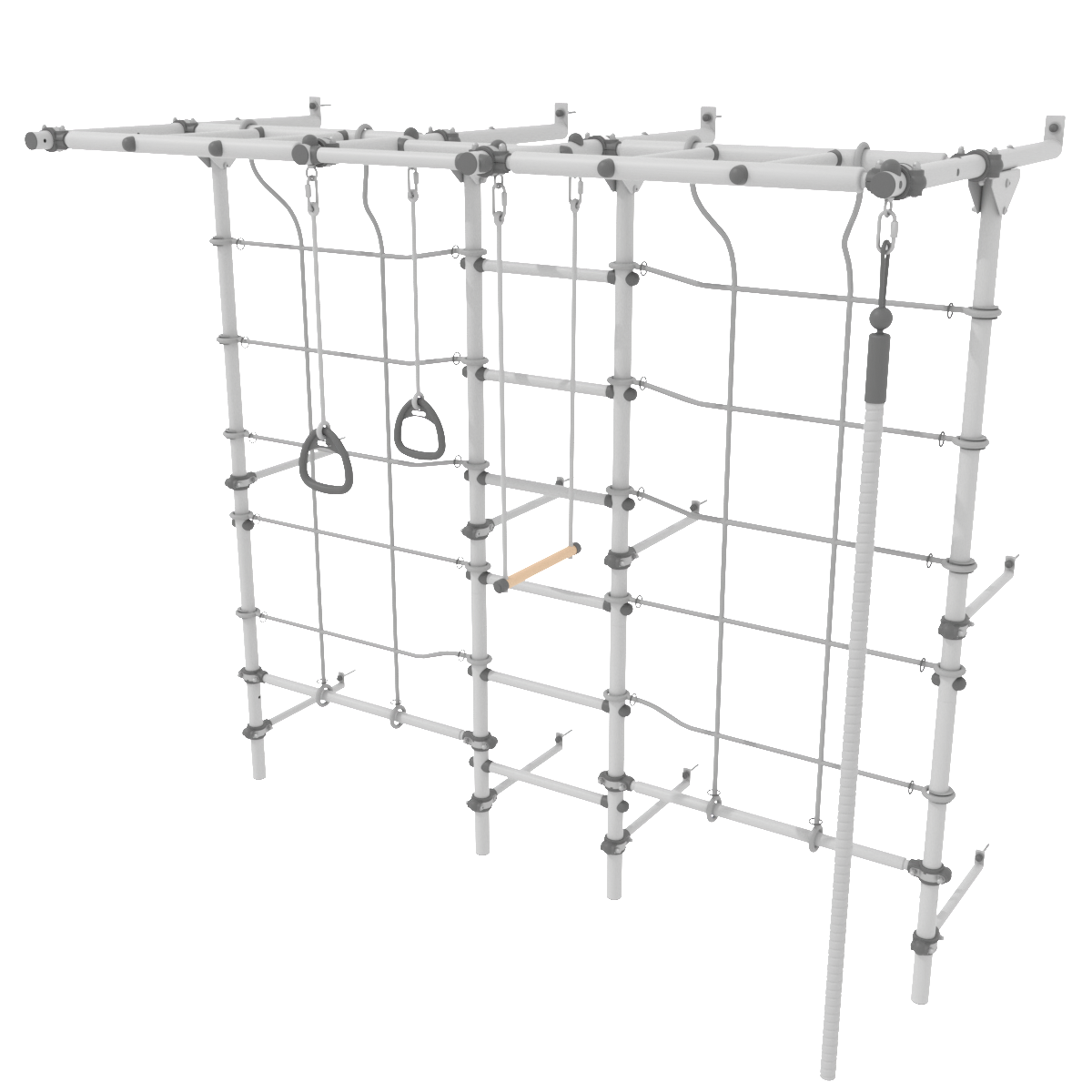
The system also works well with attachments. Swings, rings, and ladders can all be added to create variety and keep toddlers engaged through different phases. To understand how swings support regulation and balance, check out the Five Benefits of Having Indoor Swings for Kids. Our focus is on giving toddlers safe, consistent access to movement that supports them at every stage of development.

Best Toddler Climbing Toys For Small Homes

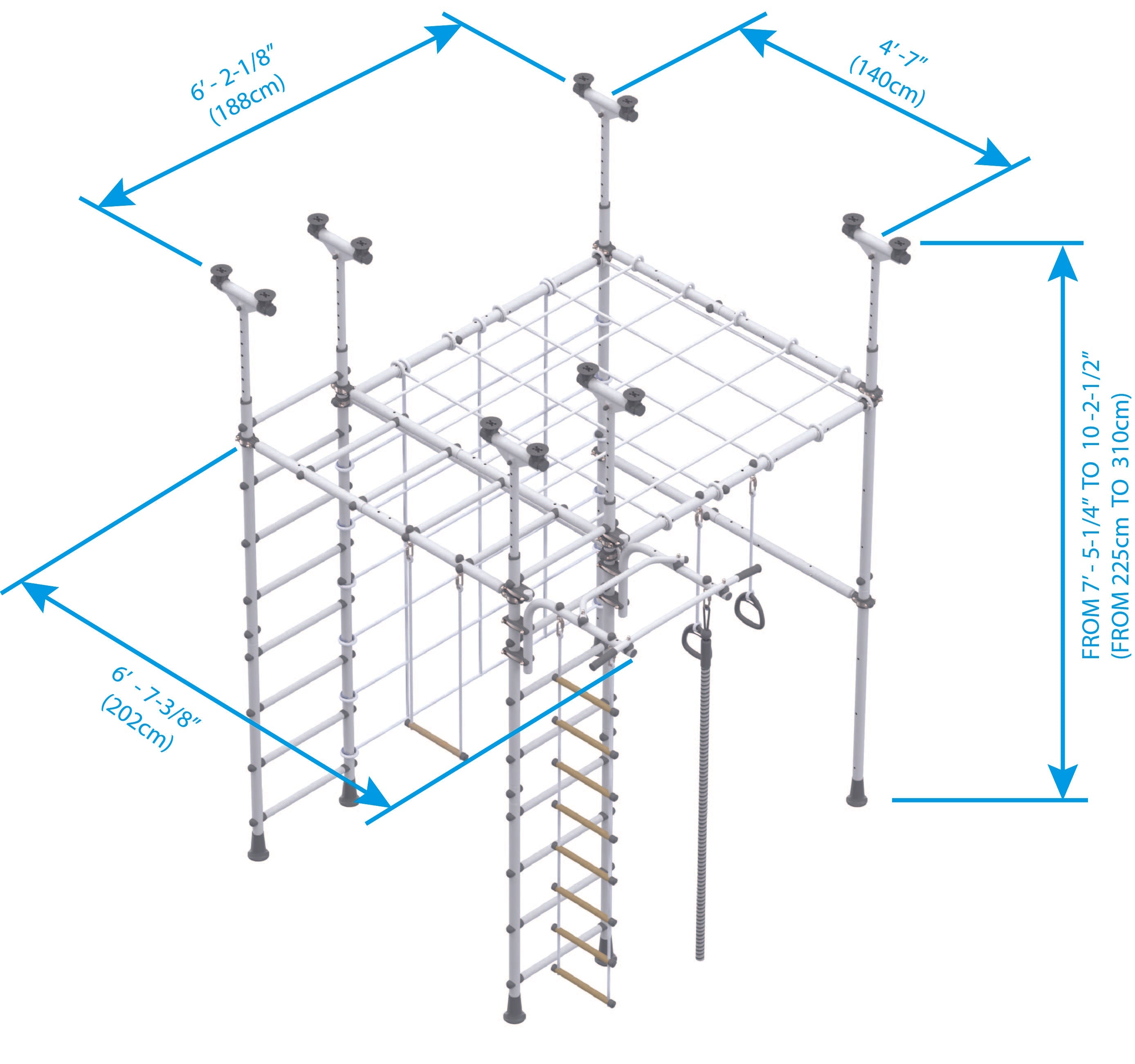
Living in an apartment or a home with limited space should not stop your toddler from moving. The best toddler climbing toys are designed to fit real homes, not just wide-open playrooms. Space-saving does not have to mean basic. The key is to look for toys that are strong, modular, and made to adapt. Our climbing system fits into corners, along walls, or even shared spaces like living rooms or bedrooms. It is compact enough for daily use but designed for full-body movement. Why Brainrich Kids system works in smaller homes:

  • No drilling or wall mounting required
  • Freestanding steel frame that stays secure during use
  • Can be paired with soft mats to create a safe play zone
  • Easy to adjust or expand as your child grows
  • Designed for indoor home use throughout the year

Even if space is tight, climbing toys still support brain development, coordination, and sensory input. With the right setup, you can create a safe movement space that works within your home without sacrificing function or safety.

Climbing Toys For Toddlers That Build Confidence

Confidence doesn’t come from being told “good job.” It comes from trying, failing, and trying again. Brainrich Kids climbing toys give toddlers a chance to take small, safe risks and build trust in their own abilities. When a child climbs, balances, or hangs, they are learning more than physical skills. They are learning that effort leads to progress. Over time, this builds both independence and emotional resilience. Research suggests that physical play supports self-esteem, focus, and regulation in early childhood. These emotional gains matter just as much as motor skills or coordination. Why climbing builds confidence:

  • Children see progress in real time
  • Repetition builds both skill and trust
  • Success comes through their own effort
  • Helps toddlers manage frustration and try again
  • Encourages calm regulation after movement

Climbing toys also encourage imaginative play, especially when the structure supports open-ended movement. A ladder can become a bridge. A bar can become a rocket. These creative moments help toddlers connect movement with meaning. With the right setup, toddlers begin to trust their own bodies, explore their ideas, and feel confident in what they can do.

Sensory Play At Home For Every Season

Cold winters and hot summers can make it hard to get toddlers outside. For families who live in apartments, homeschool, or have limited access to parks, daily movement and sensory play still need to happen indoors. That’s where climbing toys offer more than just physical benefits. They create a consistent, predictable space for kids to reset, regulate, and move their bodies in ways that support sensory needs. Why indoor climbing supports sensory play:

  • Helps toddlers release energy safely
  • Encourages self-directed movement
  • Builds routines around regulation
  • Pairs well with other calming activities like deep pressure or swinging

Climbing can also be combined with tactile play using soft mats, balance boards, or tools that involve scooping and grasping. These activities give toddlers multiple ways to explore and calm their bodies. For more ways to create movement-rich sensory setups at home, check out our guide on Sensory Play for Toddlers. An indoor play space does not need to be large. It needs to be intentional, safe, and consistent. That matters most for toddlers who rely on routine to feel in control.

Support Their Growth With Safe Movement At Home

Your toddler doesn’t need a gym or a huge backyard to thrive. What they need is a space that supports safe, consistent movement every day. That’s where our climbing systems come in.

Brainrich Kids offers toddler climbing toys made from high-grade steel, not wood or plastic. Our equipment is strong, modular, and designed for indoor home use without drilling or permanent installation. It adapts as your child grows and is approved by both occupational and physical therapists. Why families choose our systems:

  • Built for toddlers through teens
  • Holds multiple kids at once
  • Trusted by over 10,000 families
  • Works in small homes and apartments
  • Encourages imaginative play and independence
  • Supports brain development, focus, and balance

You don’t need perfect weather or a huge space to give your child the movement they need. With the right tools in place, your home can become a safe, sensory-friendly space where growth happens every day. Let them climb. Let them move. Let them grow.


Read Also:


Sources:

  1. Mao, F., Huang, F., Zhao, S., & Fang, Q. (2024). Effects of cognitively engaging physical activity interventions on executive function in children and adolescents: a systematic review and meta-analysis. Frontiers in Psychology, 15. https://doi.org/10.3389/fpsyg.2024.1454447
  2. Ferraro, V. A., Castaldo, R. J., Tonazzo, V., Zanconato, S., & Carraro, S. (2023). Lung Function in Children with Primary Ciliary Dyskinesia. Children, 10(2), 290. https://doi.org/10.3390/children10020290
  3. Cairney, J., Veldman, S. L. C., Kwan, M. Y. W., Hay, J., Bray, S. R., & Faught, B. E. (2024). Associations between motor skill proficiency and cognitive outcomes from childhood to adolescence: Evidence from a large prospective cohort. Brain Sciences, 14(2), 121. https://doi.org/10.3390/brainsci14020121

Frequently Asked Questions

Most toddlers can begin using climbing toys around 18 months, depending on their balance and motor skills. Always supervise and start low to the ground.

Yes. Many designs, including modular steel frames, are made for small spaces. They don't require drilling and are sturdy enough for everyday use.

Indirectly, yes. Movement supports brain development, which can strengthen areas tied to communication and attention.

They don't replace it, but they complement it. Especially during cold winters or hot summers, indoor climbing supports physical and sensory needs.

Short sessions multiple times a day work best. Even 10–15 minutes of climbing helps release energy and build coordination.

Look for stable frames, non-toxic materials, adjustable parts, and therapist approval. It should grow with your child and support full-body movement.