New inventory arrived! Shipping ASAP🎄✨

Best Toys For Imaginative Play

Kids don’t need instructions to play. They create stories, build worlds, and imagine entire realities using whatever is around them. Imaginative play is essential because it builds creativity, social thinking, language development, and problem-solving from an early age. The toys we choose can either limit that process or unlock it. We design toys that do more than entertain. 

Check out our Blog

Ways To Help Your Child Focus: Simple Calming Activities For ADHD

Ways To Help Your Child Focus: Simple Calming Activities For ADHD

Simple calming activities that support focus, emotional control, and daily routines for kids with ADHD from Brainrichkids. Ideal for home...
How To Create A Safe And Fun Home Play Gym Area For Your Kids

How To Create A Safe And Fun Home Play Gym Area For Your Kids

Build a kids' playroom that supports brain development and active play using safe, modular indoor gyms that fit small or...
Montessori Toys Explained: How They Help Kids Learn Through Play

Montessori Toys Explained: How They Help Kids Learn Through Play

Understand what Montessori toys are and how they support brain development and hands-on learning at every stage of early childhood...

Why Imaginative Play Matters For Brain Development

Imaginative play supports early brain development and executive function. When children engage in pretend play, role play, or storytelling with toys, they activate brain systems involved in working memory, cognitive flexibility, planning, and social cognition.

A study titled Promoting Executive Function Skills in Preschoolers Using a Play‑Based Program found that preschoolers who participated in structured play, including pretend play, improved on tasks measuring executive function, language, and motor skills after six weeks.

For many autistic kids, imaginative play offers a safe space to explore communication, take turns, and try new roles. It supports social understanding, emotional regulation, and sensory processing in a self‑directed way. Homeschooled children benefit too when play includes open‑ended toys that blend movement, creativity, and focus. Key benefits of imaginative play for brain development:

  • Strengthens executive functions: working memory, self-control, flexibility
  • Supports language development and social communication skills
  • Builds creativity, problem-solving, and adaptive thinking
  • Encourages emotional regulation and empathy
  • Engages multiple senses and supports broader neural development

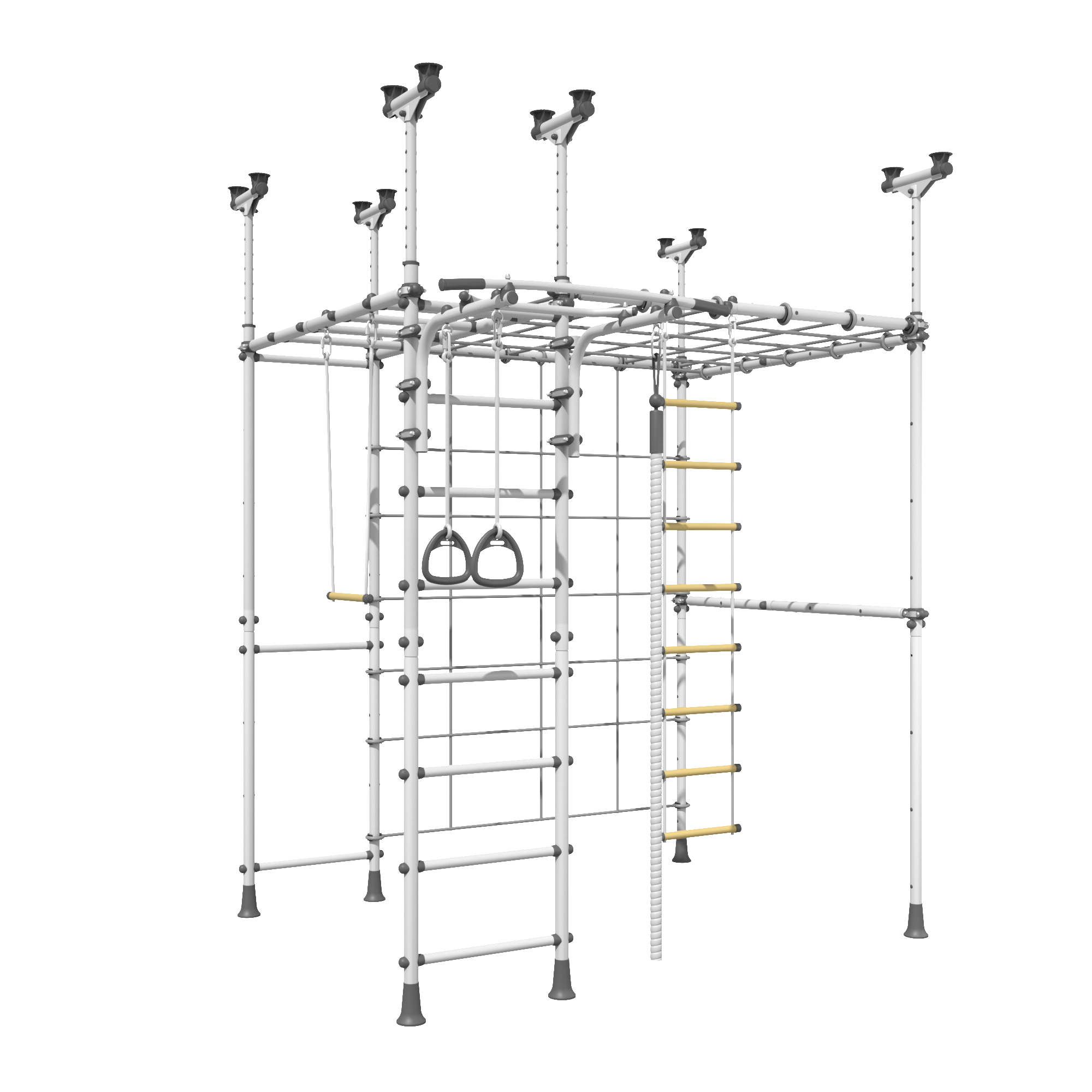
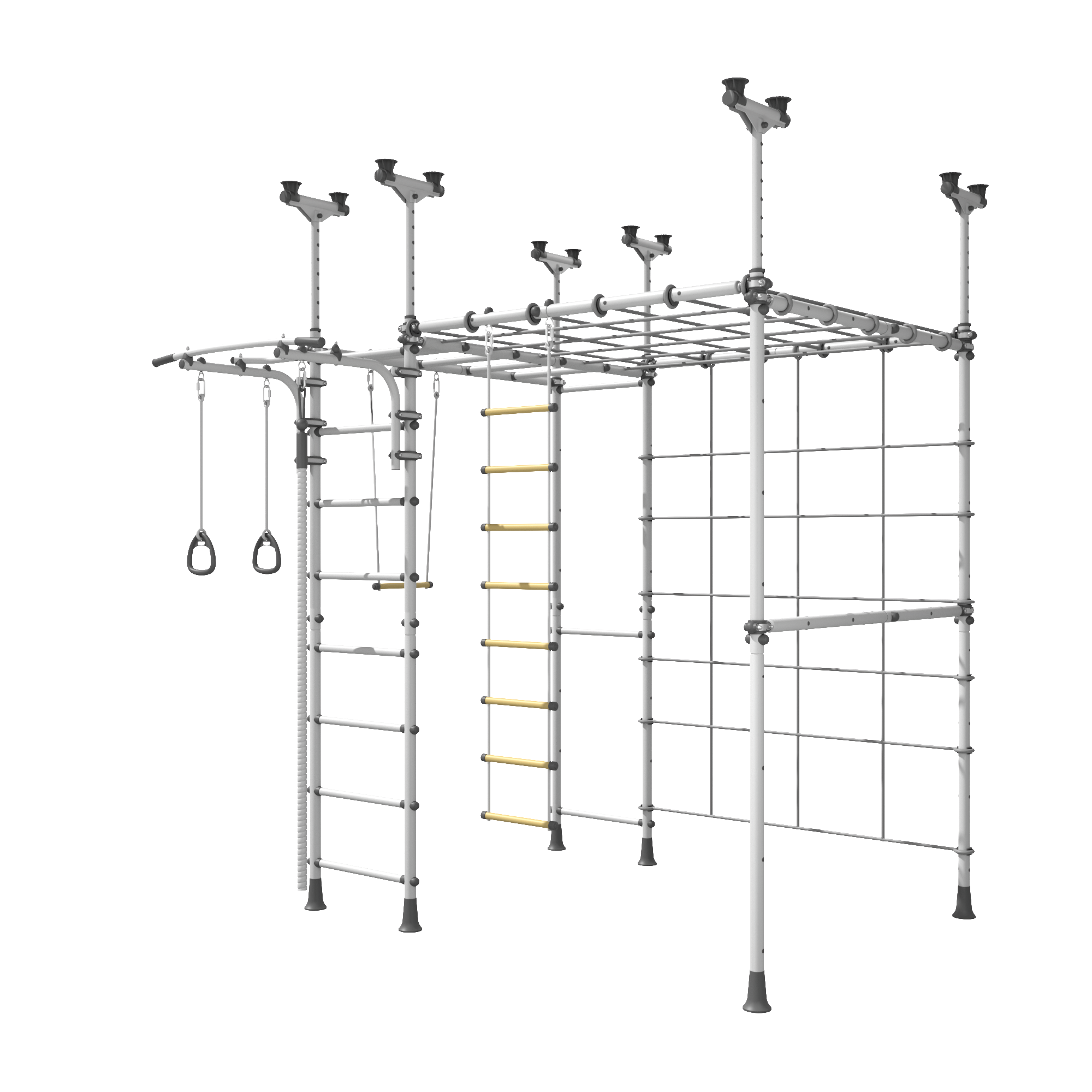
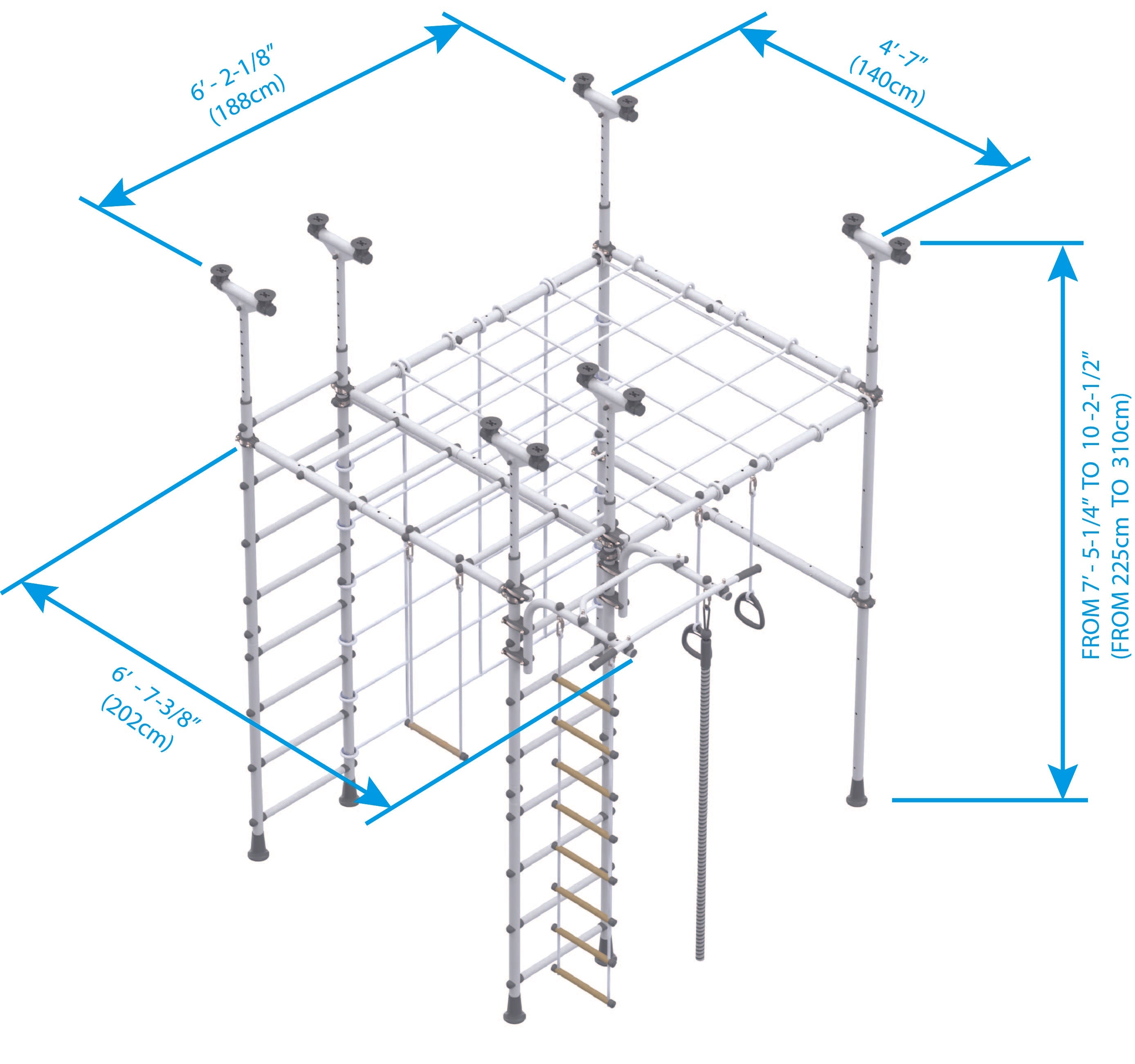
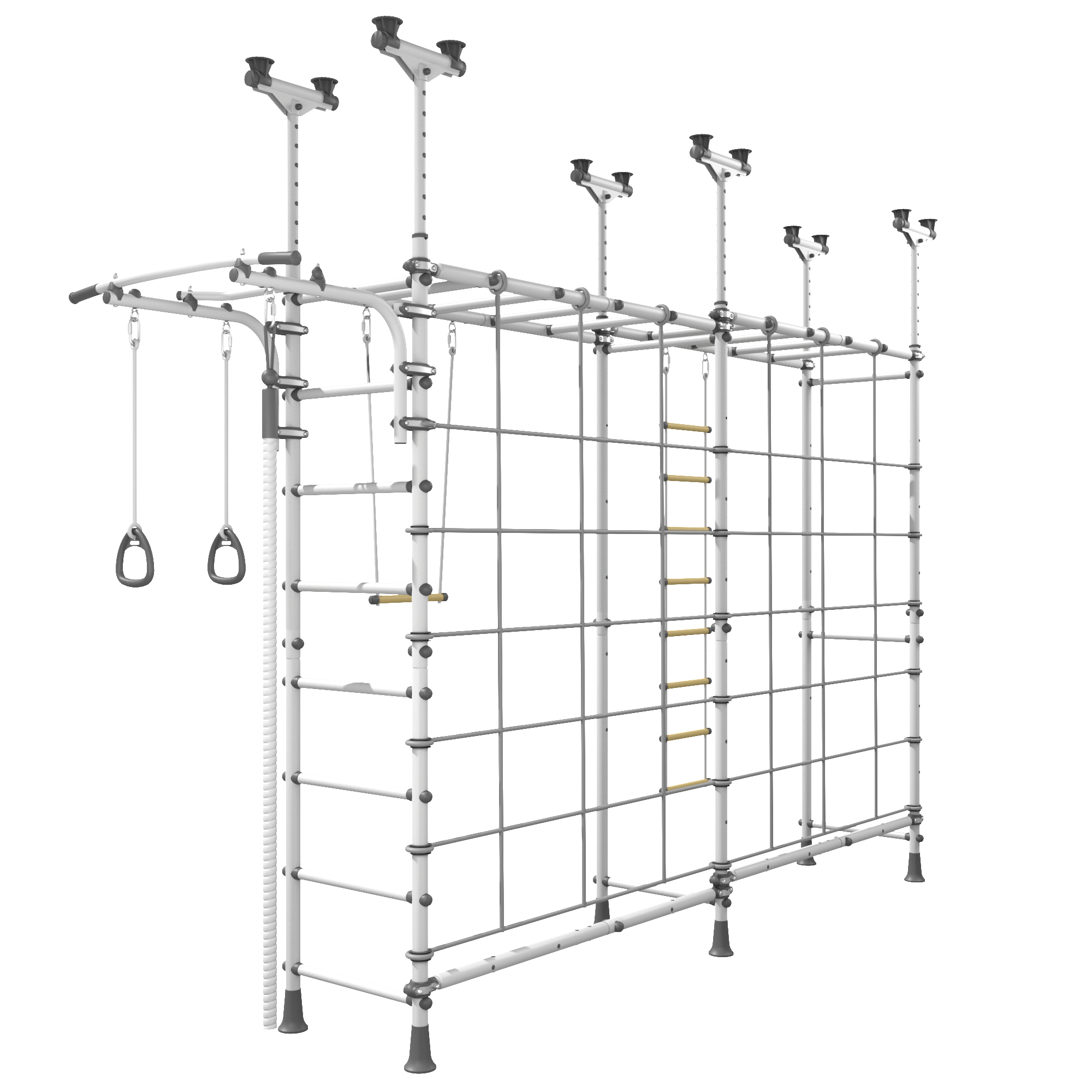
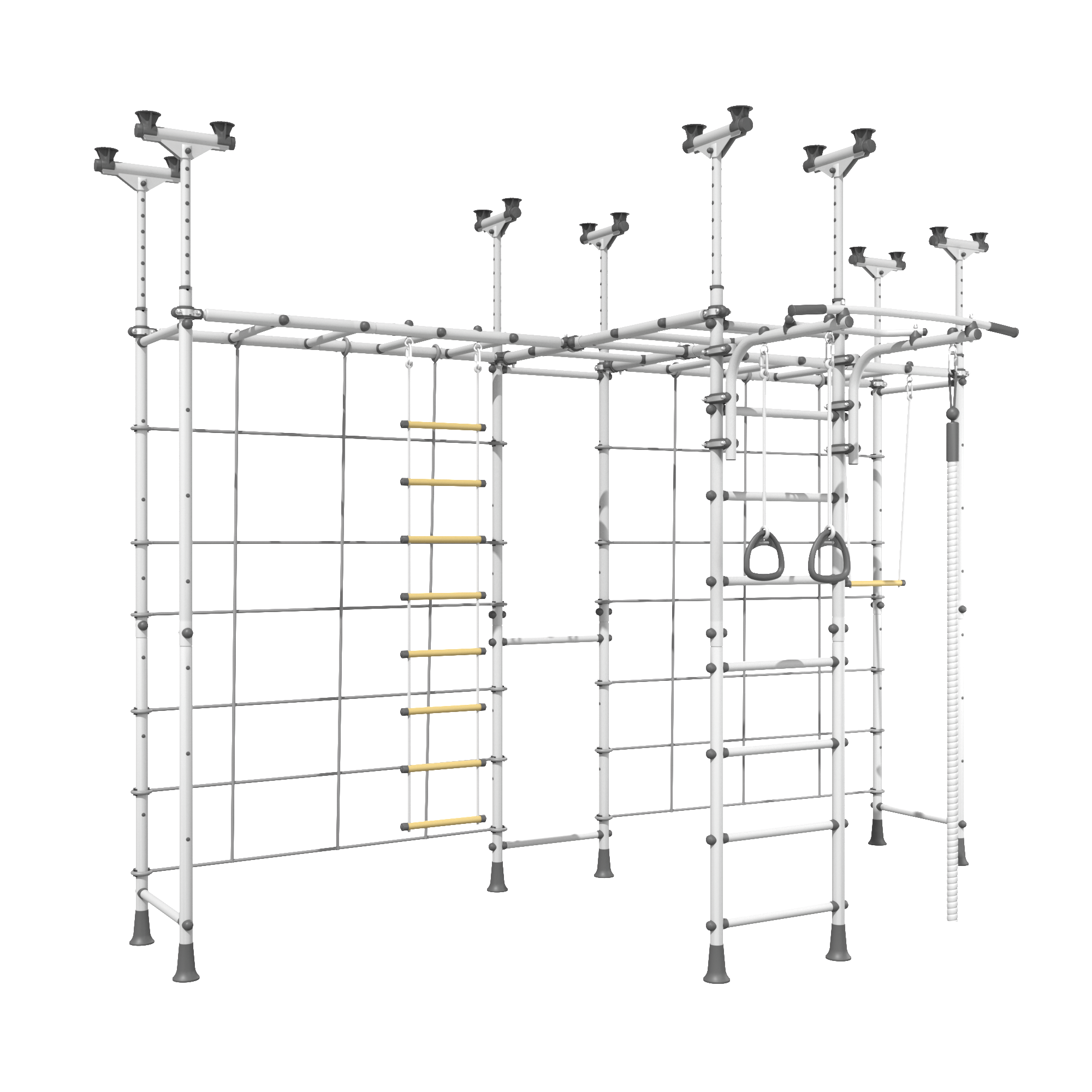
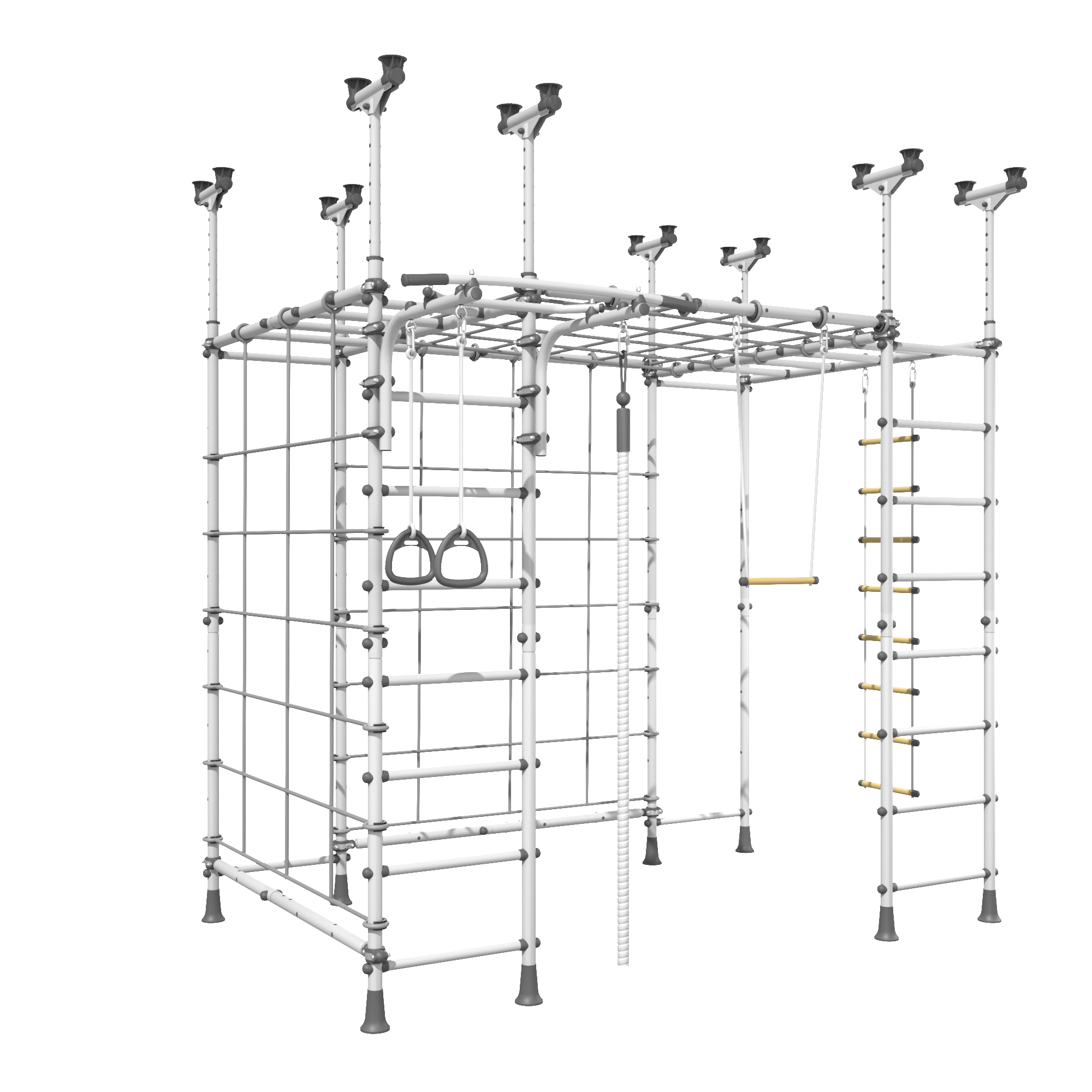
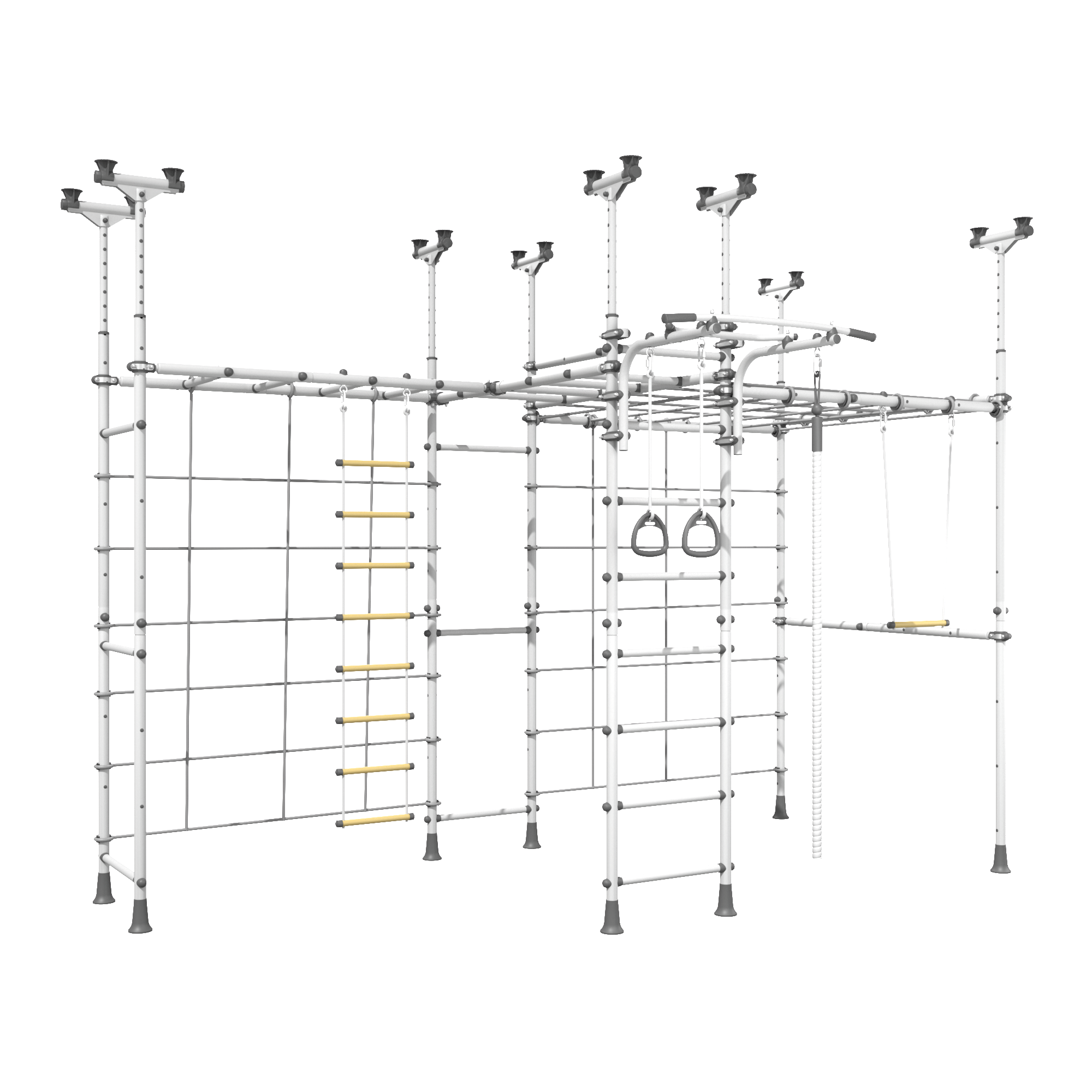
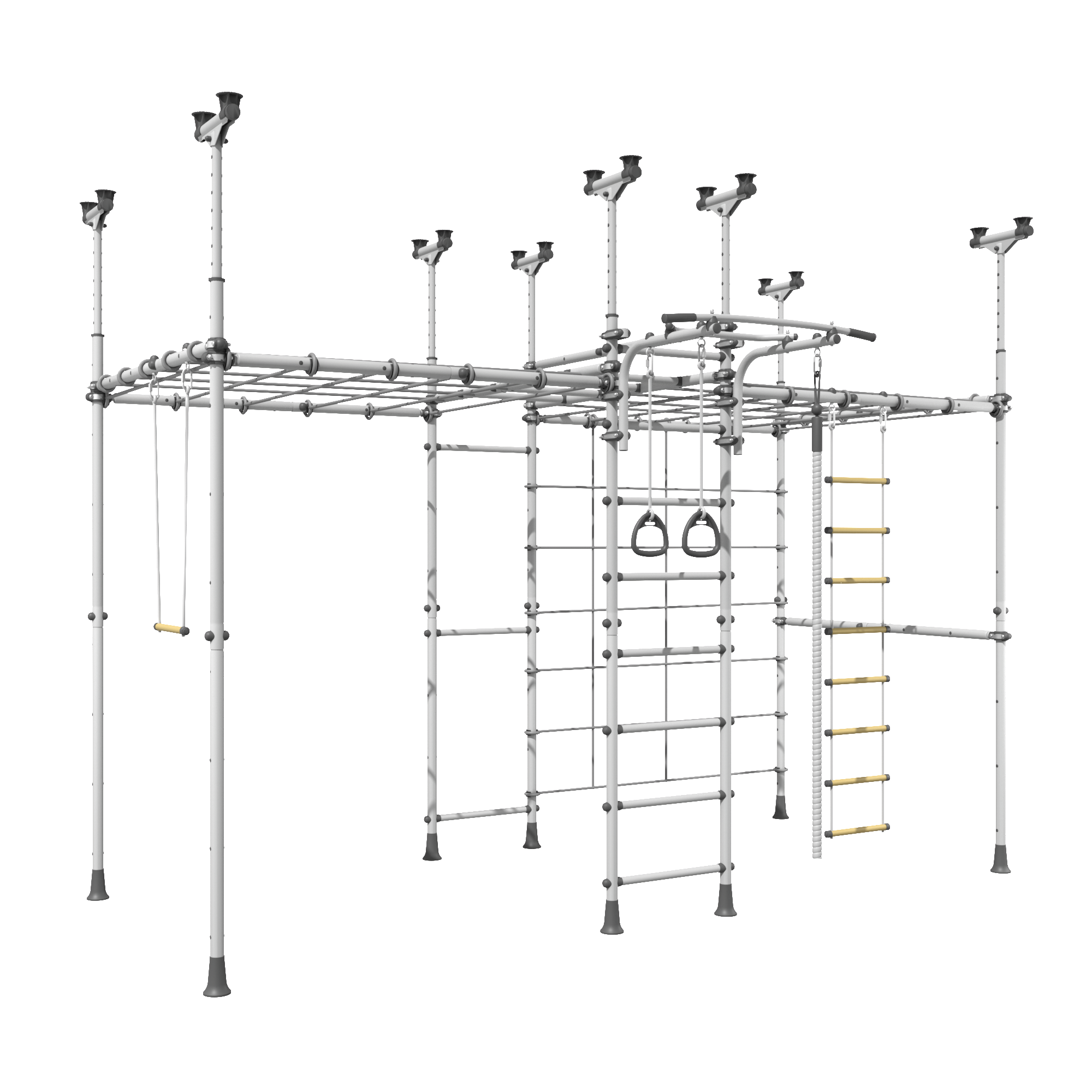
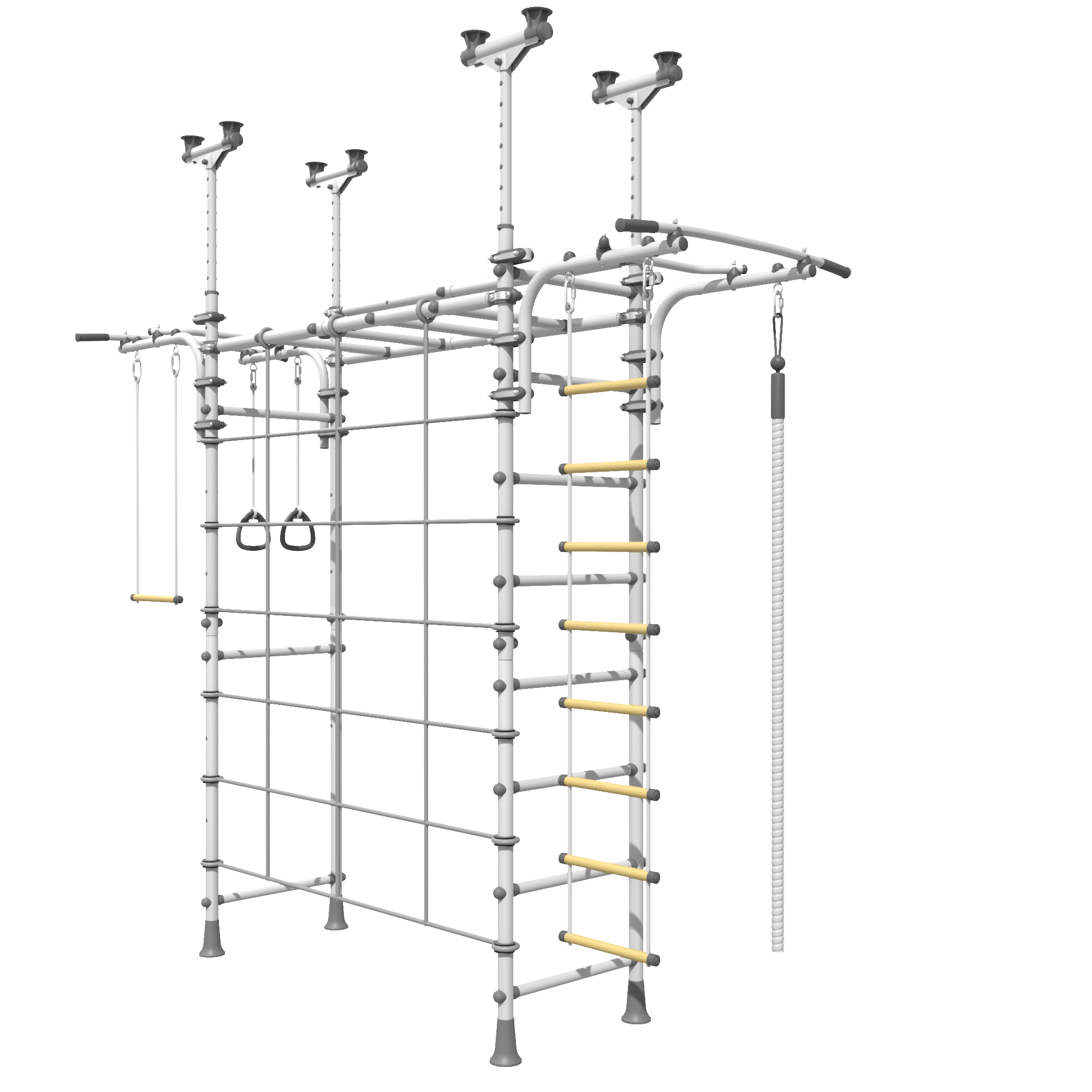
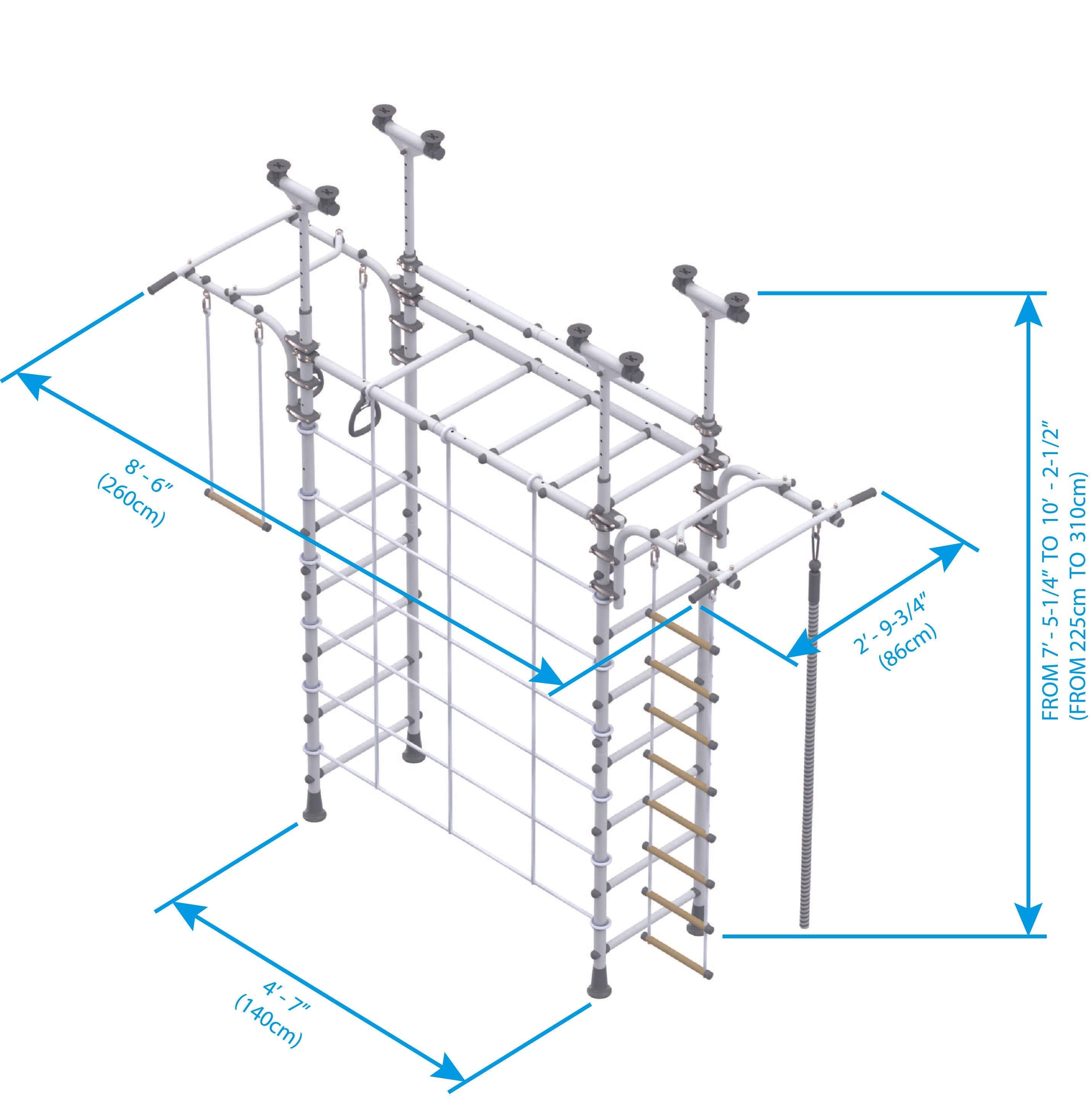
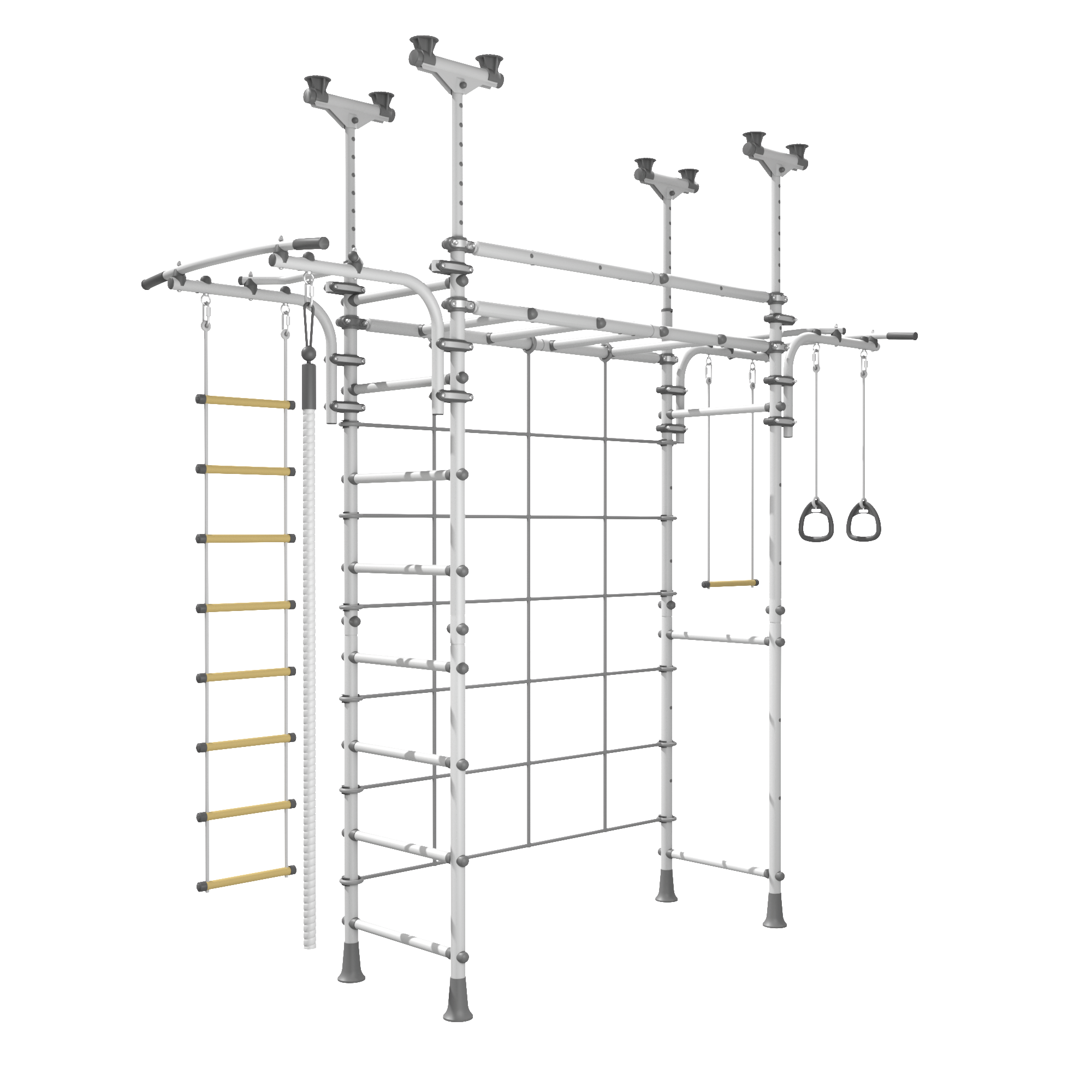
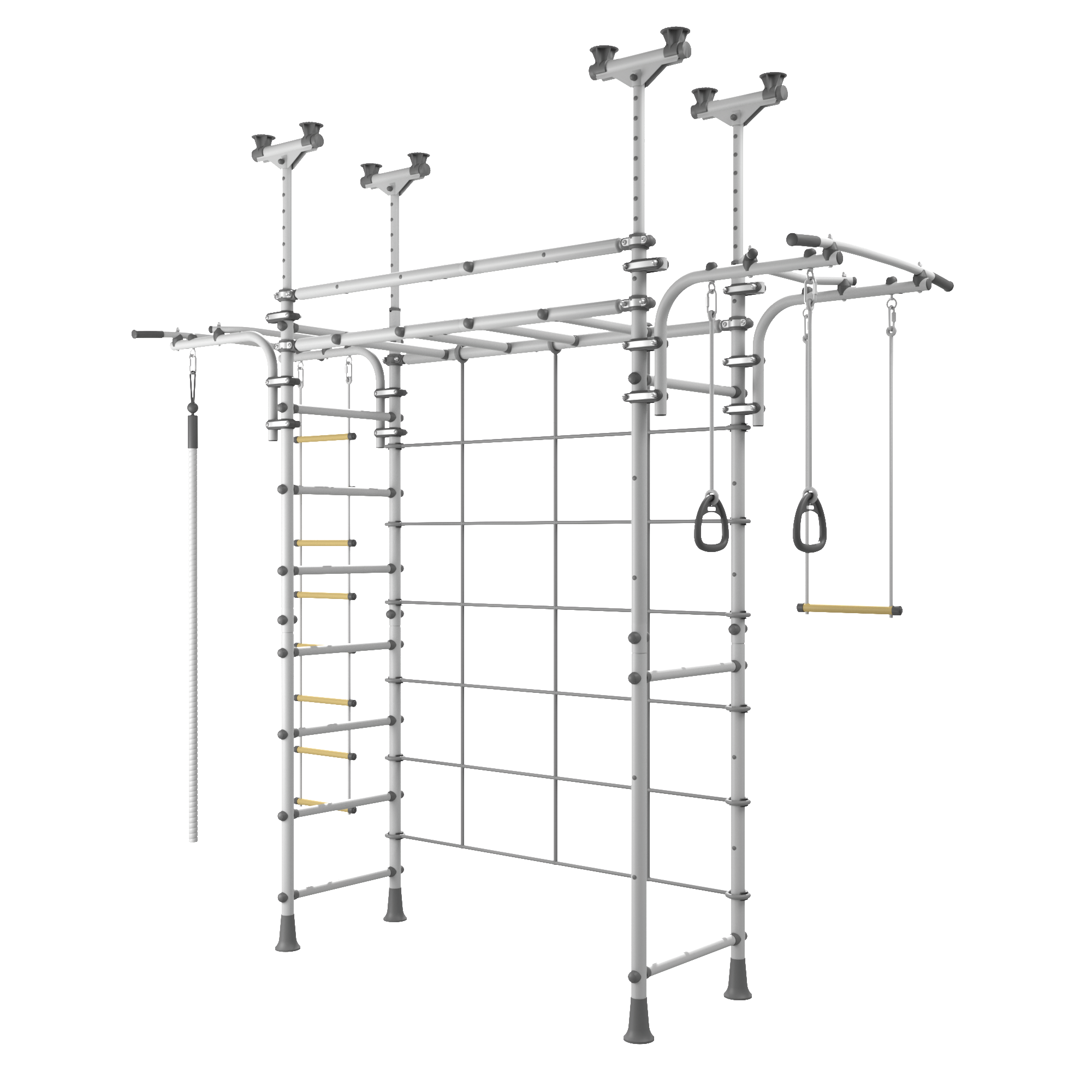
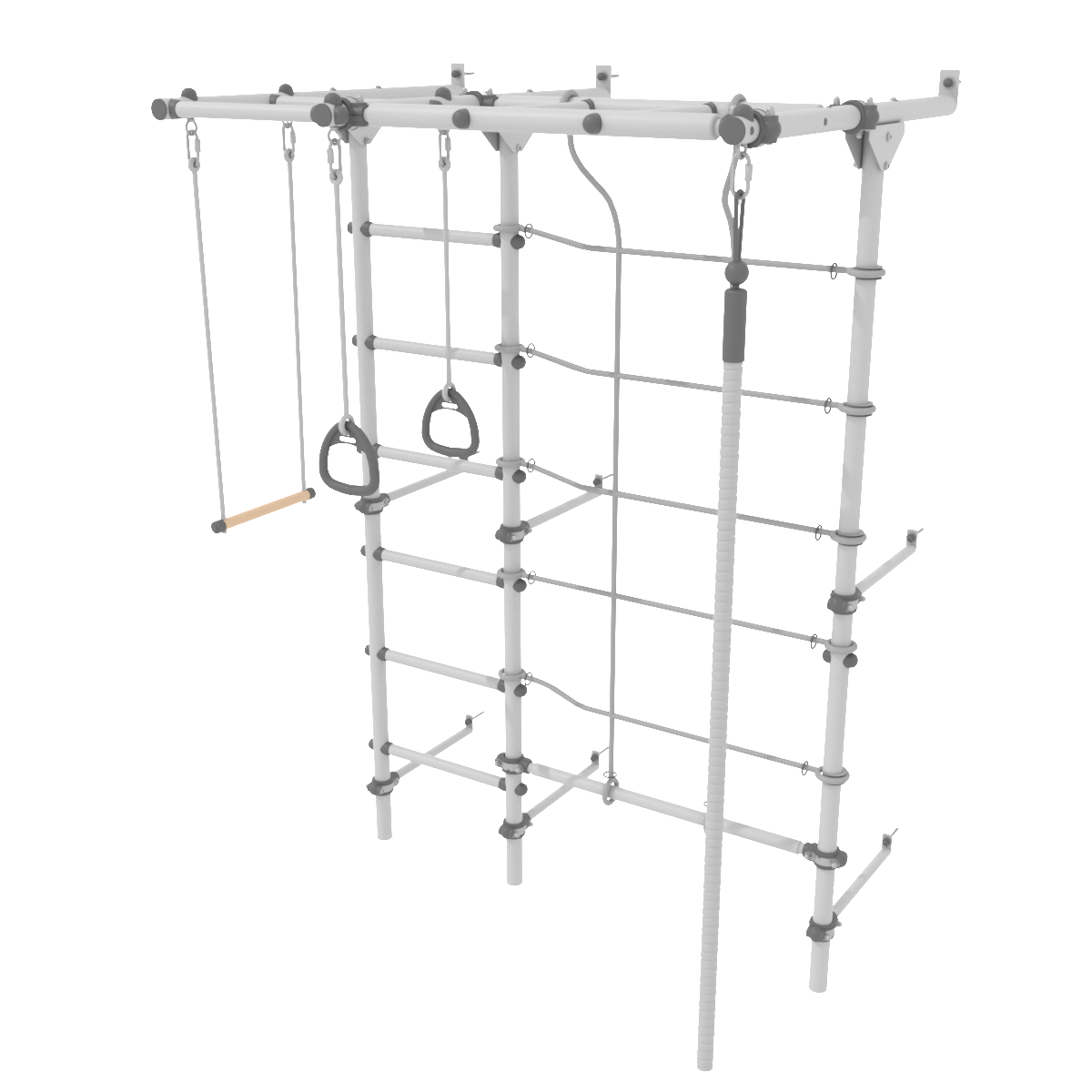
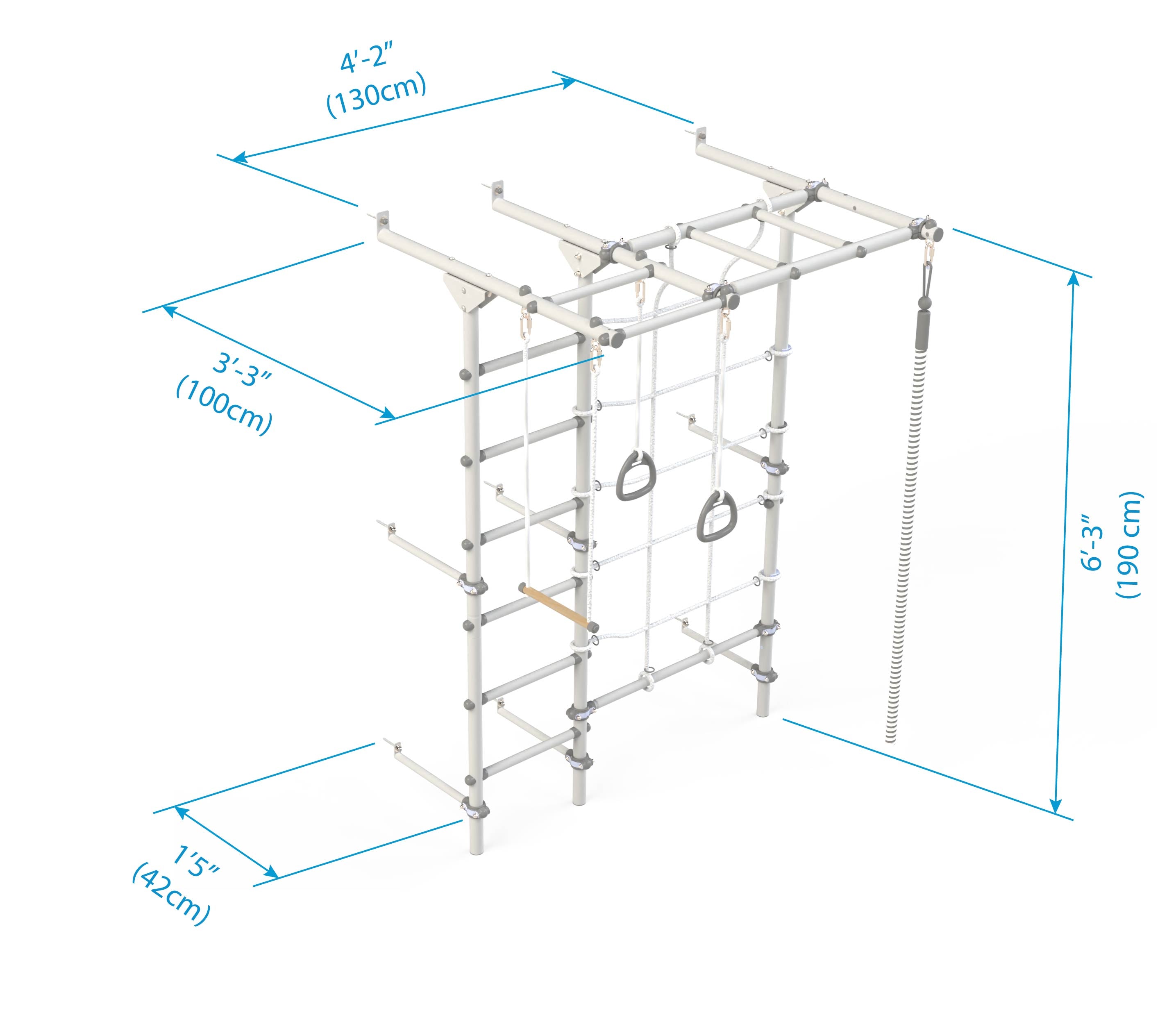
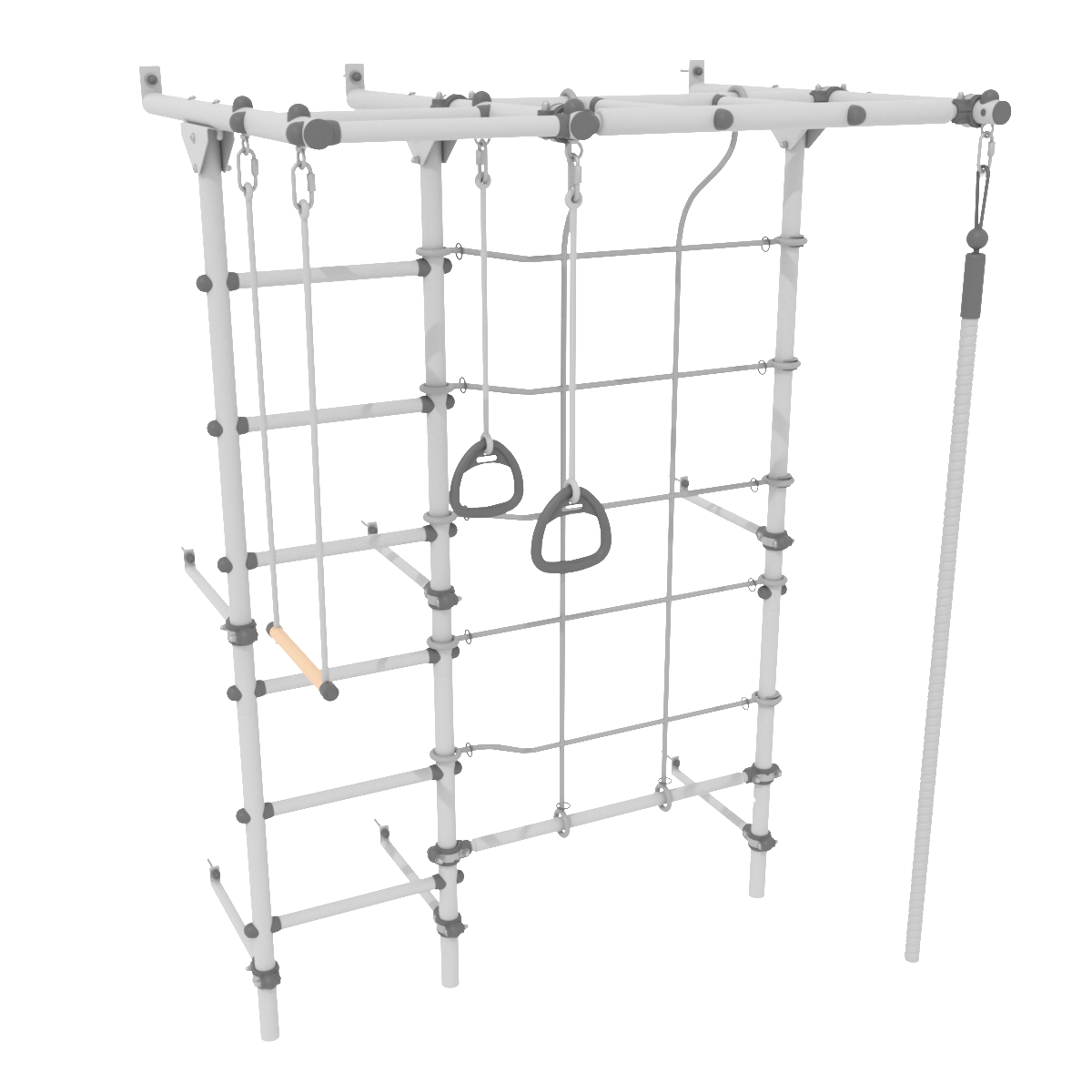
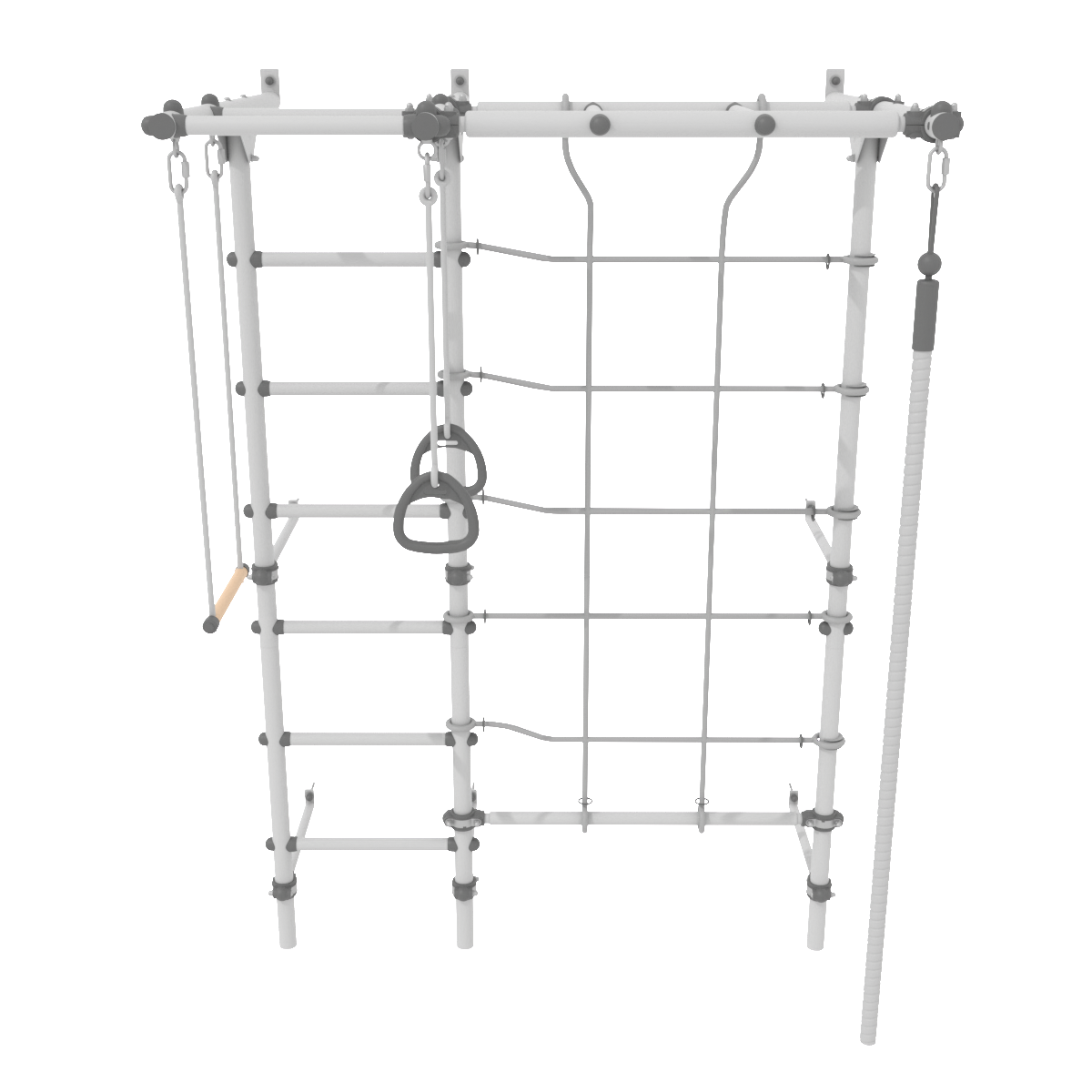
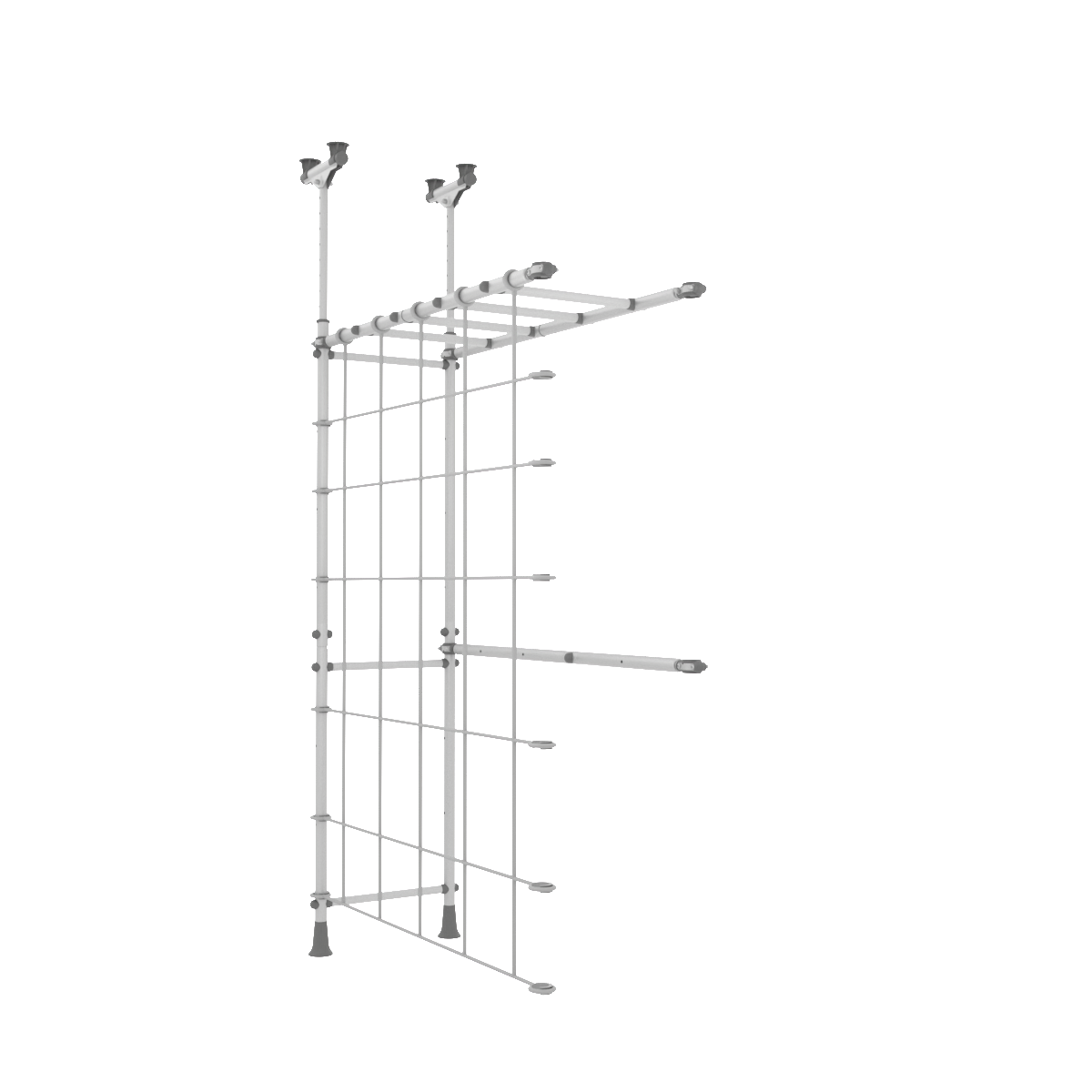
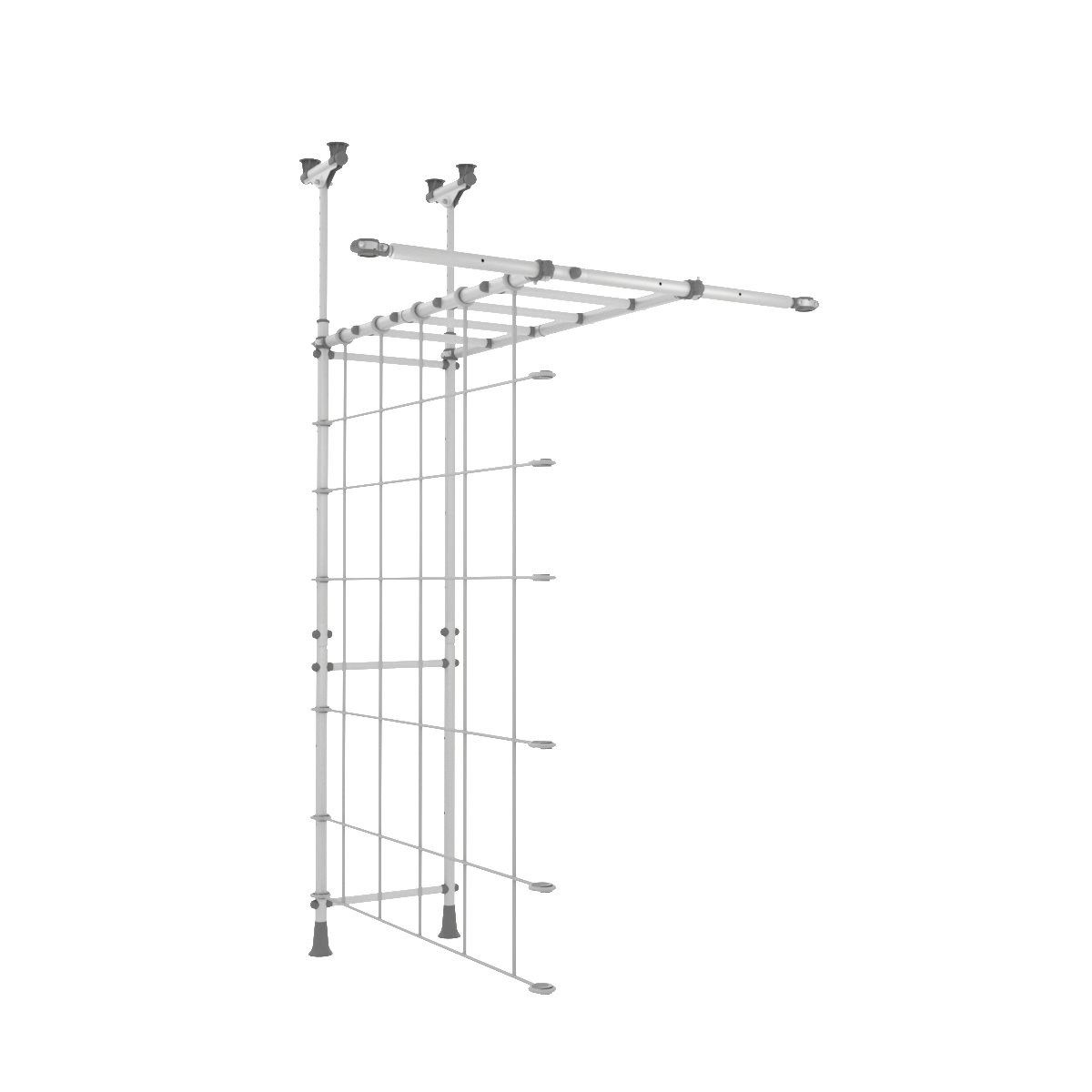
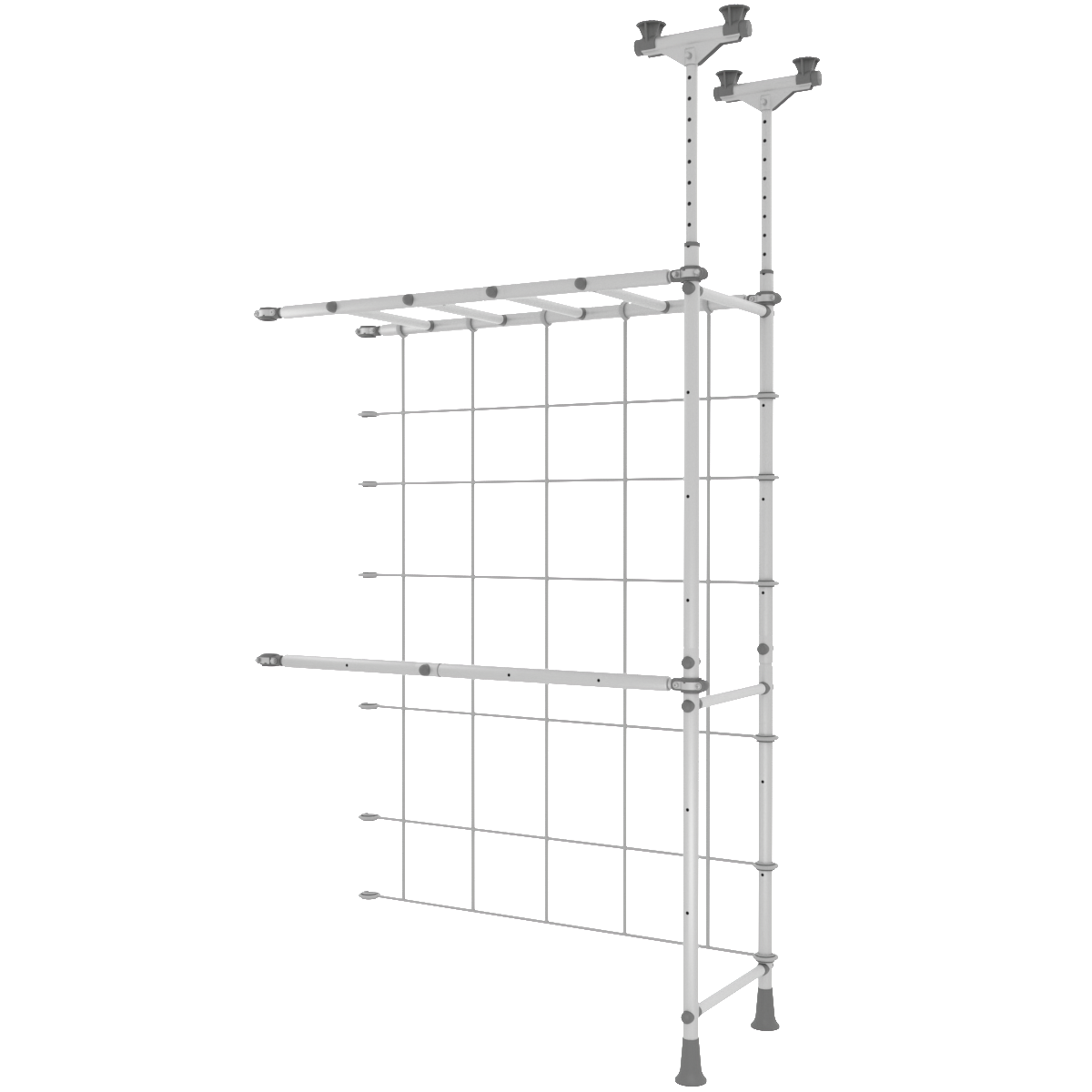
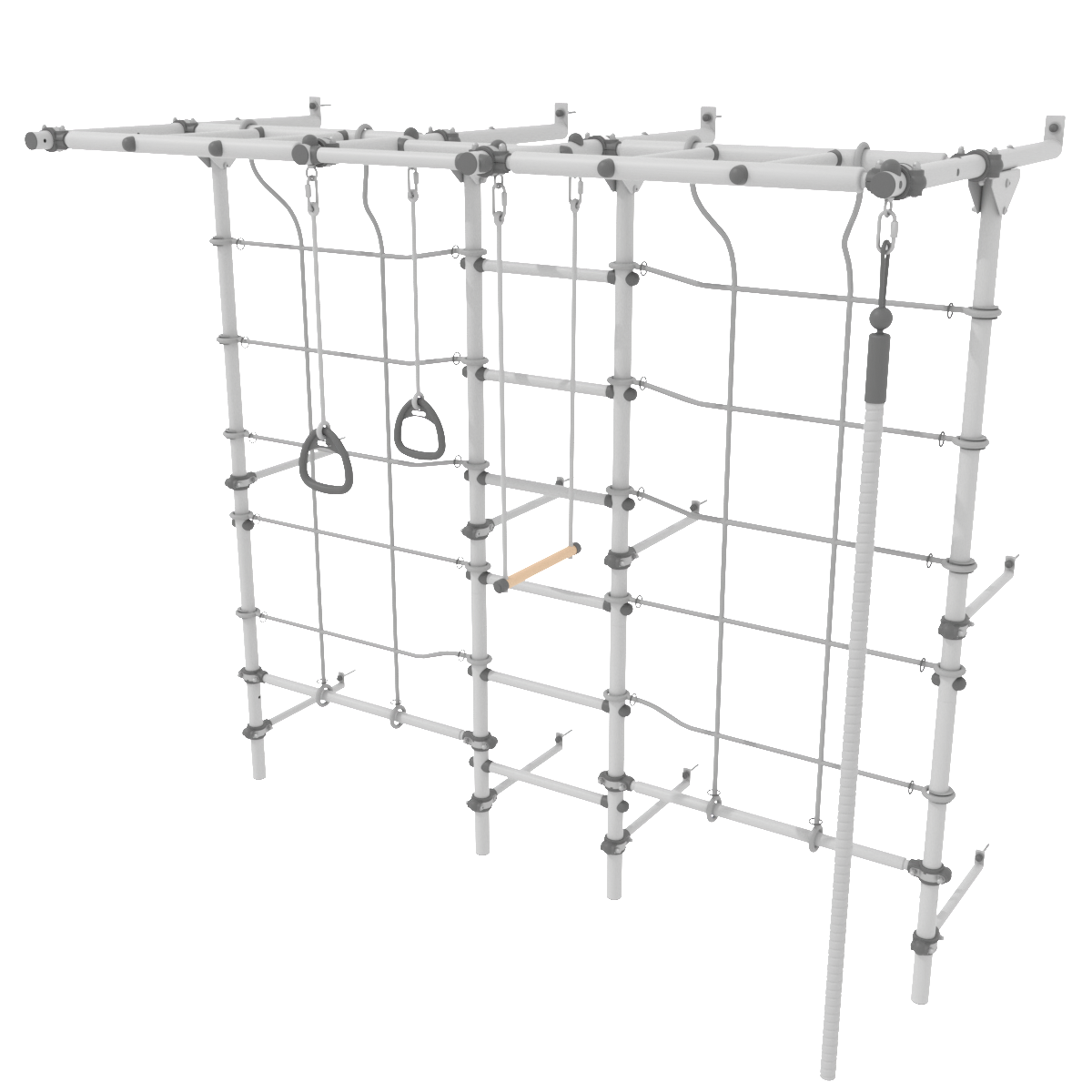
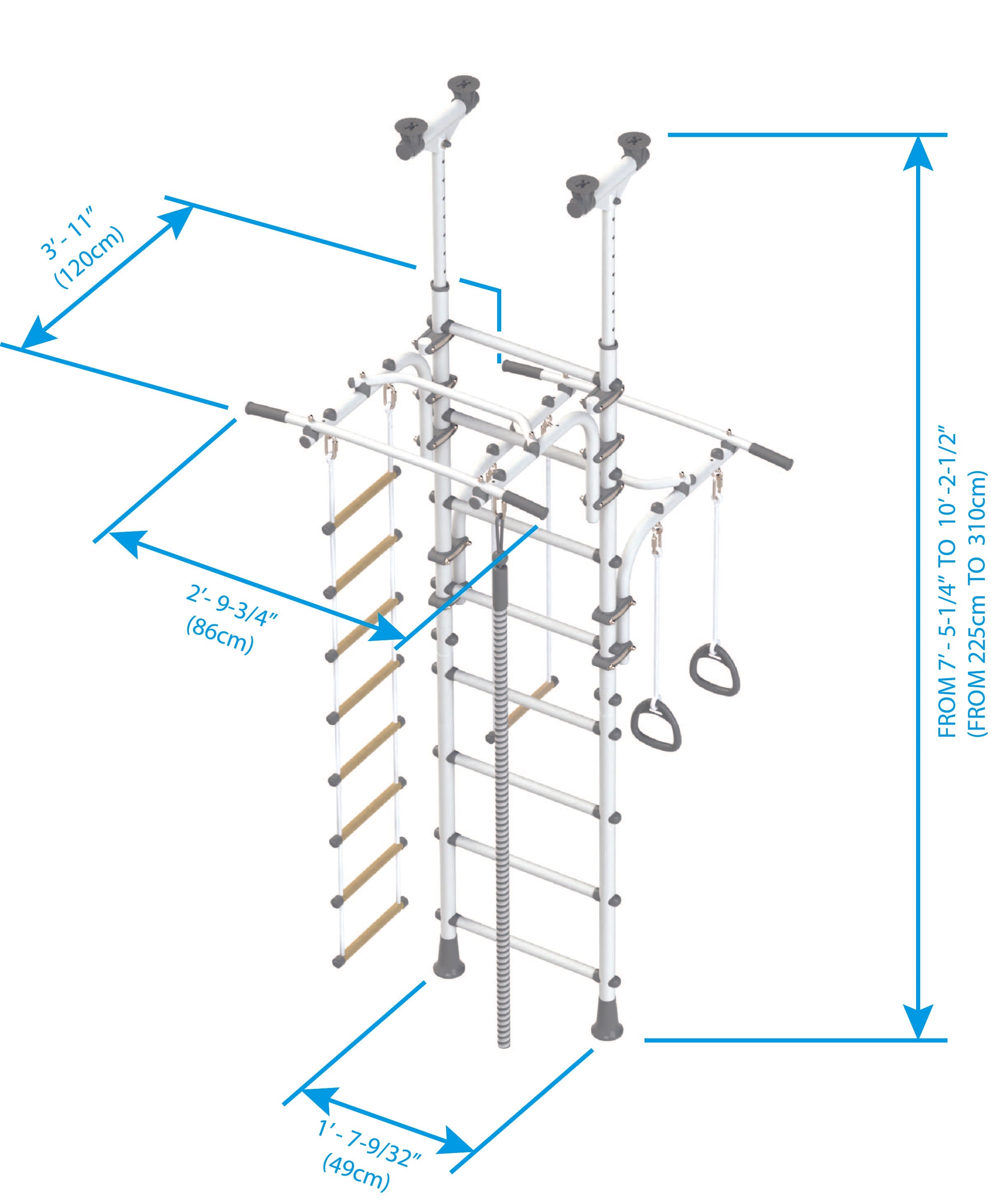
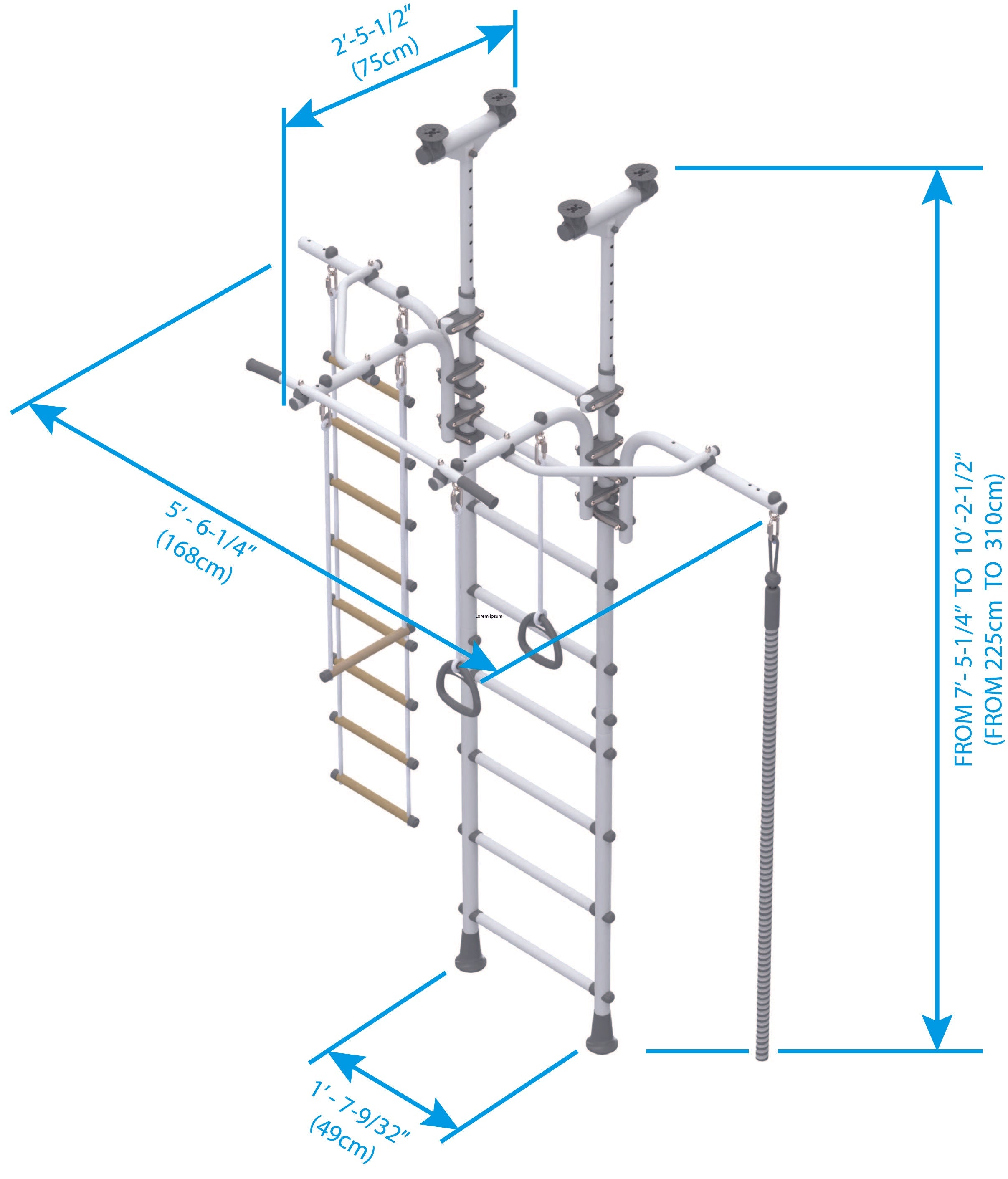
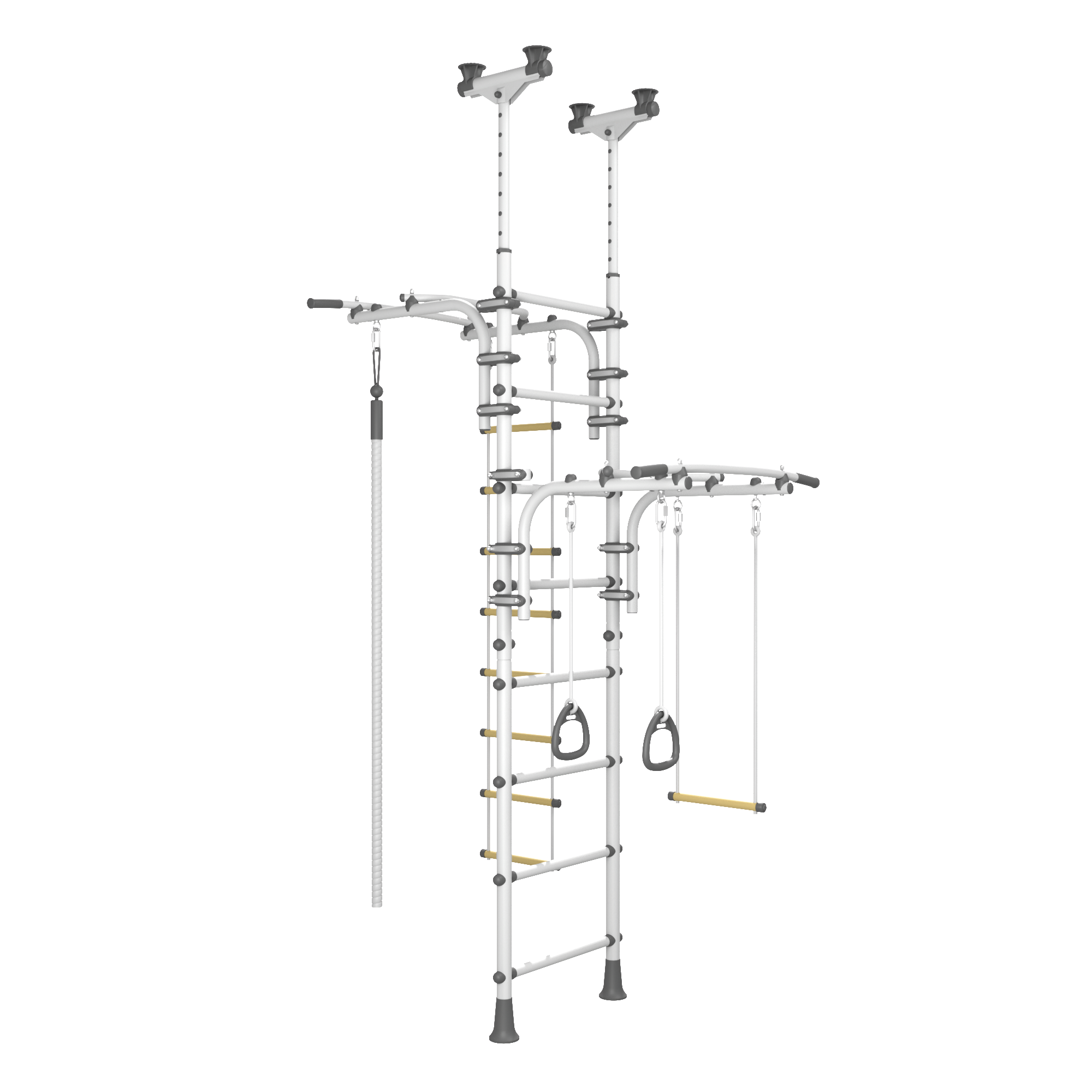
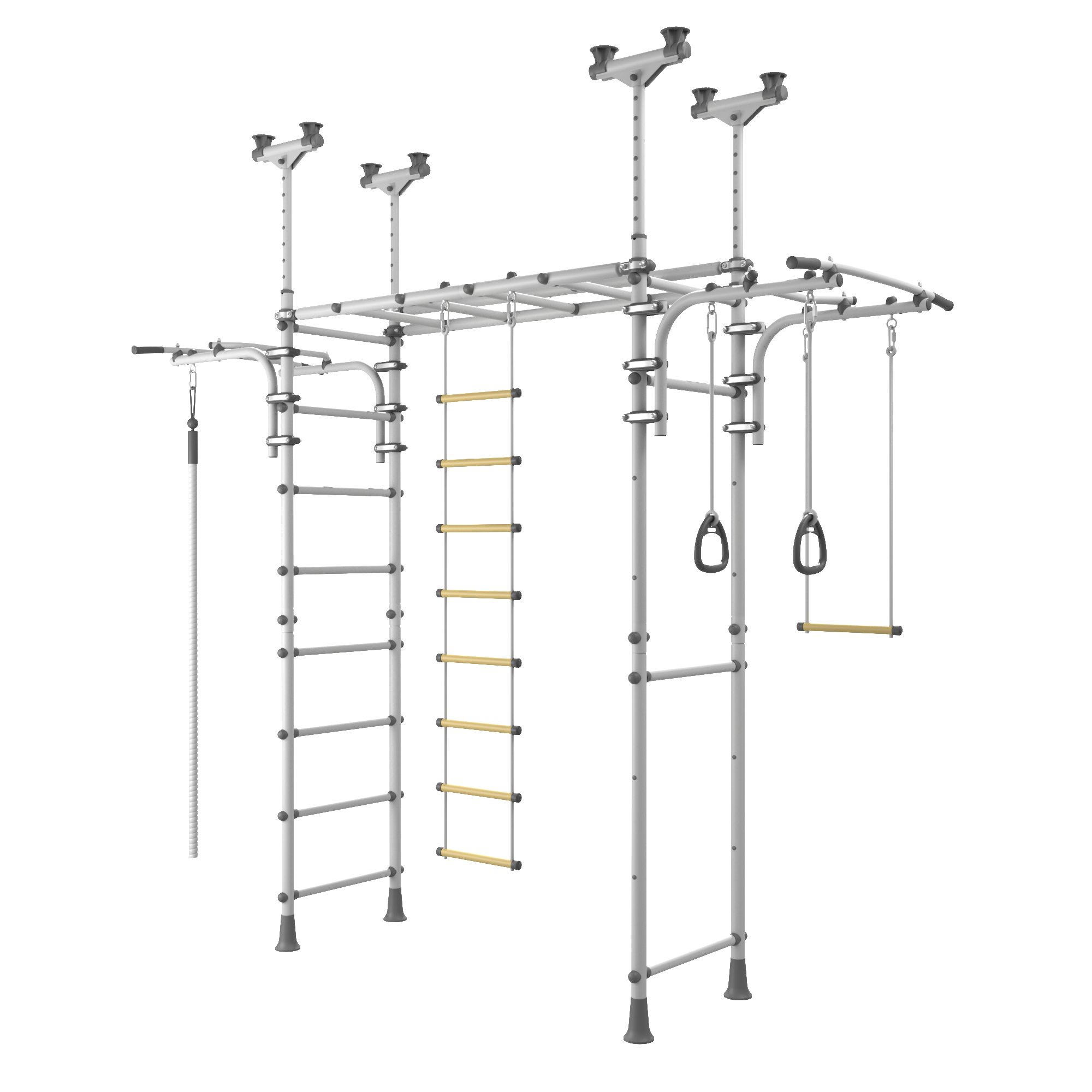
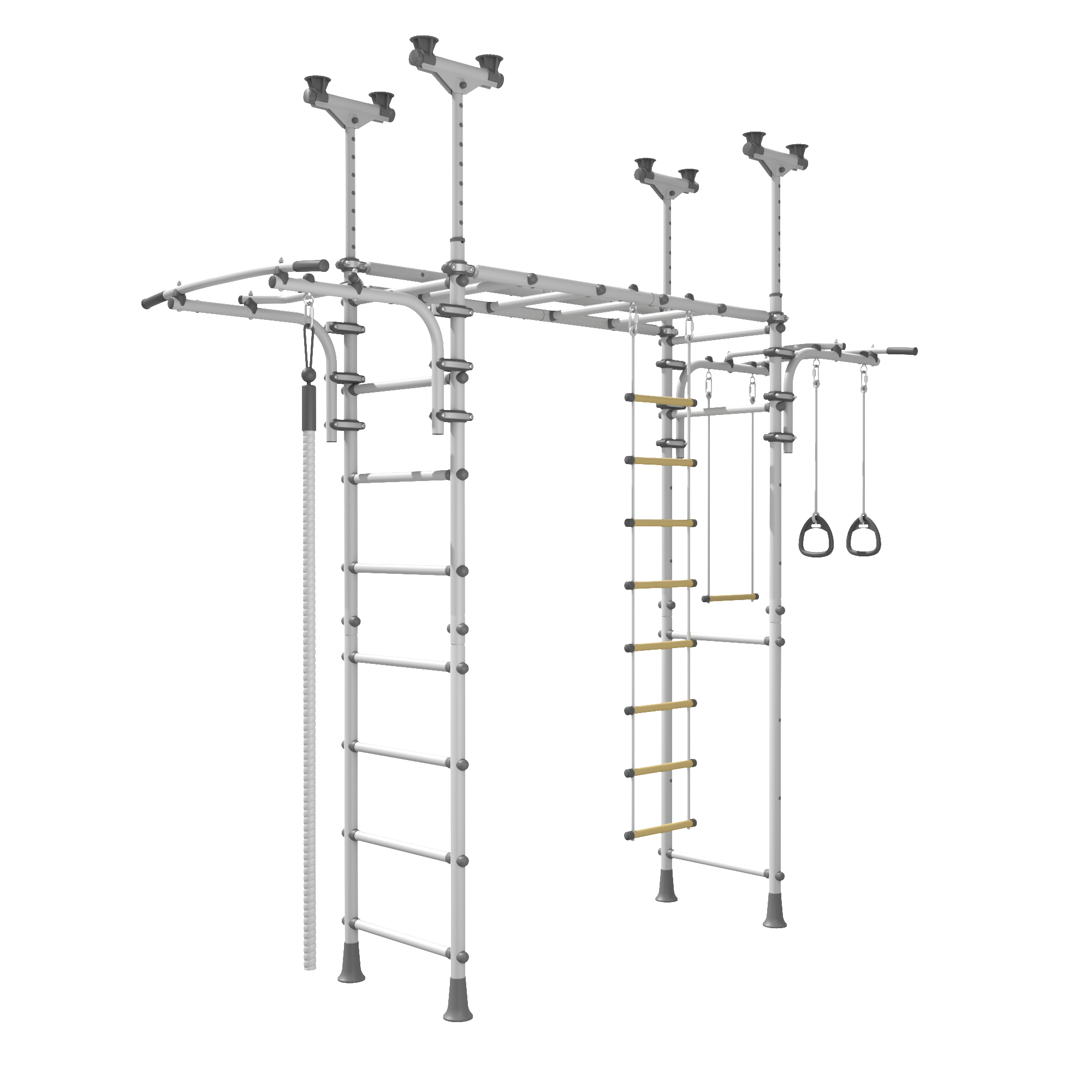
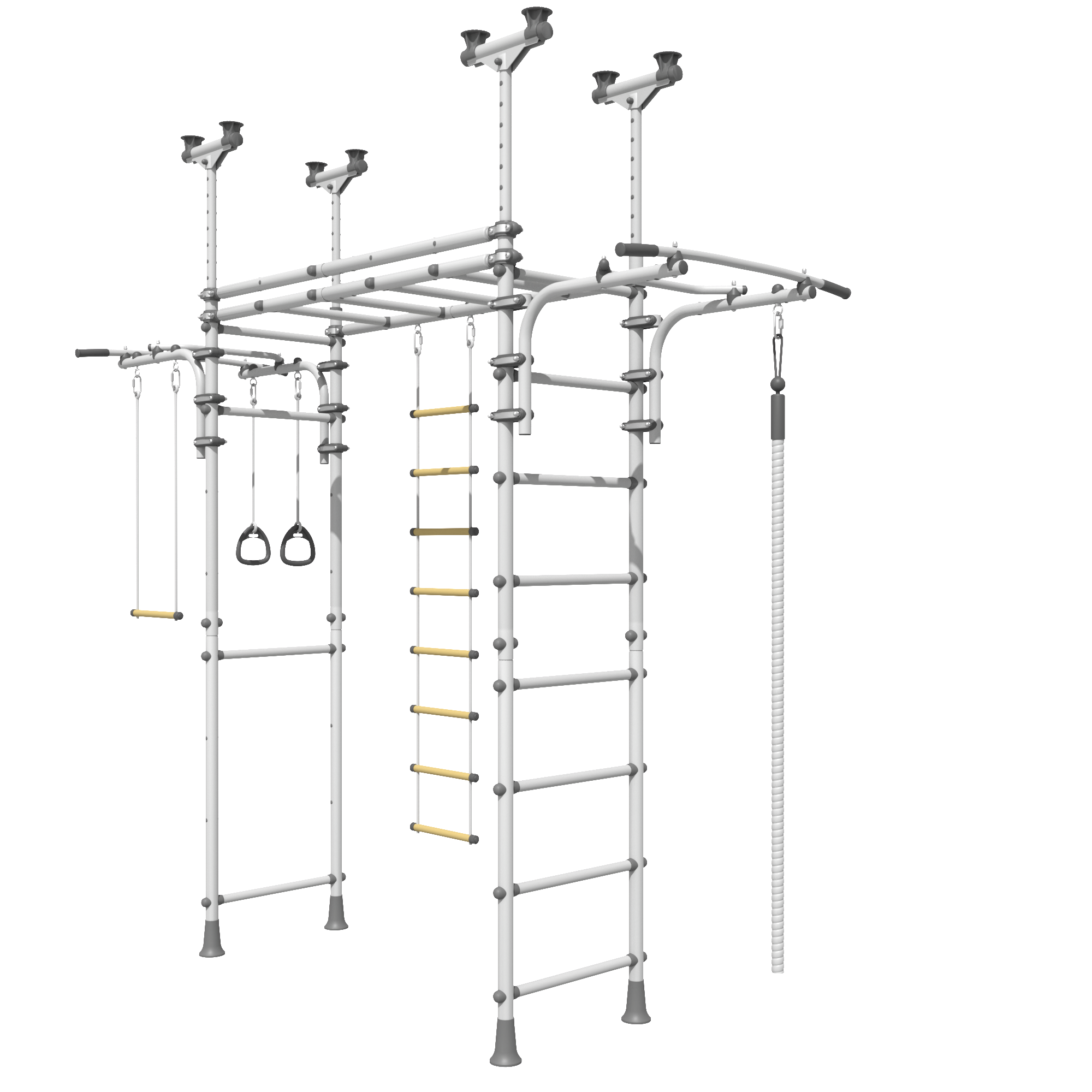
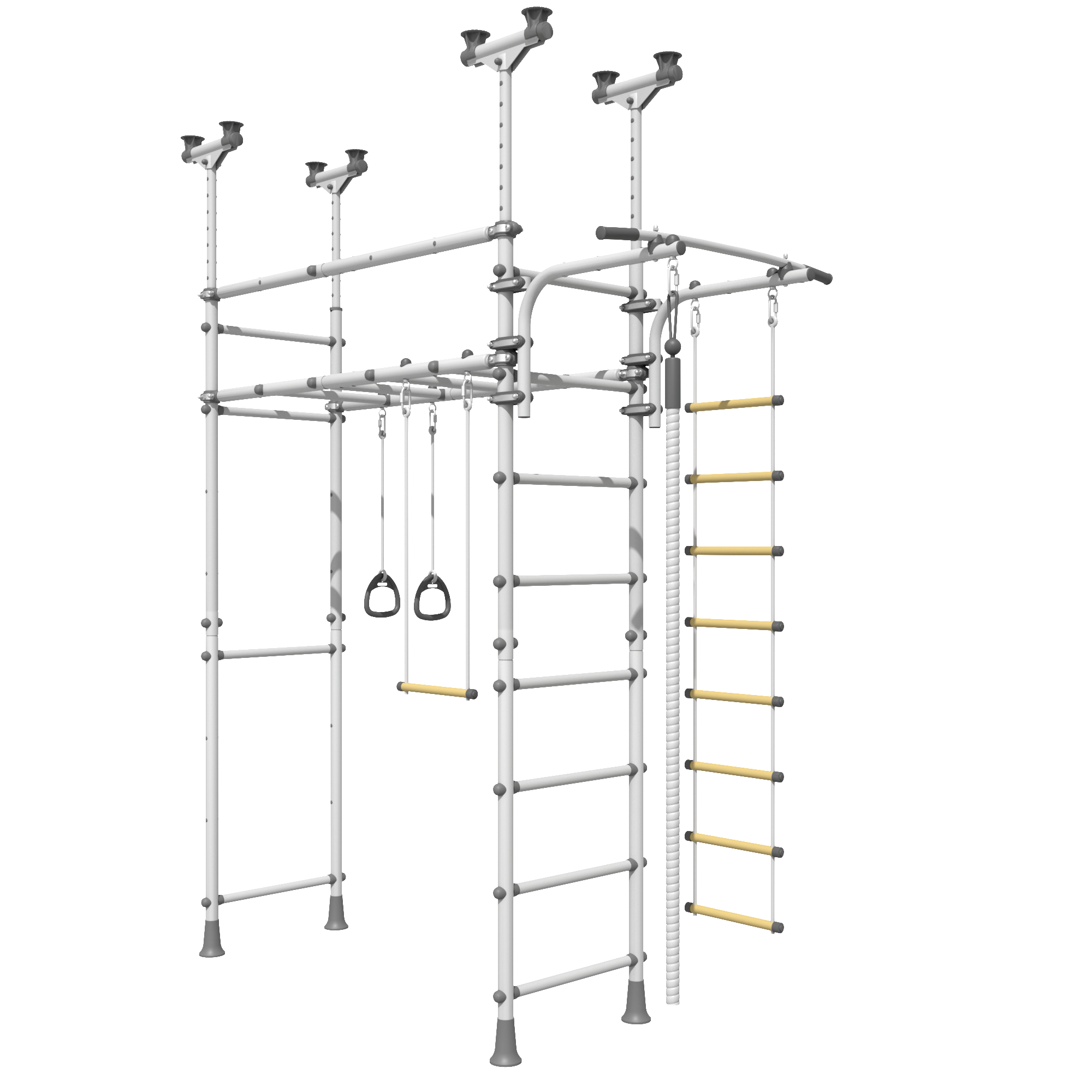
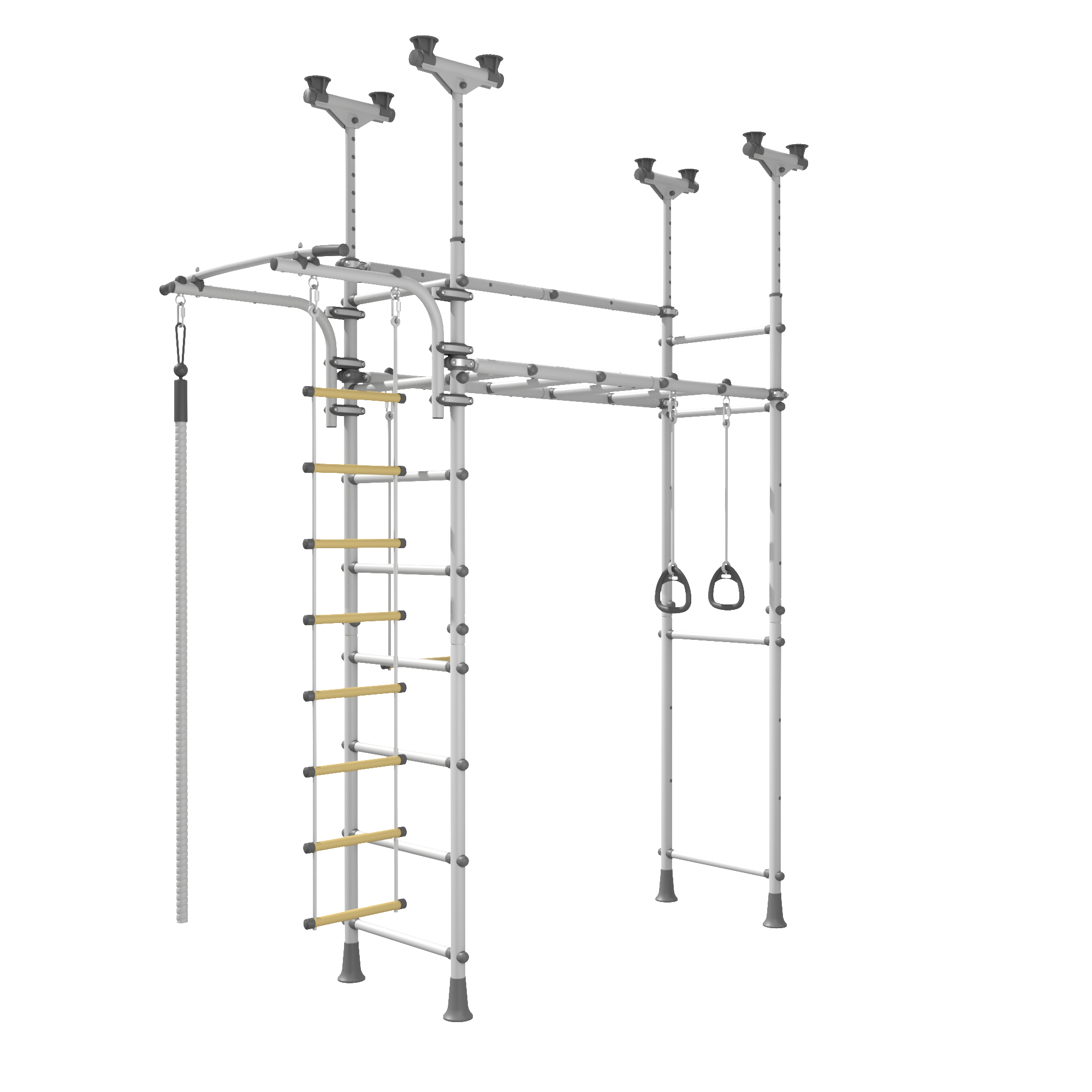
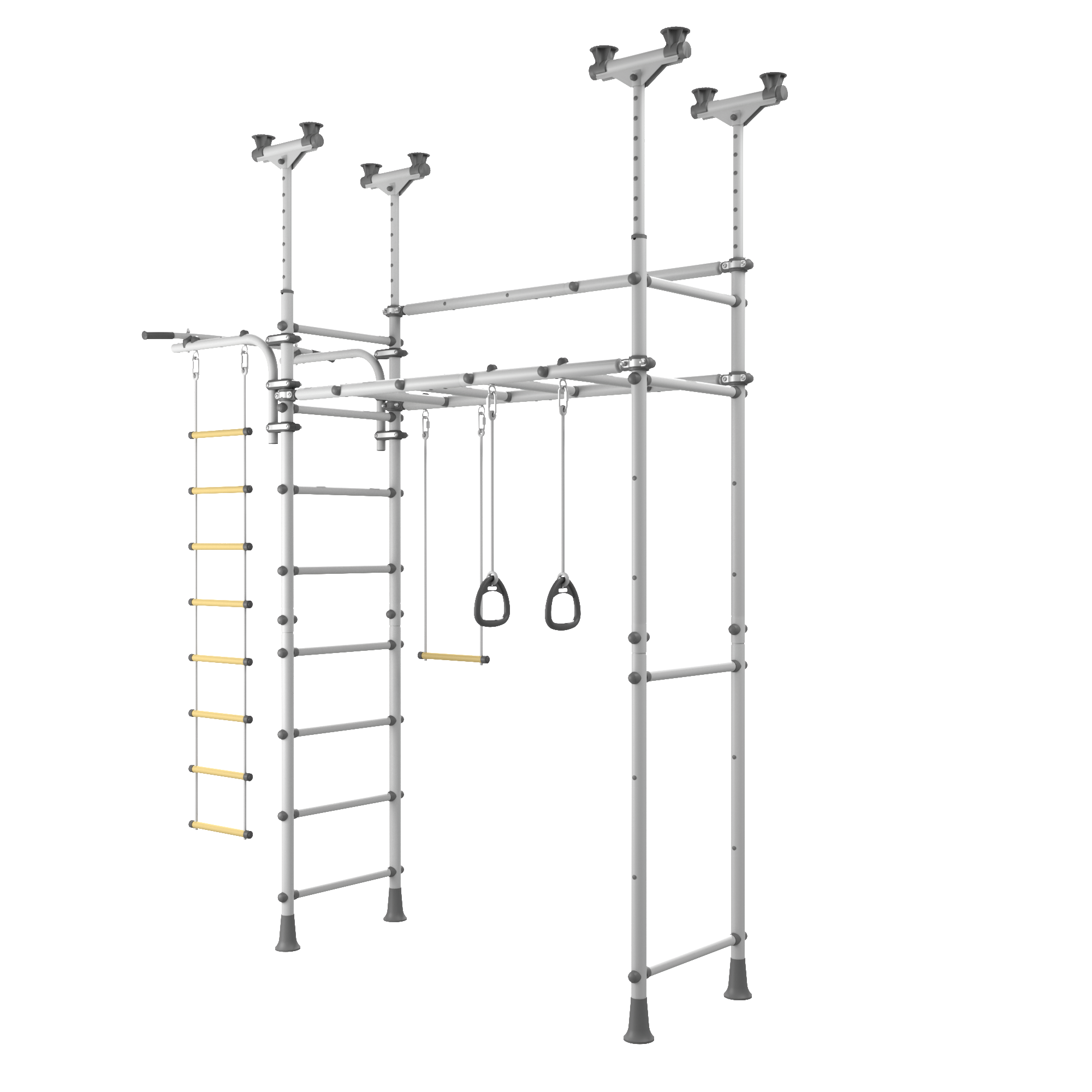
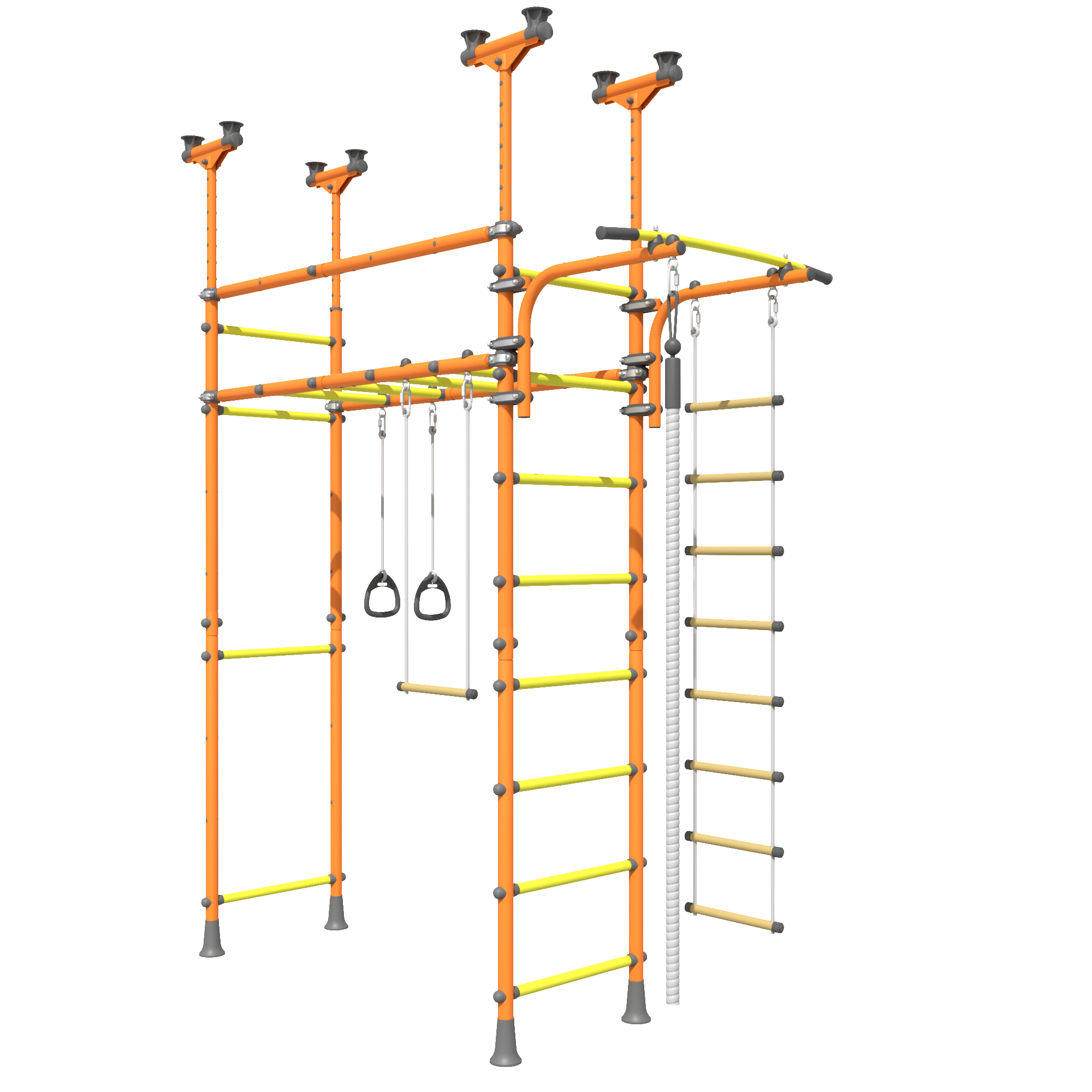
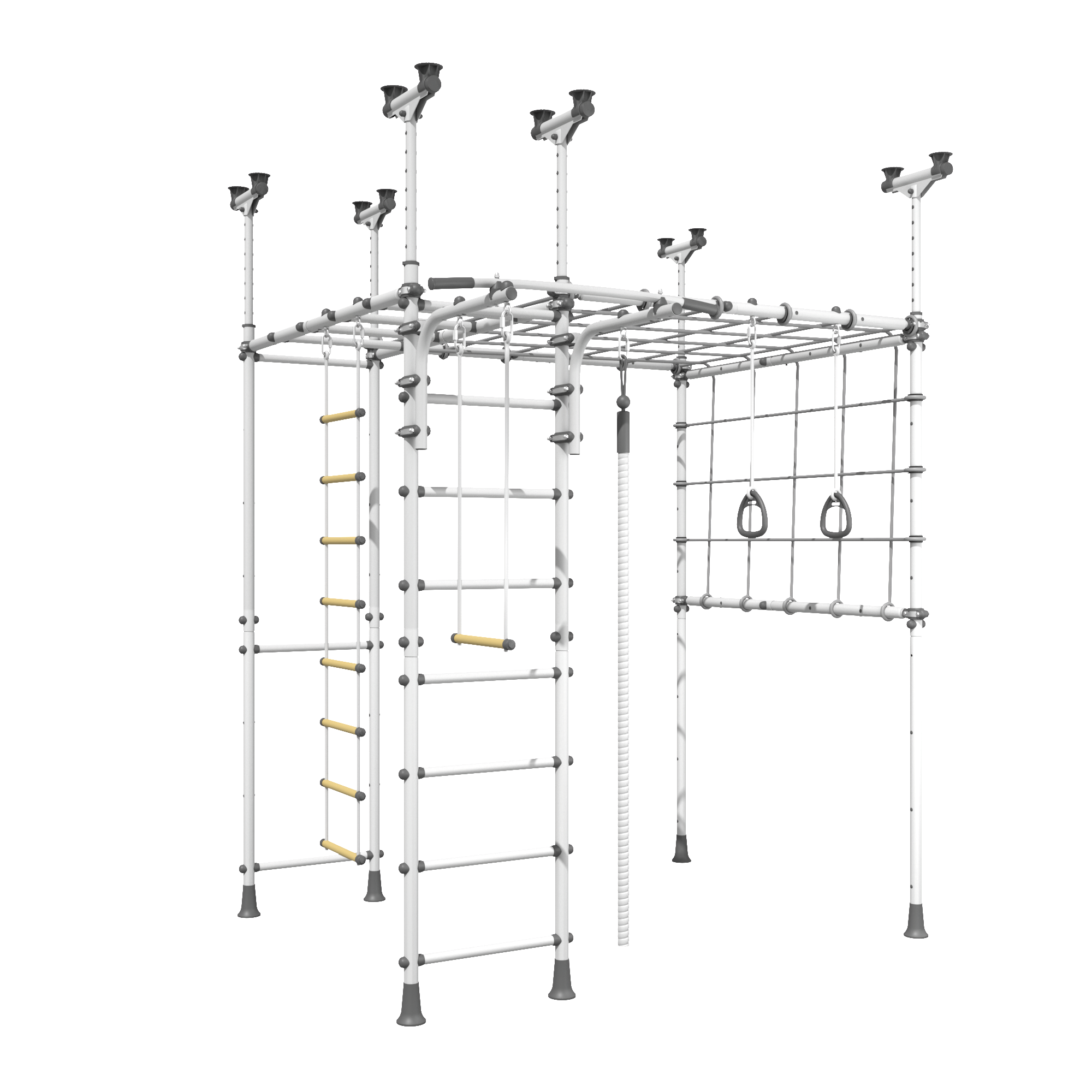
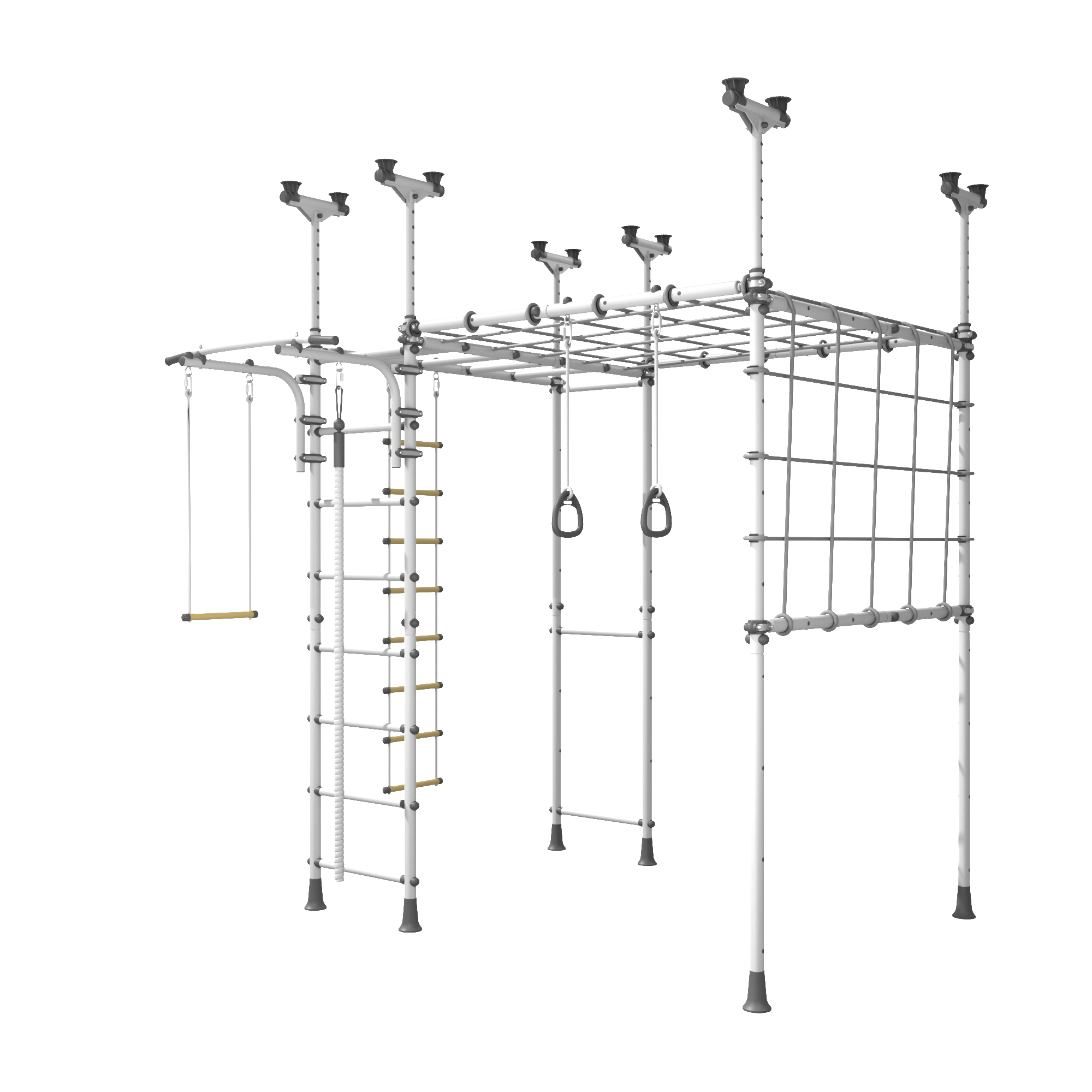
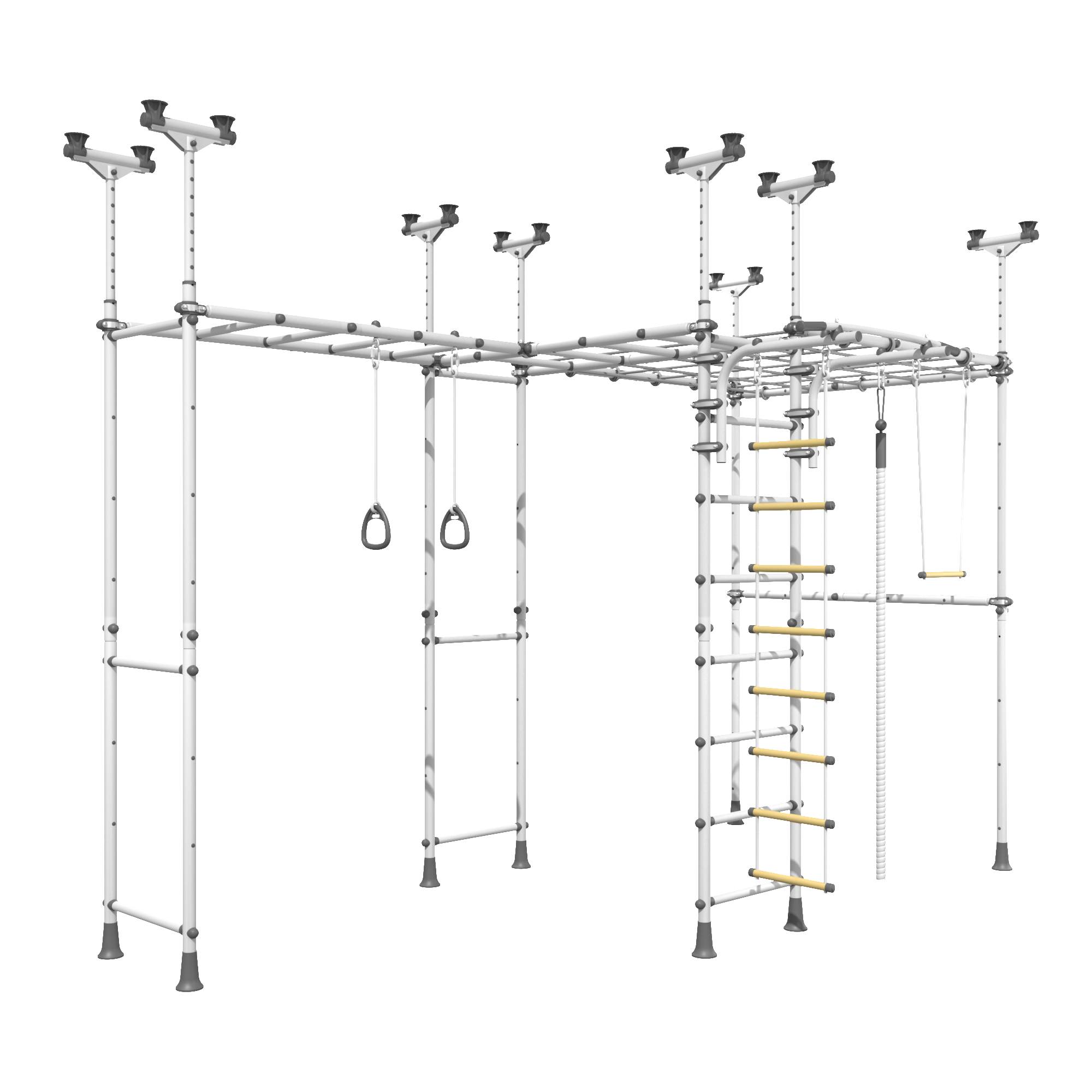
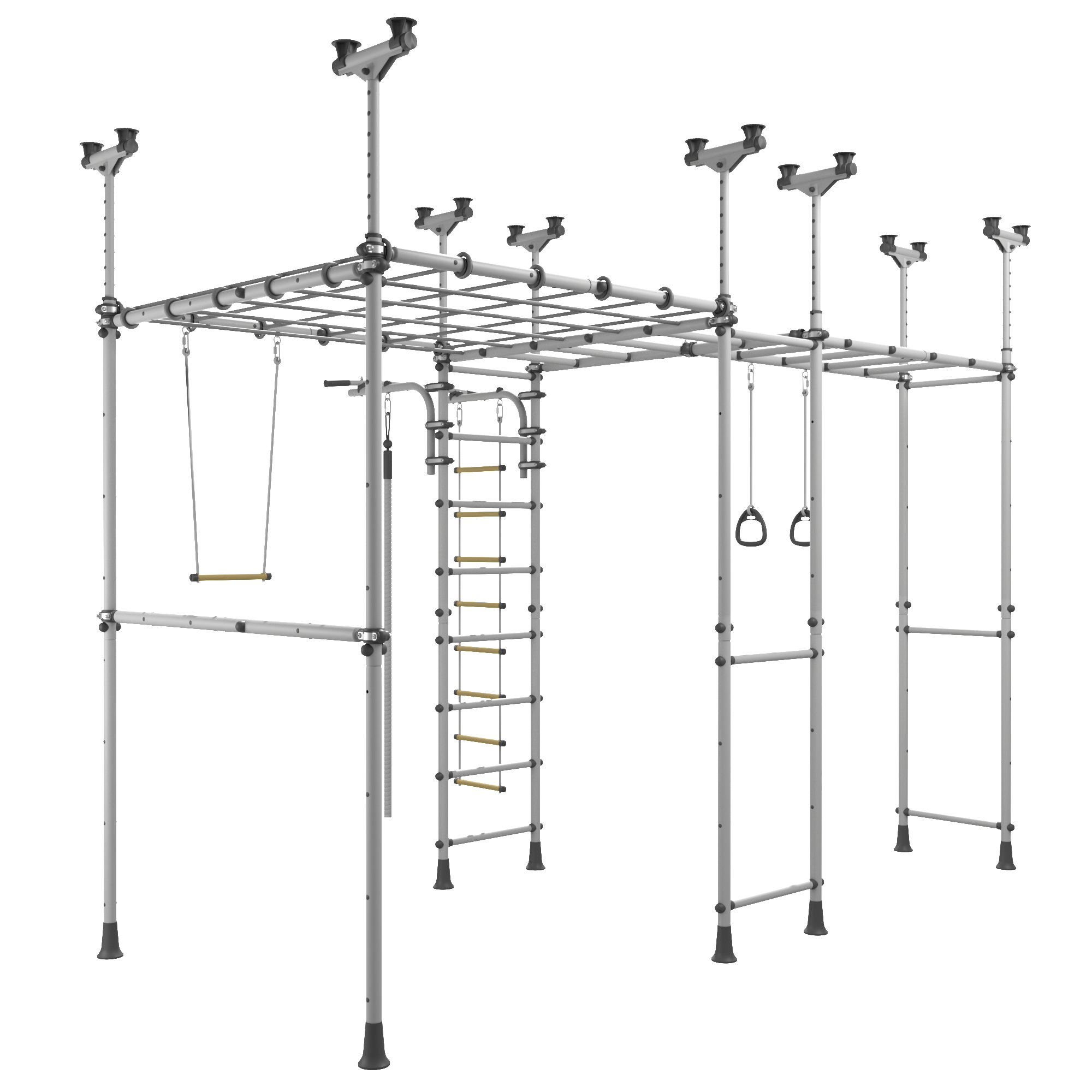
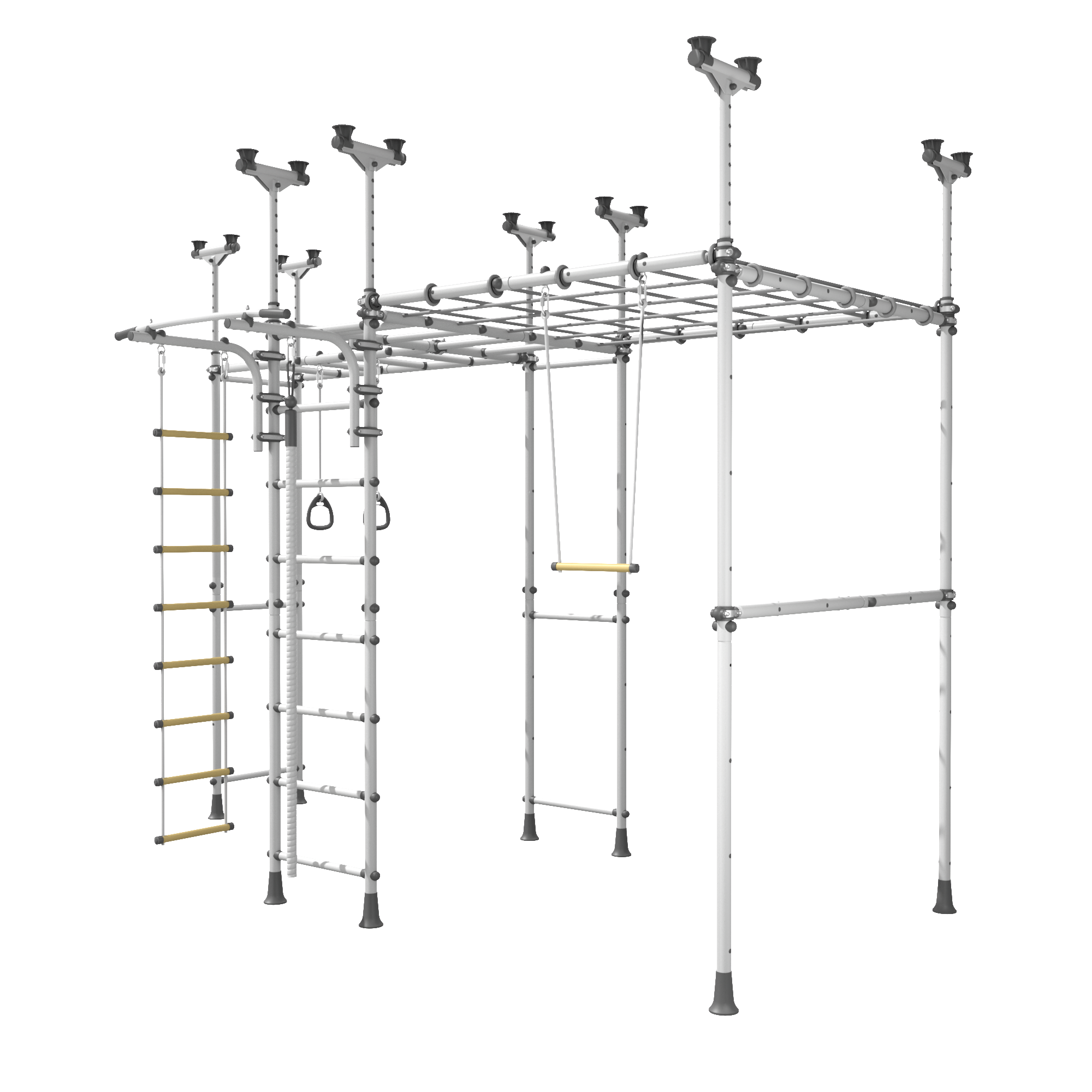
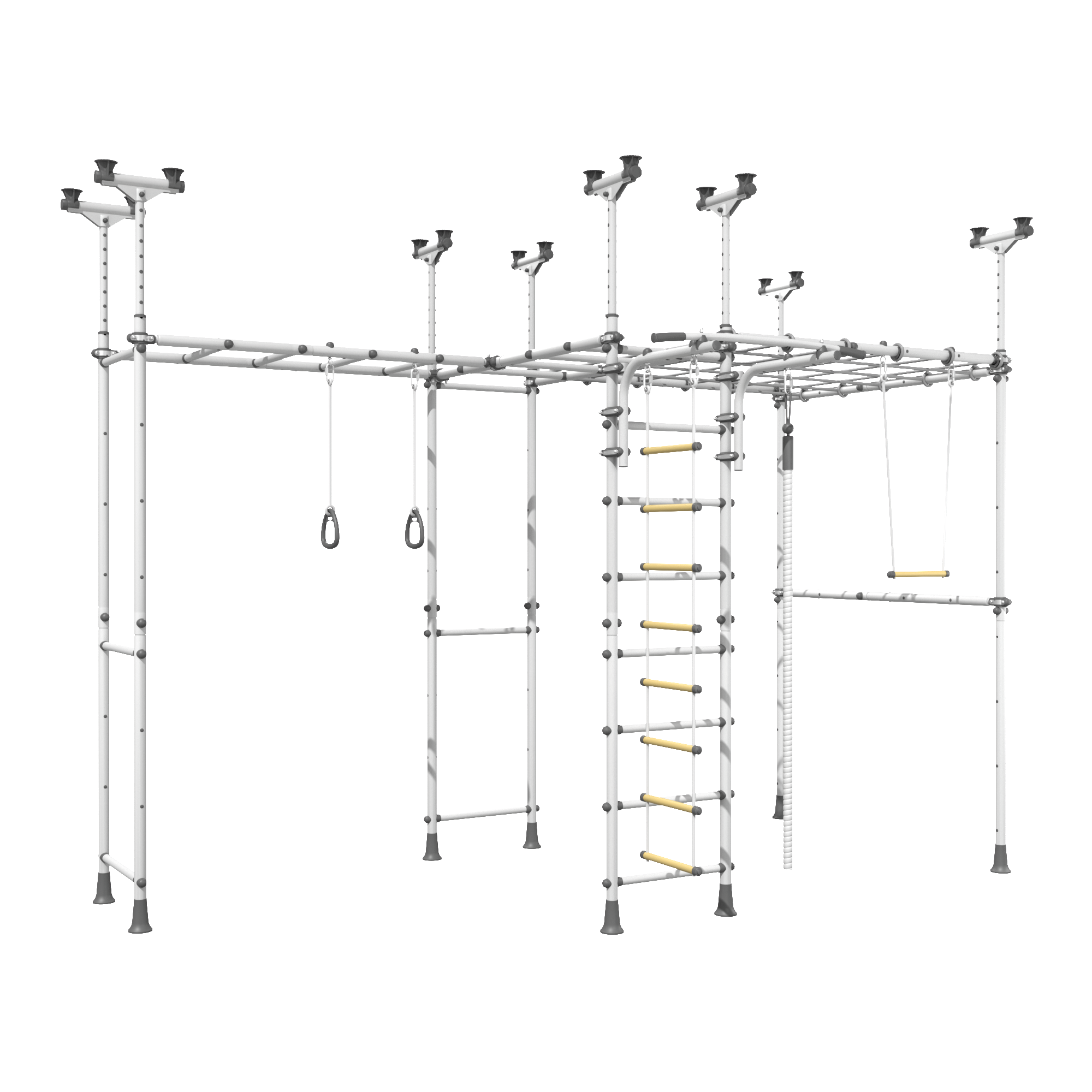
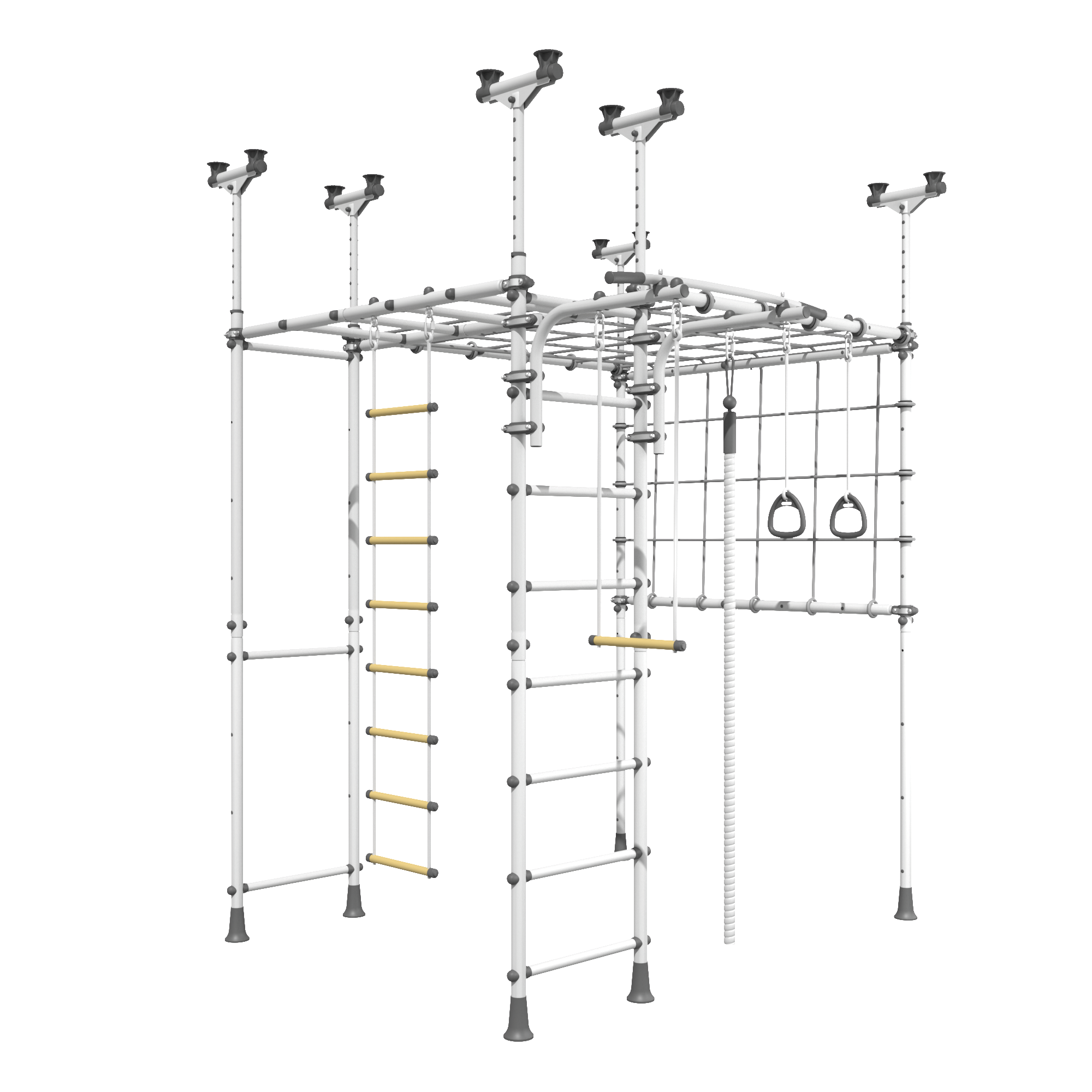
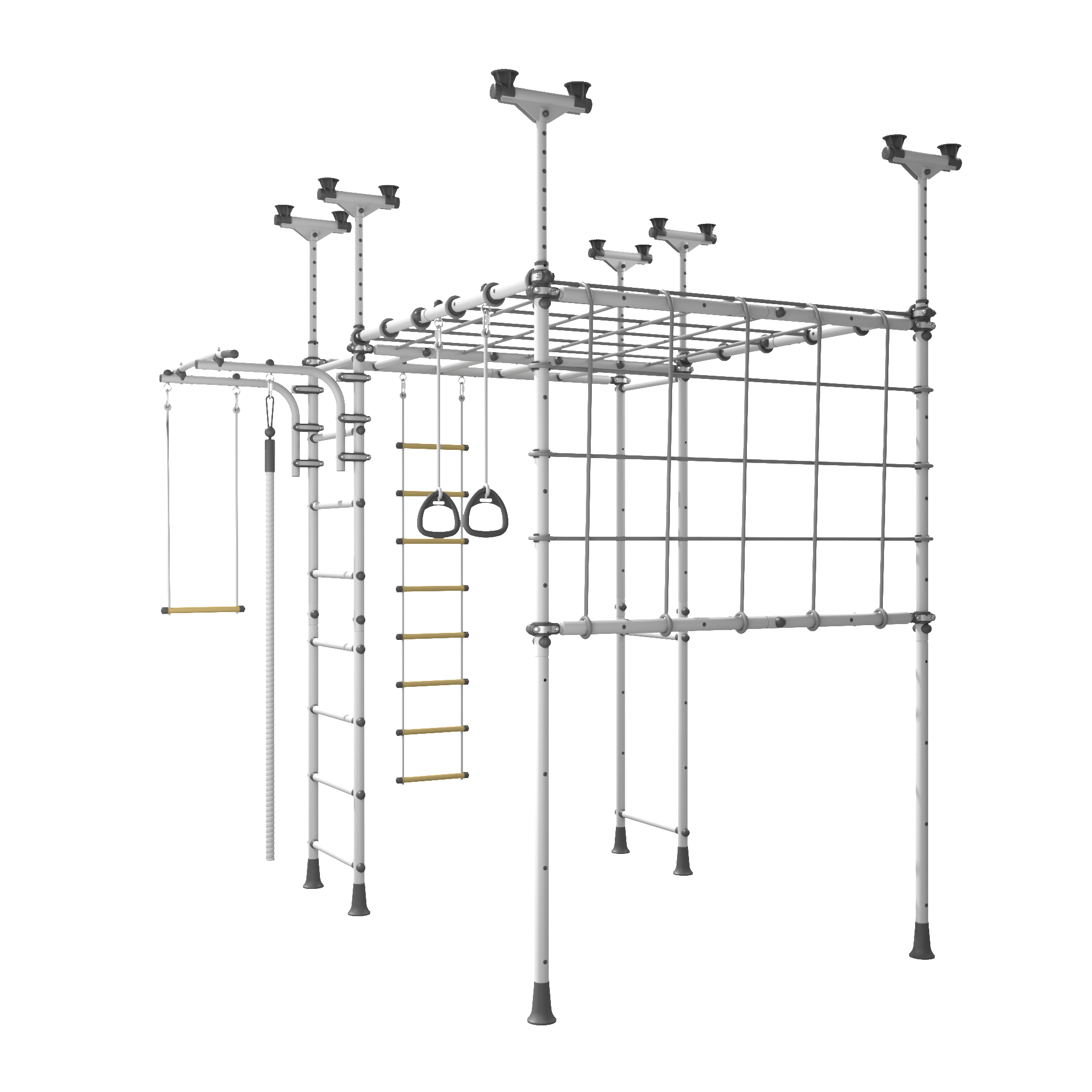
Brainrich Kids’ toys support imaginative play through movement and structure. Our systems use high-grade steel and food-grade plastic, not wood or PVC. They are modular and designed for indoor home use, suitable from toddler years through teenage growth. Climbing, balancing, swinging, and open-ended movement help kids learn about their bodies while their brain builds stronger connections.

Best Toys For Imaginative Play That Encourage Movement

The best imaginative play toys are not just for sitting. They support movement, roleplay, and physical exploration. When kids move while they play, they strengthen both body and brain connections. Climbing structures, swings, and balance tools turn pretend scenarios into full-body stories. A ladder becomes a dragon’s mountain. A swing transforms into a pirate ship. These movements are not just fun. They also support brain development, sensory processing, and coordination.

A study inFrontiers in Psychology titled "The Effect of Physical Activity on Children's Executive Function" found that physically active play significantly improved working memory and inhibitory control in children aged 4 to 7. Movement-based toys for imaginative play include:

  • Swings for active storytelling and vestibular stimulation
  • Monkey bars and ladders to support spatial awareness
  • Modular climbing frames that shift with each scene
  • Balance boards for role-based challenges and games

As discussed in our article on the five benefits of having indoor swings for kids, swings are powerful tools for regulation, storytelling, and sensory balance, especially indoors during cold winters or hot summers. Brainrich Kids equipment is built for full-body imaginative play. The structure is made from high-grade steel, not wood, and does not require drilling or permanent installation. Every setup is adjustable and modular, allowing kids to create new play spaces every day.

Montessori-Inspired Toys For Imaginative Play

Montessori-style play encourages self-directed exploration, which is the foundation of imaginative thinking. These toys are designed to be open-ended, allowing children to take the lead, build stories, and repeat actions that support learning and brain development.

The best Montessori-style toys for imaginative play are simple in design but rich in purpose. They allow space for creativity, movement, and problem-solving. Climbing tools, ramps, ladders, and swings all fit within this philosophy. They are not made to entertain passively but to support active participation. Montessori toys promote:

  • Independence through hands-on interaction
  • Creativity through unstructured play
  • Confidence through repetition and mastery
  • Early motor skill development
  • Focused attention and calm through sensory input

As explained in our article on what are Montessori toys, the goal is to give children space to build their own ideas. This supports not only learning but long-term brain development and emotional confidence. Brainrich Kids equipment aligns with Montessori principles. Our structures are modular, adjustable, and made from proper quality steel and food-grade plastic. Children can change the setup as they grow. This keeps play active, imaginative, and developmentally appropriate from toddler to teen. Every design is created for indoor home use, making it reliable all year round.

Toys For Imaginative Play That Grow with Your Child

Imaginative play doesn't stop at age 5. It evolves. What begins as crawling through tunnels becomes building obstacle courses, then roleplaying stories, games, and challenges. To support that kind of growth, toys need to adapt. Modular toys are essential. Children move differently at 2 than they do at 8. They think differently at 10 than they did at 4. When toys change with them, they stay useful longer and support stronger developmental outcomes.

For families with multiple children or homeschooled setups, adaptable play systems also reduce clutter and support varied skill levels within the same space. Features to look for in long-lasting imaginative play toys:

  • Adjustable height and layout for different ages
  • Strong, safe materials that hold multiple kids
  • Open-ended use allows a range of play types
  • Indoor home use design for consistent access year-round

Brainrich systems are built for all stages. From toddler to teenager, each setup can be reconfigured to match the child’s physical needs and imagination. The equipment is made from high-grade steel, not wood or PVC, and uses non-toxic, food-grade plastic for safety. It holds up to daily use and supports brain development through imaginative, movement-based play that evolves as kids grow.

Best Imaginative Play Toys For Shared Spaces

Shared play areas come with challenges. Siblings of different ages have different needs. One child might want to swing, while another wants to build a climbing course. The best imaginative play toys work for all of them without getting in each other’s way. Fixed toys with only one use can lead to boredom or conflict. Open-ended, modular play systems keep children engaged because they allow flexible setups that change daily. A ladder used for climbing in the morning might become part of a pretend castle or spaceship later in the day.

Homeschooled kids and families with limited space benefit most from this kind of play equipment. You don’t need a dedicated room to support imaginative play. A single frame with climbing, swinging, and balance elements can offer many creative options without permanent installation or floor damage.

Brainrich toys are designed for shared use. Multiple kids can play at the same time. Each setup is made from high-grade steel and food-grade plastic, not PVC or wood. Everything is adjustable, long-lasting, and made for indoor home use. These tools support children with different needs and energy levels while reinforcing brain development through story-driven and movement-rich play.

When To Start Using Toys For Imaginative Play

The right time to start imaginative play is as early as possible. Children naturally begin creating ideas, stories, and pretend scenarios from the moment they explore their surroundings. Early access to open-ended toys supports curiosity, focus, and long-term brain development.

Start Early And Keep It Open-Ended

Imaginative play often begins before age two. It shows up when a child crawls through a tunnel and treats it like a cave, or when they copy what they see adults doing. This early exploration builds confidence and supports sensory discovery without pressure or structure.

Ages 2 To 4: The Foundation Years

Between these ages, pretend play becomes more detailed. Children start taking on roles, acting out situations, and building small stories. This stage is important for social and emotional growth. Toys that allow climbing, swinging, or crawling give them ways to act out ideas through movement.

Ages 5 And Up: Building Complexity

Children begin creating longer storylines and combining physical play with imagination. They involve siblings or peers and experiment with more challenging movement. Modular equipment helps because it adjusts to new levels of creativity and physical ability.

Support For Autistic and Homeschooled Kids

Autistic kids often benefit from imaginative play that includes movement and sensory control. It helps create predictability and supports regulation. Homeschooled families use modular play systems to encourage creativity, movement, and emotional balance during long indoor periods.

Why Brainrich Kids Works From The Start

Our equipment is built for indoor home use and grows with your child. Every system is modular, adjustable, and made from high-grade steel, not wood or PVC. It supports toddlers, big kids, and teens by offering safe, movement-rich play that strengthens imagination and brain development.

What Makes Our Toys Ideal For Imaginative Play

Children come back to toys that let them lead the play. If a toy only does one thing, kids lose interest fast. But when a toy supports multiple storylines, it becomes part of their world. That’s exactly how our toys are built. Why Brainrich Kids stands out for imaginative play:

  • Modular and adjustable setups change as your child’s imagination grows
  • Built for indoor home use, perfect for cold winters or hot summers
  • Made from high-grade steel, not wood or PVC
  • Uses food-grade, non-toxic plastic for all contact points
  • Works for toddlers through teens with no need to upgrade each year
  • Supports movement-based play that builds balance, focus, and regulation
  • Encourages independent exploration and story-driven activity

As explained in our article on sensory play for toddlers, full-body movement helps kids focus, stay calm, and remain engaged for longer periods. That’s especially important when outdoor play isn’t possible. Our toys help children combine movement with imagination. Whether climbing through a spaceship, swinging across a pretend jungle, or building a scene from their favorite story, kids direct the play while developing coordination, creativity, and confidence.

These setups also work well for autistic kids, who benefit from repetitive movement and structured flexibility. And for homeschooled kids, Brainrich Kids becomes a daily source of physical play that fuels both learning and self-expression.


Read Also:


Sources:

  1. Vilaseca, R., Rivero, M., Bersabé, R. M., Cantero, M.-J., Navarro-Pardo, E., Valls-Vidal, C., & Ferrer, F. (2019). Demographic and Parental Factors Associated With Developmental Outcomes in Children With Intellectual Disabilities. Frontiers in Psychology, 10. https://doi.org/10.3389/fpsyg.2019.00872
  2. Gibb, R., Coelho, L., Van Rootselaar, N. A., Halliwell, C., MacKinnon, M., Plomp, I., & Gonzalez, C. L. R. (2021). Promoting Executive Function Skills in Preschoolers Using a Play-Based Program. Frontiers in Psychology, 12. https://doi.org/10.3389/fpsyg.2021.720225
  3. Park, I.-J., Hai, S., Lee, S., & Sohn, Y. (2019). Investigating Psychometrics of Career Decision Ambiguity Tolerance Scale. Frontiers in Psychology, 10. https://doi.org/10.3389/fpsyg.2019.02067
Frequently Asked Questions

Children typically begin imaginative play around 12 to 18 months. Early exposure to open-ended toys helps build confidence and brain development.

Yes. Autistic kids often benefit from structured, movement-based toys that support sensory input and predictable play patterns.

Yes, but high-quality toys enhance the experience by offering physical interaction, structure, and more sensory-rich opportunities.

They do. Climbing, balancing, and swinging help build motor skills, spatial awareness, and overall coordination.

Yes. They’re modular, can hold multiple kids, and are built for flexible use in compact or multi-purpose rooms.

Definitely. Older kids create more complex stories, scenarios, and physical challenges that benefit from modular, open-ended setups.