
Are Our Kids Moving Enough?
The Numbers Are Hard to Ignore.
Every parent wants their child to thrive — to be strong, coordinated, confident, and healthy. But a growing body of research paints a concerning picture of what's actually happening to kids' bodies in America today. Here's what the data tells us.
Only 1 in 5 Kids Gets Enough Physical Activity
According to the 2024 National Survey of Children's Health, just 19.2% of school-aged children get at least one hour of physical activity every single day. That means roughly 80% of kids are falling short of the basic movement their developing bodies need.
The 2024 US Report Card on Physical Activity for Children and Youth gave kids an overall grade of D− — the same failing mark as two years prior. Things aren't improving.
Screens Are Filling the Gap That Movement Left Behind
Since the pandemic, children's screen time surged by 52% — while daily physical activity rates dropped in tandem. Today, fewer than half of school-aged children spend 2 hours or less on screens on weekdays, not counting schoolwork. Over half of parents report feeling their child is addicted to screens, yet nearly half rely on screen time daily just to manage parenting responsibilities. It's a cycle that's hard to break.
"Human bodies were designed to move and be active, but modern society has made life more sedentary. We need to reengineer our environments and routines to build activity back in." — Dr. Jordan Carlson, Chair, 2024 US Report Card on Physical Activity for Children and Youth
It's Not Just Fitness — It's Development
Physical inactivity doesn't only affect children's waistlines. Research shows that children who are obese or sedentary are significantly less likely to develop strong fundamental movement skills — things like running, jumping, throwing, and balancing. Developmental delays are on the rise: 1 in 6 American children aged 3–17 has a developmental disability, with the rate of "other developmental delay" growing significantly between 2018 and 2021.
For children aged 6–11, obesity prevalence stands at 20.7%. Children with obesity are 40% less likely to score well on fundamental motor skill assessments. The window for building these foundational physical skills is narrow — and it's happening right now, in early childhood.
Parents Know Something Is Wrong
The awareness gap isn't the problem. Parents feel it. They worry about their children's attention spans, their physical abilities, their social development. They want solutions that are structured, engaging, and actually enjoyable for kids. What they need is an environment purposefully designed to get children moving — and to make that movement irresistible.
Meet Brainrich Kids Play Gyms
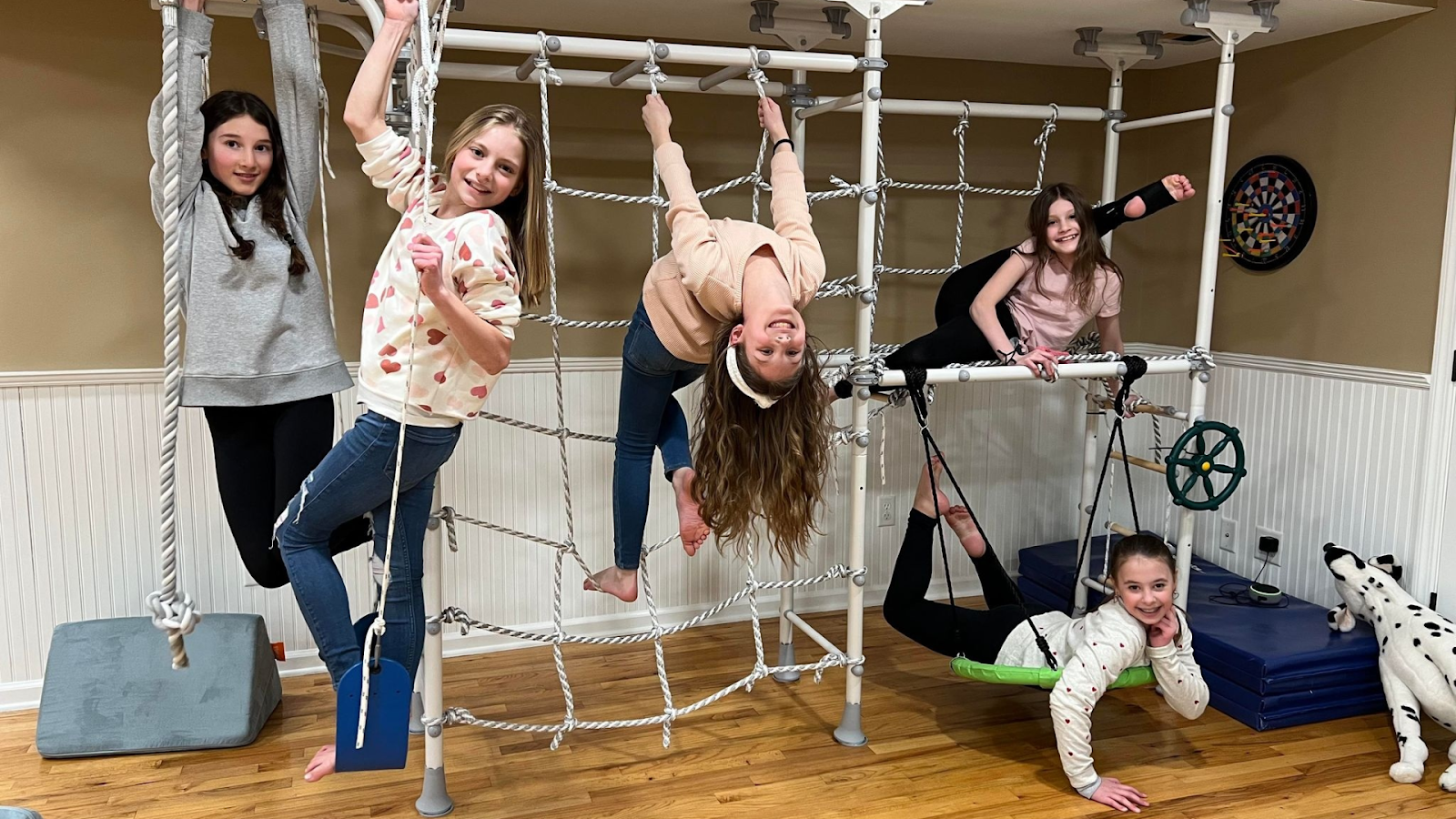
Brainrich Kids Play Gyms are designed for exactly this moment. Built for children ages 3+, our play gyms combine purposeful physical challenge with genuine fun — giving kids the movement their bodies crave, and parents the peace of mind they deserve. Every structure, every activity, every design choice is rooted in child development research.
Shop Play Gyms →
Share: