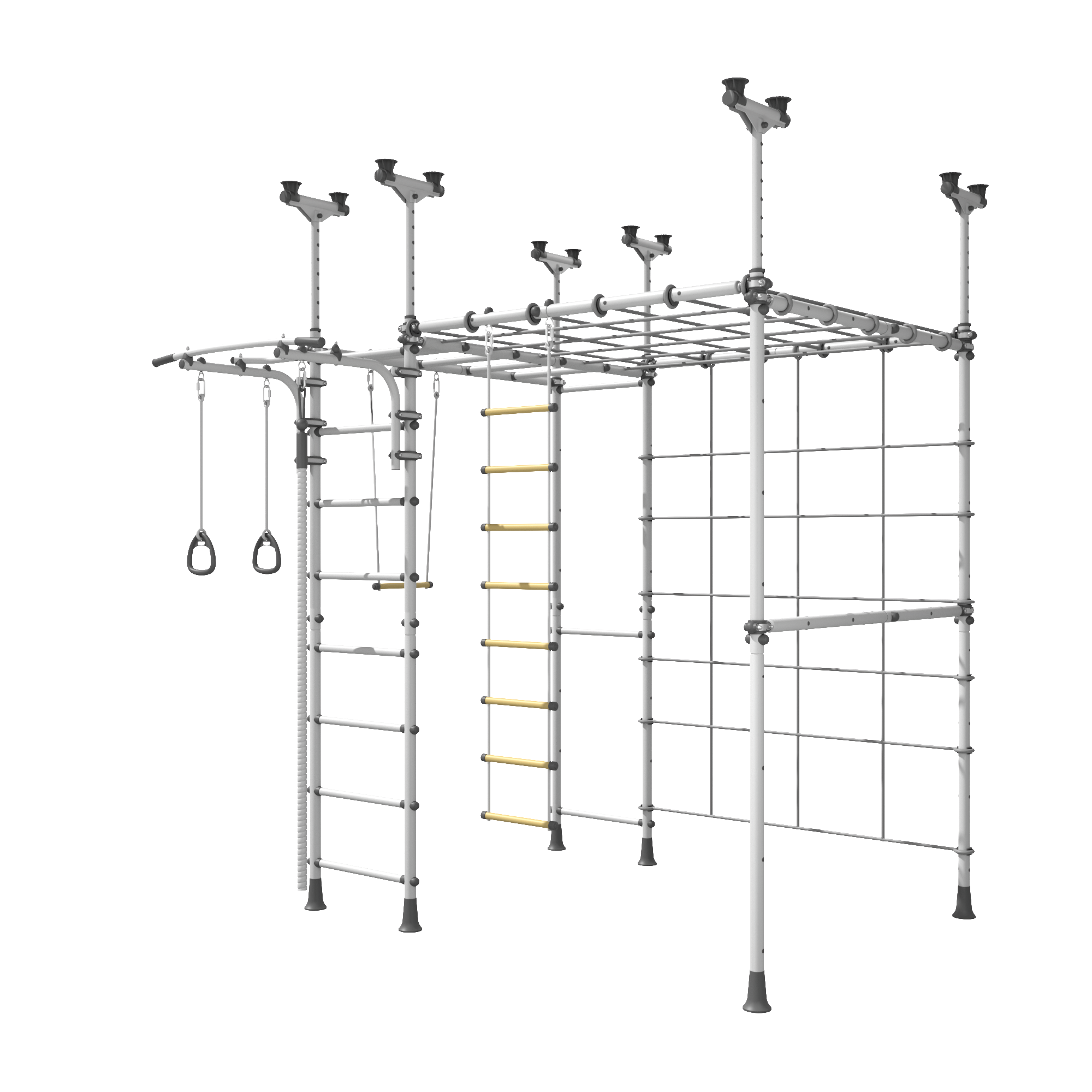
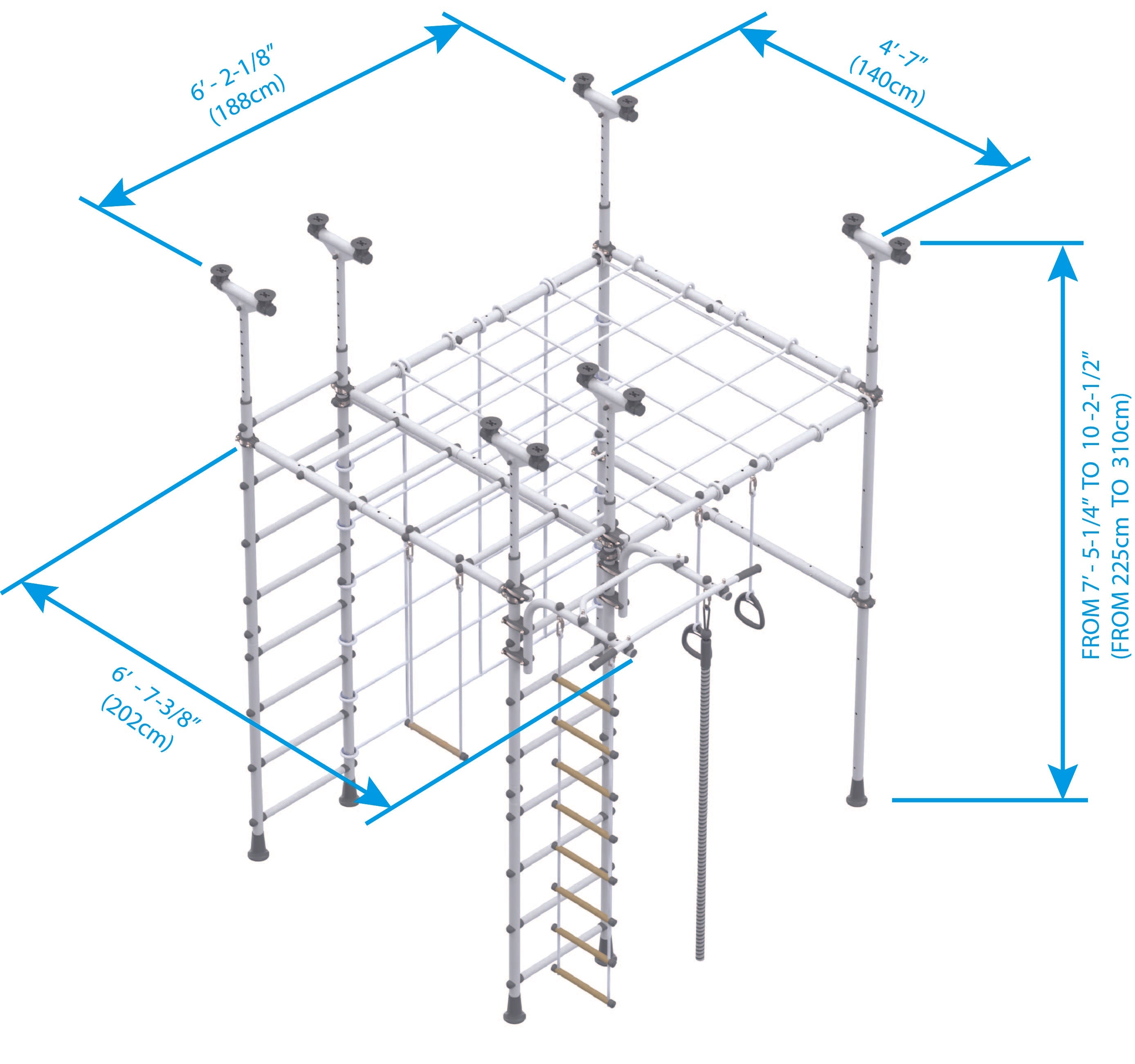
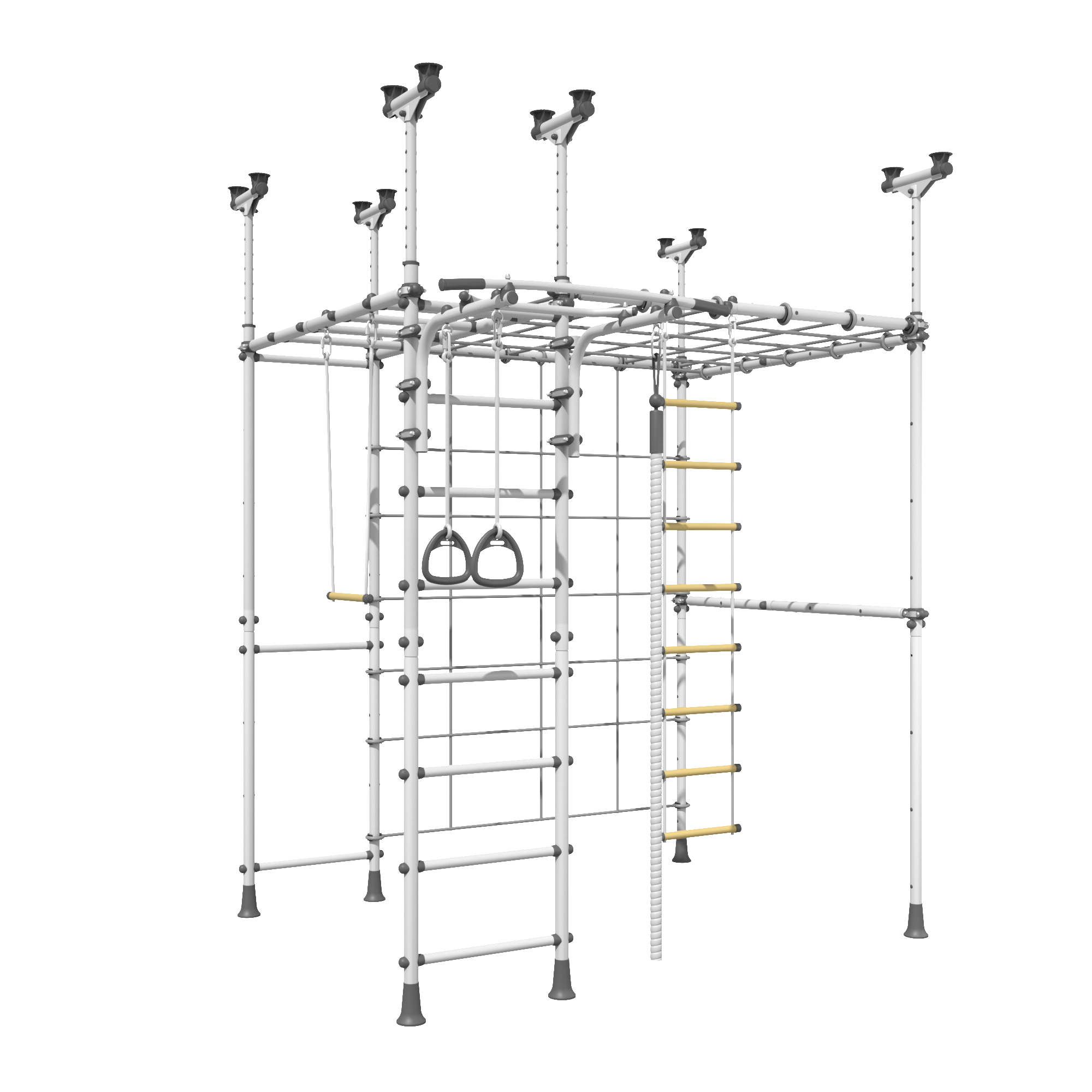
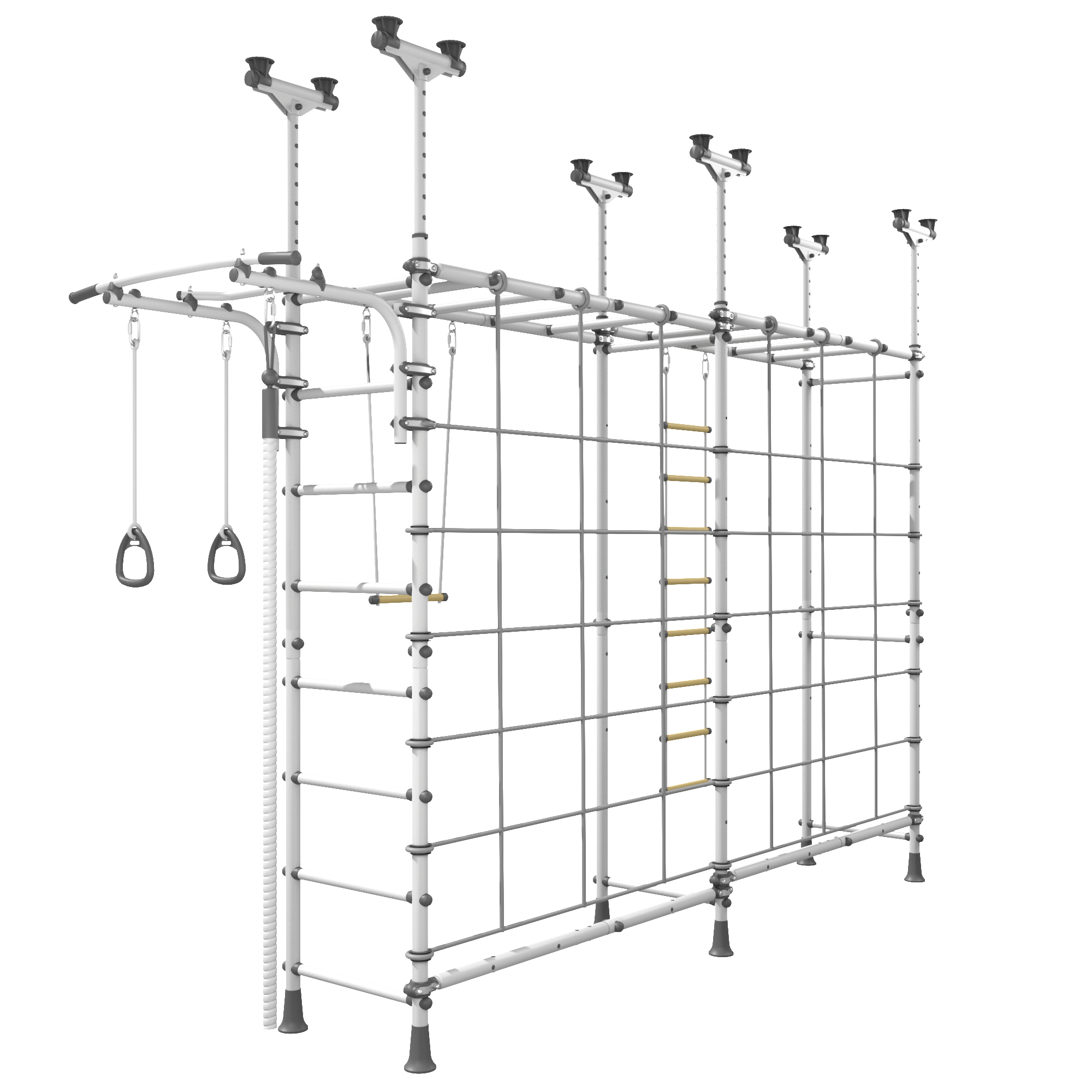
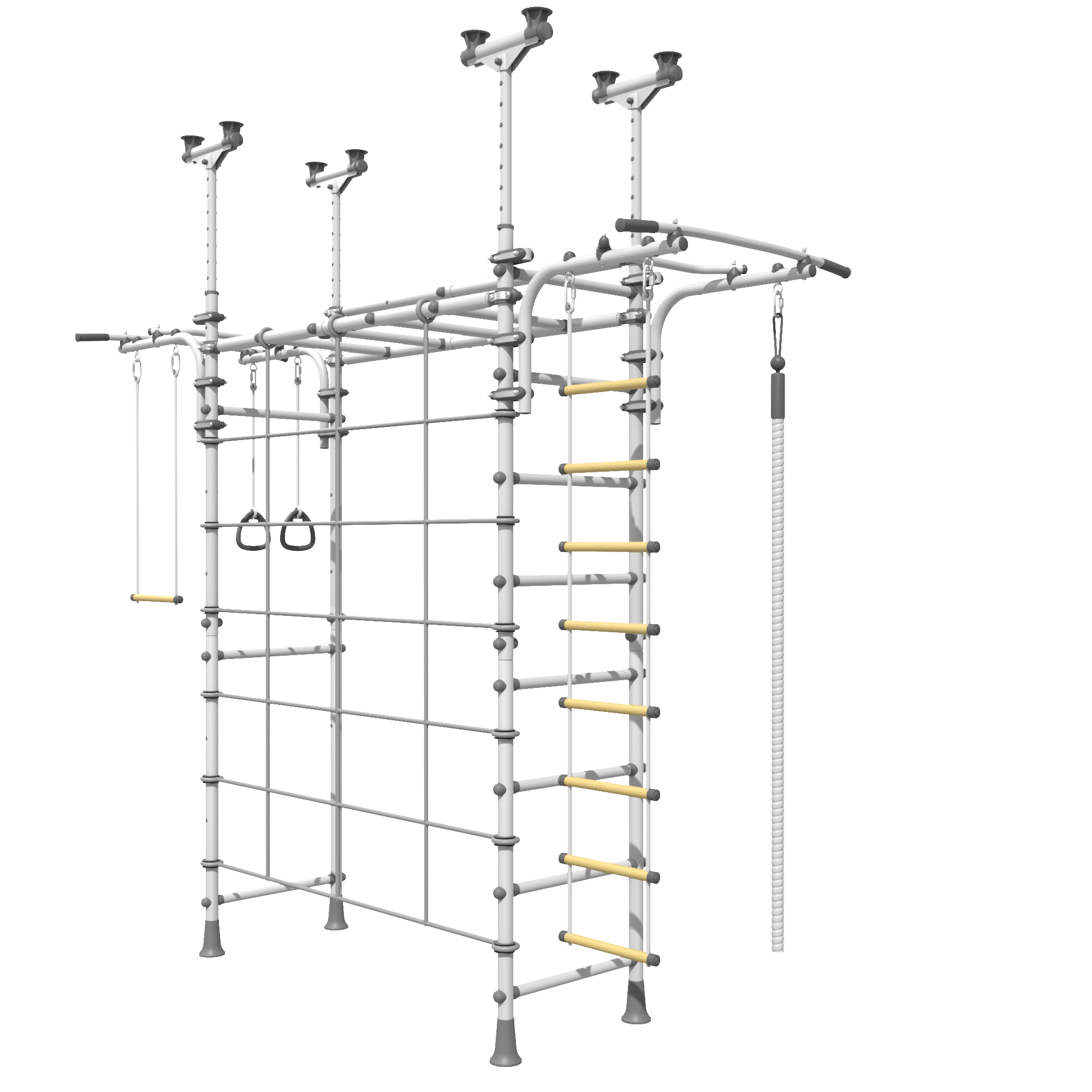
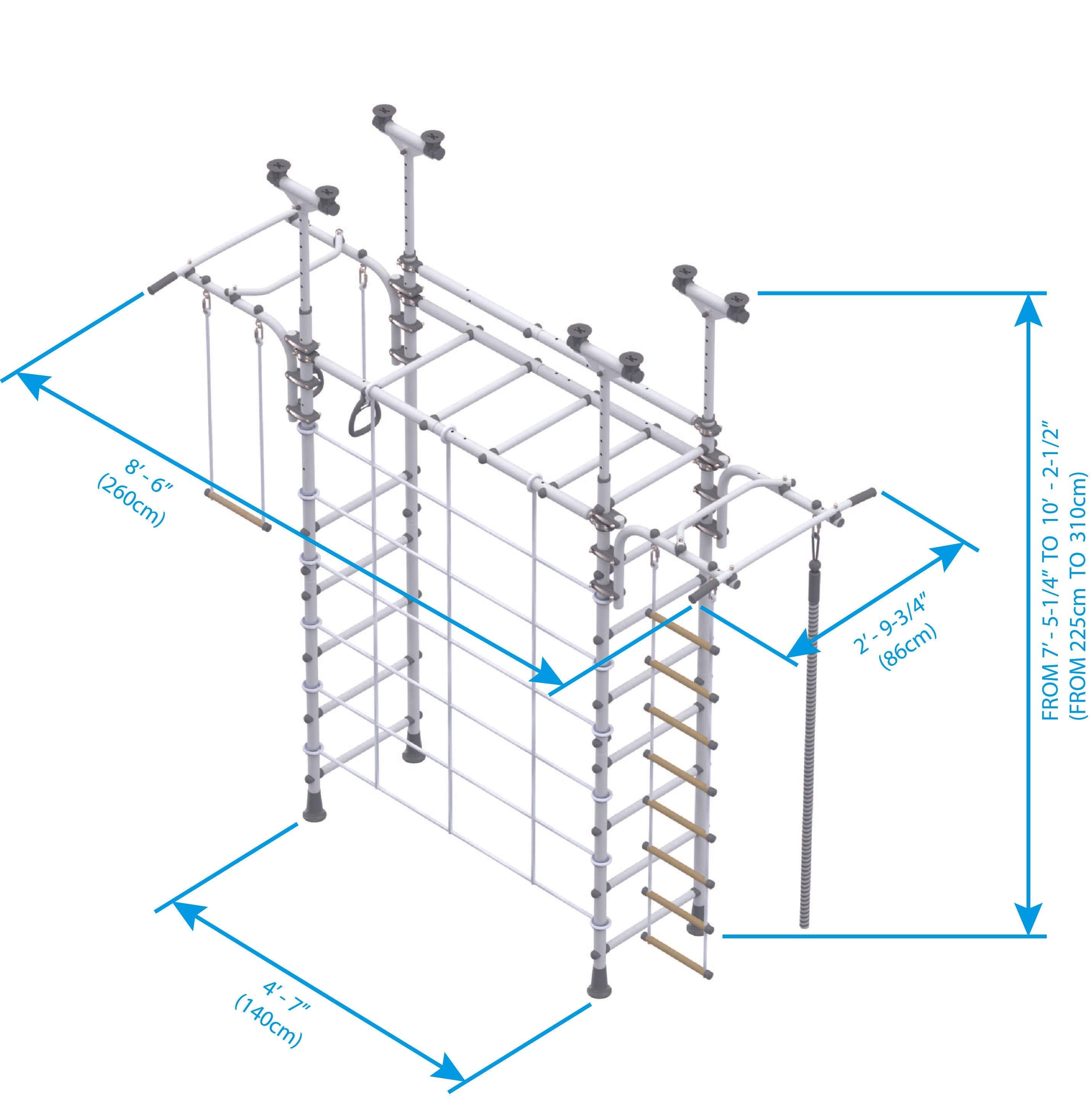
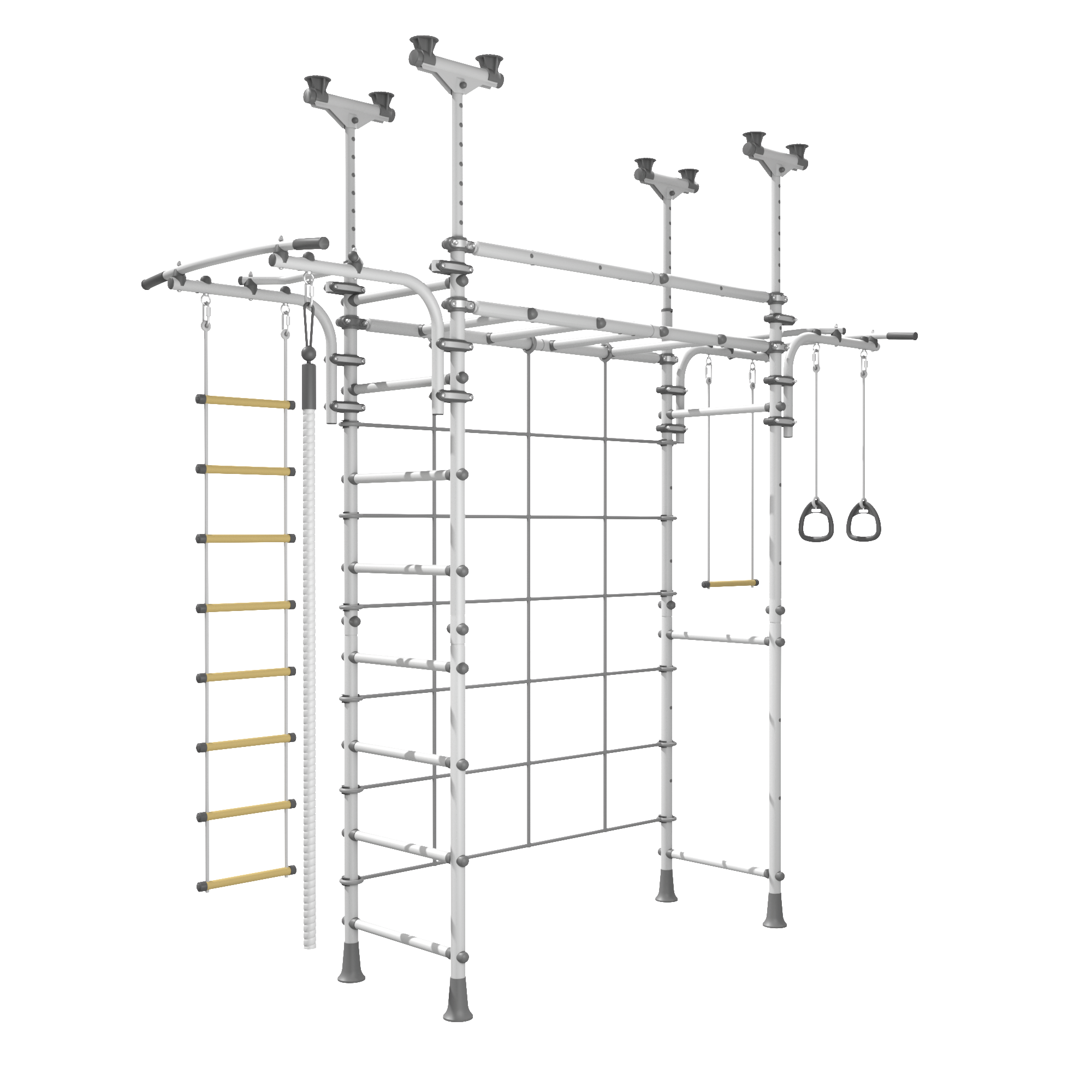
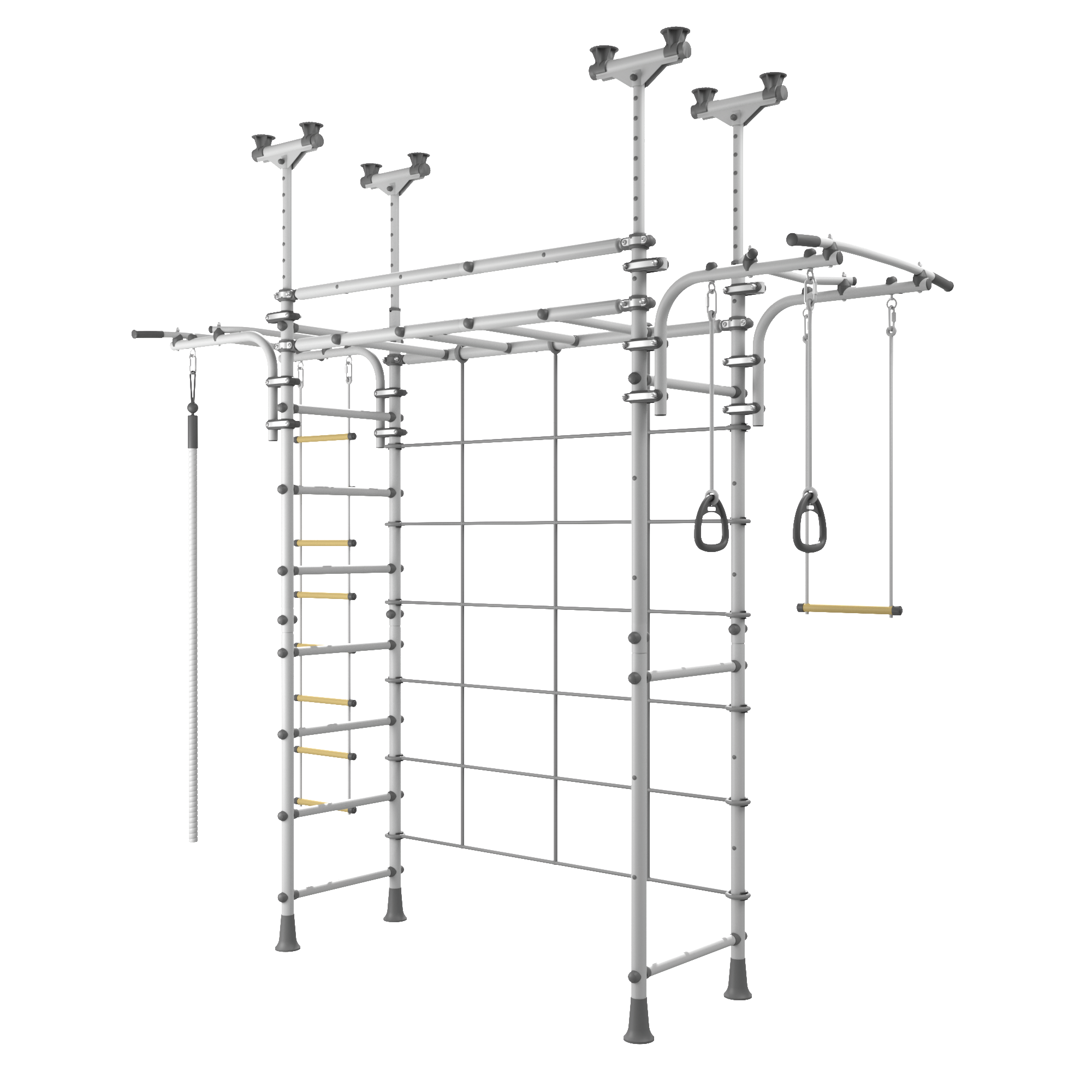
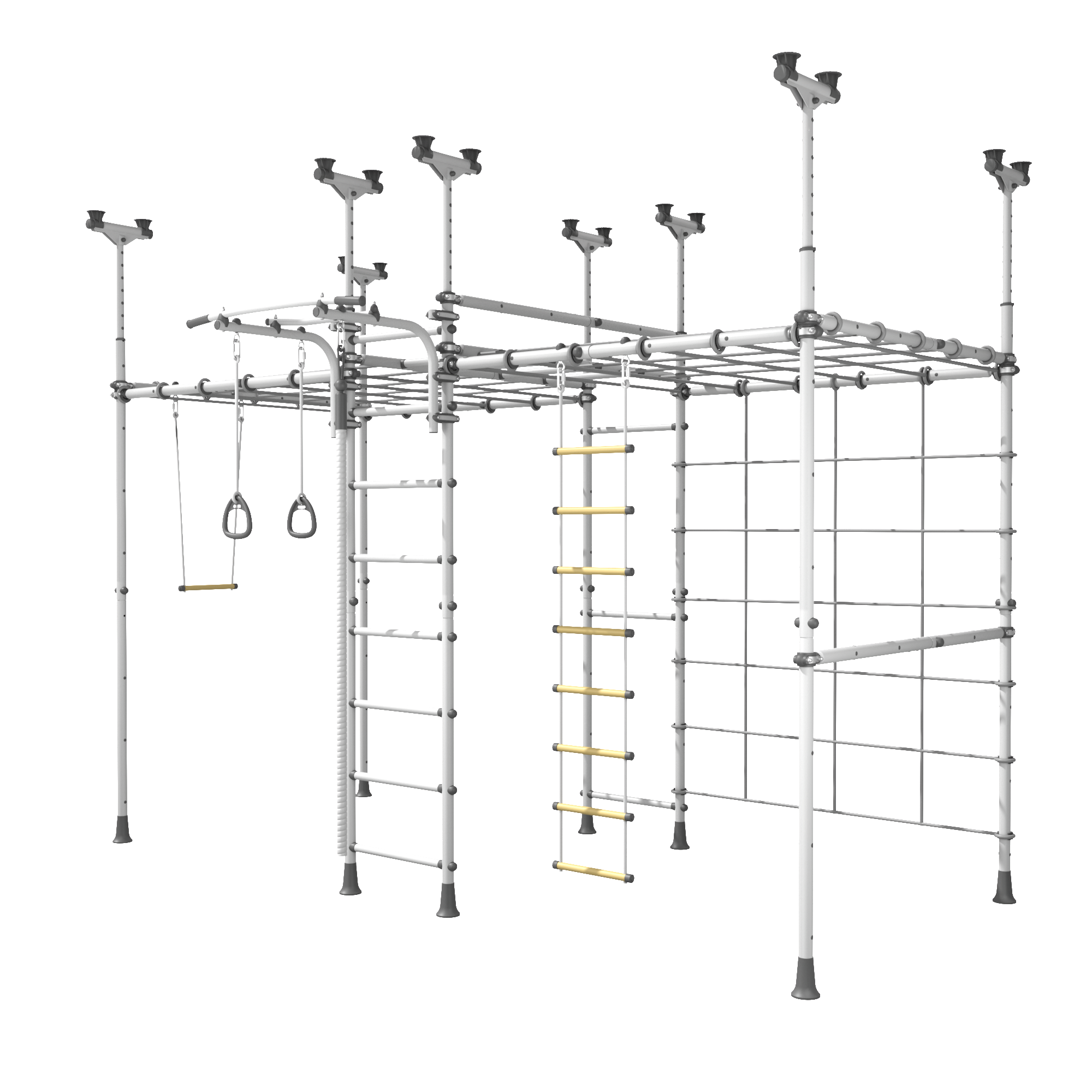
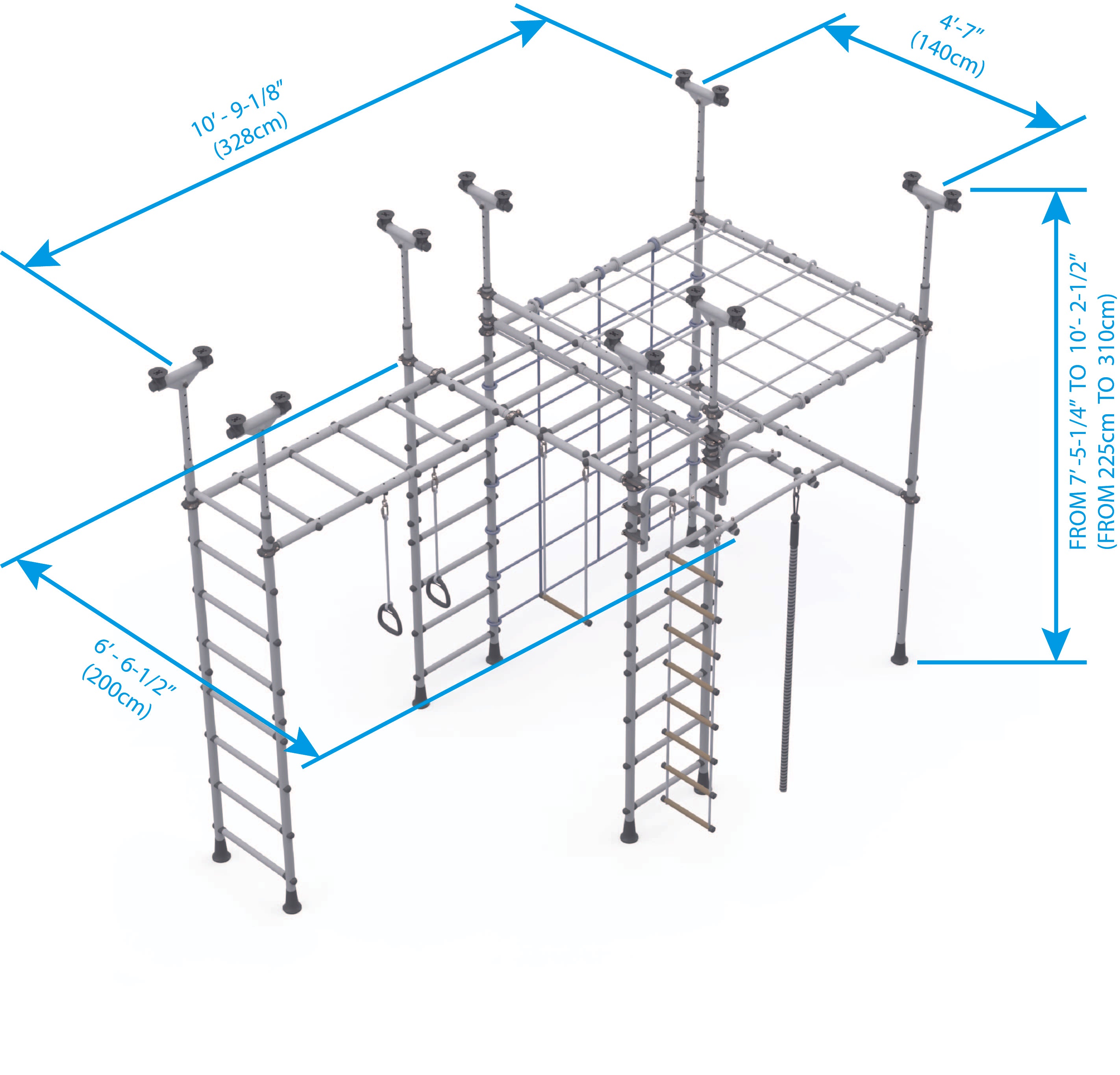
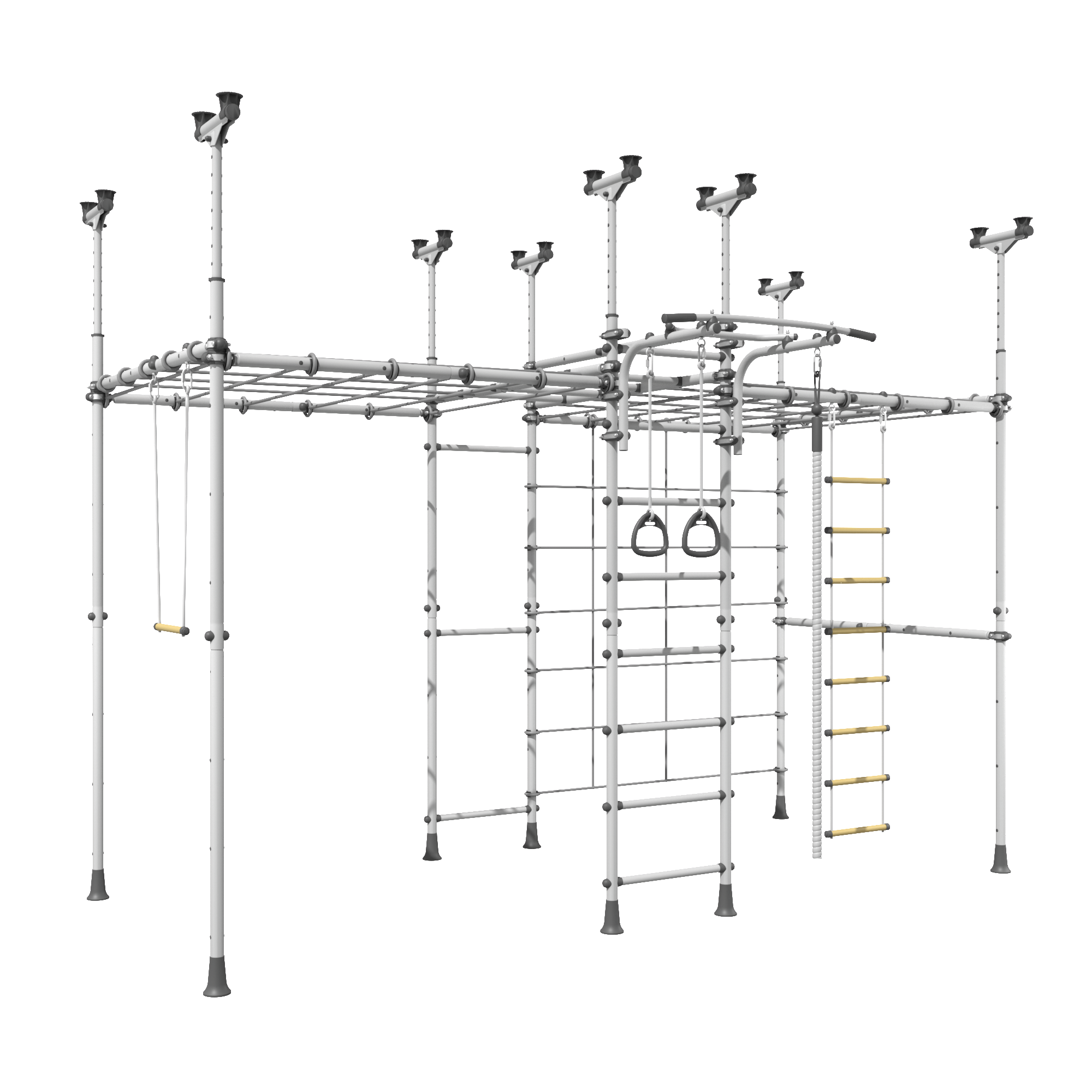
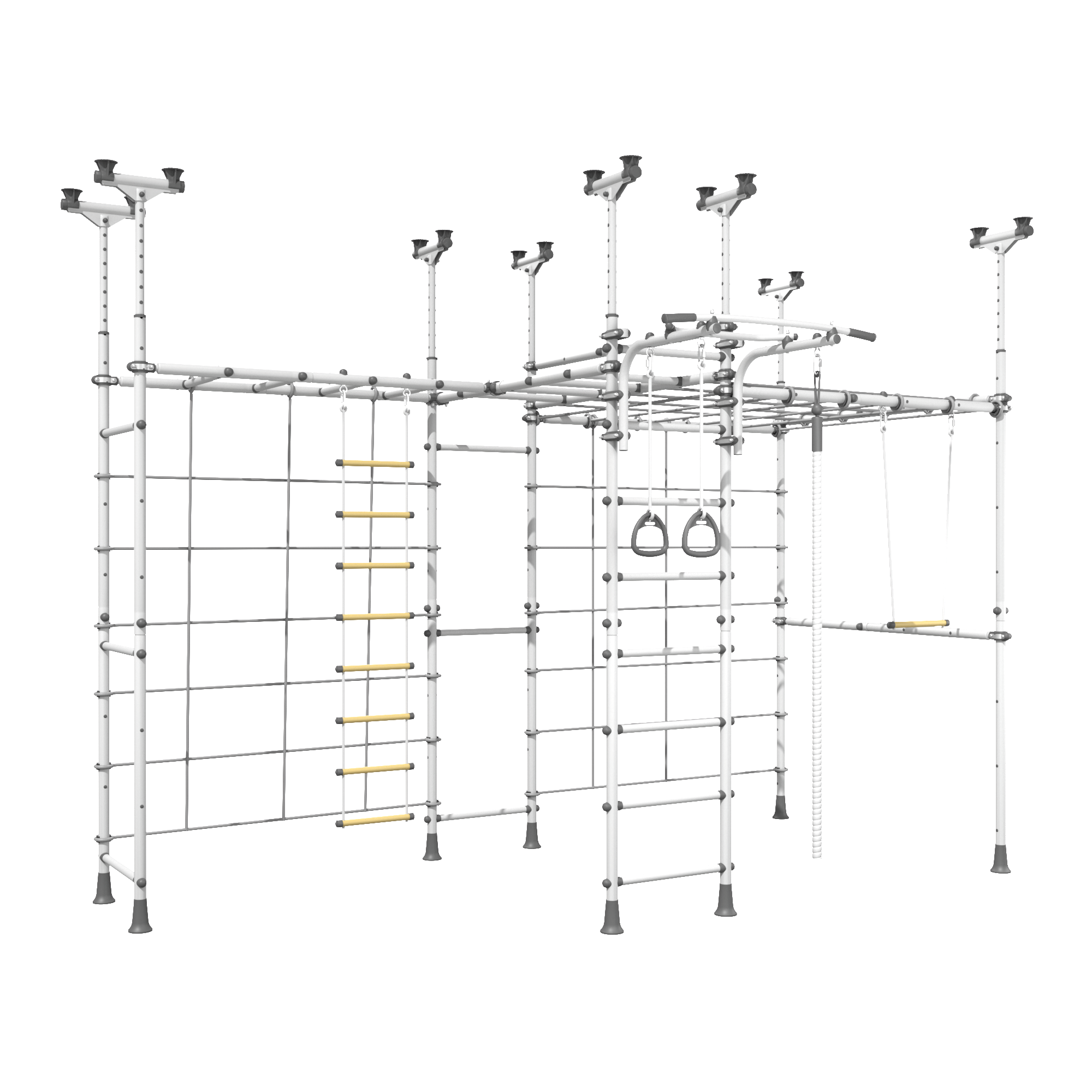
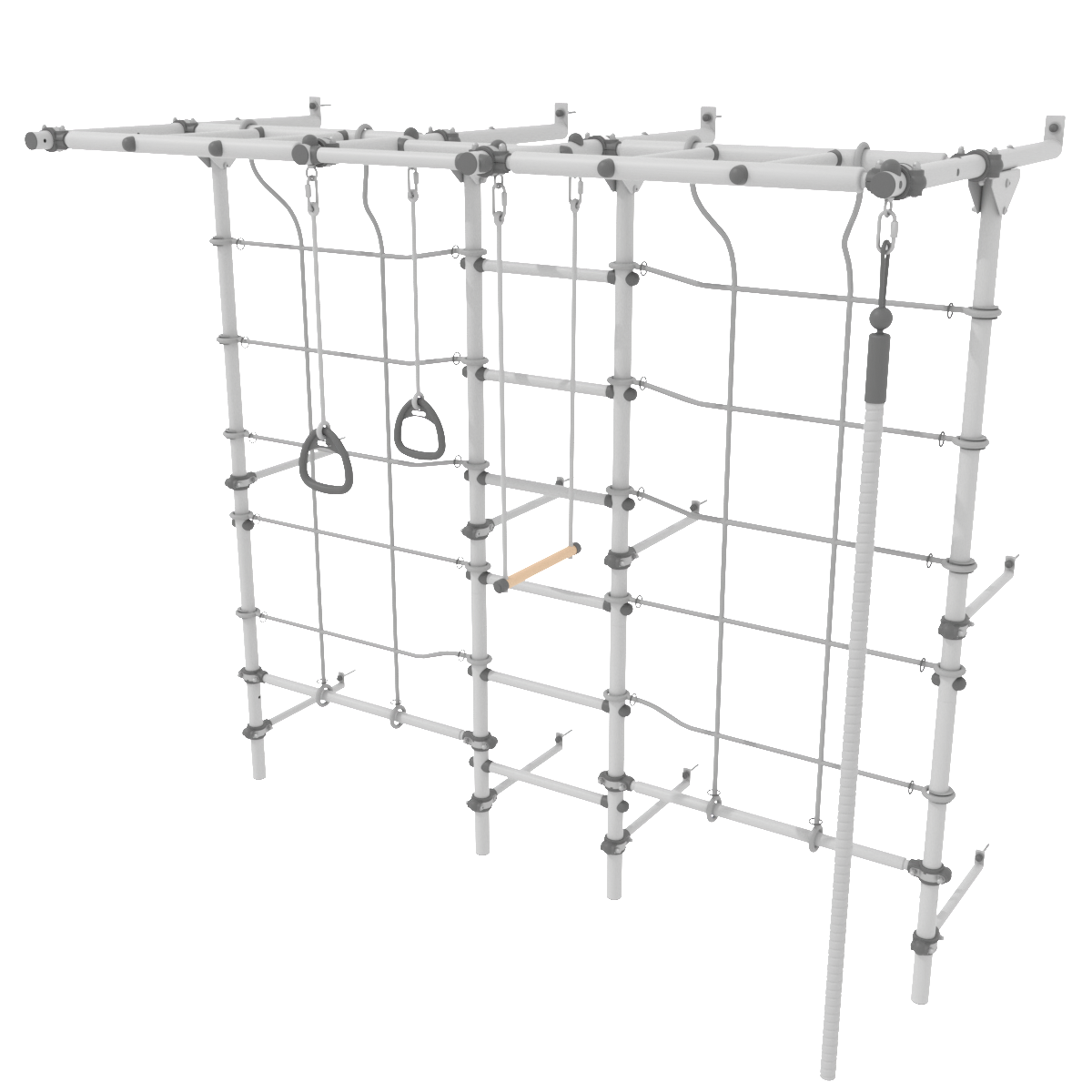
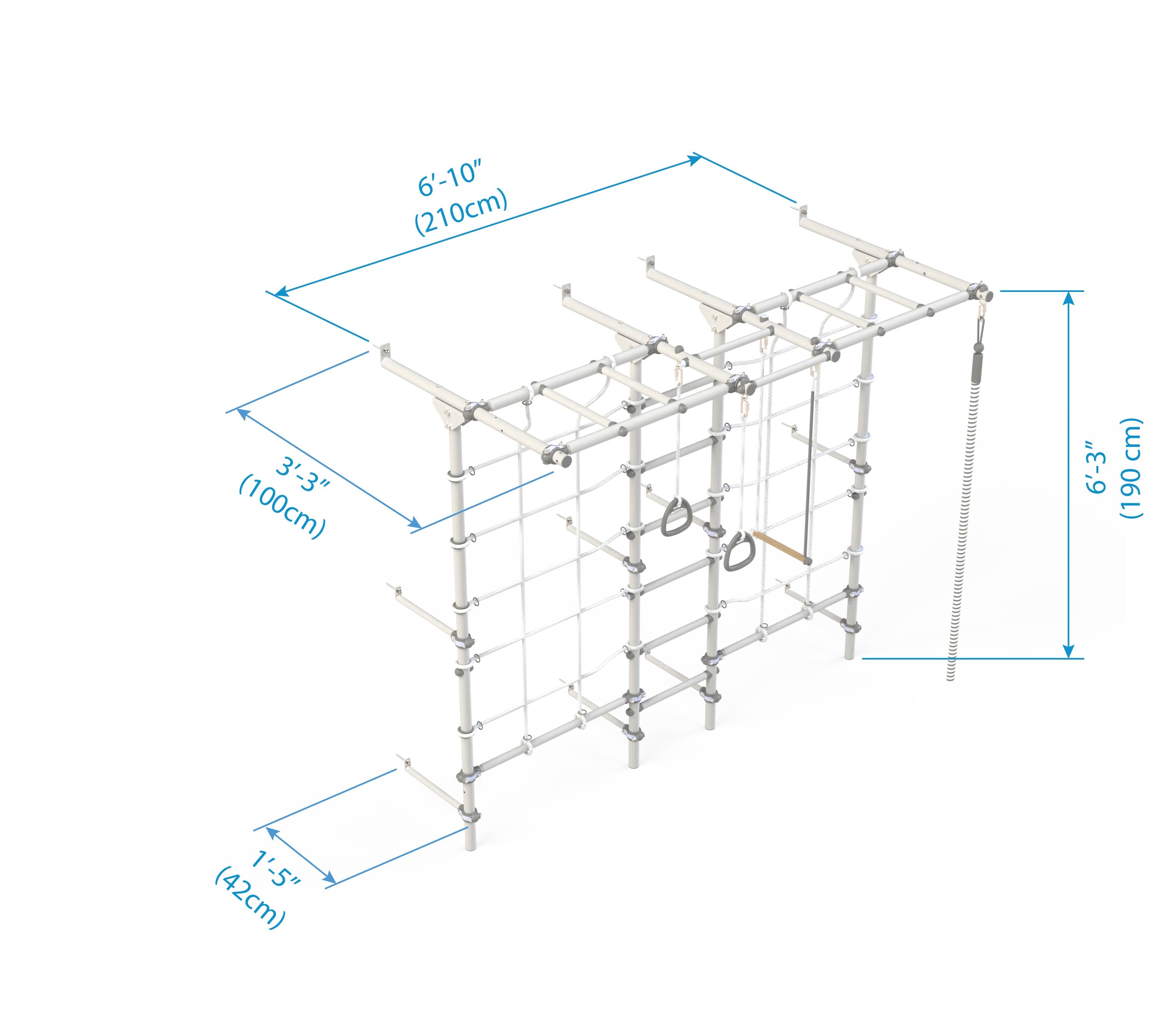
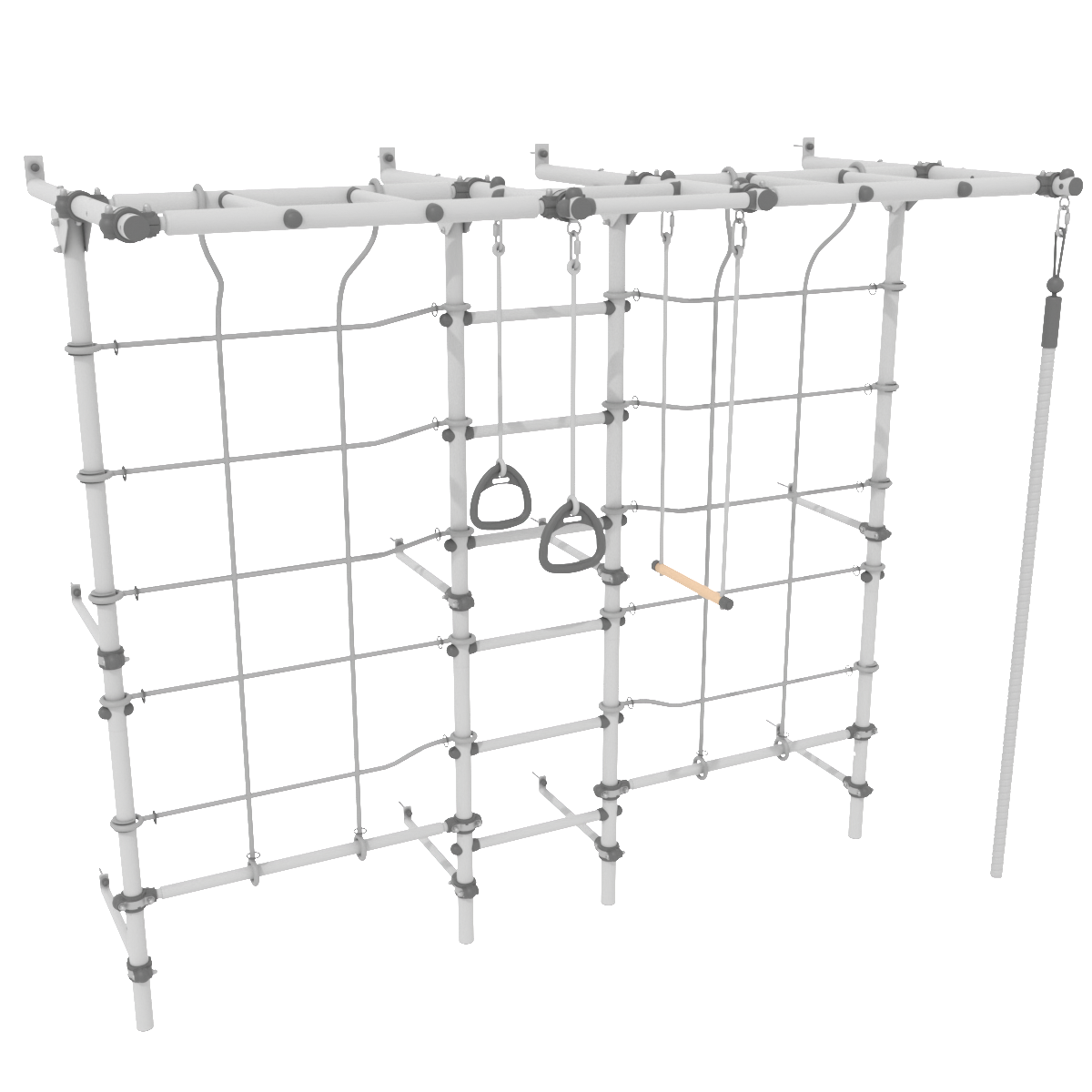
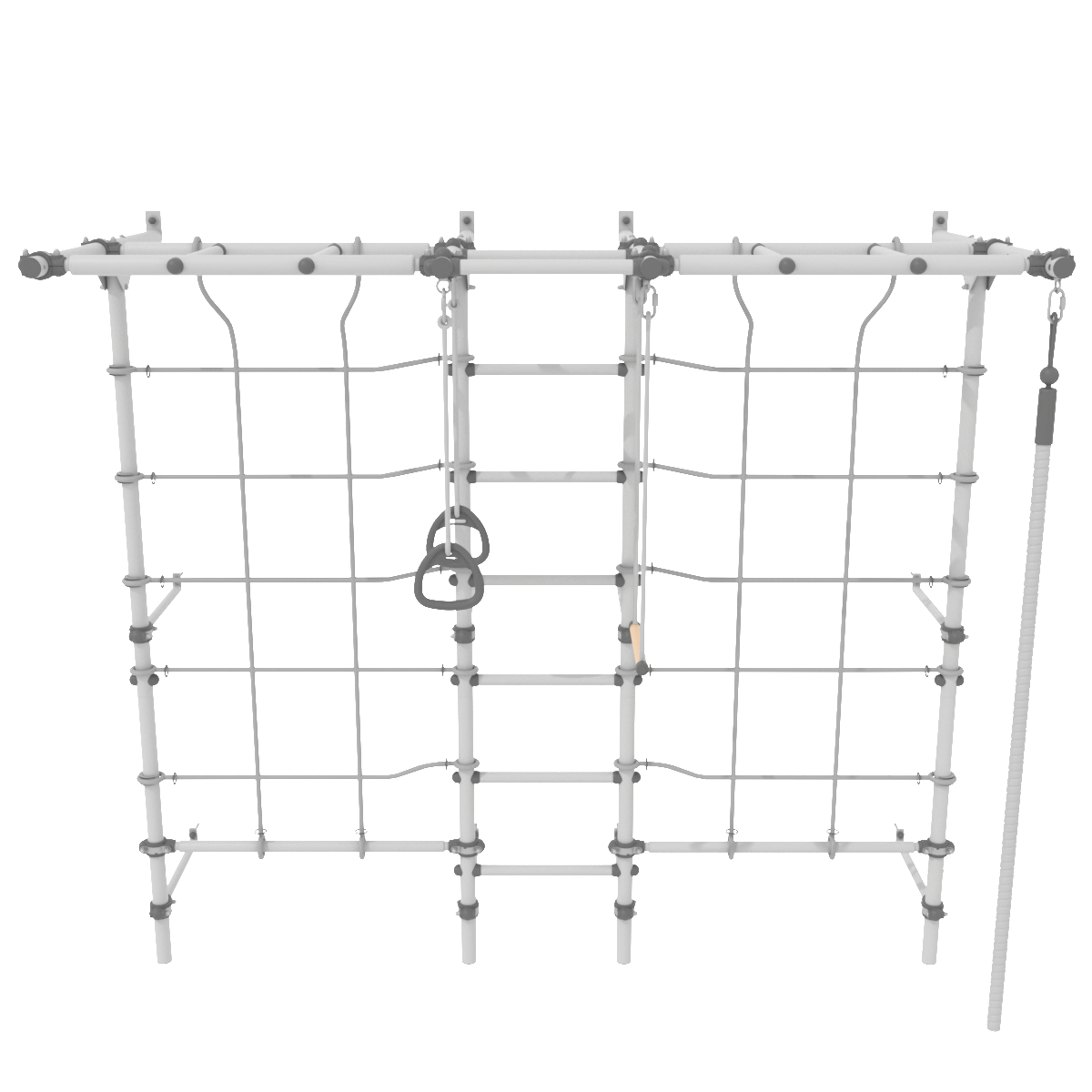
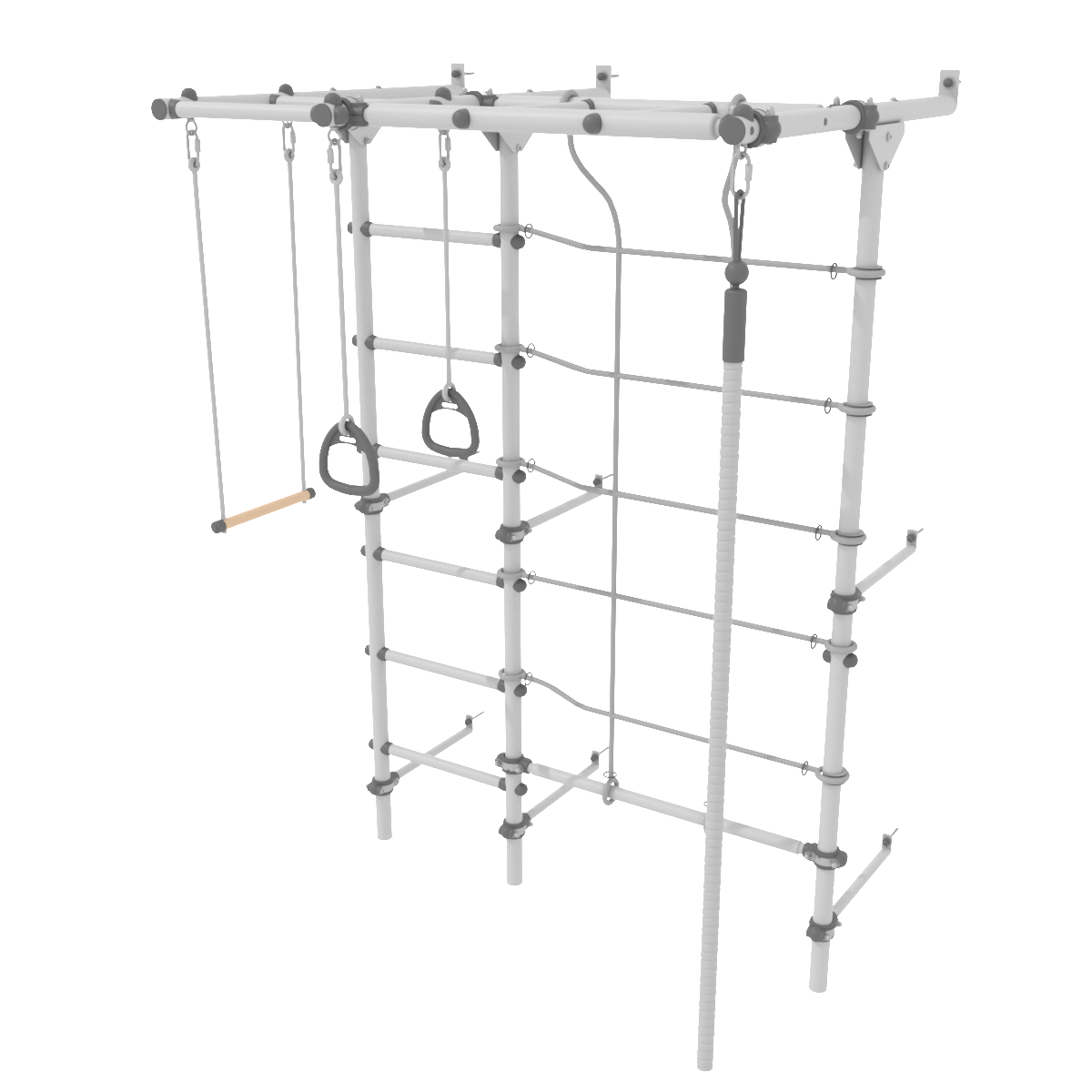
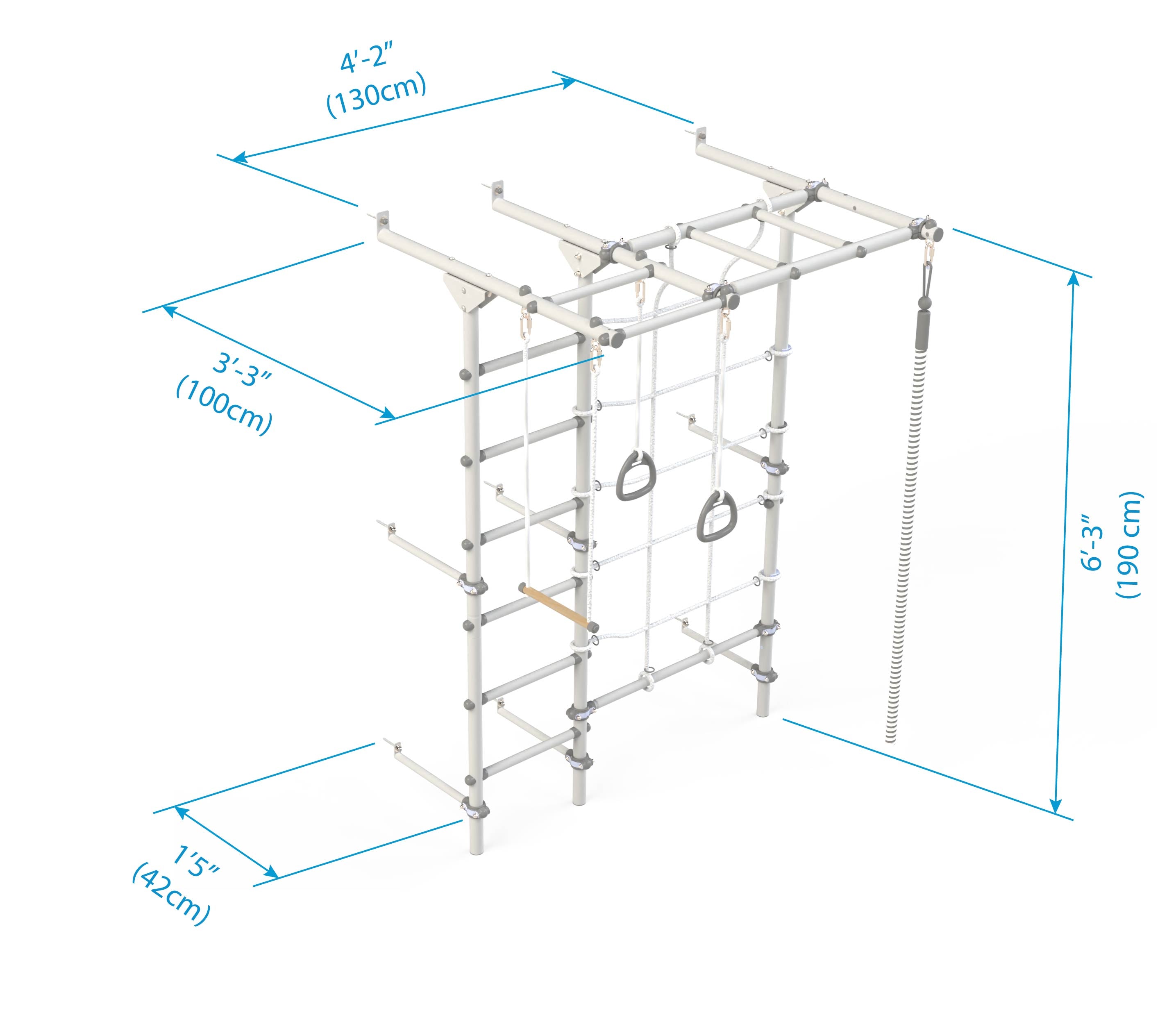
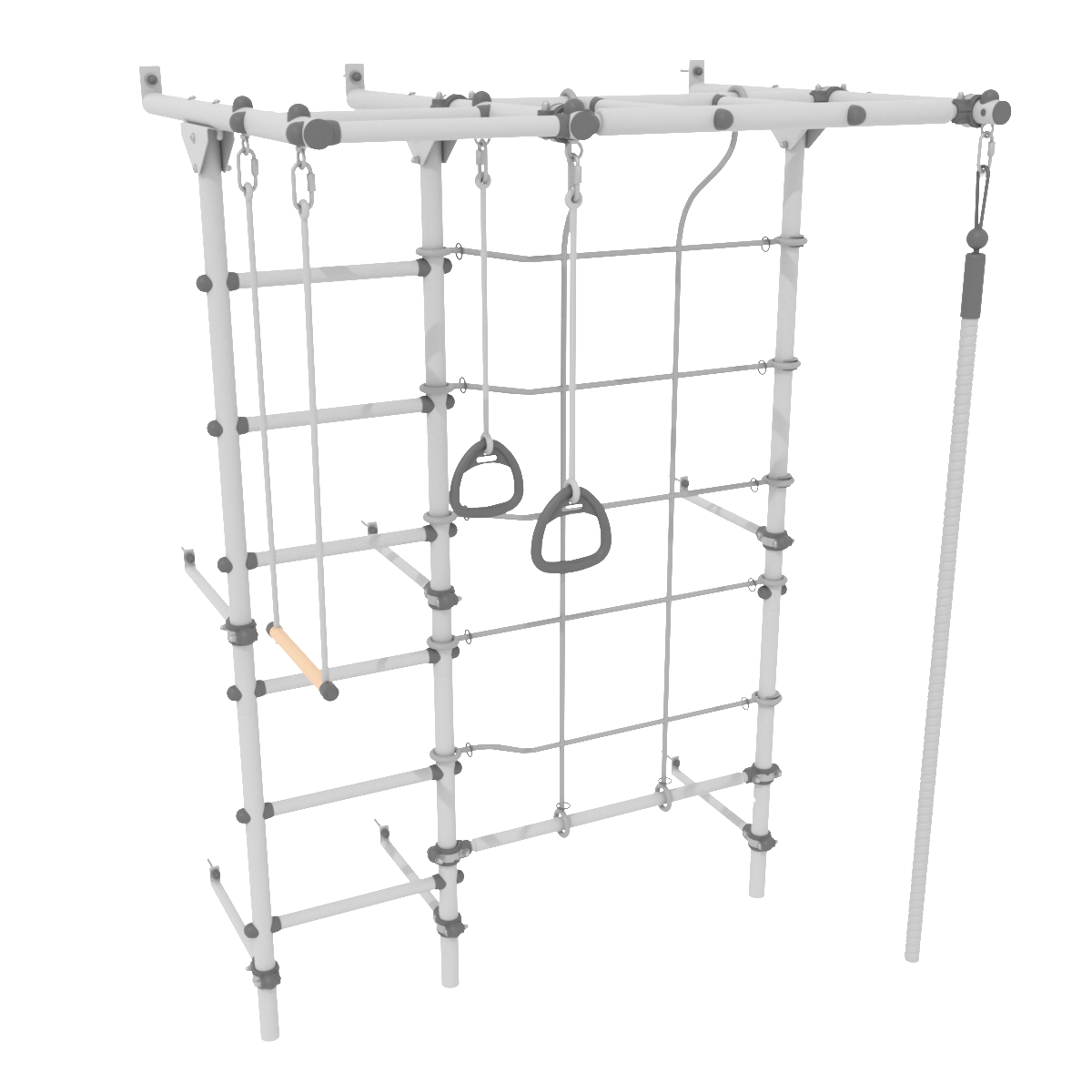
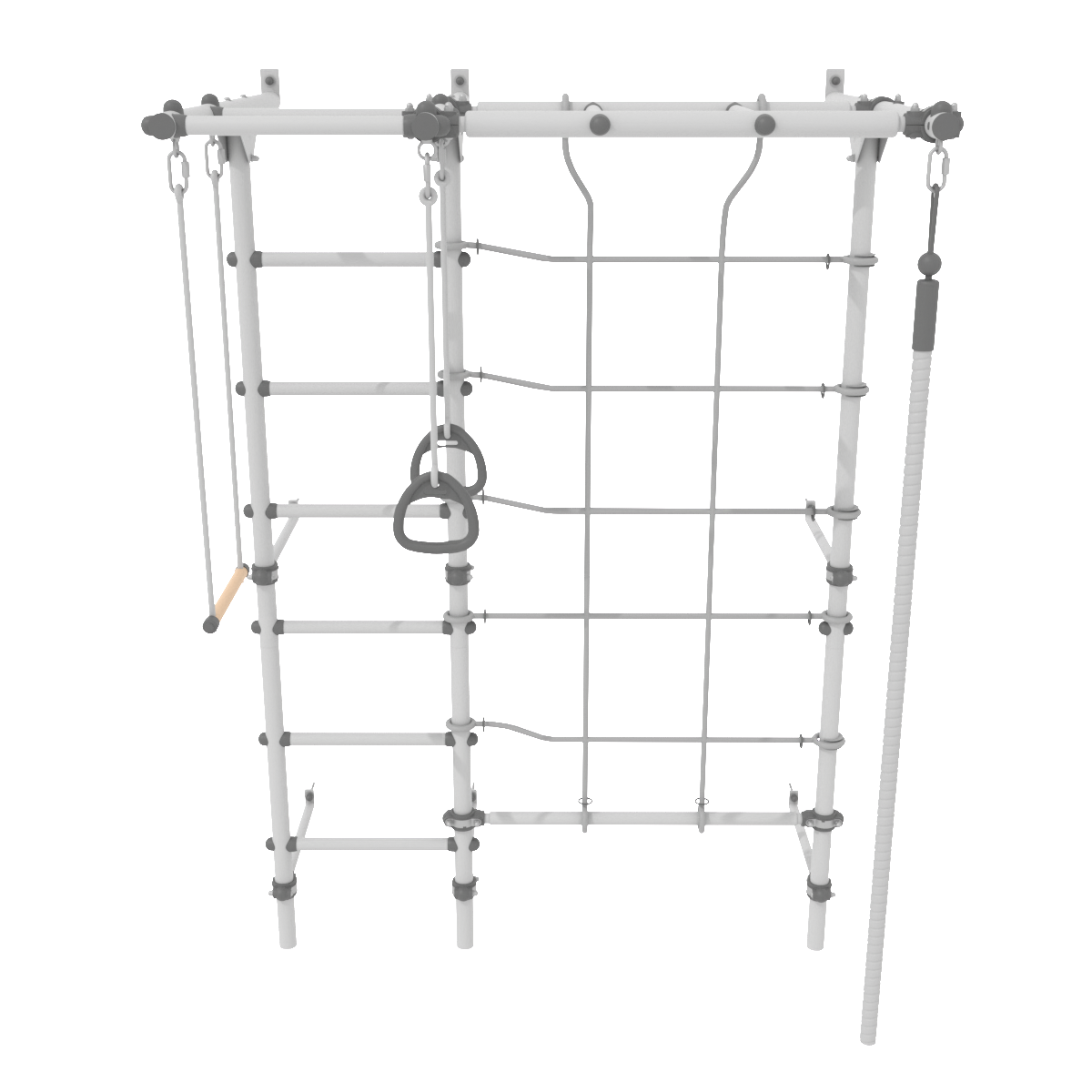
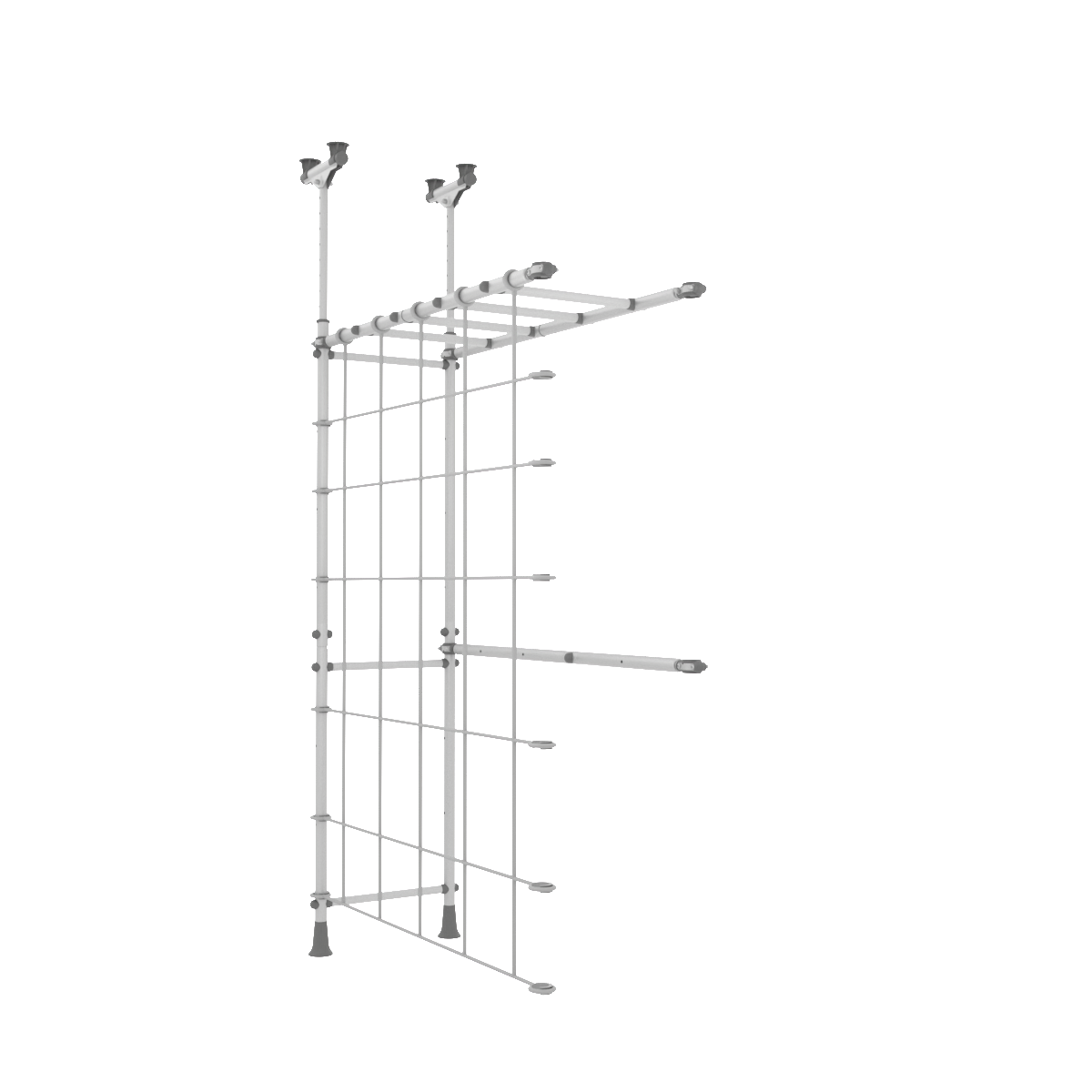
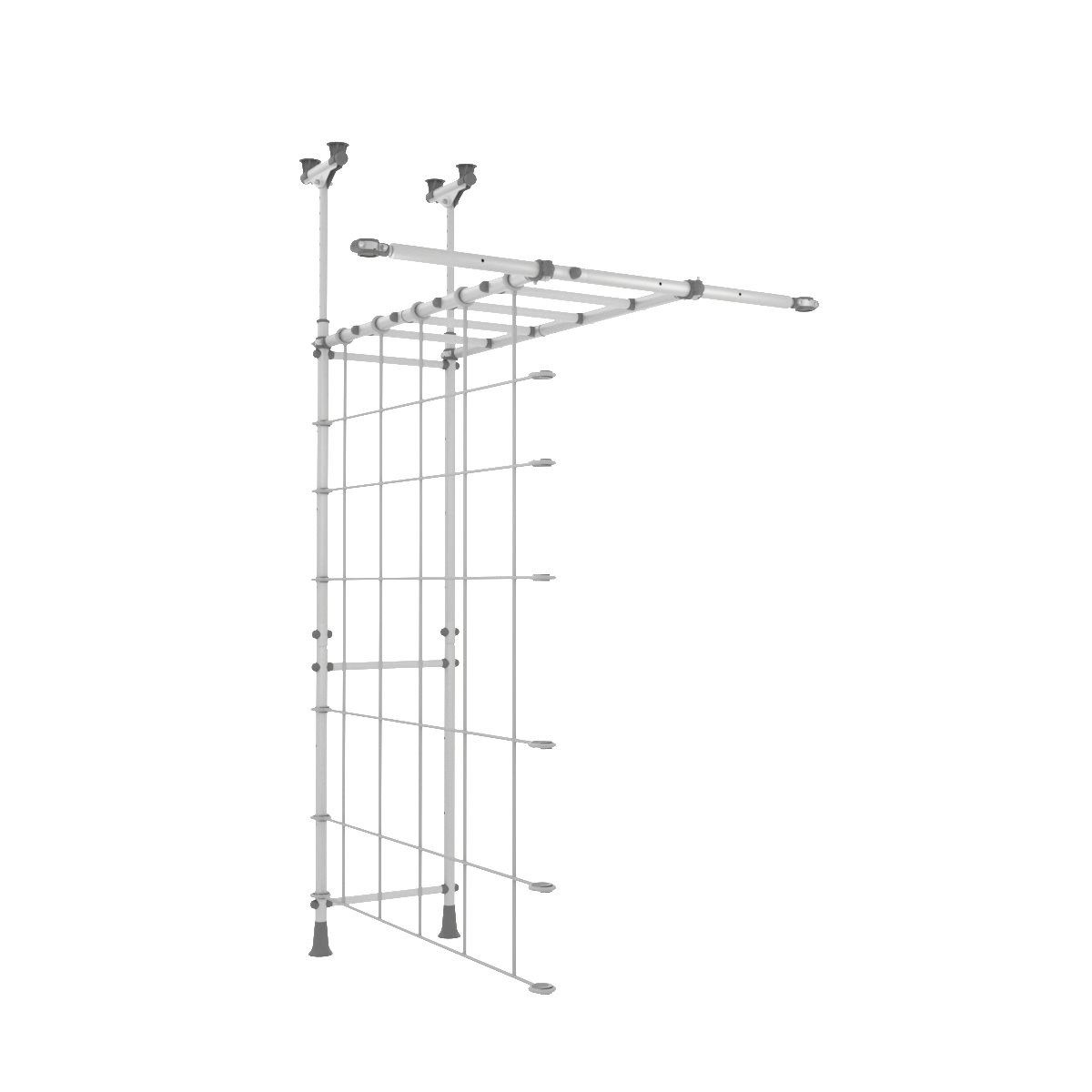
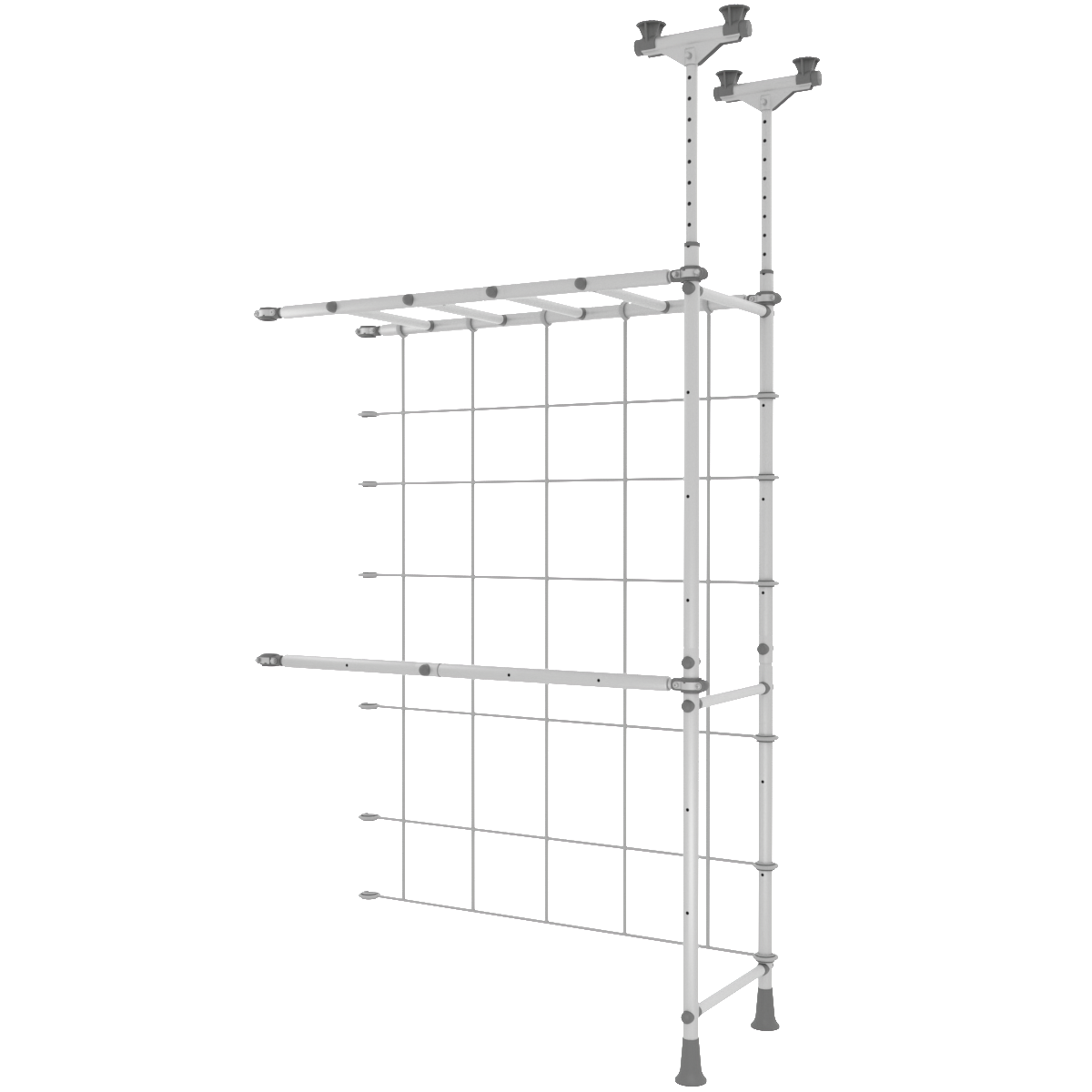
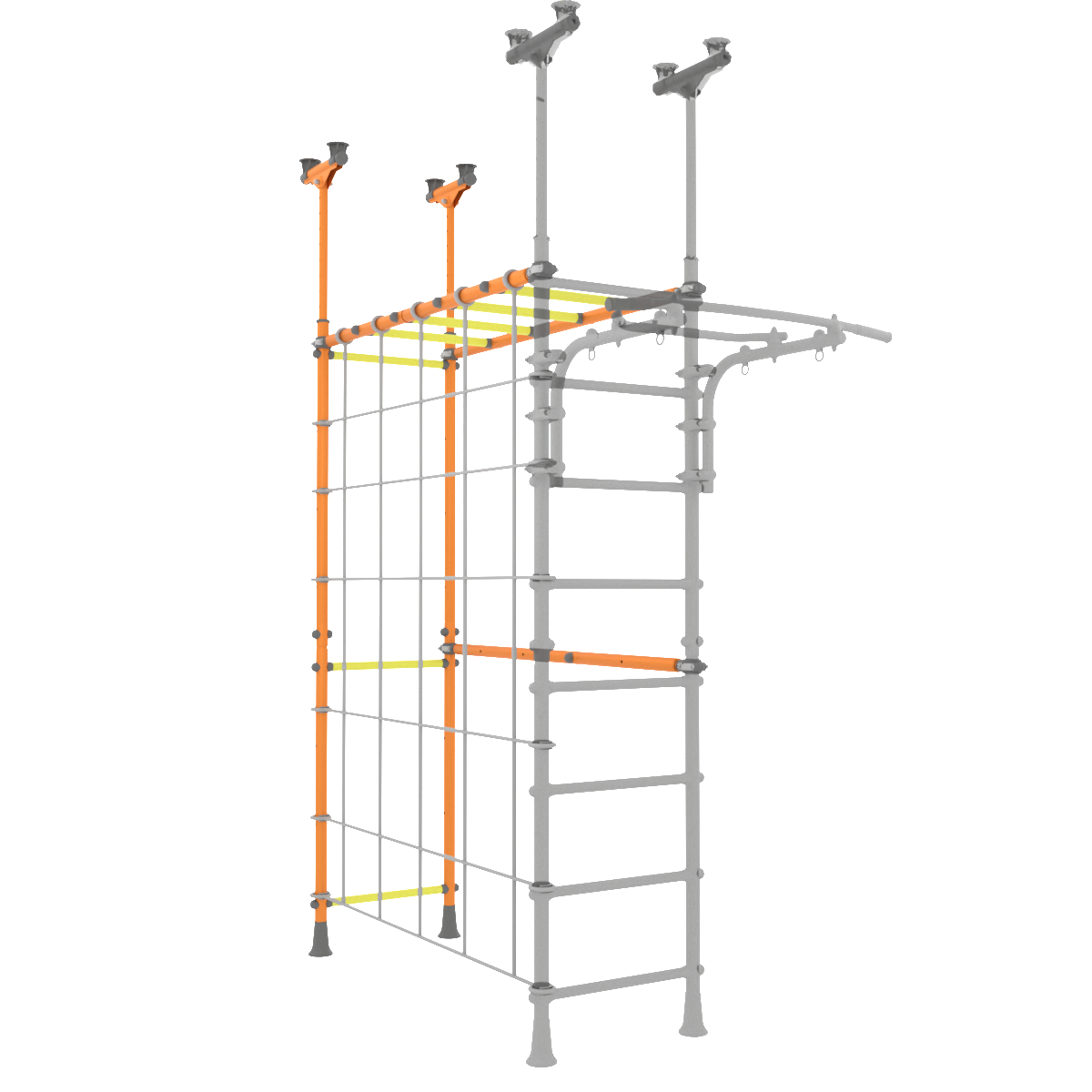
Sensory room equipment is designed to support the nervous system. These tools provide controlled input that helps children regulate how they respond to light, sound, pressure, and movement. This is especially important for children who experience sensory overload or seek stimulation to focus or calm down.
Each piece of equipment serves a clear purpose. Some encourage movement. Others promote calm or provide tactile feedback. The goal is to help the brain sort and manage sensory input without becoming overwhelmed.
Research supports this approach. A 2024 clinical trial published in the Journal of Clinical Medicine found that children with autism showed measurable improvements in gross motor skills and sensory regulation after regular exposure to multi-sensory room environments. These spaces combined structured movement with calming sensory tools, leading to stronger self-regulation and physical development.
Common types of sensory room equipment include:
- Climbing systems that support gross motor activity
- Swings for vestibular input and calming movement
- Weighted or compressive tools to provide deep pressure
- Balance-focused tools to build motor planning and core strength
- Soft lighting or noise panels to reduce sensory overload
- Textured surfaces for safe tactile exploration
Movement is one of the most powerful forms of sensory input. That’s why modern sensory rooms often include climbing frames, monkey bars, or swings that allow children to move their bodies in ways that feel natural and safe.
Choosing The Right Autism Sensory Room Equipment
Not all sensory equipment works the same for every child. This is especially true when creating spaces for kids with autism, who often process sensory input differently. Some may seek out movement constantly. Others may avoid it or become overwhelmed quickly. The right setup gives kids control over their experience, without added pressure.
Autism sensory room equipment should focus on two main goals:
- Helping the brain regulate stimulation
- Encouraging safe, self-led movement
That’s why swings, climbing systems, and balance tools are often recommended by therapists. They support what research calls "adaptive sensory modulation." A 2023 study in Children found that sensory room environments improved attention, movement coordination, and reduced dysregulation in children with autism when used consistently.
What to prioritize when choosing equipment:
- Movement options like climbing ladders or trapeze bars
- Safety-rated materials that can be used daily
- Low-stimulation design with neutral colors or soft lighting
- Adjustable features that meet changing needs
- Therapist-approved setups that focus on vestibular and proprioceptive input
Brainrich equipment supports both active movement and quiet regulation. Our systems can hold multiple children, shift over time as needs change, and fit into small spaces without permanent installation. This gives families a safe, sensory-friendly setup that blends into the home and daily routines.
Why Sensory Room Equipment For Autism Needs Movement
Sensory room equipment for autism should support both regulation and physical activity. Kids with autism often need more than a quiet space. They benefit from movement, climbing, swinging, and tools that support their vestibular and proprioceptive systems.
Full-body motion helps the brain process sensory input. It reduces tension, improves coordination, and helps support emotional regulation. Movement also boosts focus, especially when a child can choose how to interact with their environment.
A 2022 study in Autism found that when children with autism had control over lights, sounds, and inputs in a sensory room, they showed better attention and fewer repetitive behaviors. Another study confirmed that motor-based play, like swinging or climbing, supported sensory regulation in younger children with autism.
As noted in our article on the five benefits of having indoor swings for kids, swings support balance, spatial awareness, and help release excess energy, all of which can improve daily routines for children with autism.
Effective sensory rooms include:
- Climbing tools that challenge coordination
- Balance elements that support body awareness
- Swings and ladders for rhythmic regulation
- Non-toxic, safe materials made for indoor home use
Brainrich systems are built with movement in mind. Our equipment is made from proper quality steel, not PVC or wood, and is designed for daily use by multiple children. The setup is modular, therapist-approved, and supports brain development through structured, sensory-rich movement.
How Sensory Room Equipment For Kids Supports Growth
Kids grow through motion, not just milestones. Sensory room equipment for kids supports that growth by providing daily access to climbing, swinging, balancing, and movement-based activities that develop both body and brain.
These activities help build more than just coordination. They support focus, language, social interaction, and emotional control. Structured sensory input improves how the brain filters and organizes sensory experiences, especially during developmental years.
Open-ended, movement-based tools are essential. Toys that allow freedom, control, and interaction promote focus and regulation. Our systems support imaginative play as much as physical development, encouraging creativity along with sensory input.
This aligns with the approach behind Montessori toys, which are designed to support independence, fine and gross motor skills, and hands-on brain development through purposeful, self-directed movement.
Sensory equipment that grows with your child offers:
- Support for motor planning and balance
- Regulation tools for transitions or overstimulation
- A way to build confidence through safe risk-taking
- Movement that fuels brain development
- Equipment that encourages imaginative play
Brainrich equipment fits these needs. It’s made from proper quality steel and food-grade plastic, not wood or PVC. It adjusts to different heights, angles, and setups, making it suitable for toddlers up to teenagers. Built for indoor home use, our systems fit where kids live, grow, and move.
When To Set Up A Sensory Room (By Age)
The right time to introduce sensory room equipment is early. Sensory integration begins from infancy. Movement, balance, and stimulation are not extras. They are essential for development. If your child is climbing furniture, jumping off couches, or struggling to settle, now is the right time.
Sensory rooms are not only for therapy. They are for daily routines, imaginative play, and emotional regulation. Whether your child is homeschooled, autistic, highly active, or just needs a place to move, early setup gives them the support they need before challenges increase.
Here’s how sensory needs often change by age:
- Ages 1–3: Encourage crawling, gentle climbing, and swinging. Movement builds body awareness and coordination.
- Ages 4–7: Add tools that support balance, focus, and imaginative play.
- Ages 8–12: Use equipment that helps with core strength, emotional control, and regulation during schoolwork or transitions.
- Teens: Sensory needs do not go away. Movement helps manage energy, anxiety, and attention in older kids, too.
Brainrich equipment adapts to every stage. Our modular system can be adjusted for toddlers, growing kids, and teens. Every unit is made from proper quality steel and food-grade plastic, not PVC or wood. It is strong, safe, and built for indoor home use.
You don’t need to wait for a diagnosis or a referral. Sensory support is part of growth, just like sleep, nutrition, and learning. The earlier you offer that support, the easier it is for your child’s brain to develop the tools it needs.
What Makes Our Equipment Work In Real Homes
We don’t design for gyms or clinics. We build for bedrooms, living rooms, basements, and shared spaces where movement needs to happen every day. Our sensory room equipment is made for real homes and real families.
The structure is made from high-grade steel, not wood, and does not require drilling or permanent installation. It’s modular. It’s adjustable. It fits into small spaces and can handle real daily use. Every part is created to grow with your child.
We do not use PVC pipes. We do not rely on plastic frames that flex or crack. Instead, we use proper quality steel and food-grade plastic that supports multiple kids at once.
Why Brainrich works in real home environments:
- Modular design that adjusts for toddlers through teens
- Safe for small spaces without needing to modify walls
- Supports imaginative play and physical therapy routines
- Strong enough for active kids, gentle enough for sensory regulation
- Used by over 10,000 families across all seasons
- Approved by occupational and physical therapists
Our equipment is built for indoor home use. That includes cold winters, hot summers, and families who want movement available year-round. It helps homeschooled kids build structure into their day and gives kids with autism a place to reset without leaving the house.
We make equipment that fits your space, your schedule, and your child’s needs.
Sensory Play, Brain Development, And Daily Routines
Sensory play isn’t a break from learning. It is learning. Through movement, touch, and repetition, kids develop the foundation for memory, focus, and emotional control. Sensory room equipment gives structure to this input and makes it part of the daily routine.
Movement-based sensory play supports long-term brain development. It improves regulation, builds body awareness, and helps with transitions. This is especially important for kids with autism and homeschooled families, where daily structure may look different from a traditional classroom.
The study "The Use of Multi-Sensory Environments with Autistic Children: Exploring the Effect of Having Control of Sensory Changes" found that offering children control over sensory inputs improved attention and reduced repetitive behaviors.
If you’re introducing sensory input at an early age, our article on sensory play for toddlers explains how climbing, swinging, and crawling support self-regulation and focus even in the first years.
Daily routines that include movement might look like:
- Climbing or swinging before seated tasks
- Active breaks after schoolwork or transitions
- Morning movement to set the tone for the day
- Evening play to help with wind-down
Brainrich equipment supports these routines. Our setups don’t require constant oversight. They create opportunities for kids to regulate through play, practice independence, and engage their full body and brain.
Read also:
Sources:
- Carmela De Domenico, Marcella Di Cara, Piccolo, A., Settimo, C., Leonardi, S., Grazia Giuffrè, Cristina, M., Cucinotta, F., Tripodi, E., Impallomeni, C., Quartarone, A., & Cucinotta, F. (2024). Exploring the Usefulness of a Multi-Sensory Environment on Sensory Behaviors in Children with Autism Spectrum Disorder. Journal of Clinical Medicine, 13(14), 4162–4162. https://doi.org/10.3390/jcm13144162
- Lindner, C., Looijesteijn, E., Dijck, H. van, Bovee-Oudenhoven, I., Heerikhuisen, M., Broek, T. J. van den, Marzorati, M., Triantis, V., & Nauta, A. (2023). Infant Fecal Fermentations with Galacto-Oligosaccharides and 2′-Fucosyllactose Show Differential Bifidobacterium longum Stimulation at Subspecies Level. Children, 10(3), 430. https://doi.org/10.3390/children10030430
- Unwin, K. L., Powell, G., & Jones, C. R. (2021). The Use of Multi-Sensory Environments with Autistic children: Exploring the Effect of Having Control of Sensory Changes. Autism, 26(6). https://doi.org/10.1177/13623613211050176