Montessori toys are built for real play, not passive entertainment. They are made to match a child’s natural need to touch, move, explore, and think independently. Instead of bright lights or noisy features, they focus on what a child can do. Not what a toy does for them.
The goal is to create tools that help kids build concentration, fine motor skills, and independence. These toys are usually simple in design but full of purpose. Each one gives the child freedom to learn through action and repetition. They aren’t just fun. They support how the brain grows.
According to a 2022 review in Frontiers in Psychology, early access to physical play and hands-on tools improves executive function, memory, and problem-solving. These outcomes are directly linked to long-term brain development.
Montessori toys matter because they support:
- Focus without overstimulation
- Imaginative play that builds flexible thinking
- Motor control through simple, purposeful movement
- Independence from adult-led instruction
- Brain development through repetition and discovery
If you want a deeper breakdown of what qualifies as a Montessori toy, we’ve covered that in What Are Montessori Toys?.
Why Montessori Climbing Toys Support Brain Development
Montessori climbing toys support real movement, not passive play. They give children the chance to climb, balance, and problem-solve using their whole body. These actions help build strength, coordination, and cognitive growth at the same time.
When children climb or balance, they activate motor areas in the brain that support focus, memory, and self-regulation. A review published in Frontiers in Psychology found that structured physical movement helps develop working memory and planning skills. These abilities are important for learning and emotional control.
Montessori climbing toys are simple on purpose. They do not overstimulate. Children choose how to climb, how fast to move, and how to repeat a skill. This freedom builds confidence and supports long-term brain development.
Key benefits include:
- Gross motor growth through climbing and coordinated movement
- Spatial awareness as children judge height, distance, and direction
- Executive function support as they plan steps and solve small challenges
- Imaginative play that encourages creativity and flexible thinking
- Brain development through repeated practice and controlled movement
Montessori climbing toys work well for toddlers learning balance, preschoolers building strength, and older children who need daily movement to stay focused. Many families who homeschool use climbing toys to help kids reset between lessons.
For homes with limited outdoor space, cold winters, or hot summers, climbing toys offer safe, daily movement inside the home. Physical play becomes part of everyday learning.
The Best Montessori Toys For Real-Life Homes
The best Montessori toys are the ones kids actually use. Not every home has space for large wooden setups or outdoor gear. That’s why design, material, and adaptability matter. A toy that supports movement, focus, and brain development without needing a dedicated playroom is what makes it useful day after day.
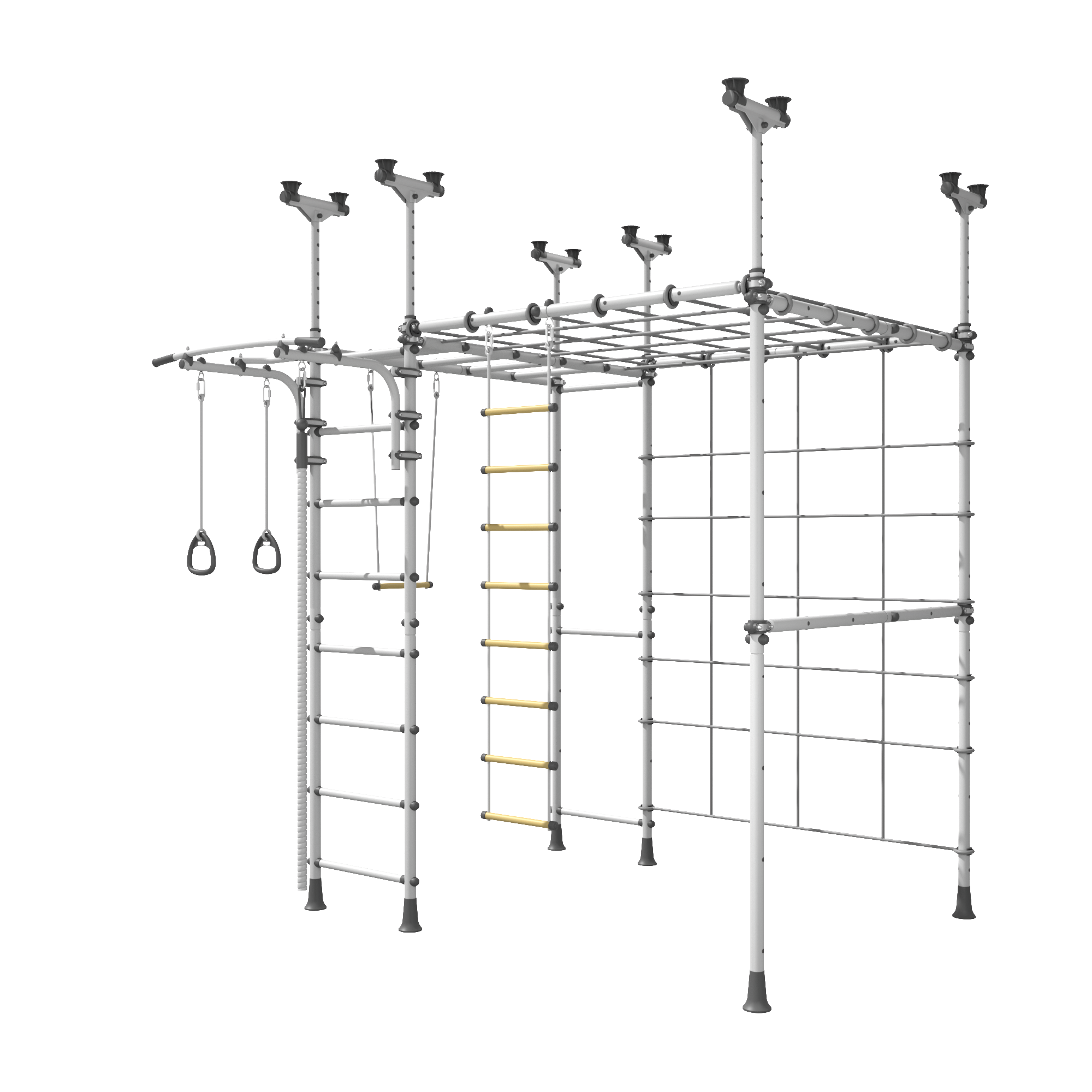
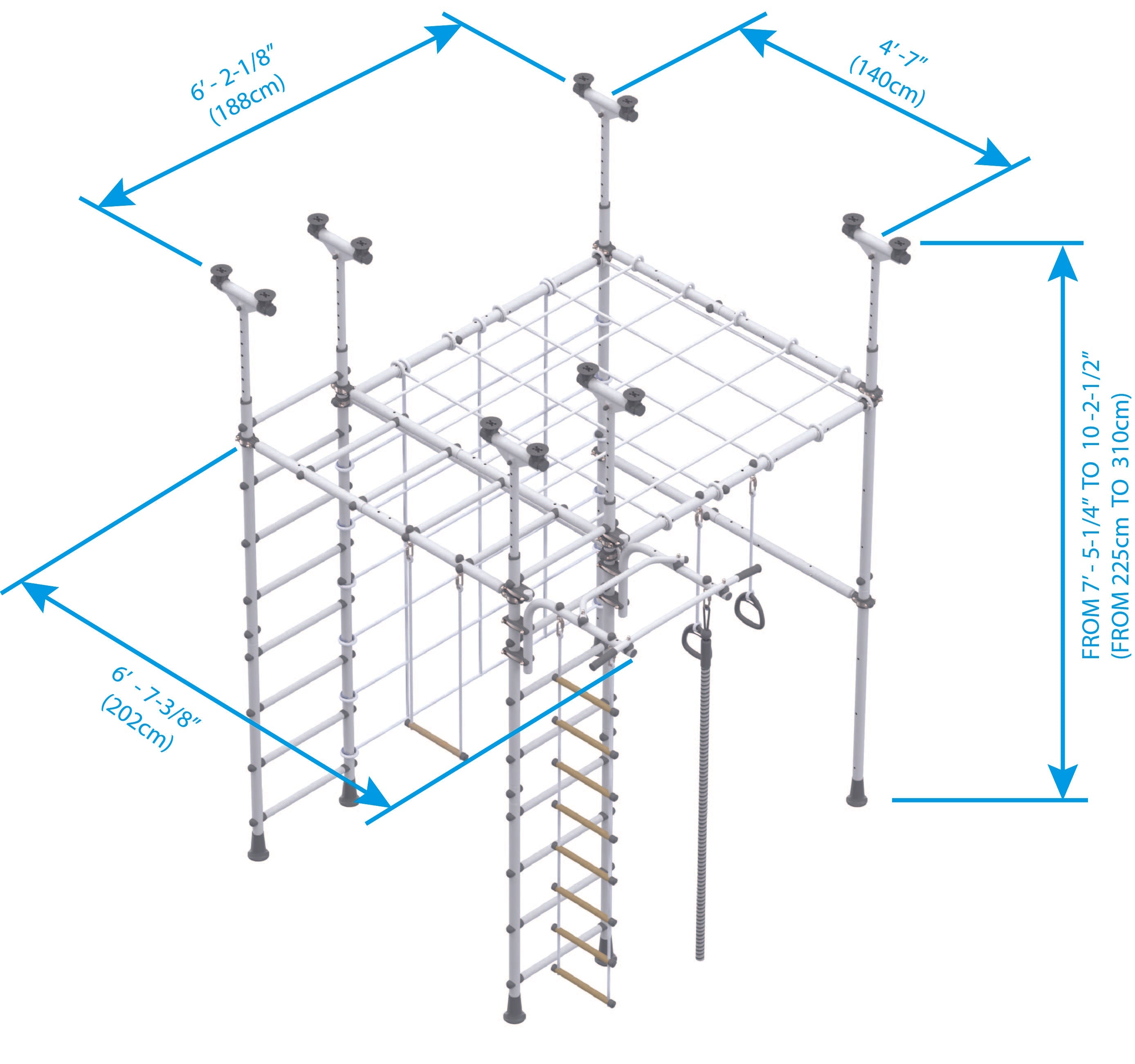
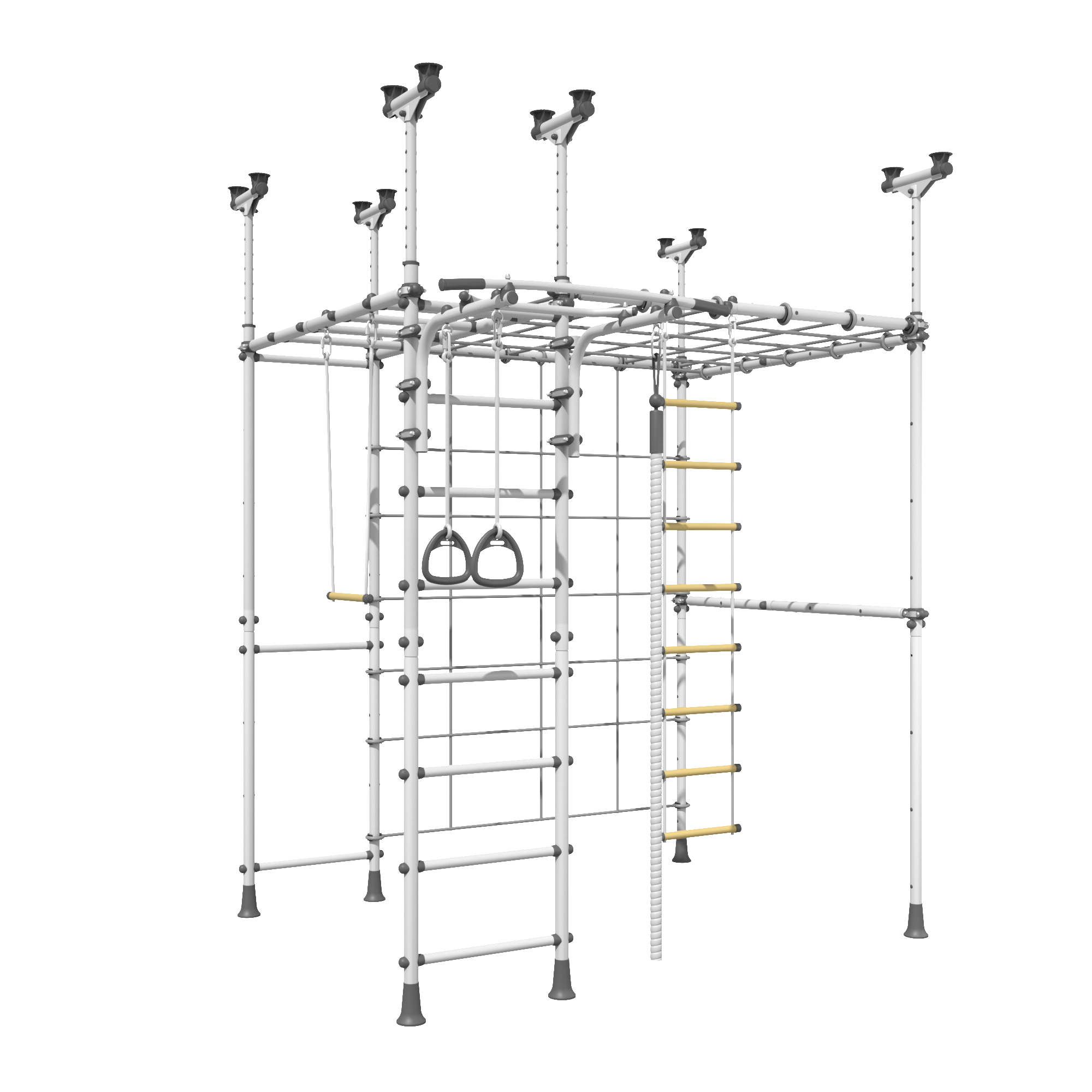
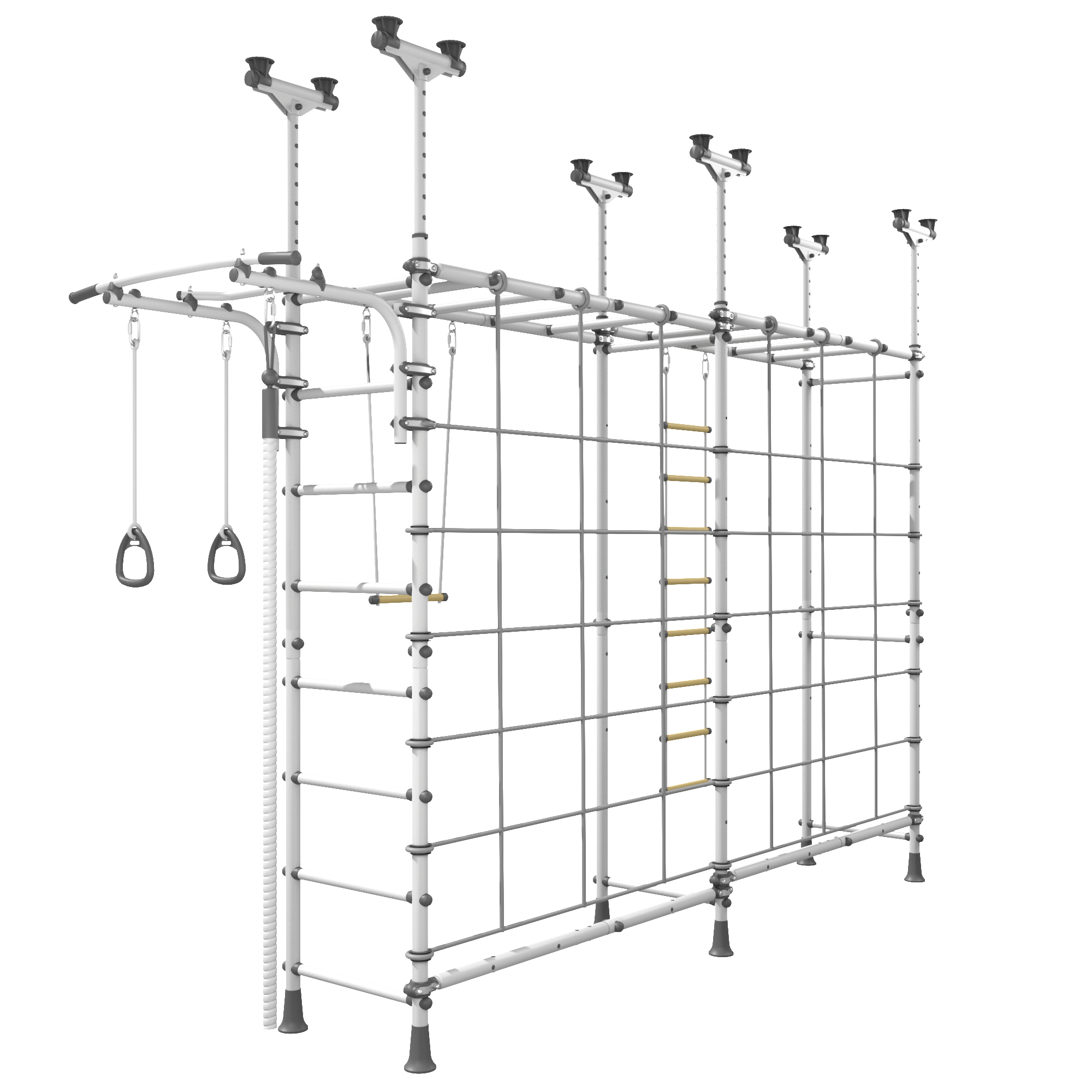
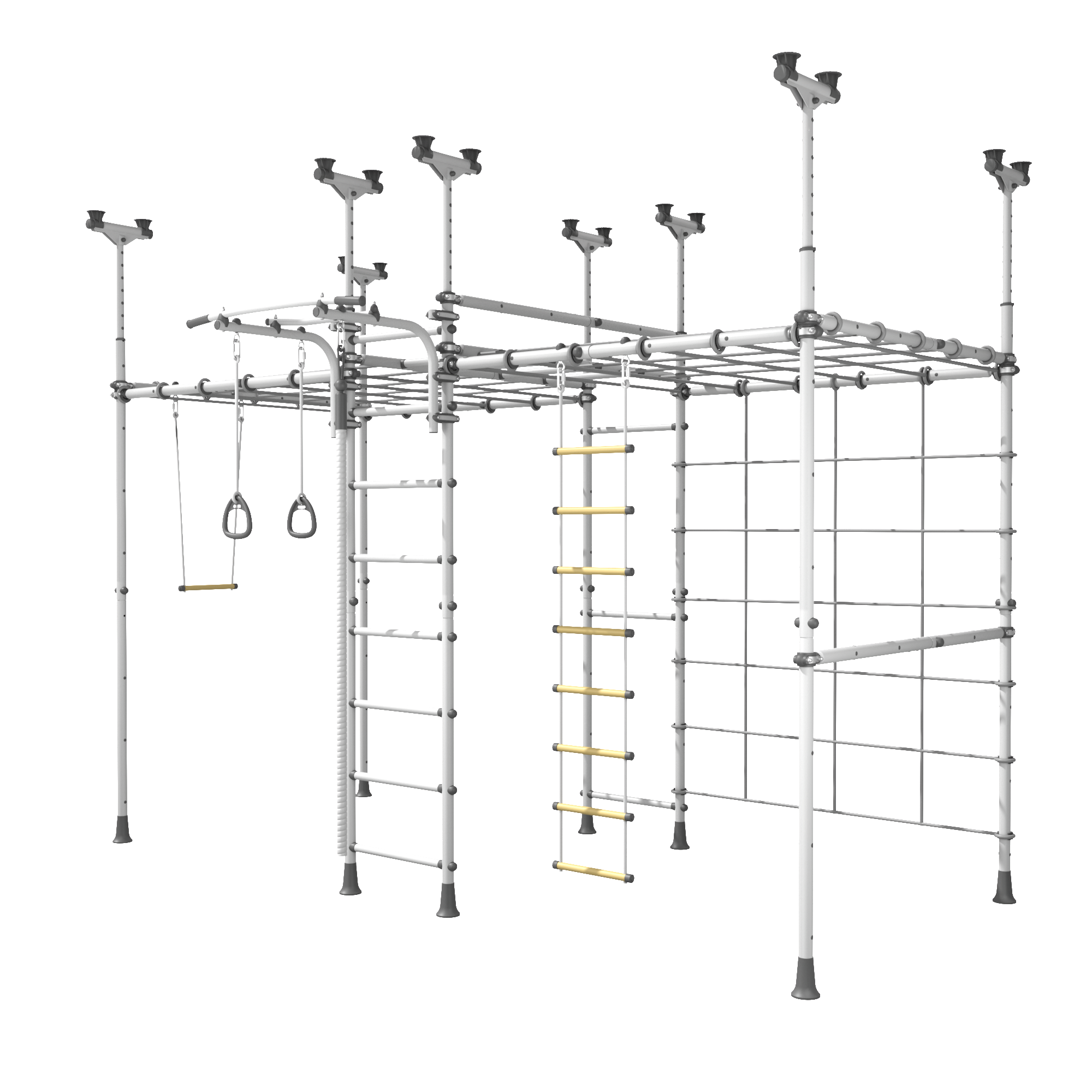
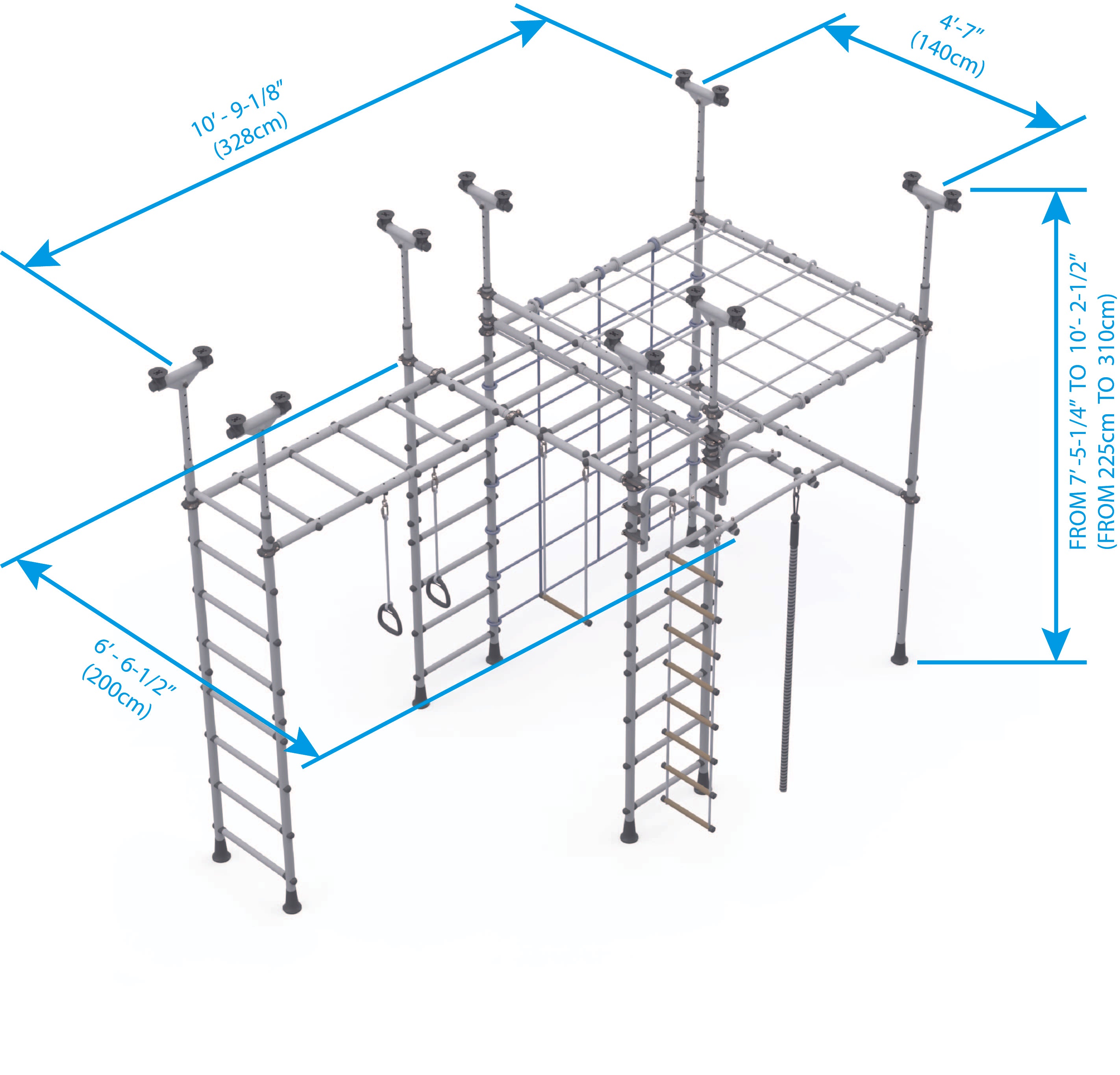
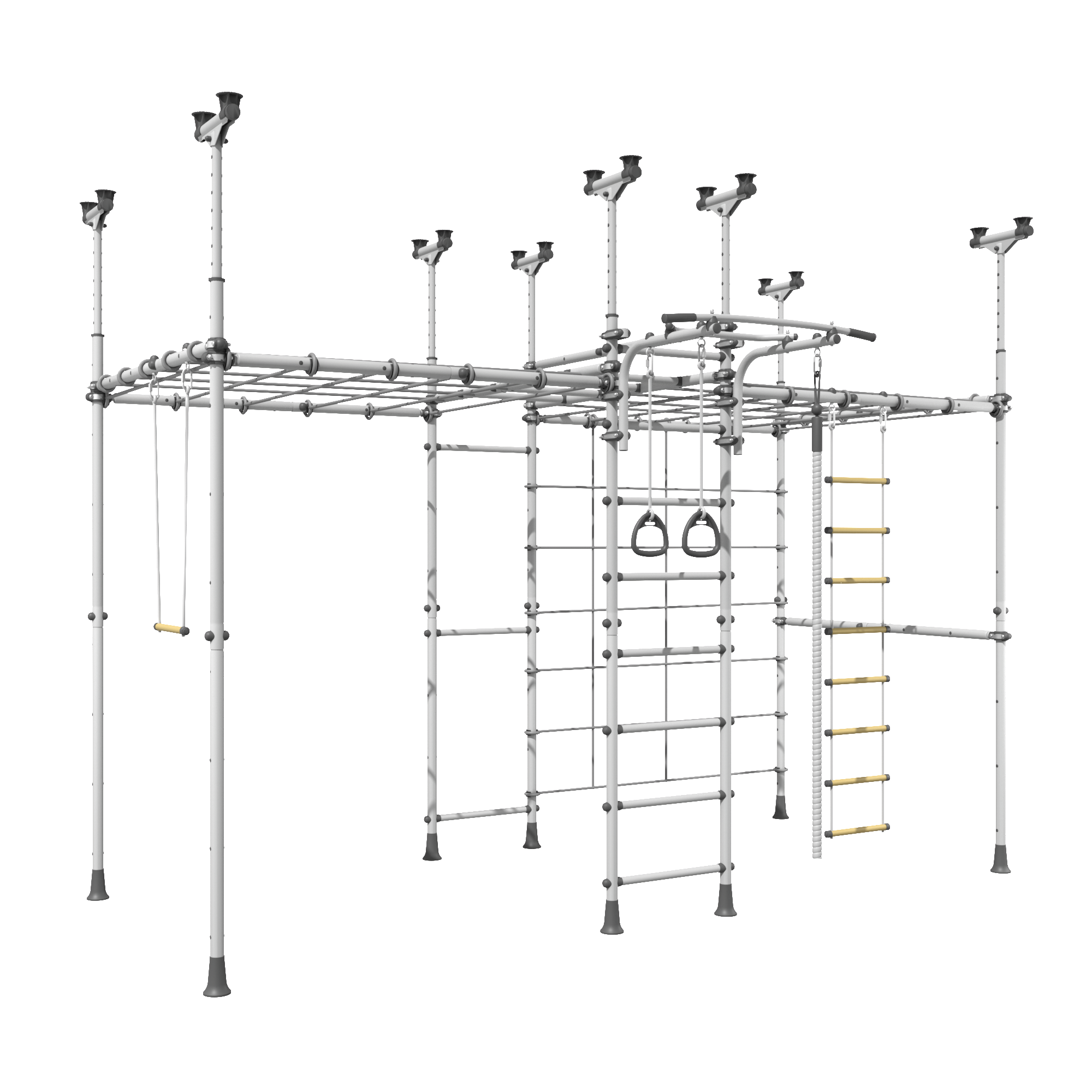
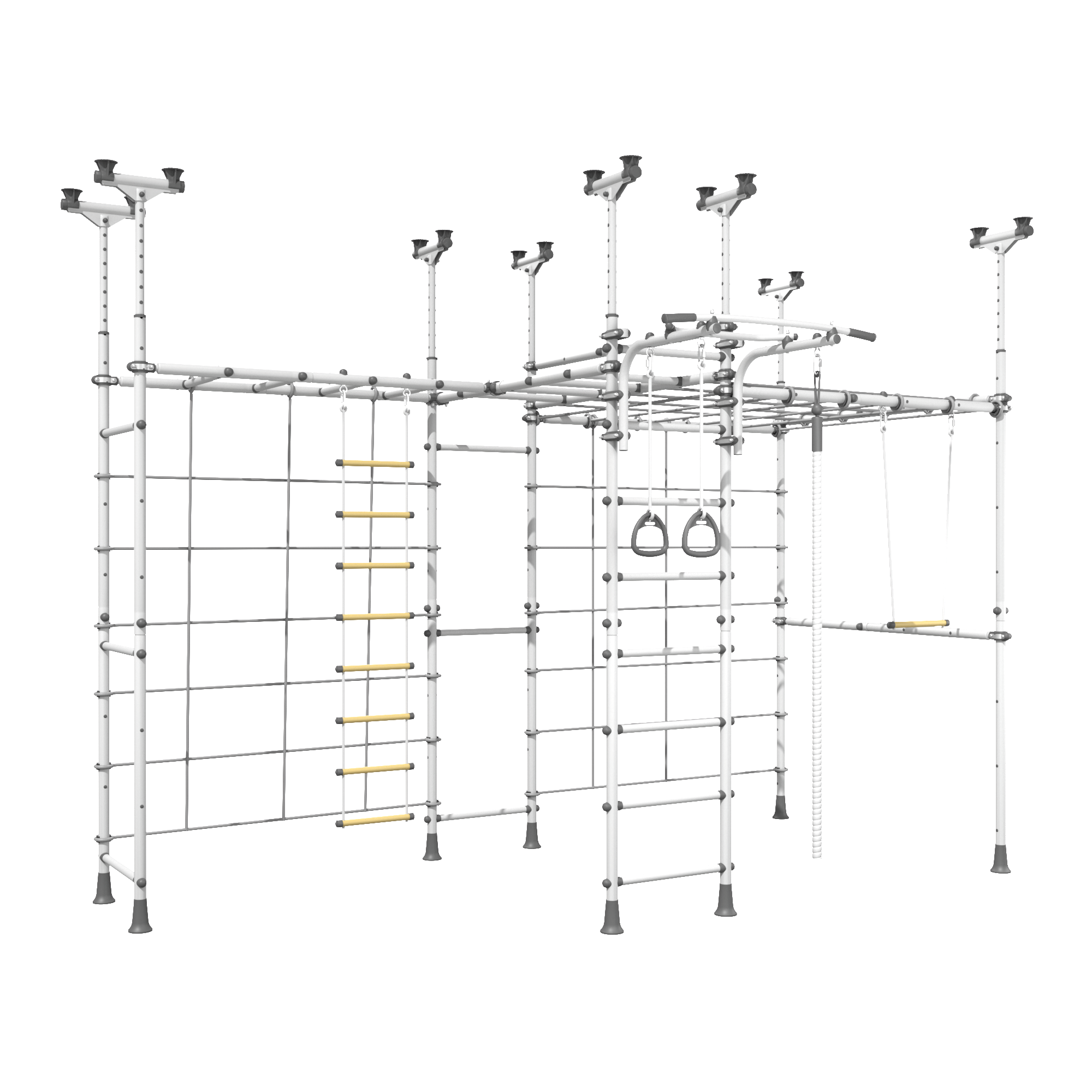
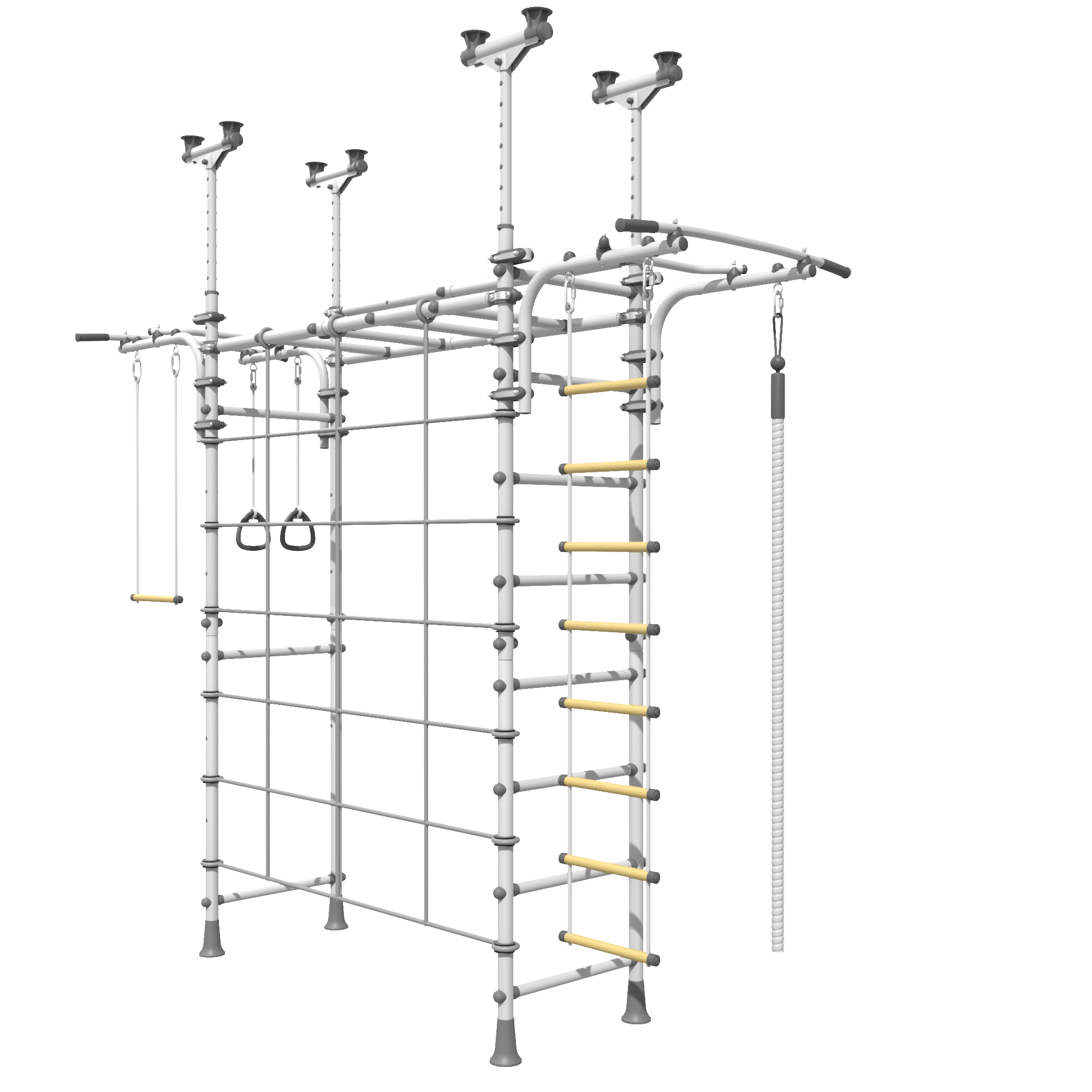
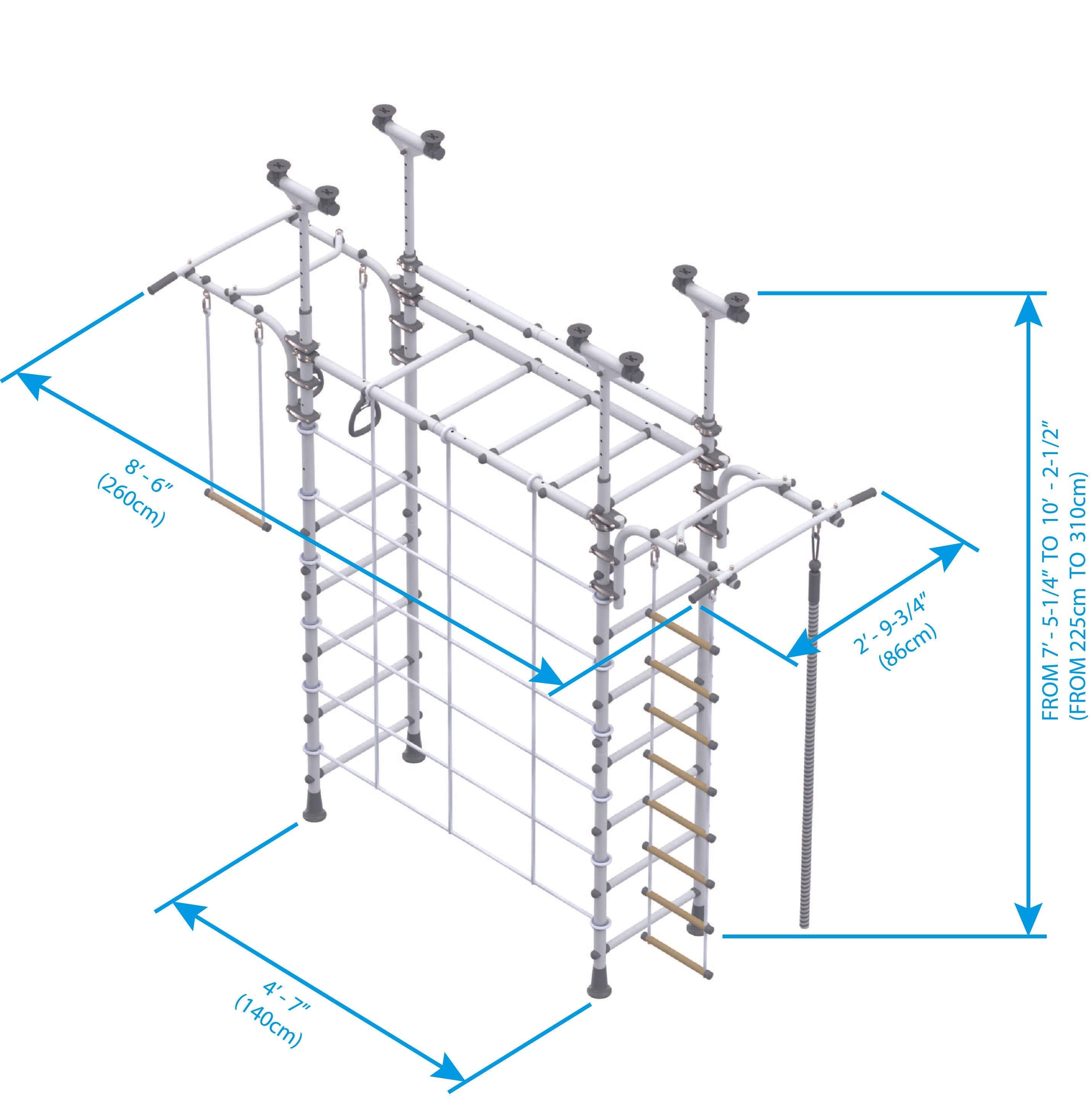
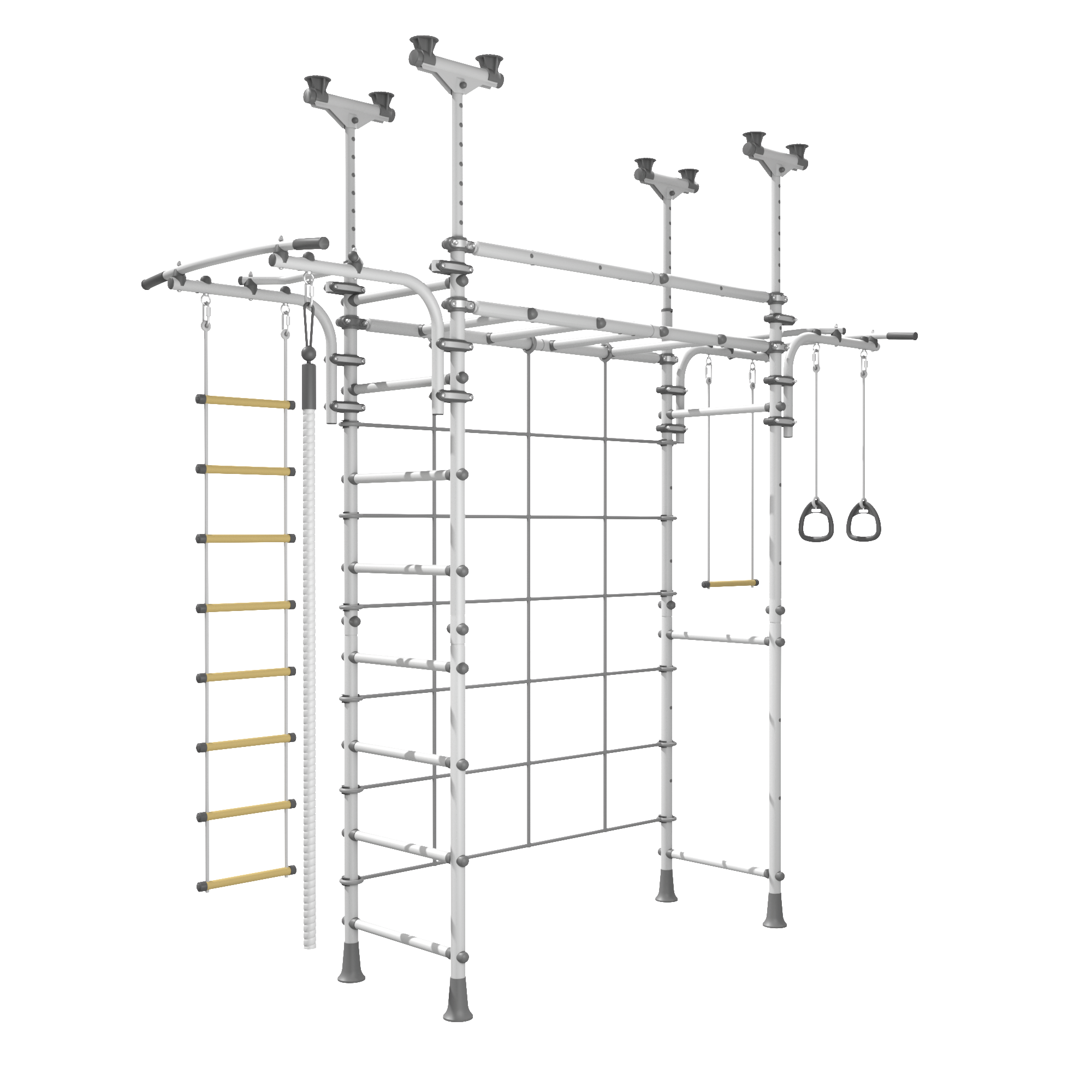
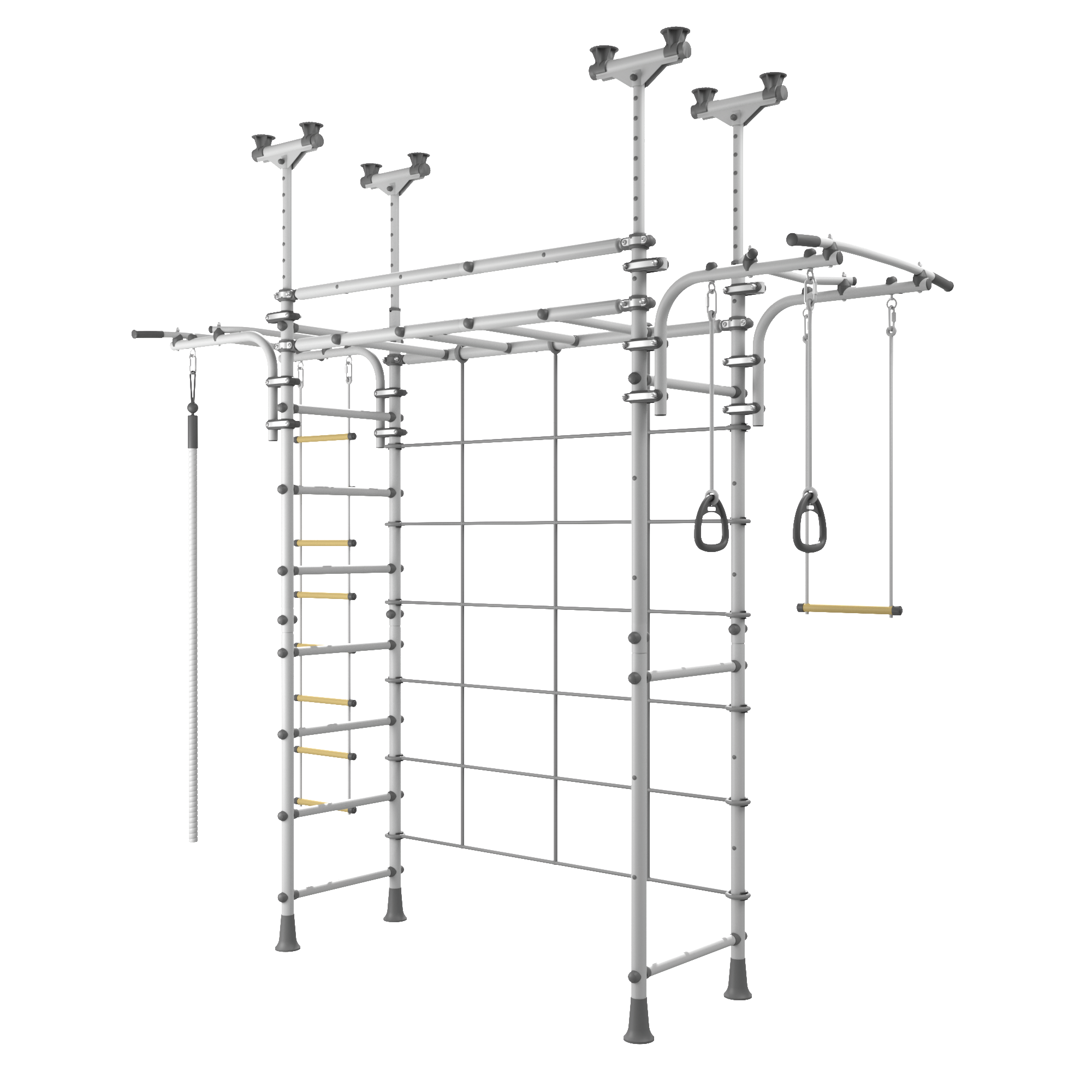
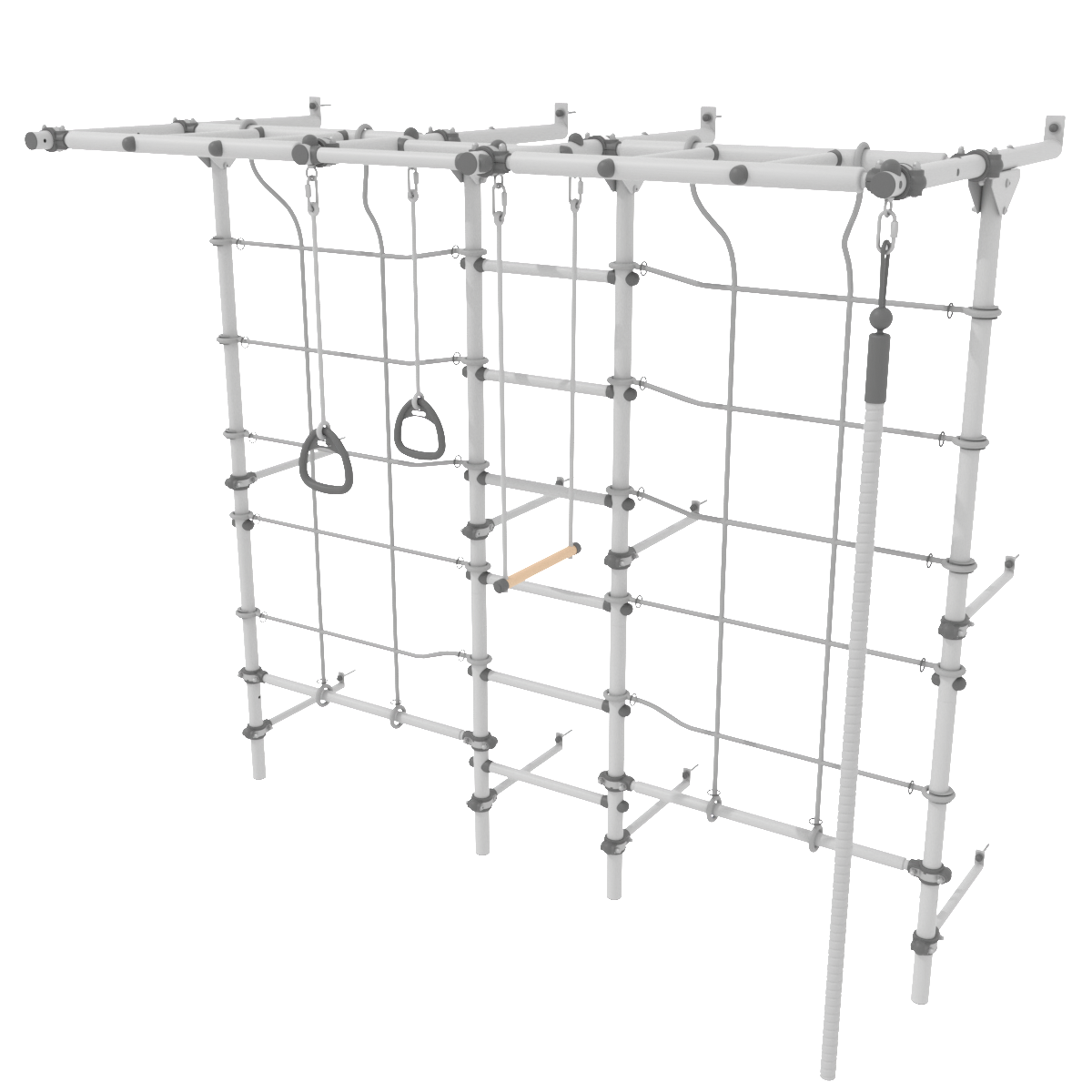
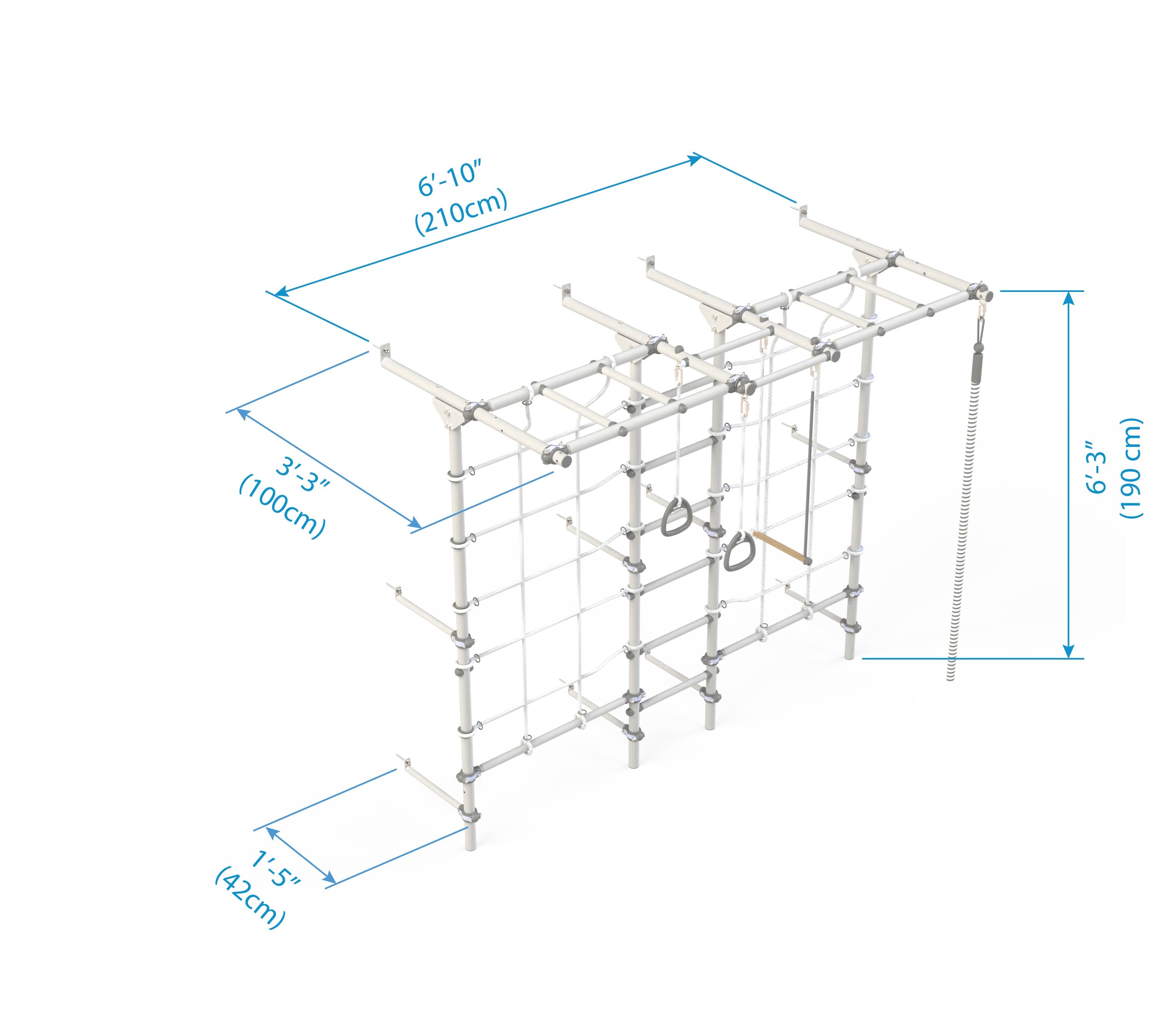
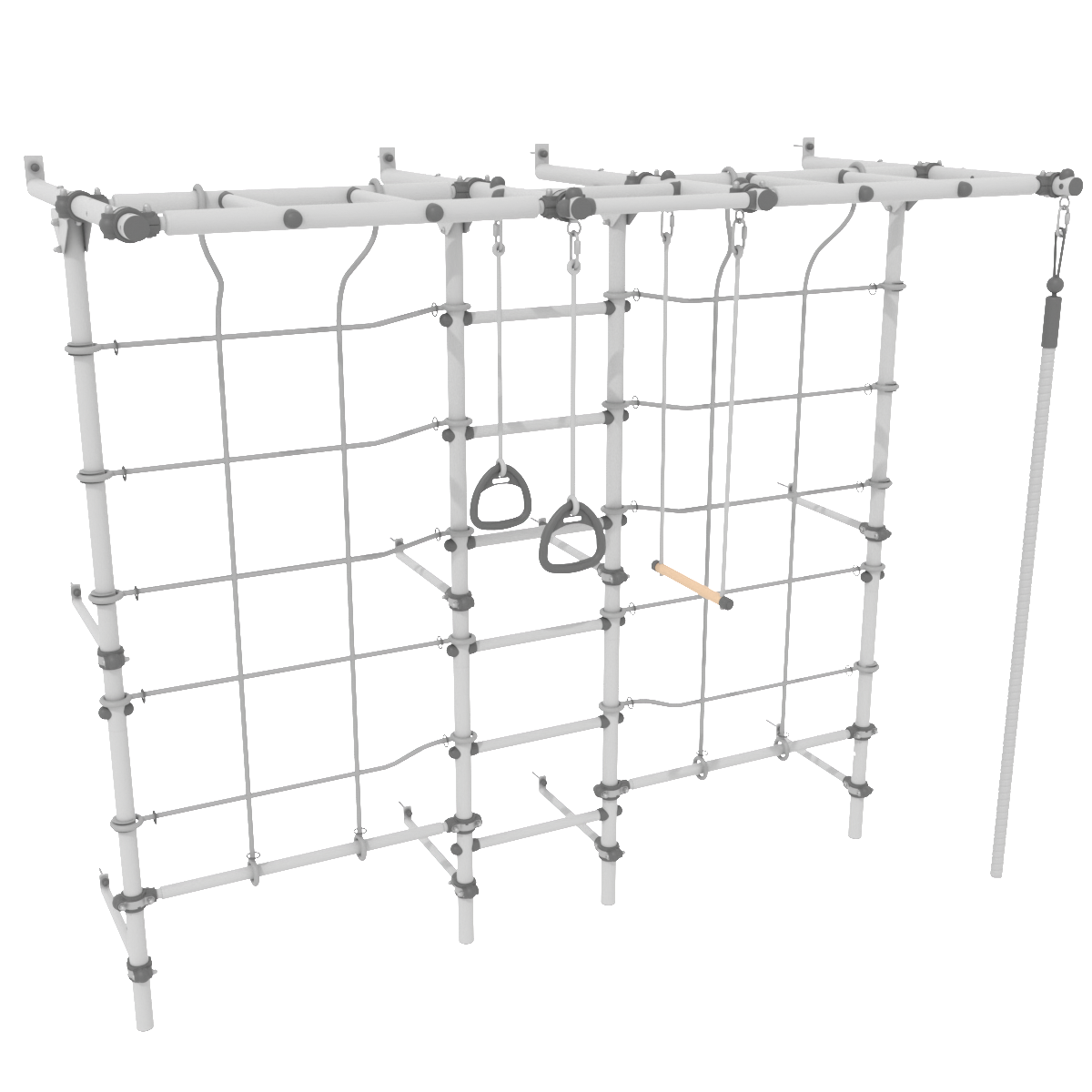
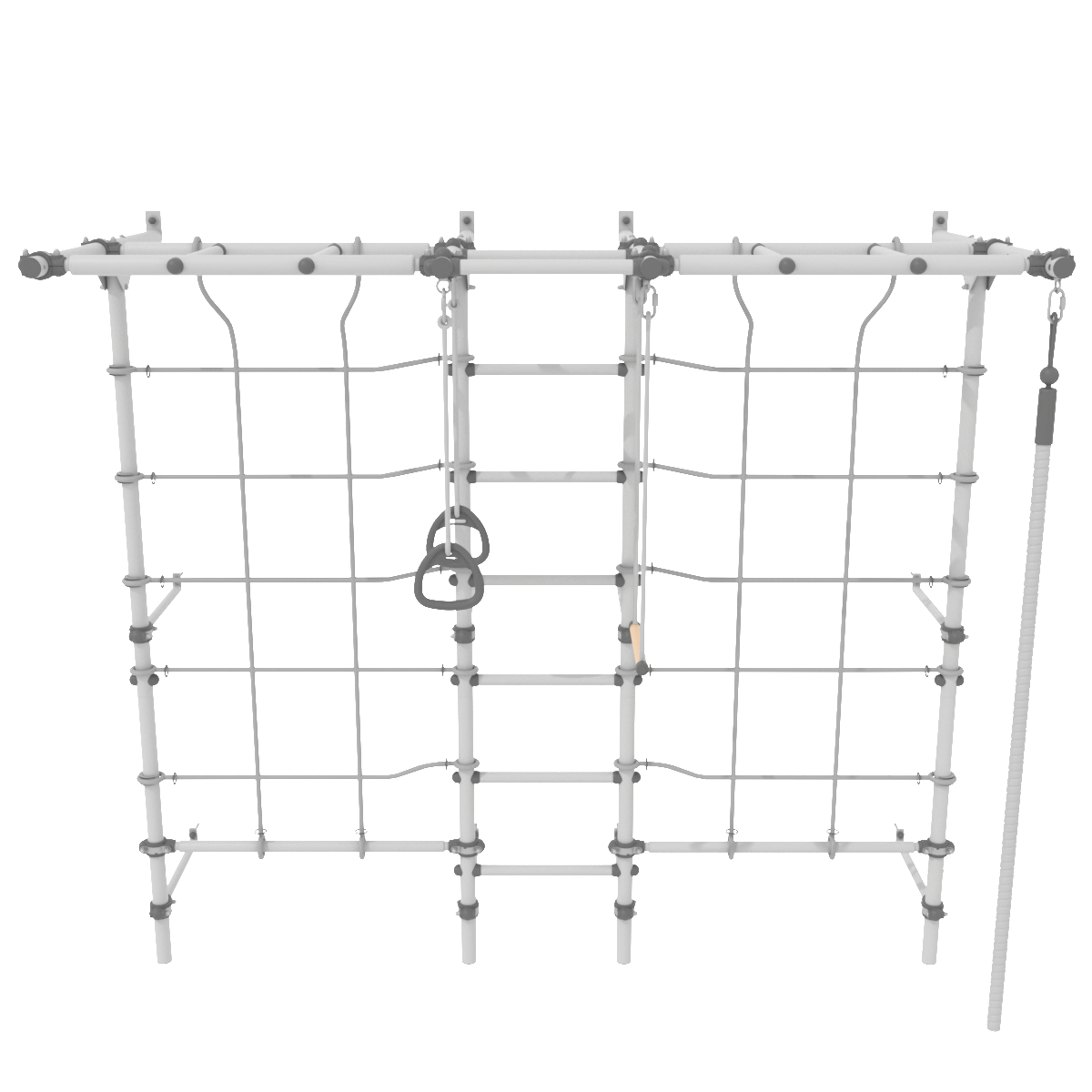
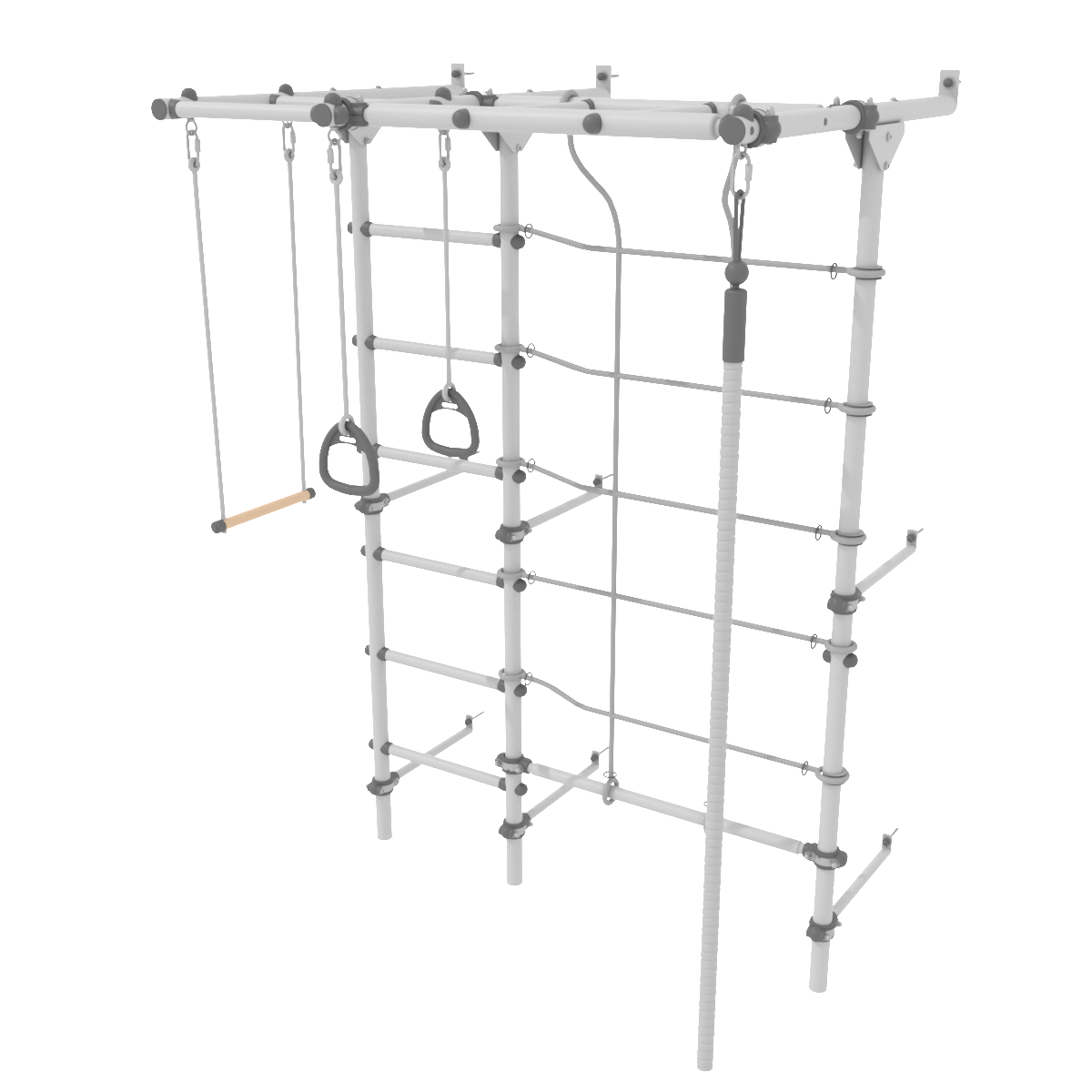
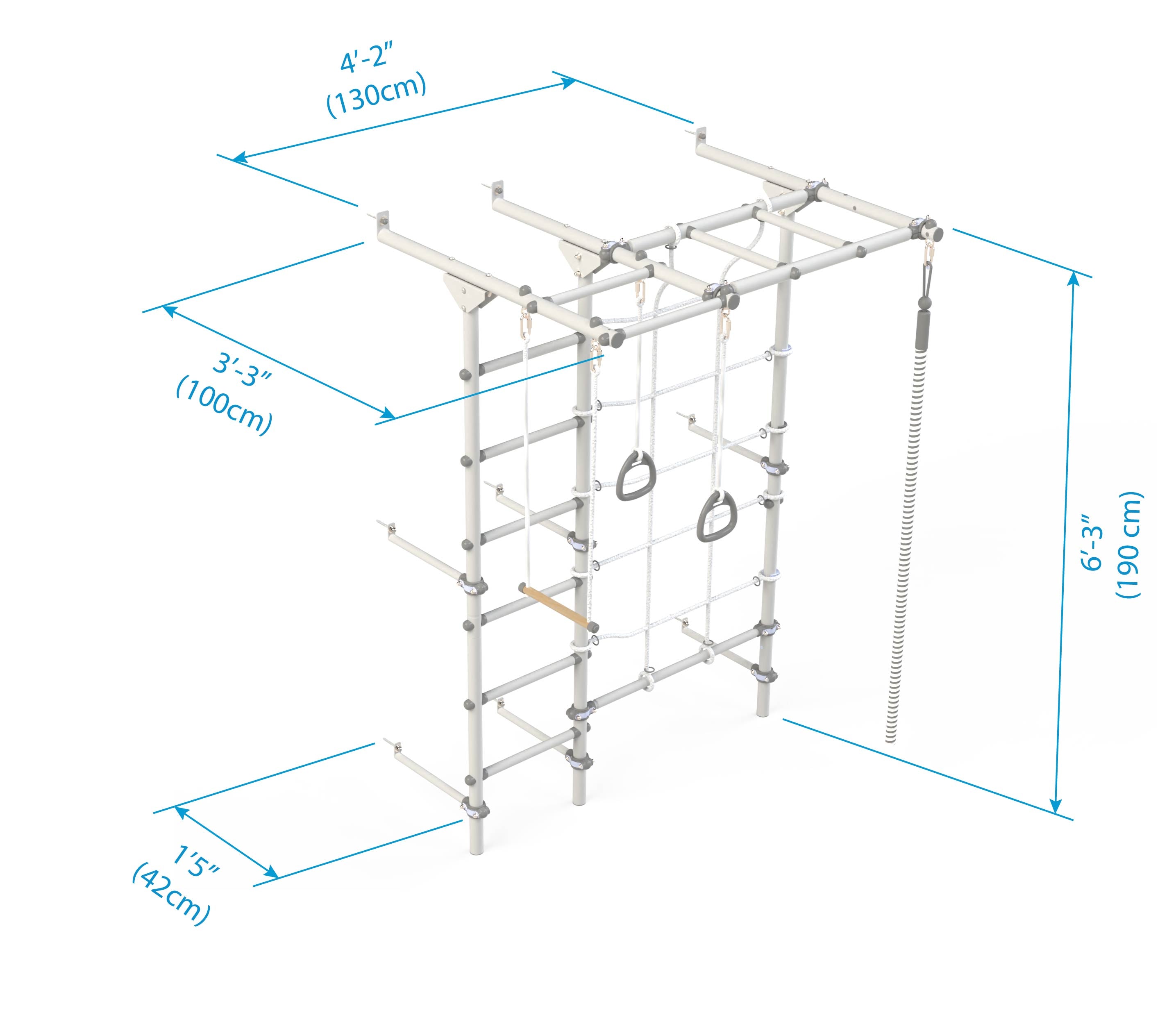
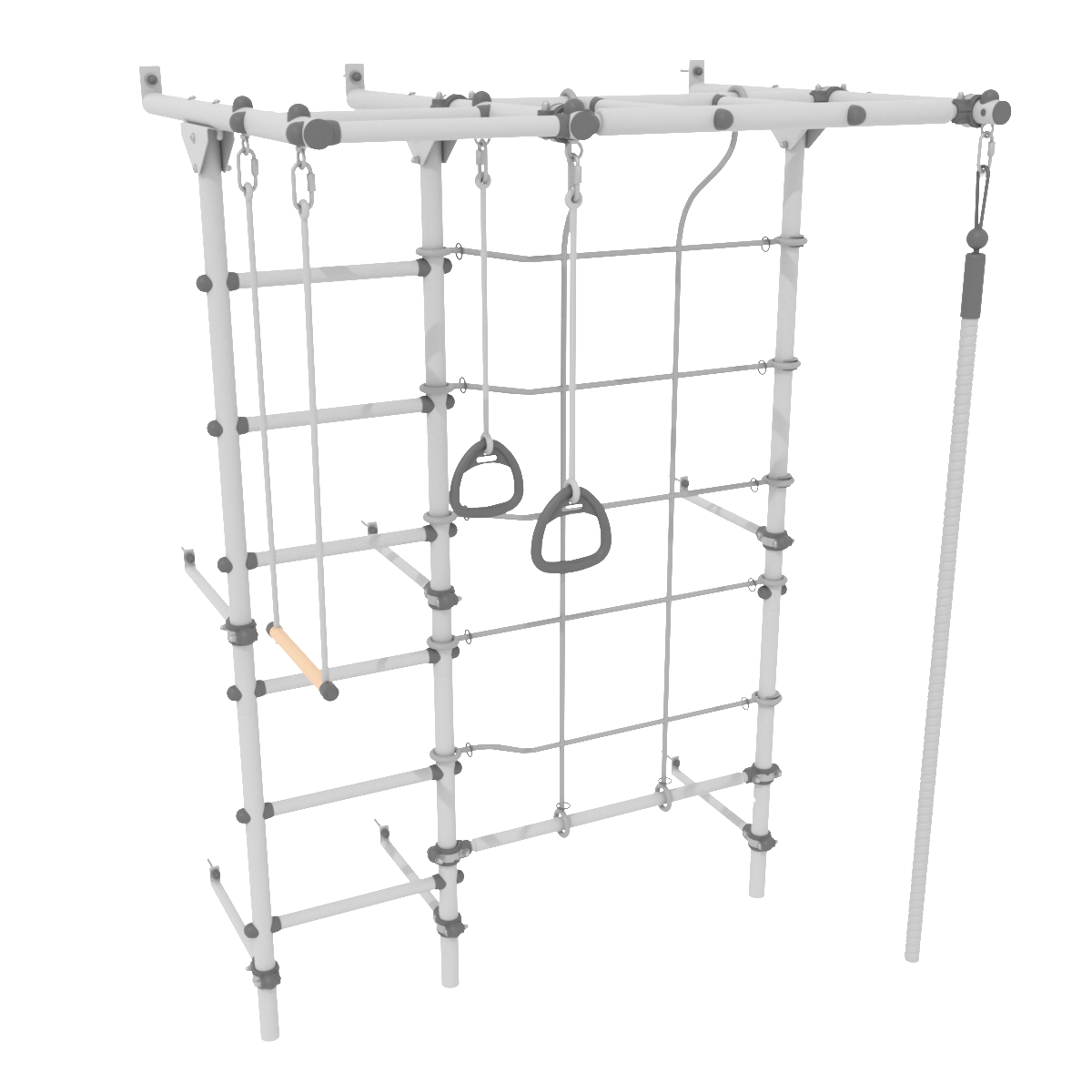
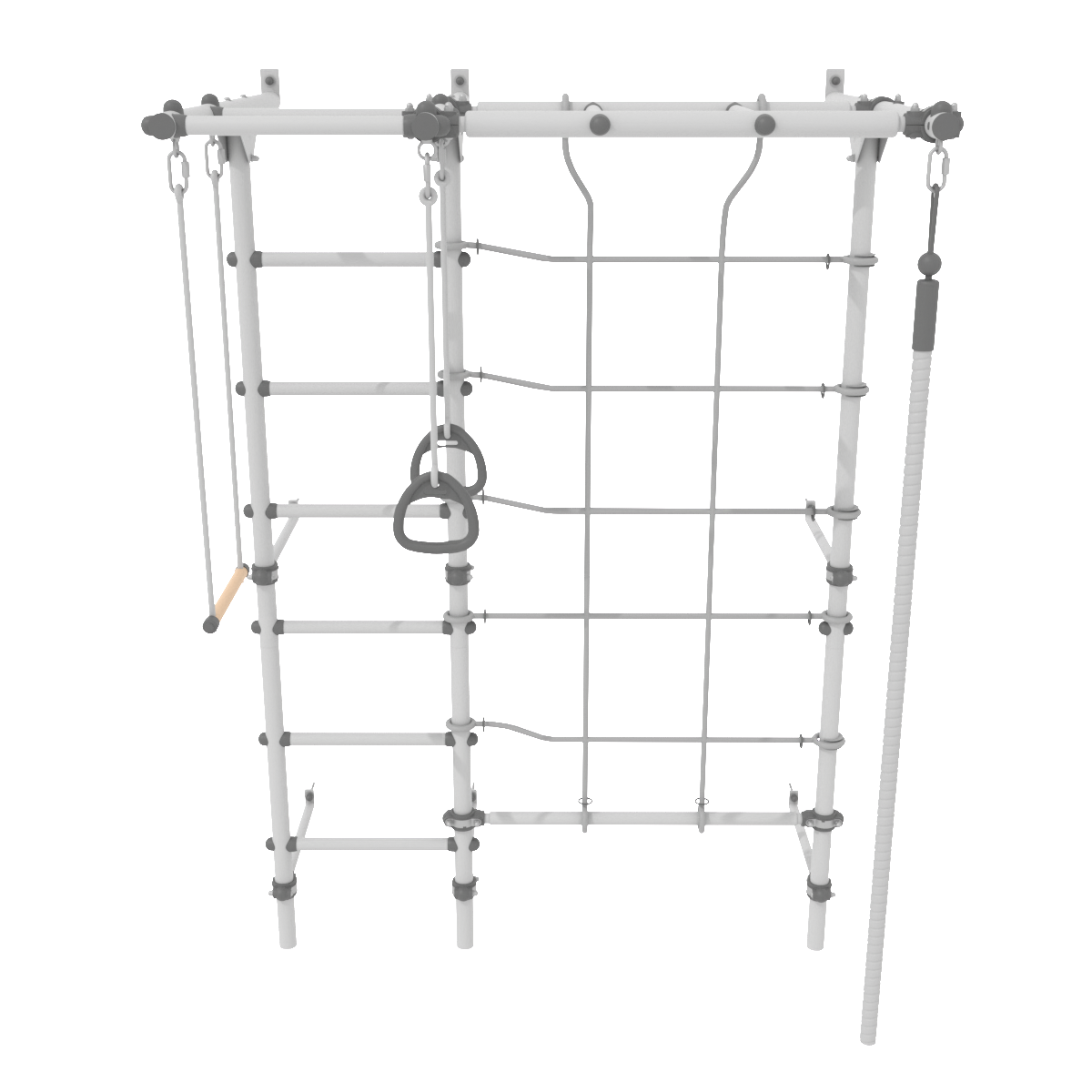
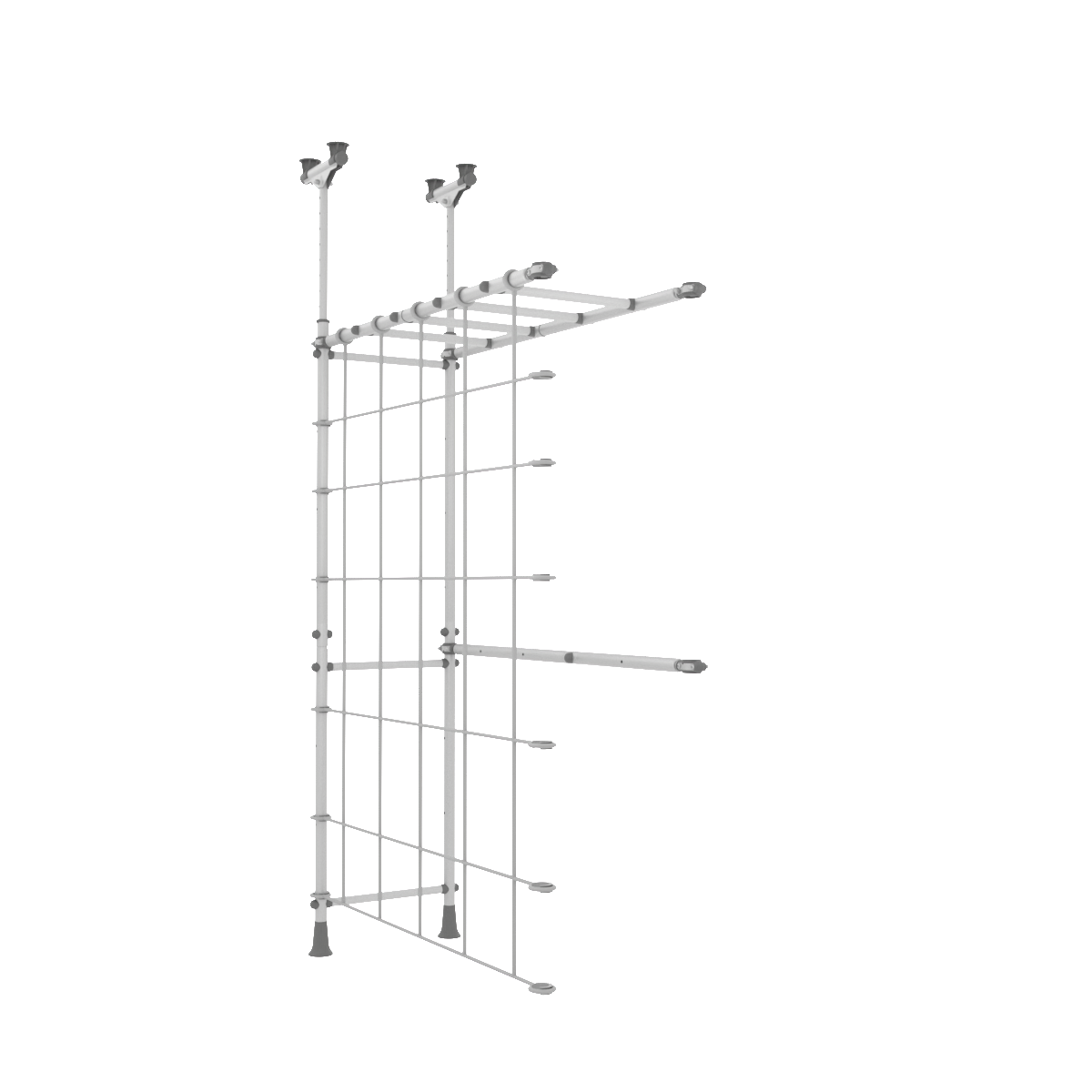
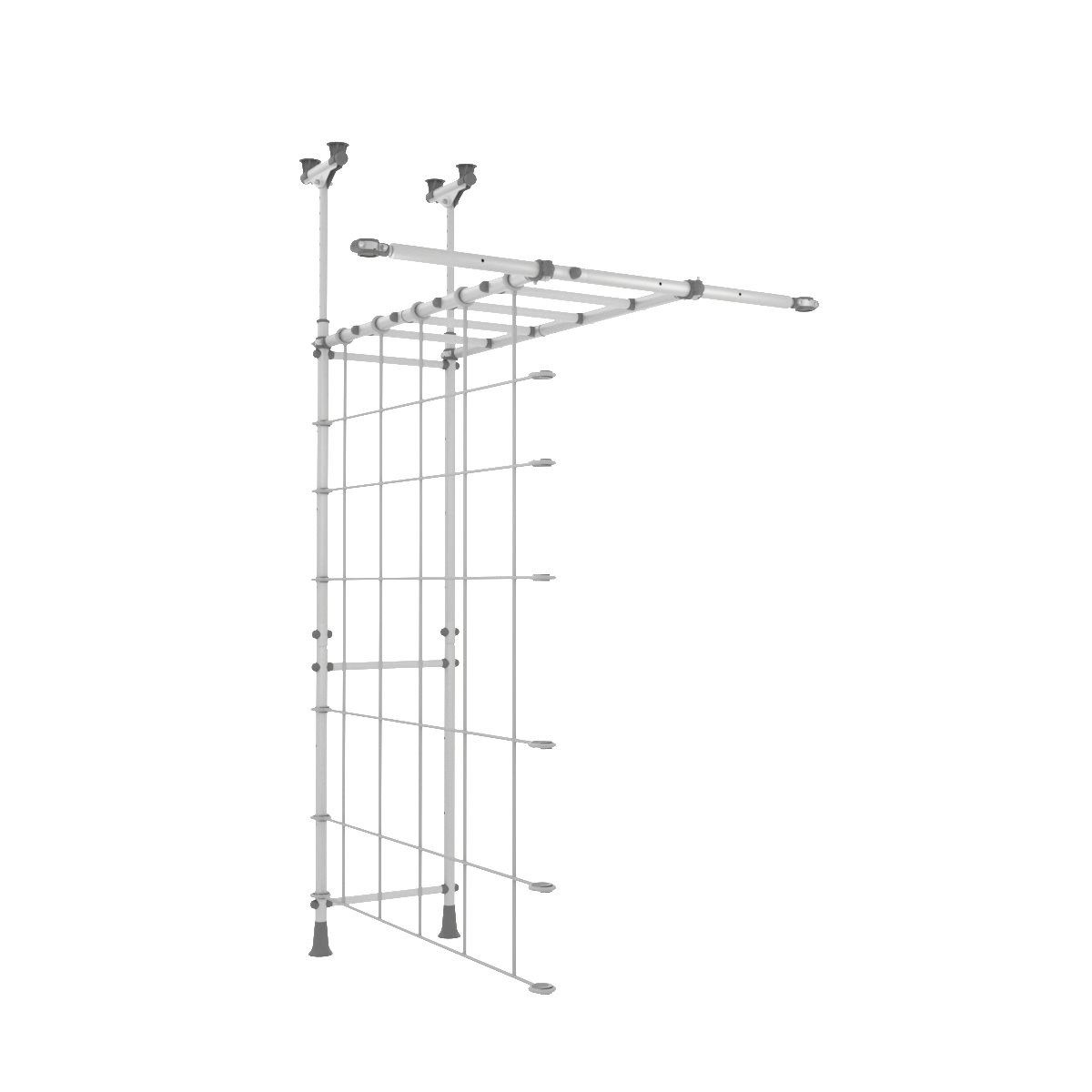
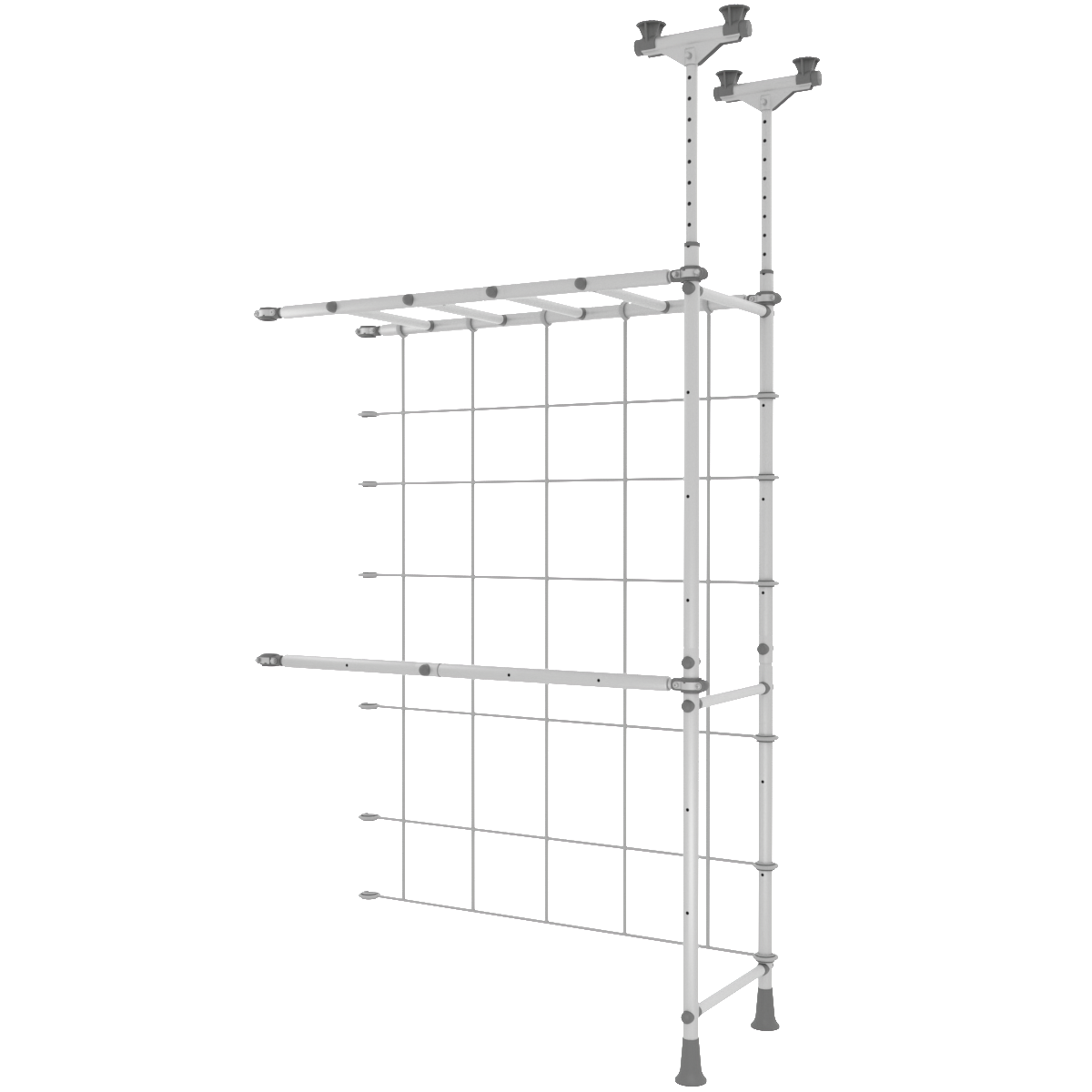
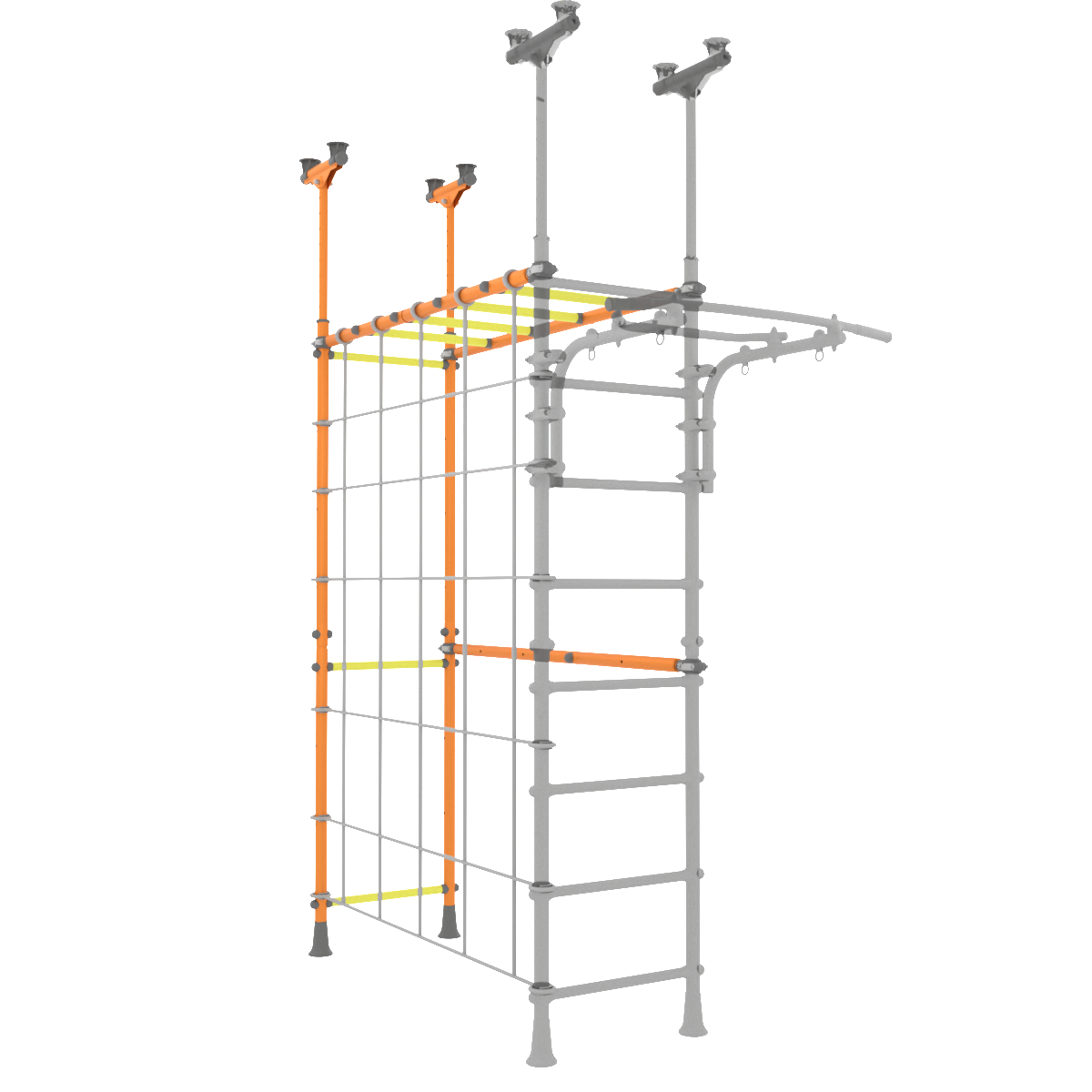
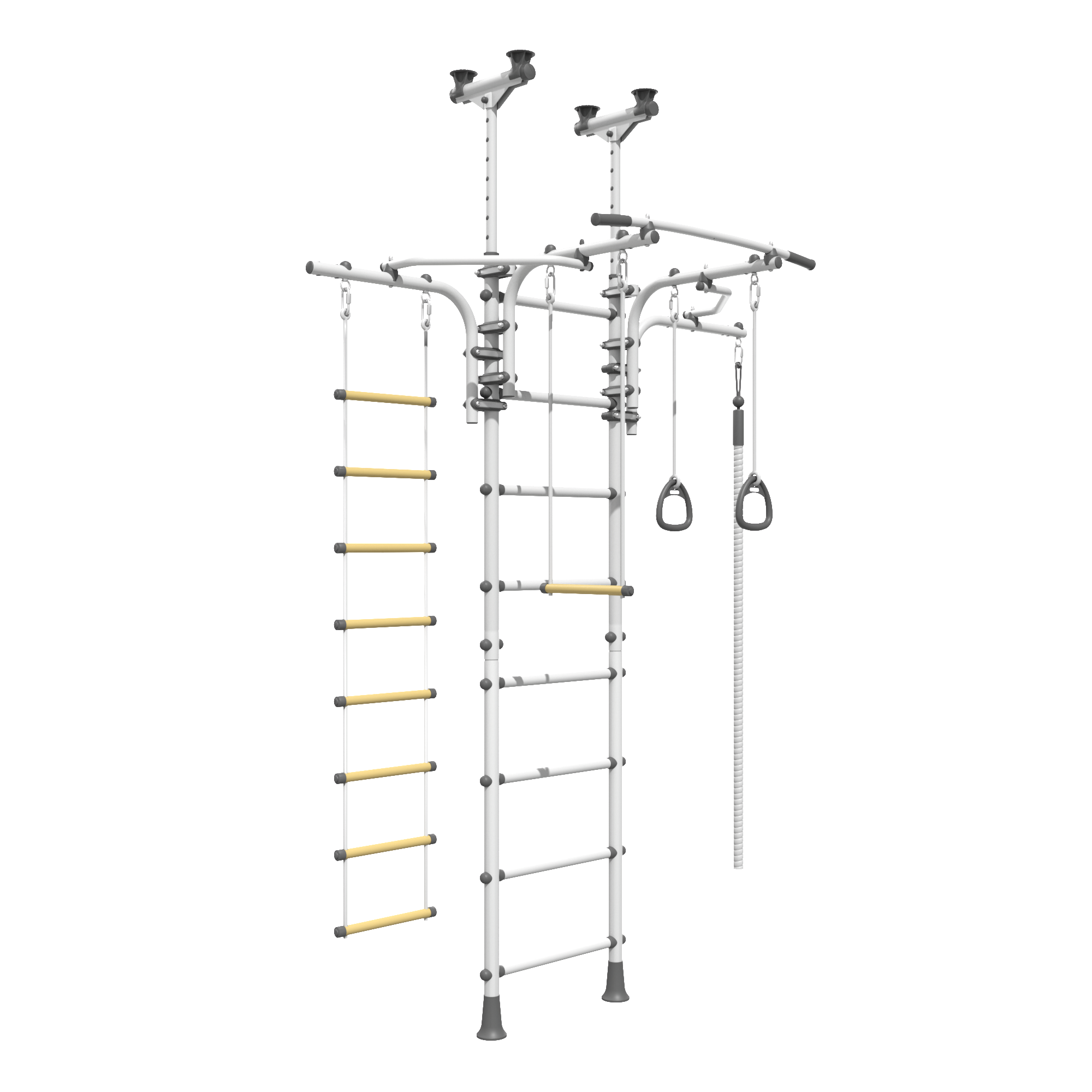
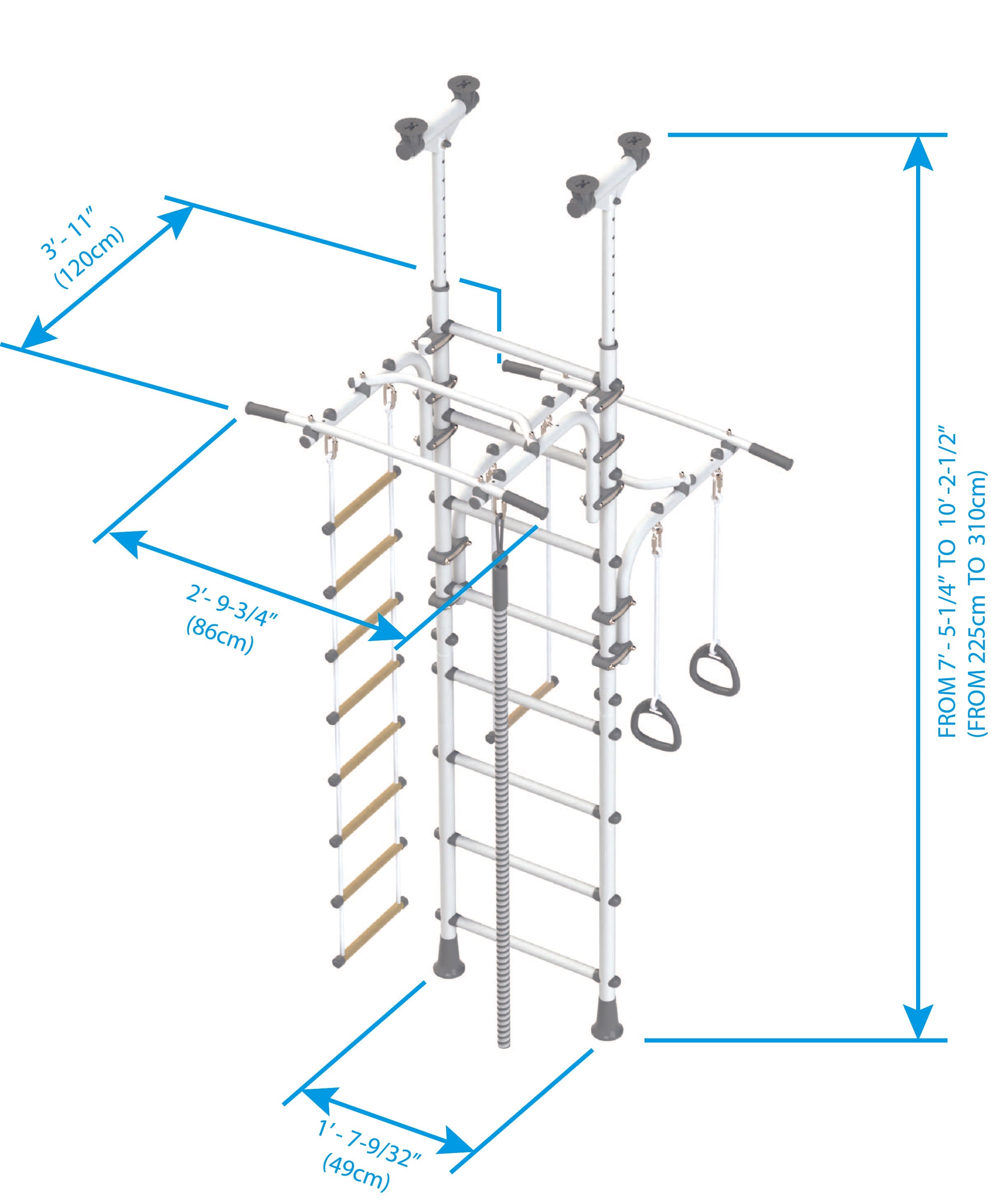
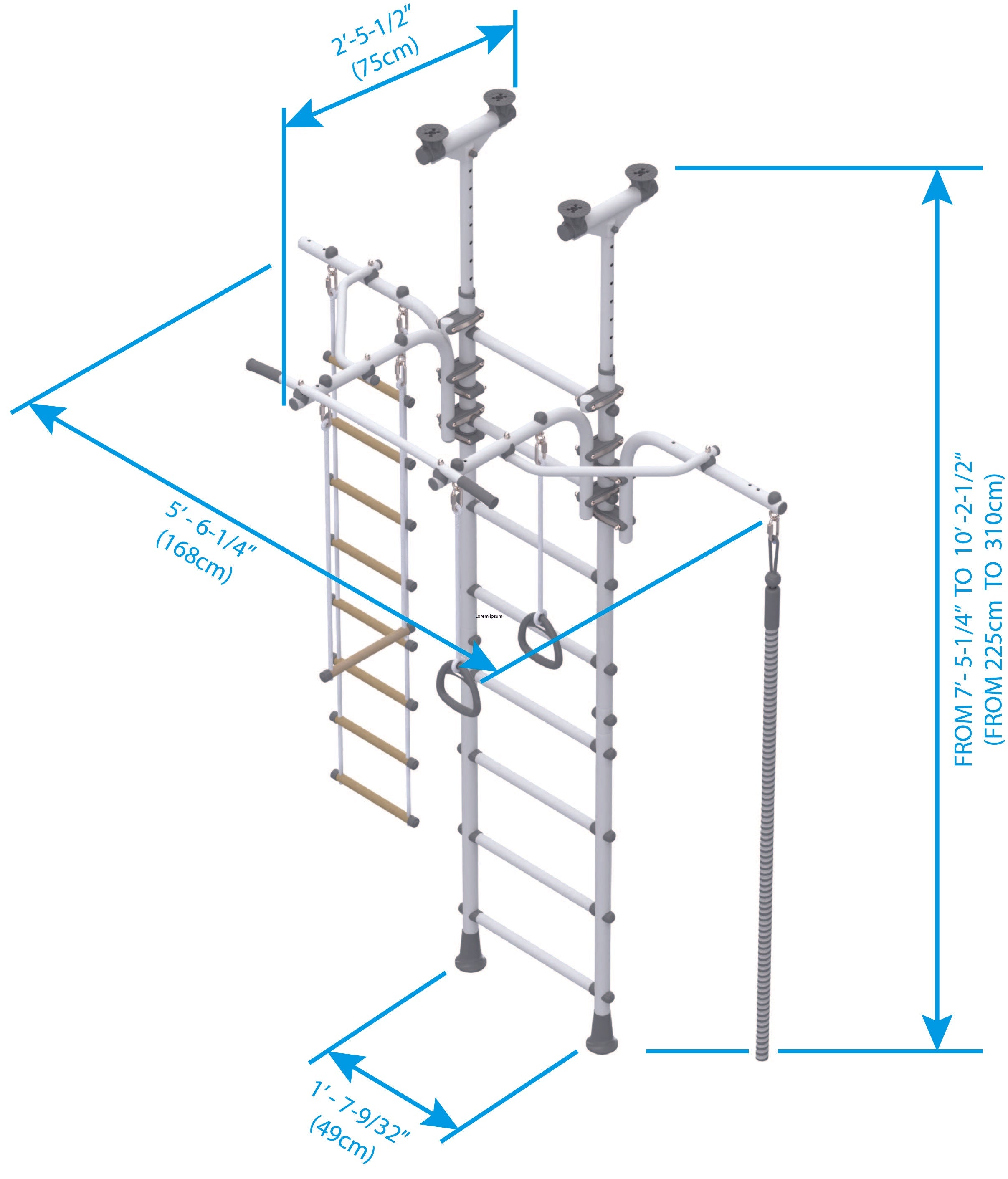
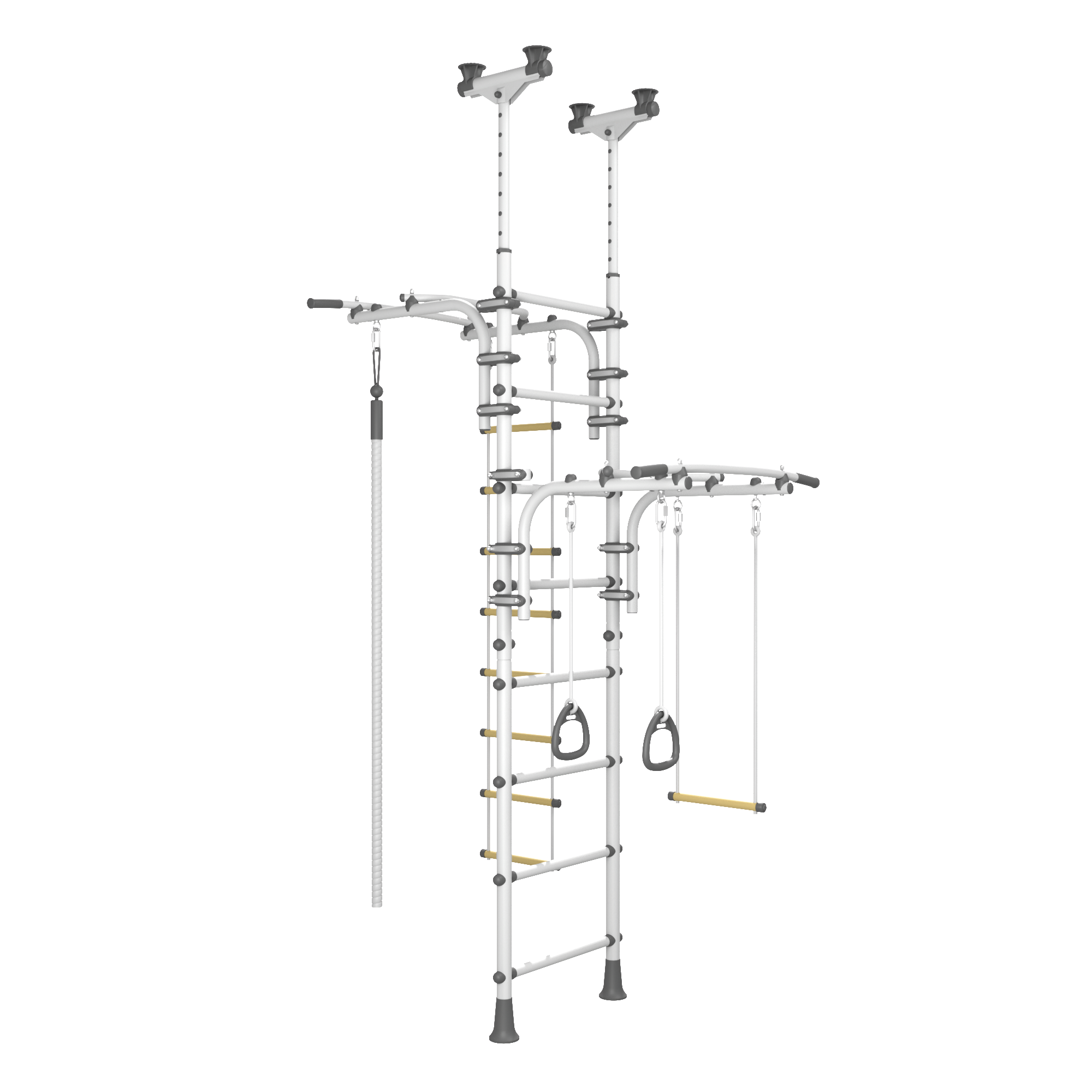
The structure is made from high-grade steel, not wood, and does not require drilling or permanent installation. It works in apartments, small homes, or multipurpose rooms. Every piece is modular, so families can adjust it as children grow.
What makes our Montessori toys different:
- Strong enough for daily use by multiple children
- Modular parts that can shift as kids move through stages
- Non-toxic, food-grade plastic that’s safe for hands and mouths
- Approved by occupational and physical therapists
- Not made from PVC or softwood, which wears down over time
Families love that these toys can be used year-round. In cold winters, hot summers, or rainy days, they bring movement inside. Our toys work alongside other tools like swings to support sensory input and regulation. You can read more about this in Five Benefits of Having Indoor Swings for Kids.
Montessori toys don’t need to be complex. They need to support how children think, move, and learn. When a child gets to climb, swing, or explore in their own space, the toy becomes more than play. It becomes part of their development.
When To Introduce Montessori Toys (By Age)
Montessori toys can be introduced earlier than most parents think. The moment a baby starts reaching, gripping, or exploring, they are ready for meaningful play. Early introduction supports natural learning and healthy brain development.
Infants (birth to 6 months)
Simple, graspable objects encourage reaching and visual tracking. Movement begins here. Babies build neural connections through small, repetitive actions.
Babies (6 months to 12 months)
Toys that promote pulling up, crawling, and balance help strengthen motor planning. Repetition supports early brain development, especially when the play is self-led.
Toddlers (1 year to 3 years)
This stage benefits from open-ended, movement-rich toys. Climbing and coordinated play help toddlers release energy and build control. A 2024 study in Children and Health found that structured physical activity improves motor skills more effectively than passive play.
Preschoolers (3 years to 5 years)
Toys should support balance, coordination, and imaginative play. This age responds well to creative problem-solving and physical challenges.
School-age children (5 years and up)
Montessori toys remain useful. Movement supports focus and routine, especially for homeschooled kids who benefit from physical resets between learning tasks.
Early teens
Older children still benefit from movement. Adjustable features keep the gym relevant as strength and coordination increase. Play becomes more about challenge and personal growth.
Why Start Early
- Supports brain development during key growth periods
- Encourages independence from the beginning
- Builds healthy movement habits
- Works for indoor home use during cold winters and hot summers
If your child is moving, they are ready. Early introduction creates long-term value and supports development at every stage.
How Our Montessori Toys Help Kids With Autism Thrive
For kids with autism, movement is more than just physical play. It is how the brain organizes input, reduces overwhelm, and builds emotional control. That’s why we design every part of our system to support intentional movement, sensory regulation, and independent play in safe, low-pressure environments.
Montessori toys allow children to choose how they play. This freedom is especially important for those who need routine and predictability. Swinging, climbing, and crawling provide calming input without overstimulating lights or sounds.
A 2025 meta-analysis in Frontiers in Pediatrics found that physical activity significantly improved motor coordination, behavioral outcomes, and self-regulation in children with autism. These improvements were greater when the movement was self-directed and repeated regularly.
What our toys support:
- Calming through movement, not screens
- Body awareness through climbing, balancing, and reaching
- Imaginative play that feels safe and open-ended
- Confidence and autonomy through self-guided use
- Brain development through repetitive, sensory-rich activity
If you're interested in more strategies that support regulation at home, we cover several in Sensory Play for Toddlers. It is a helpful guide for families building movement routines indoors.
All Brainrich systems are approved by occupational and physical therapists. They're strong, safe, and made for real-life use.
Built For Indoors: Cold Winters, Hot Summers, And Small Spaces
Families need movement options that work all year long. Not every home has a backyard. Not every day has perfect weather. That’s why our Montessori toys are designed for indoor home use and made to support full-body activity no matter the season.
The structure is made from high-grade steel, not wood, and does not require drilling or permanent installation. It fits easily into apartments, shared spaces, or multipurpose rooms. You don’t need a playroom. Just a wall, a little floor space, and time to put it together. The assembly requires two people, but no prior experience is needed.
Why indoor-friendly design matters:
- Safe movement on cold, snowy days
- Active play during long, hot summers
- Year-round sensory input without relying on outdoor access
- Fits into small spaces without taking over the room
- No damage to walls or ceilings during setup or use
These features are especially important for families with homeschooled kids or children who benefit from structured movement during the day. When kids have access to climbing, swinging, or hanging indoors, they regulate better and stay more focused during other activities.
You shouldn’t have to wait for perfect weather to support your child’s development. The right toy should work every day, inside your real home.
Why Brainrich Toys Are Different
Not all Montessori toys are made for real-life families. Many look great in photos but fall short in daily use. At Brainrich, we focus on what works in your space, with your routine, and for your child’s development.
The structure is made from high-grade steel, not wood, and does not require drilling or permanent installation. Our toys are built for active, repeated use by children of different ages. From babies learning to pull up to early teens who still need movement throughout the day, the system adapts.
We don’t use PVC or softwood. Our materials include proper quality steel and food-grade, non-toxic plastic. That keeps the setup safe, durable, and ideal for indoor home use.
Here’s how we’re different:
- Built to grow with your child
- Modular systems that adjust to meet changing needs
- Tested and approved by occupational and physical therapists
- No permanent installation required. Assembly takes two people and some time
- Fits into real homes, including apartments and shared spaces
Wooden gyms can be a great option for some families. But many are fixed in size or not built for older kids who need more support and flexibility. We design for continued use and development across multiple stages.
Over 10,000 families have brought Brainrich systems into their homes. They rely on us to deliver safe, movement-based play that supports long-term growth.
Learn More About Montessori And Sensory Play
Montessori toys work best when they are part of a bigger picture. That includes movement, sensory exploration, and the freedom to play without pressure. When children have access to self-directed play that supports regulation and creativity, learning happens naturally.
At Brainrich, we focus on more than products. We believe in helping families understand how movement and sensory input affect brain development across different stages of growth.
For those new to Montessori or sensory-based learning, it helps to know:
- Movement supports focus and memory, not just motor skills
- Sensory play builds confidence, body awareness, and emotional control
- Imaginative play encourages flexibility, creativity, and independence
Learning doesn’t start at a desk. It starts with movement, exploration, and freedom to try again. That’s what Montessori toys are built for, and what our systems support at every age.
Read also:
Sources:
- Shi, P., & Feng, X. (2022). Motor skills and cognitive benefits in children and adolescents: Relationship, mechanism and perspectives. Frontiers in Psychology, 13(1017825). https://doi.org/10.3389/fpsyg.2022.1017825
- Wang, X., & Zhou, B. (2024). Motor development-focused exercise training enhances gross motor skills more effectively than ordinary physical activity in healthy preschool children: an updated meta-analysis. Frontiers in Public Health, 12. https://doi.org/10.3389/fpubh.2024.1414152
- Wang, Y., Qian, G., Mao, S., & Zhang, S. (2025). The impact of physical exercise interventions on social, behavioral, and motor skills in children with autism: a systematic review and meta-analysis of randomized controlled trials. Frontiers in Pediatrics, 13. https://doi.org/10.3389/fped.2025.1475019