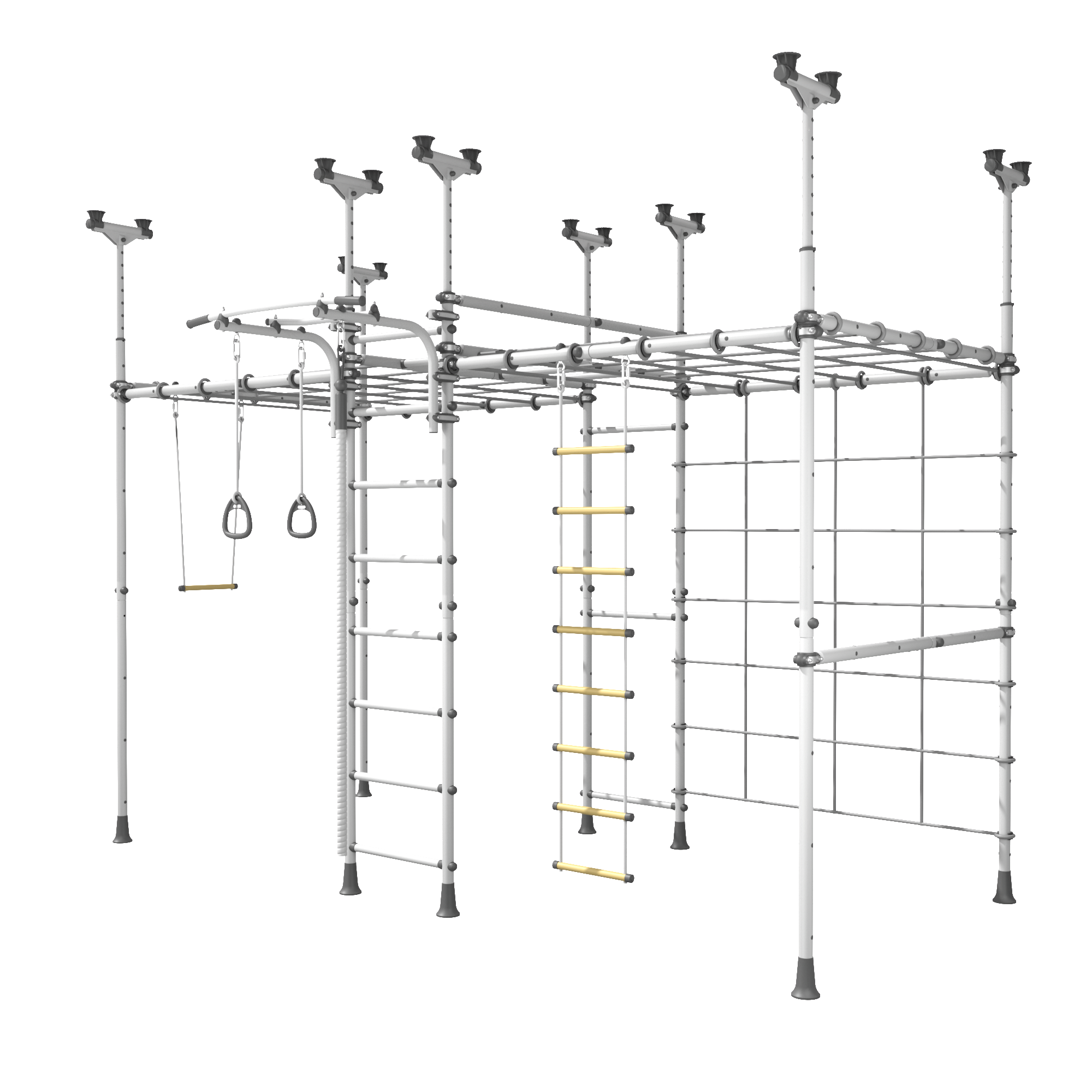
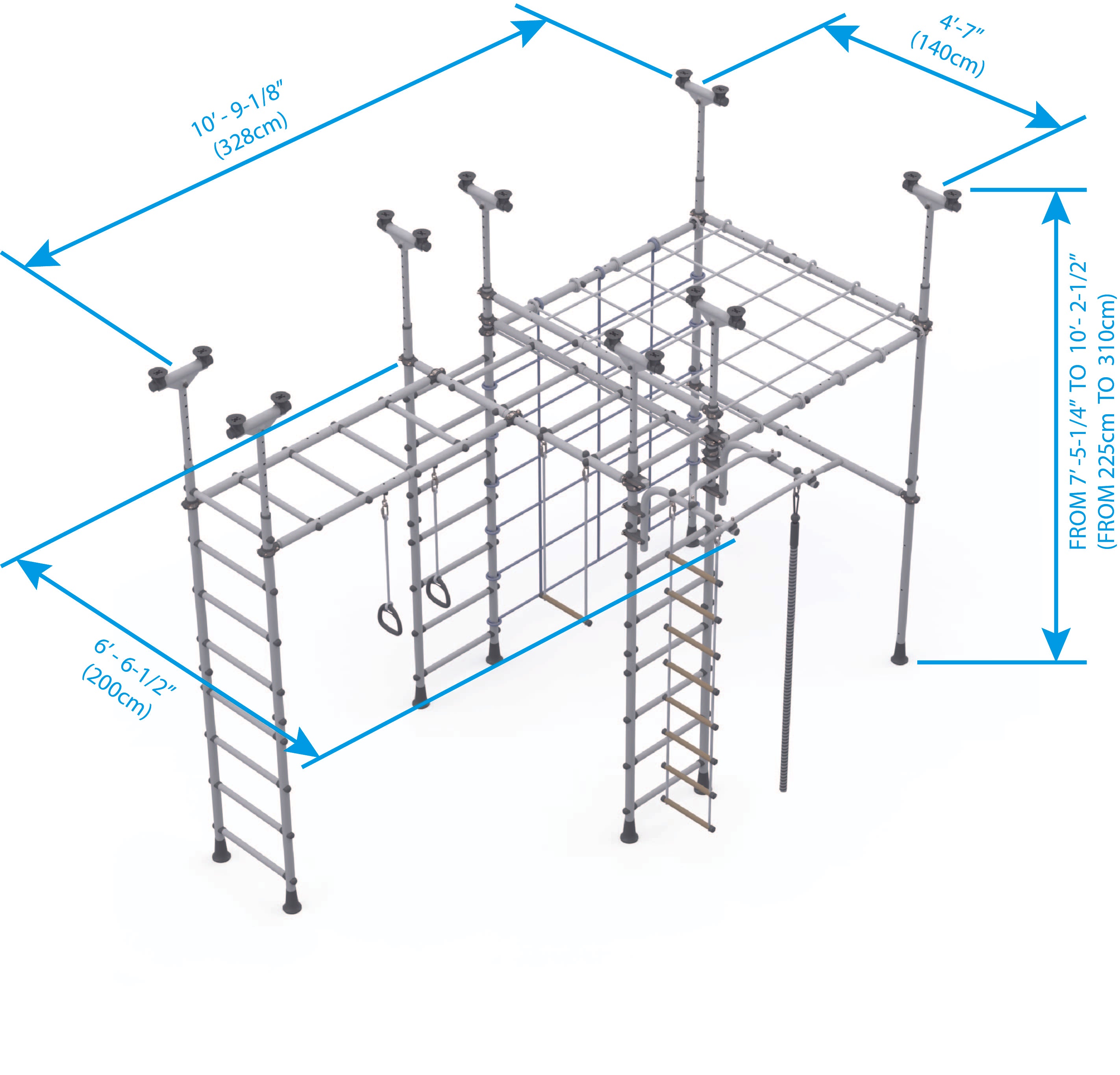
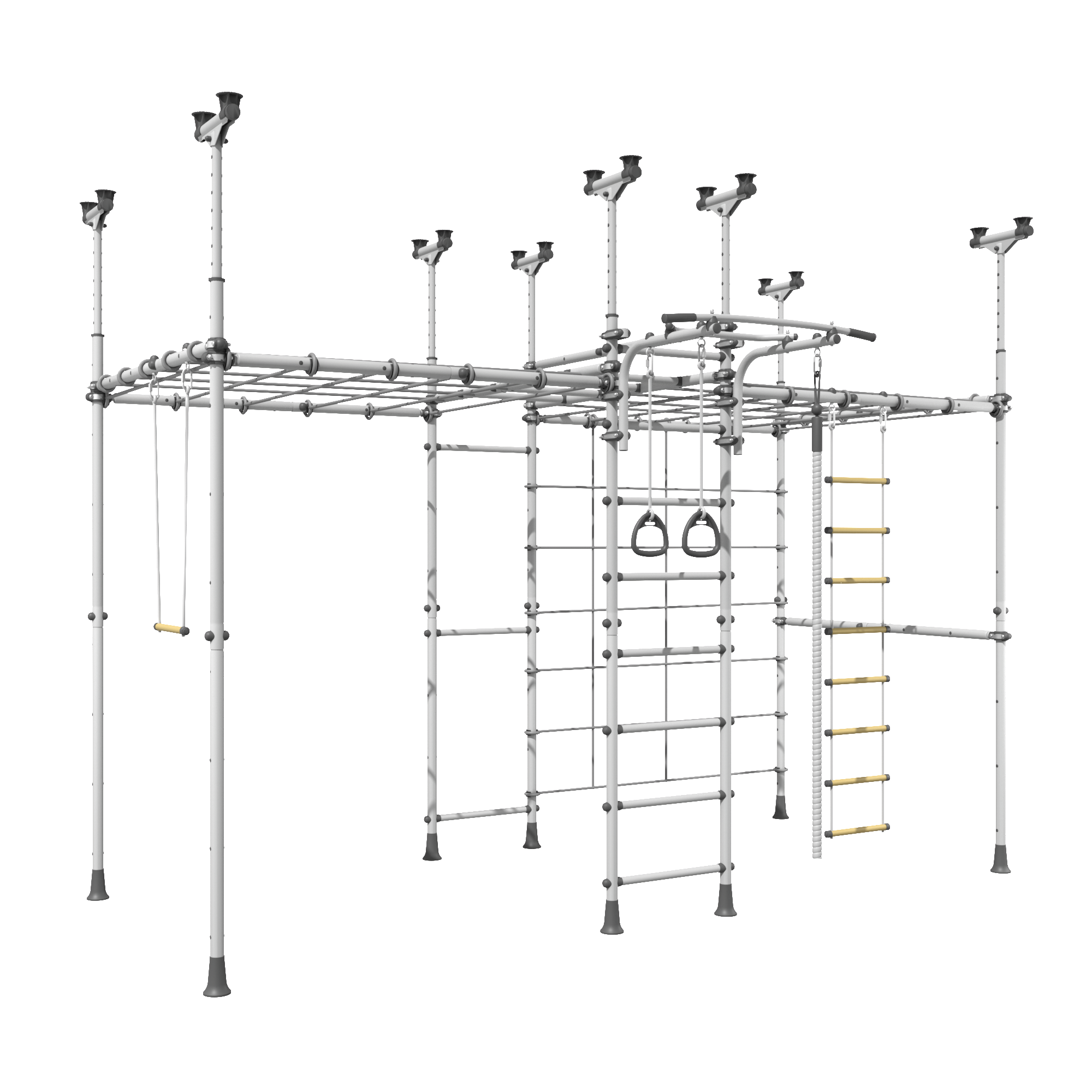
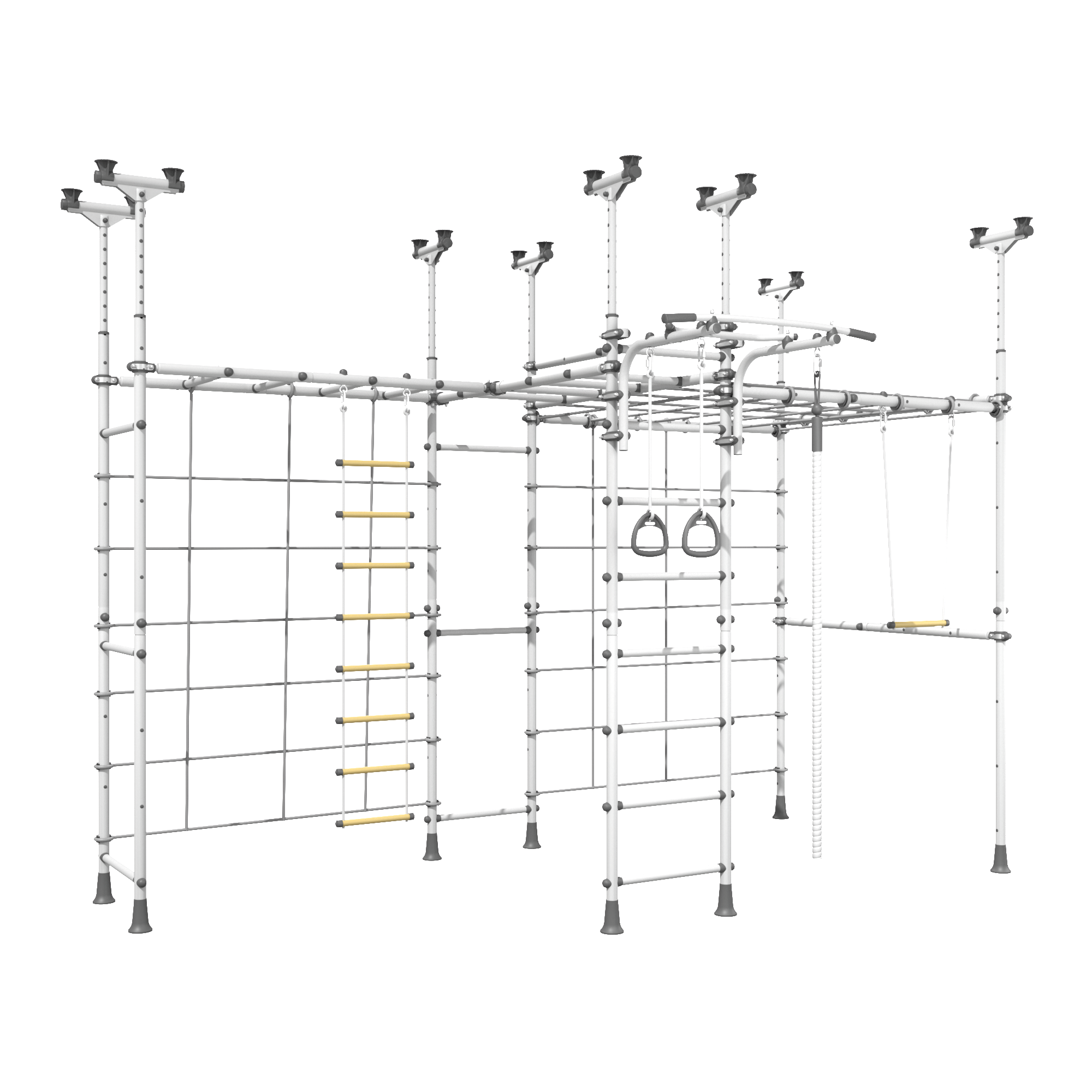
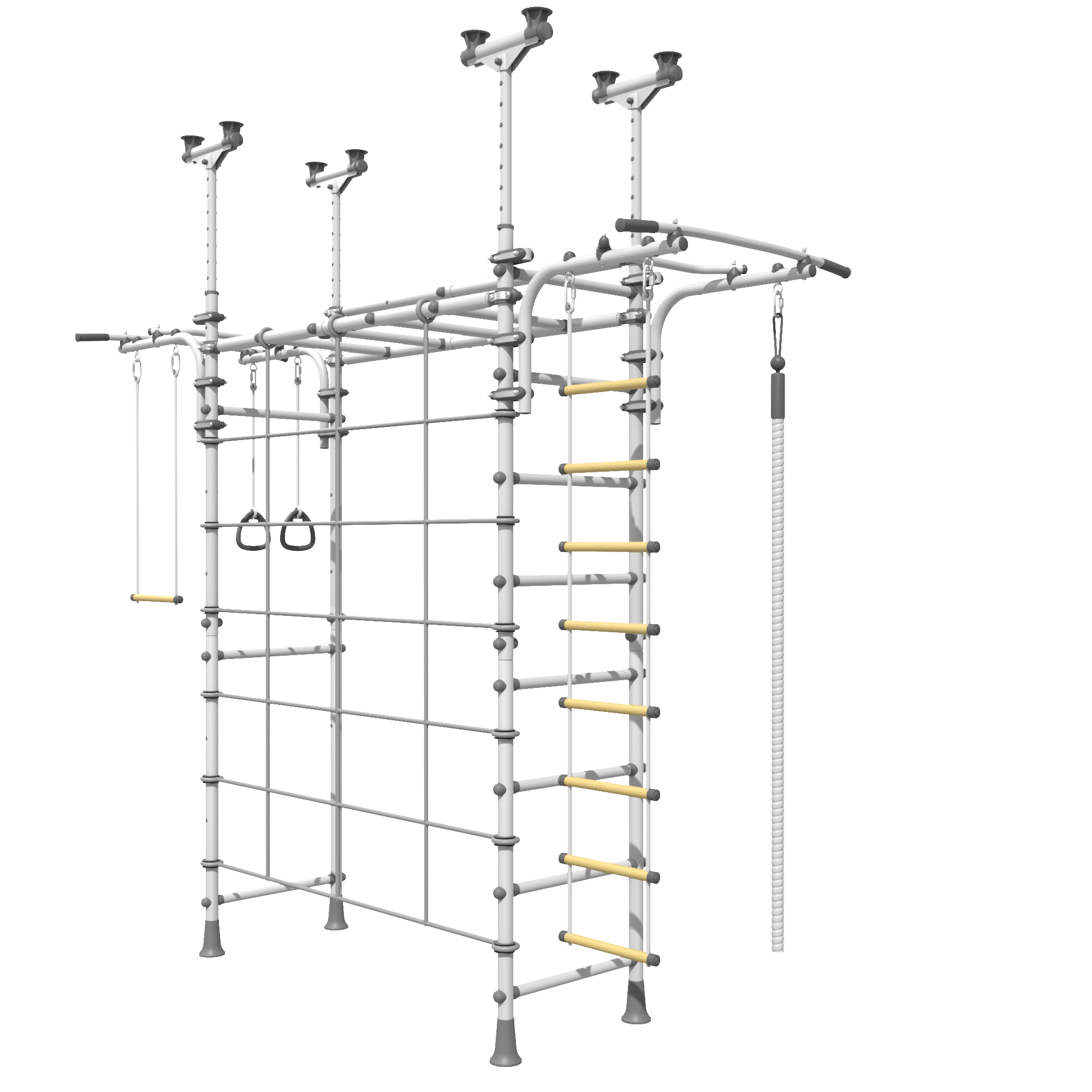
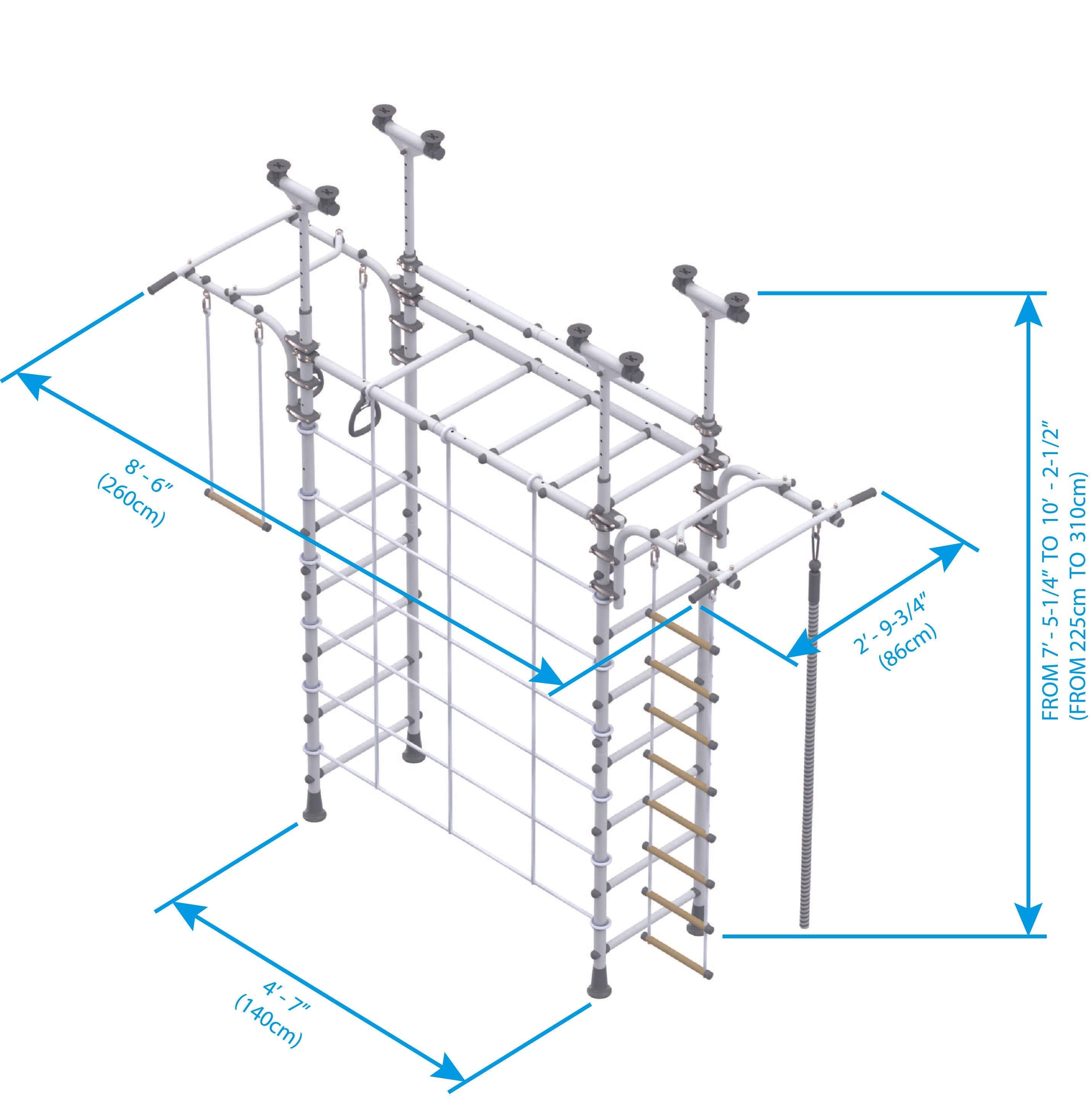
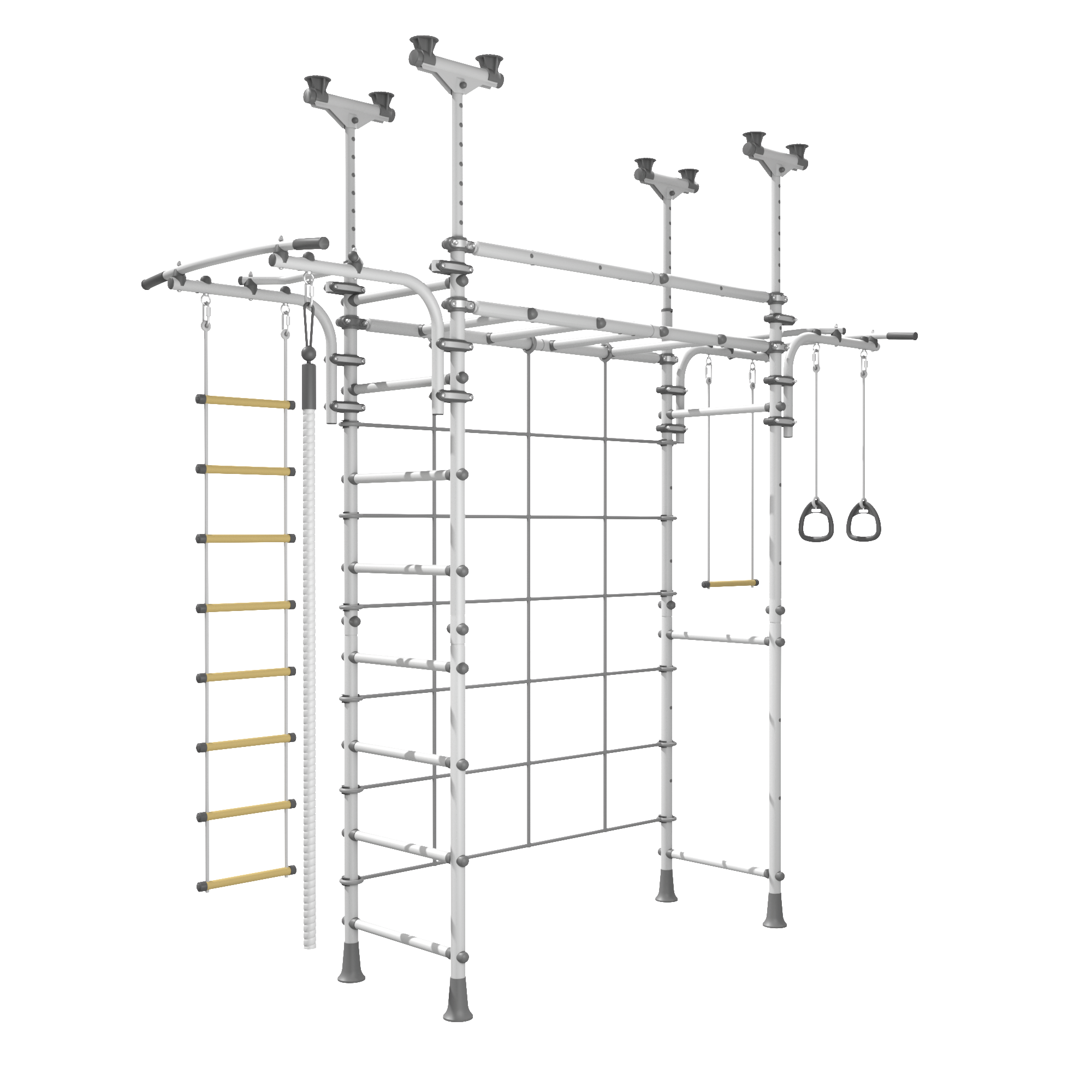
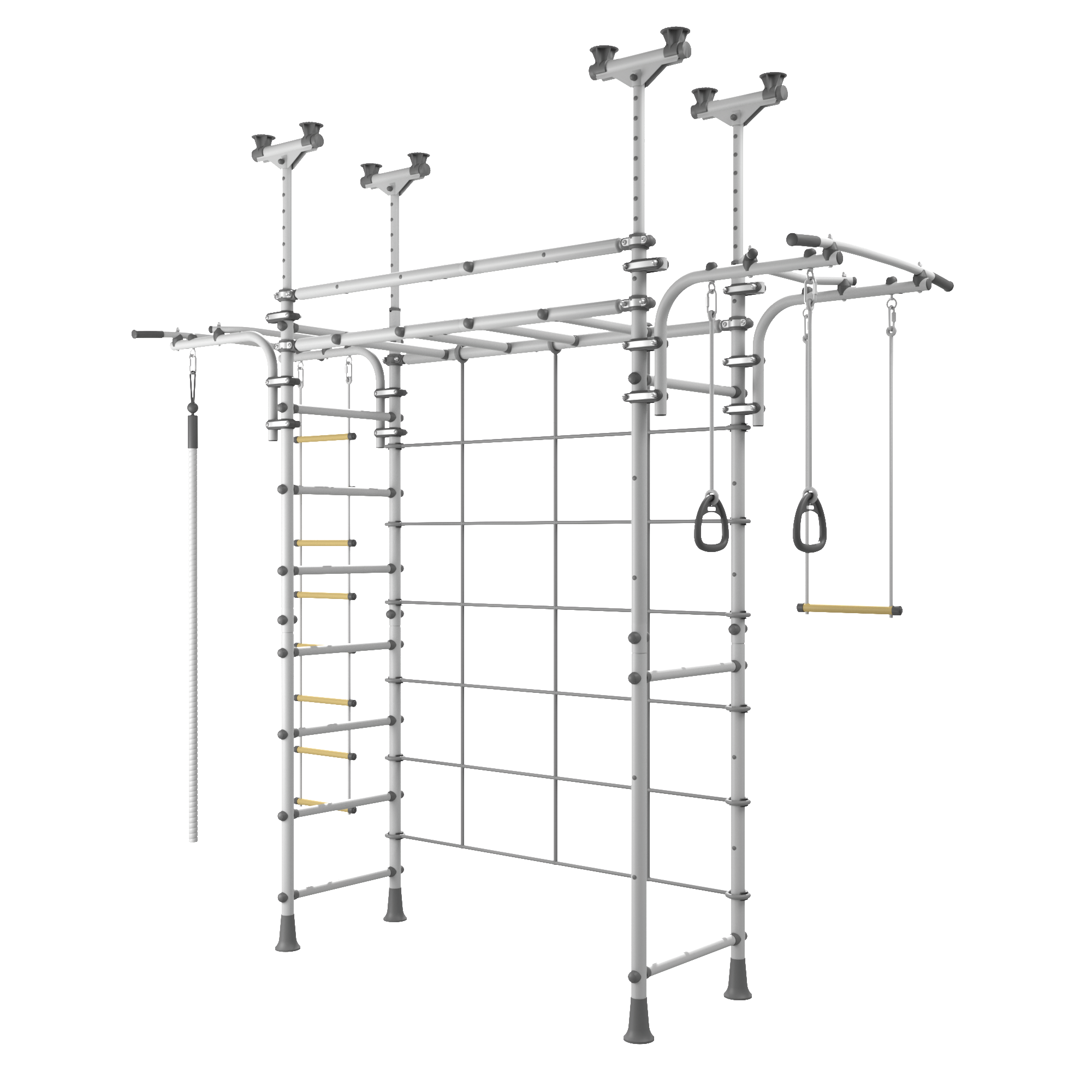
Sensory input builds the foundation for how children learn and grow. Movement, sound, touch, and balance help shape memory, emotional regulation, motor skills, and attention. These pathways form rapidly in early childhood and can be strengthened through daily play. Research supports this. In a peer-reviewed study titled Promoting Executive Function Skills in Preschoolers Using a Play-Based Program, Vandenbogaerd and Toussaint (2021) found that sensory-rich movement helps develop stronger executive function skills such as focus, self-regulation, and working memory. This is why movement-based sensory toys matter. They support:
- Tactile feedback, helping children explore texture and pressure
- Vestibular input, which supports balance and spatial awareness
- Proprioceptive awareness, which improves body control and motor planning
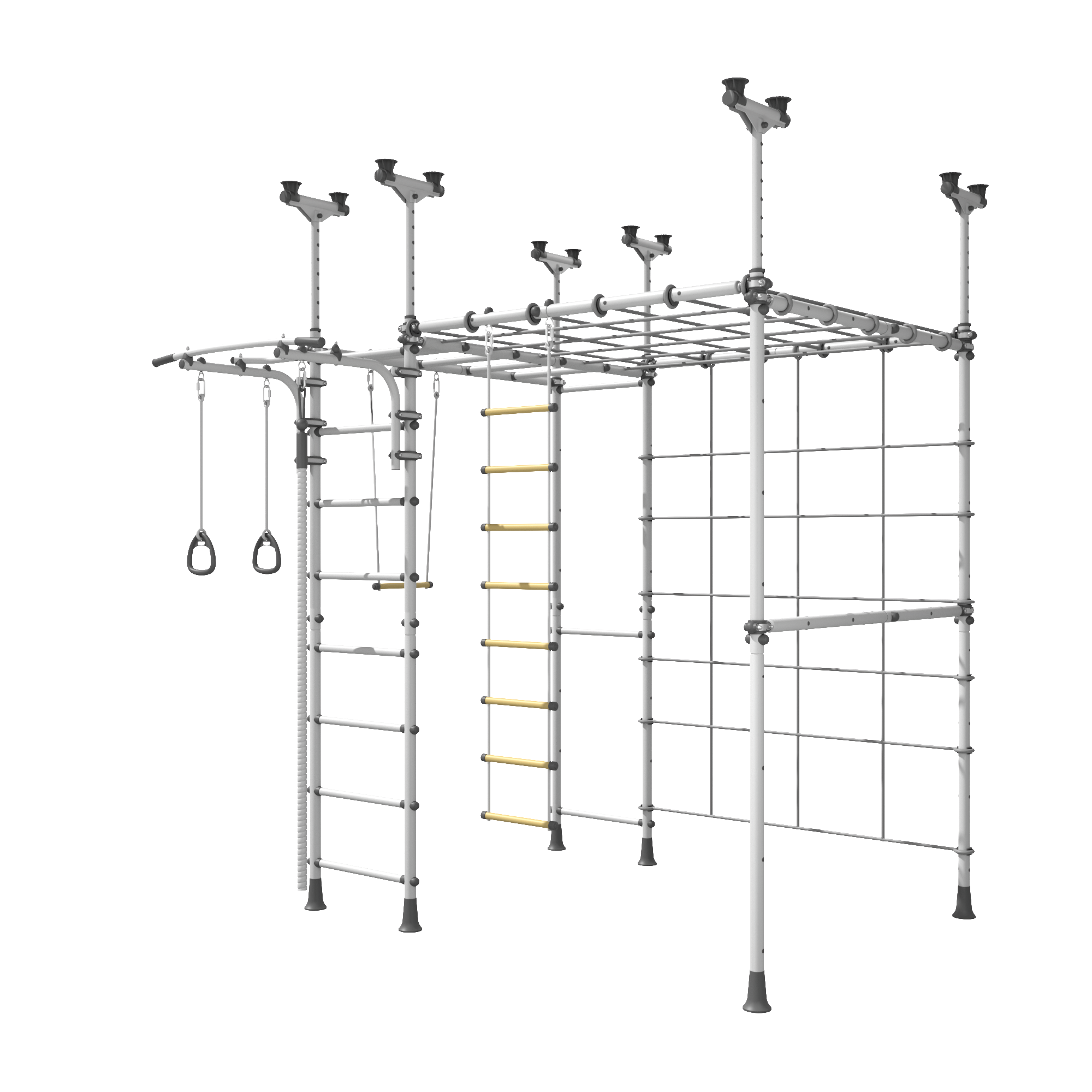
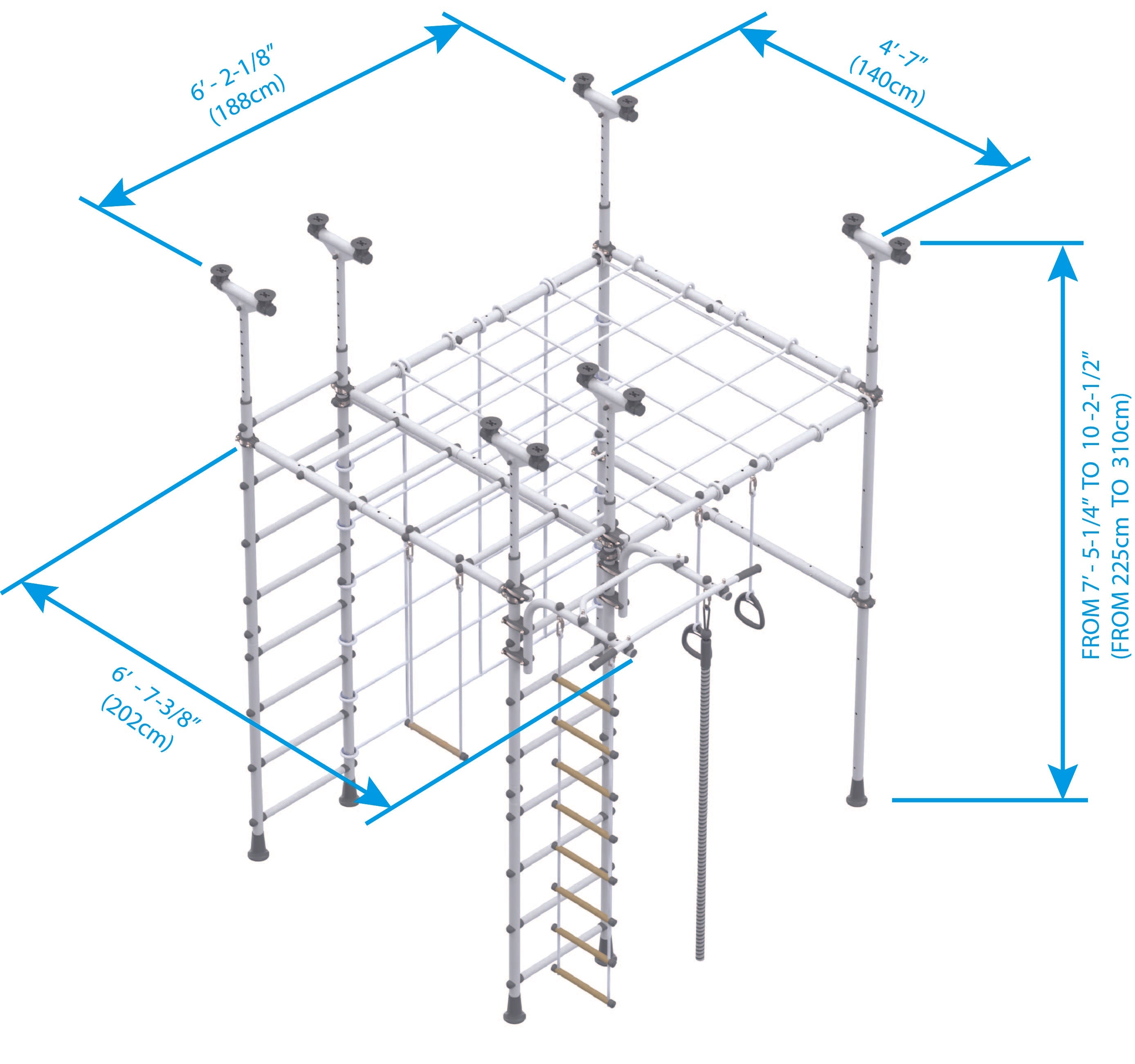
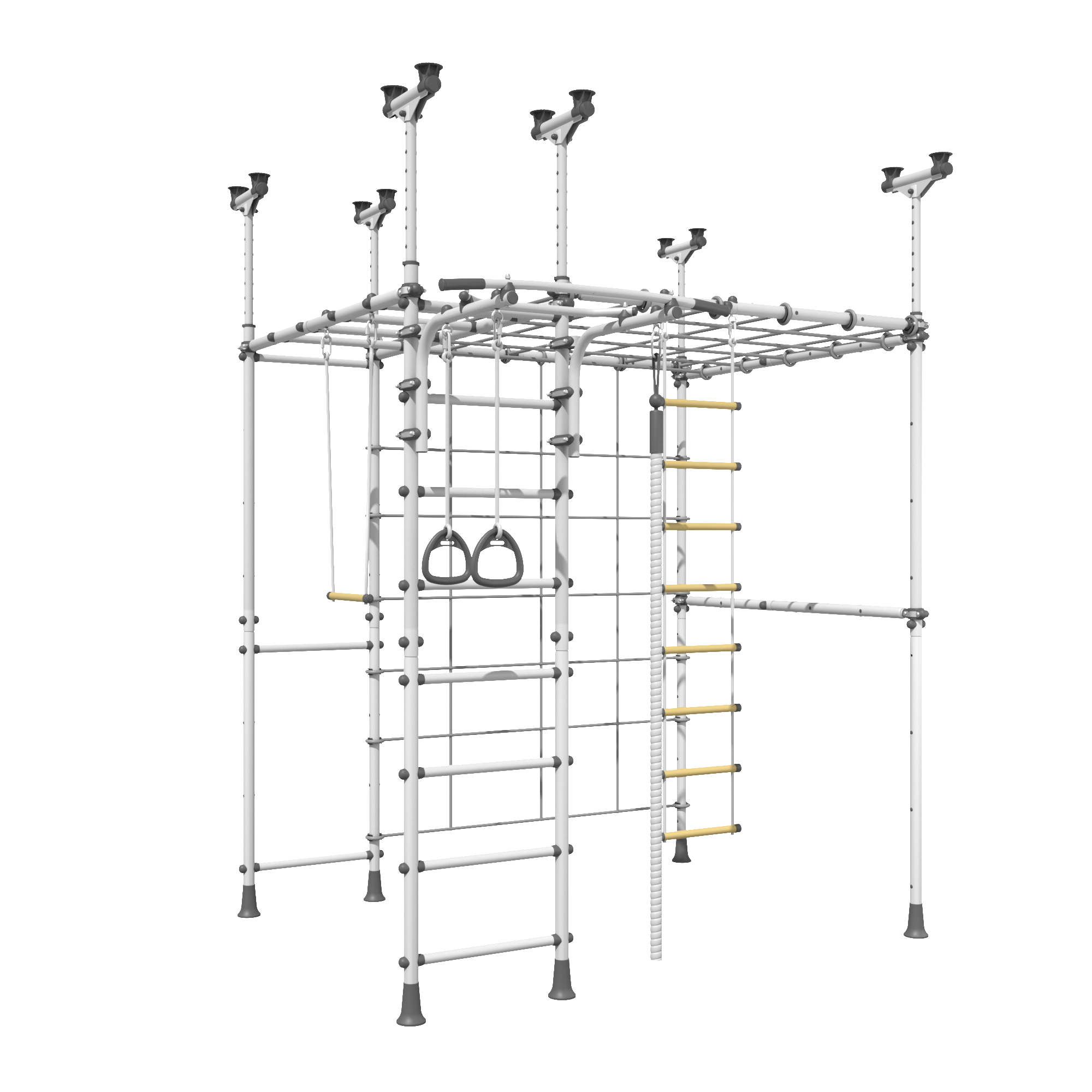
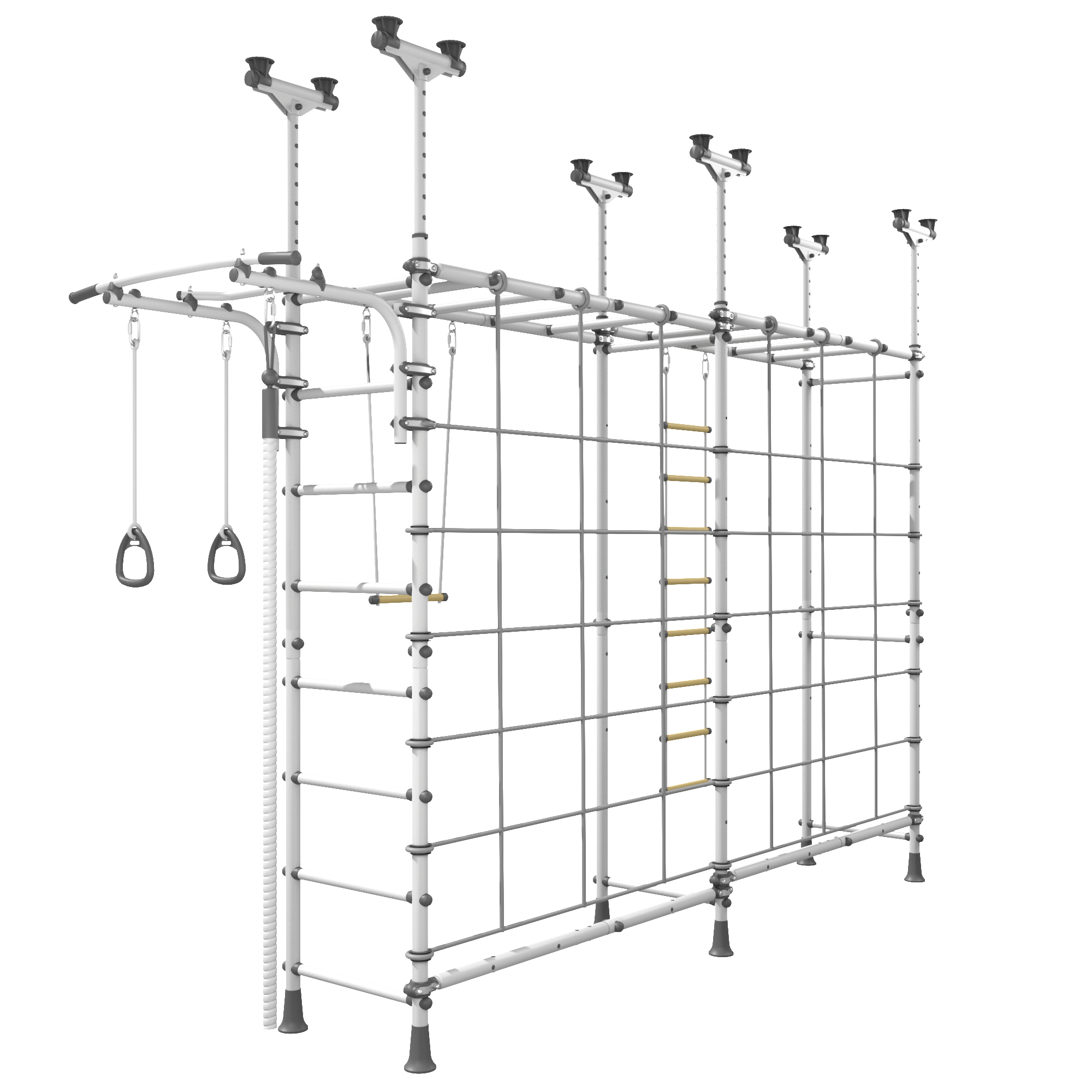
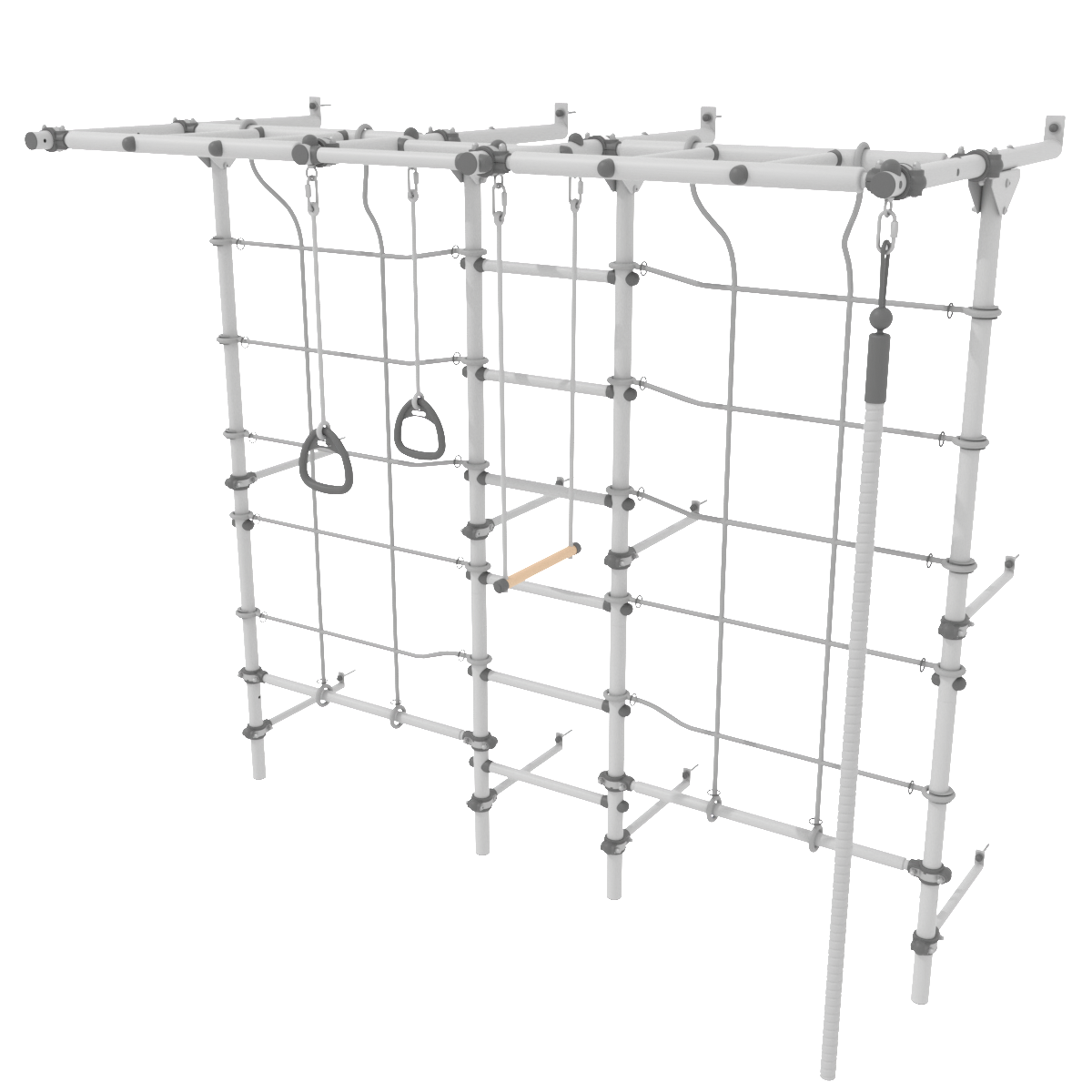
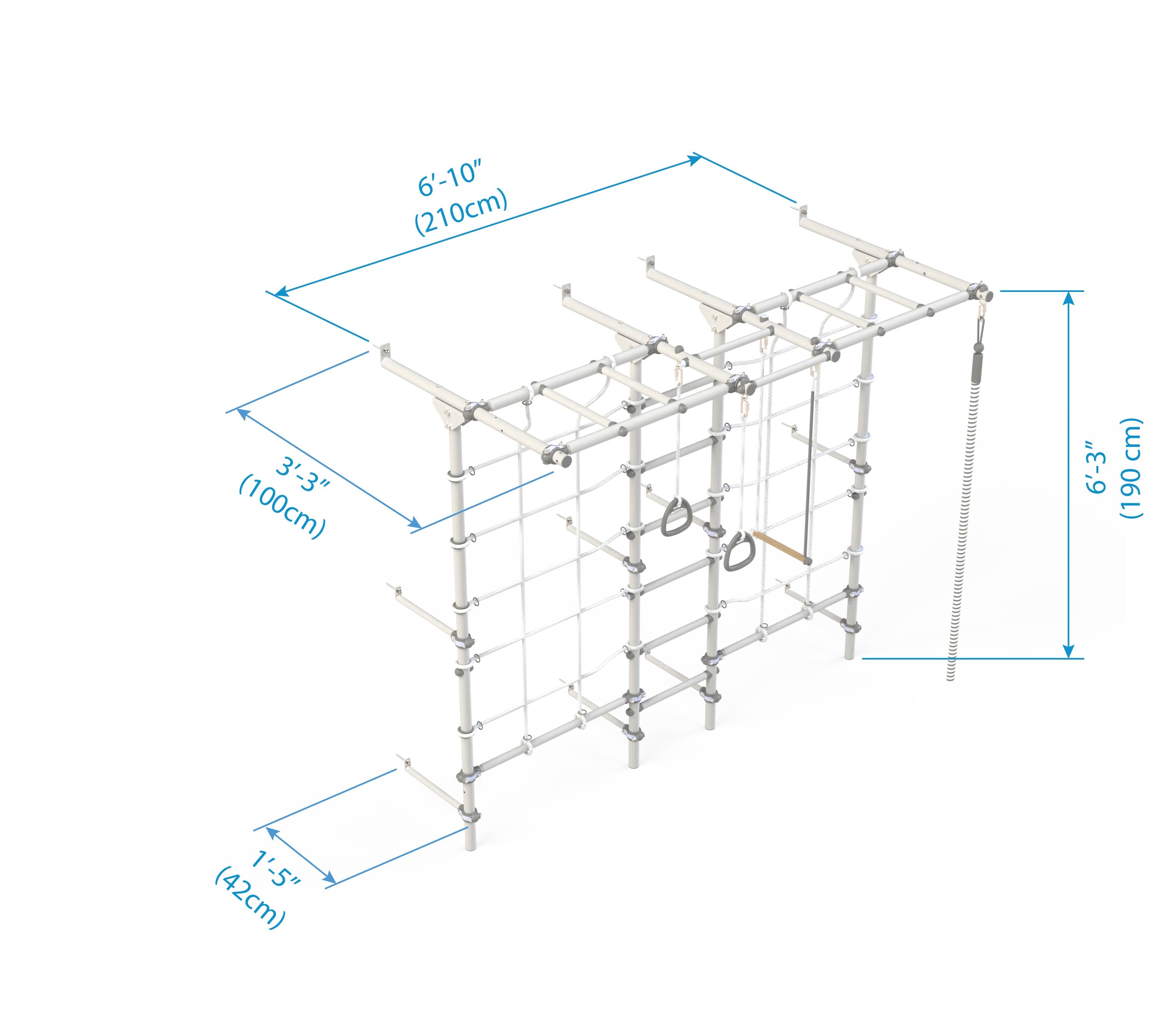
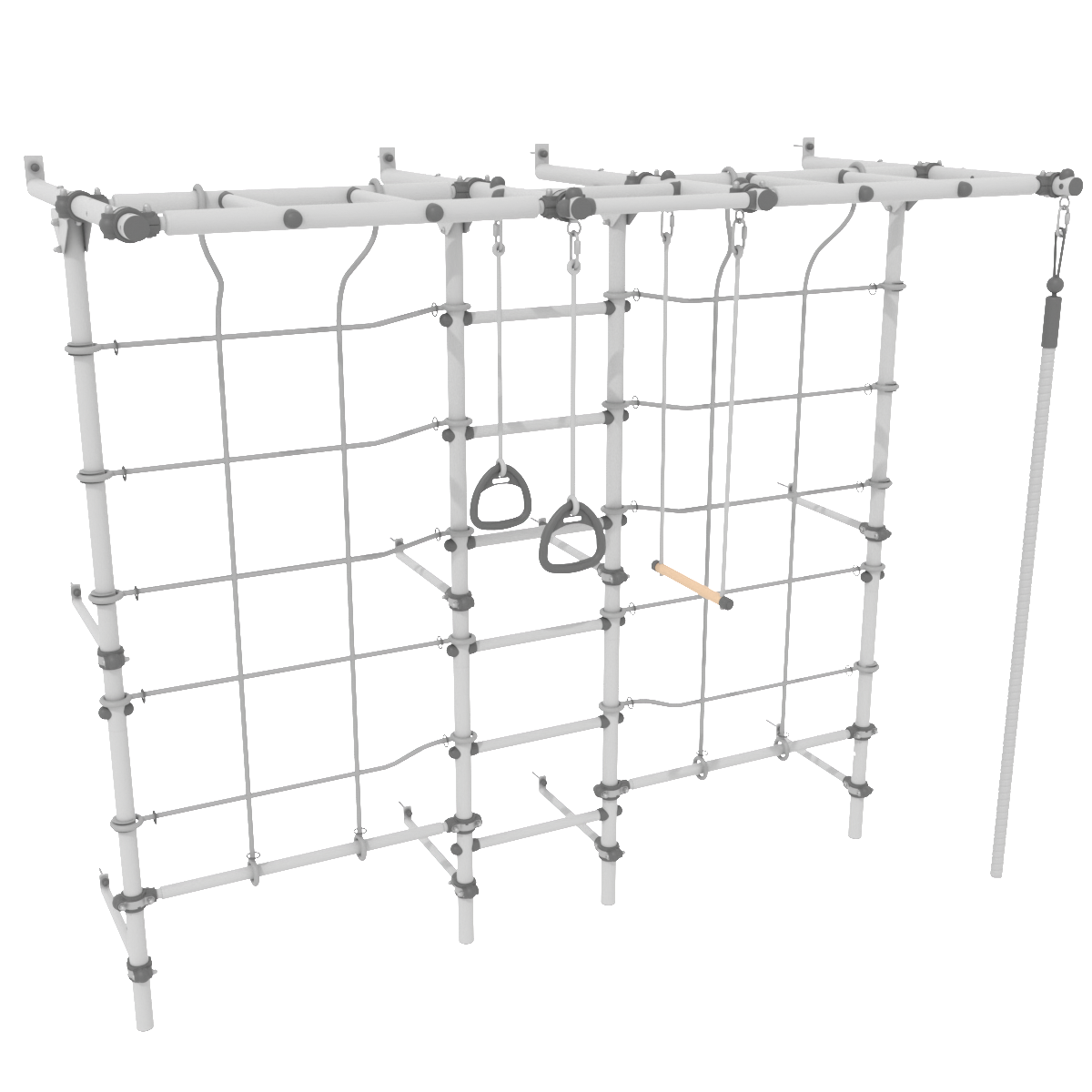
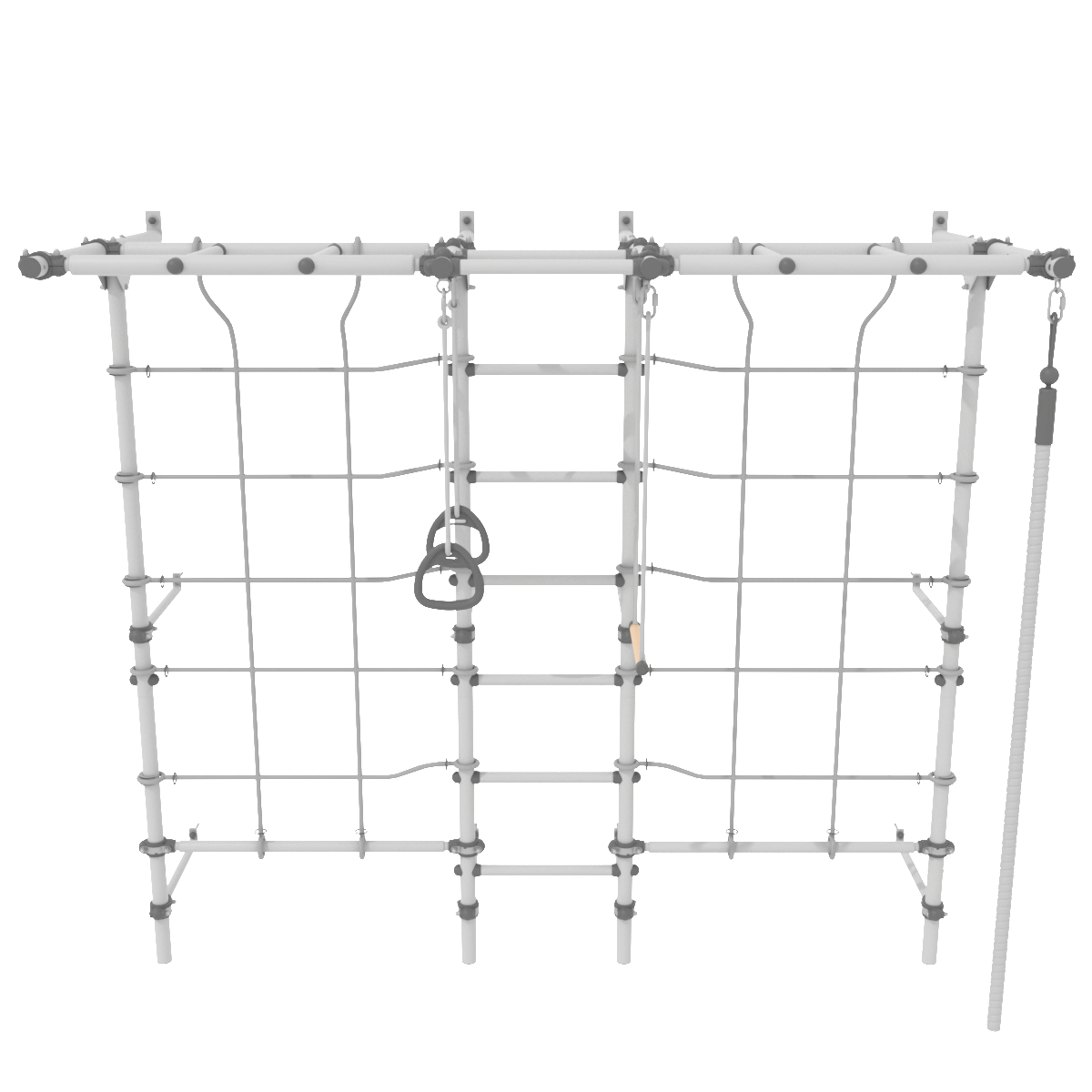
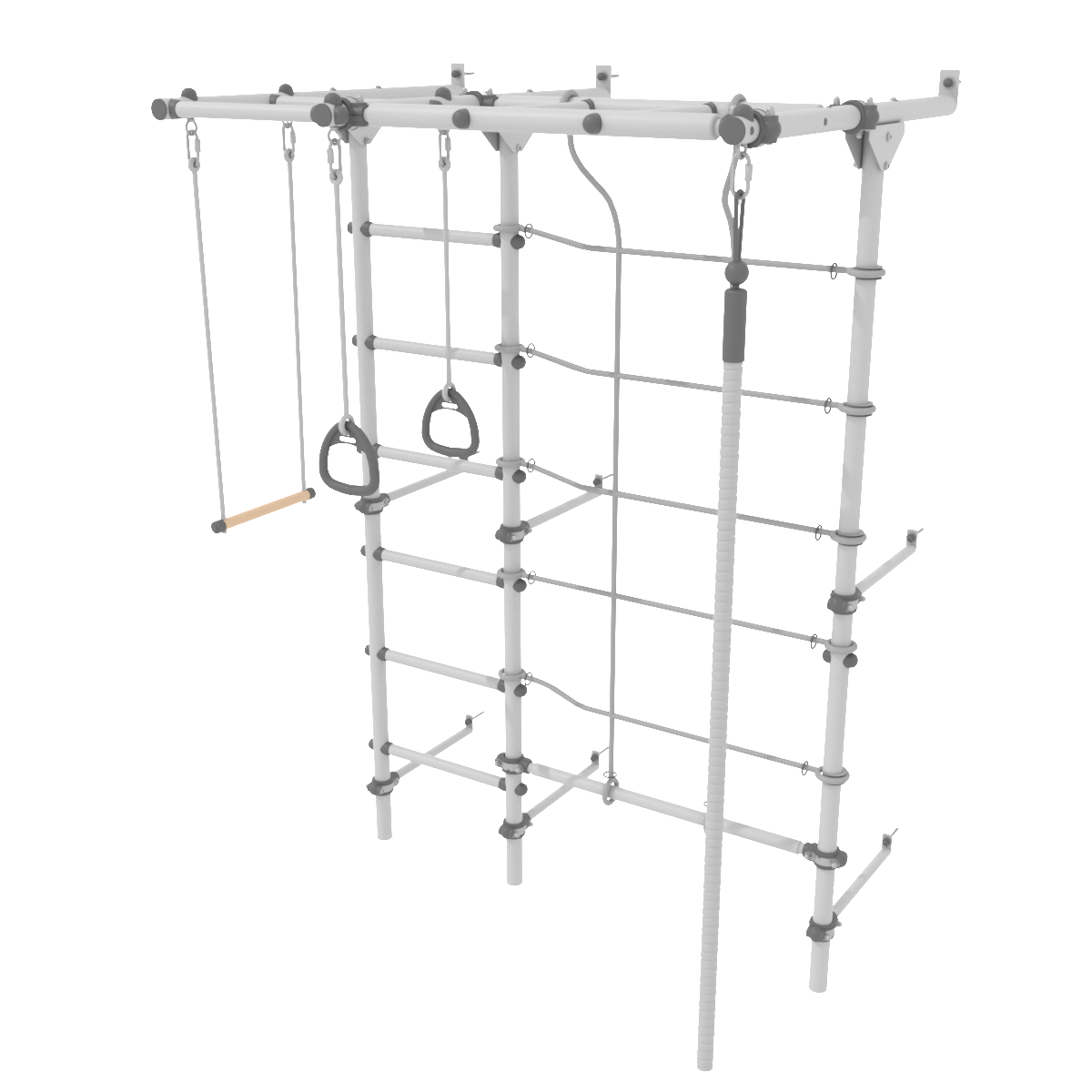
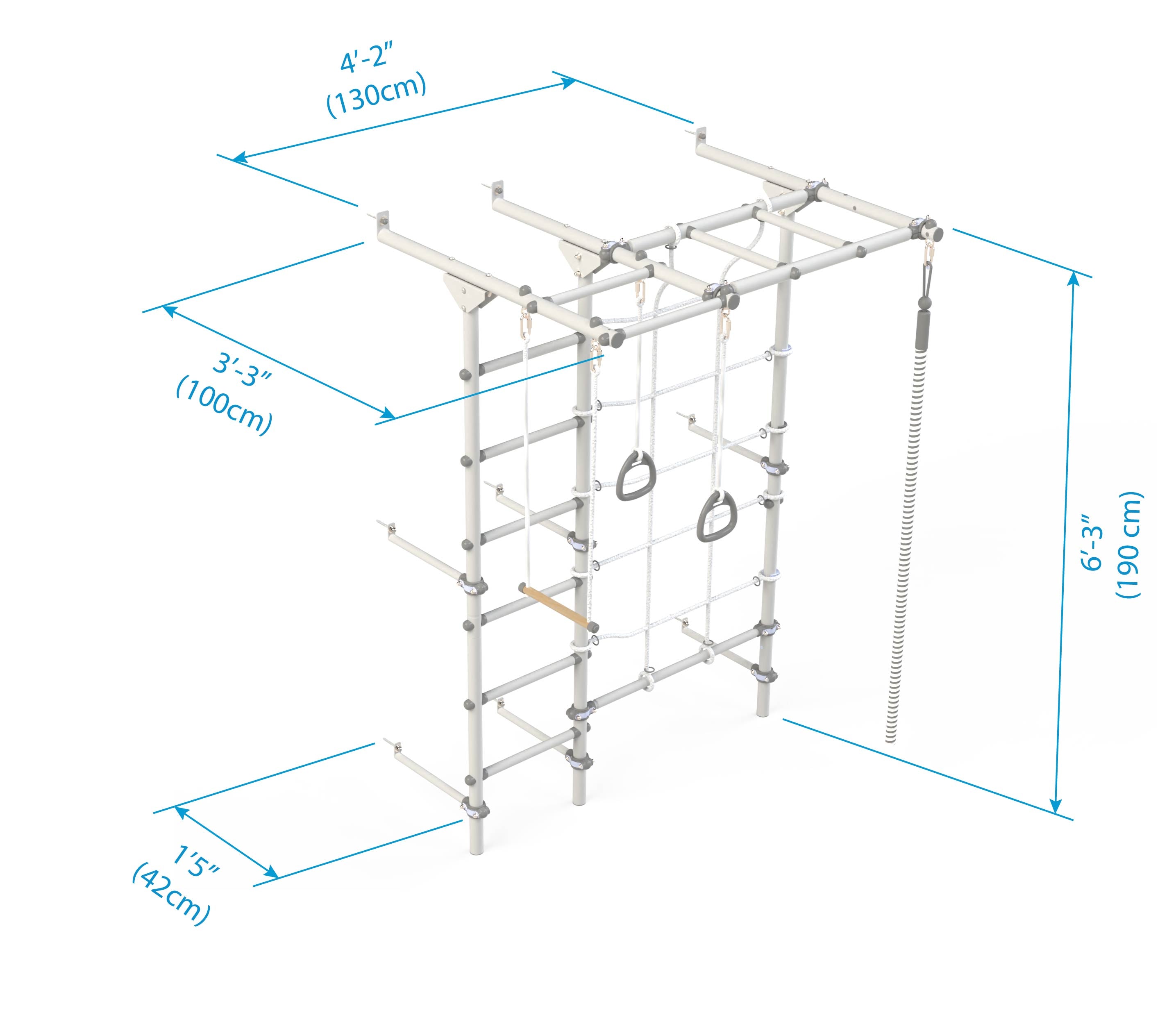
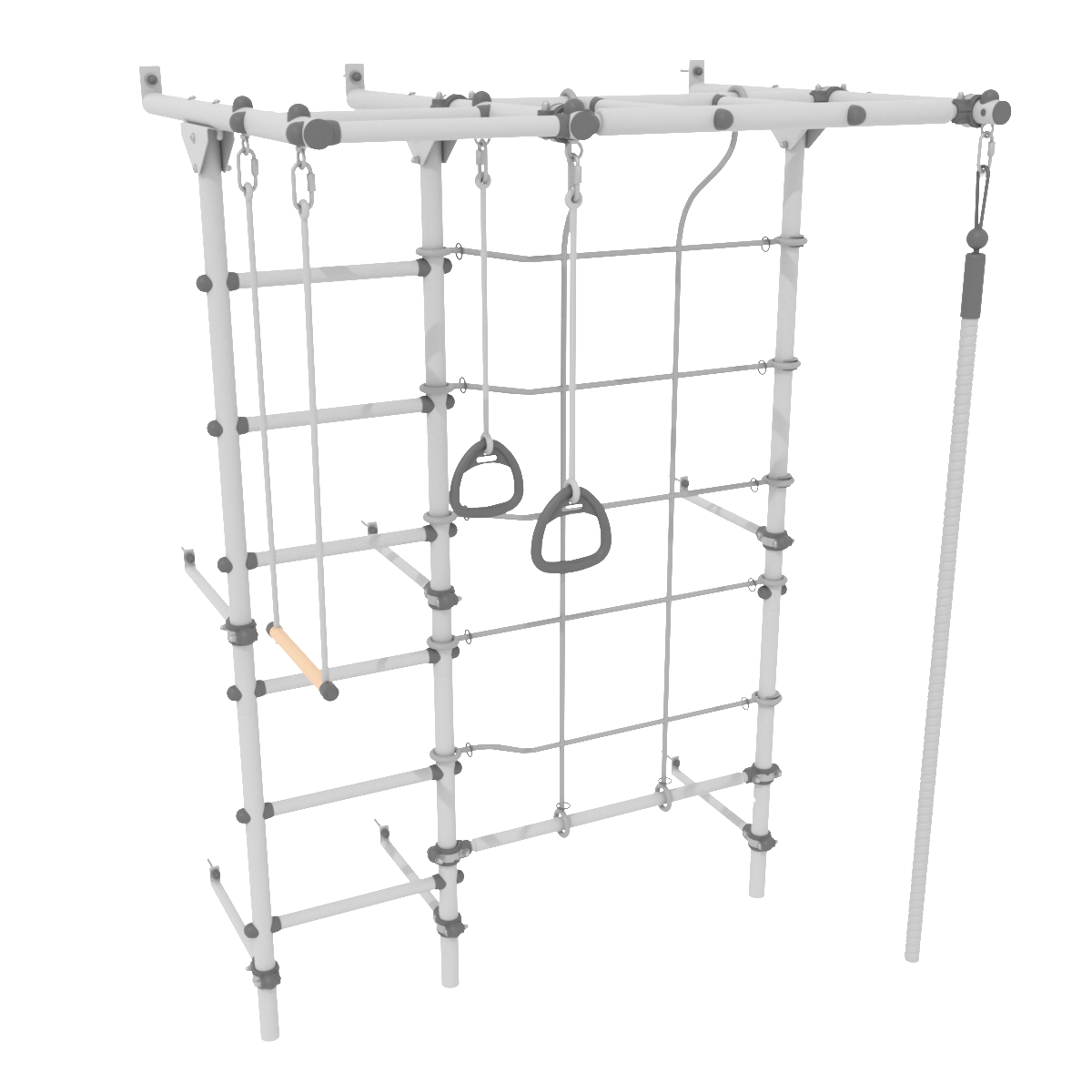
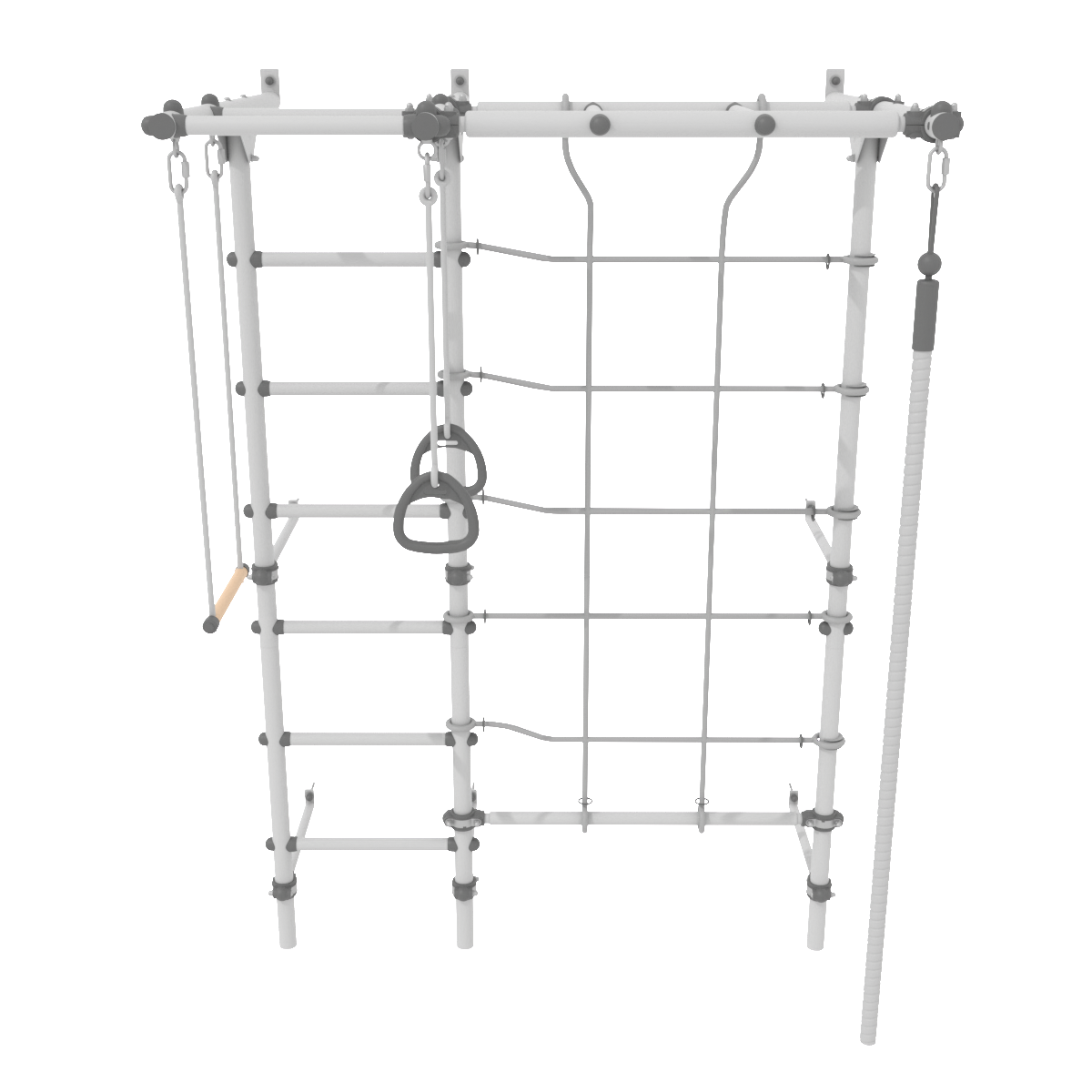
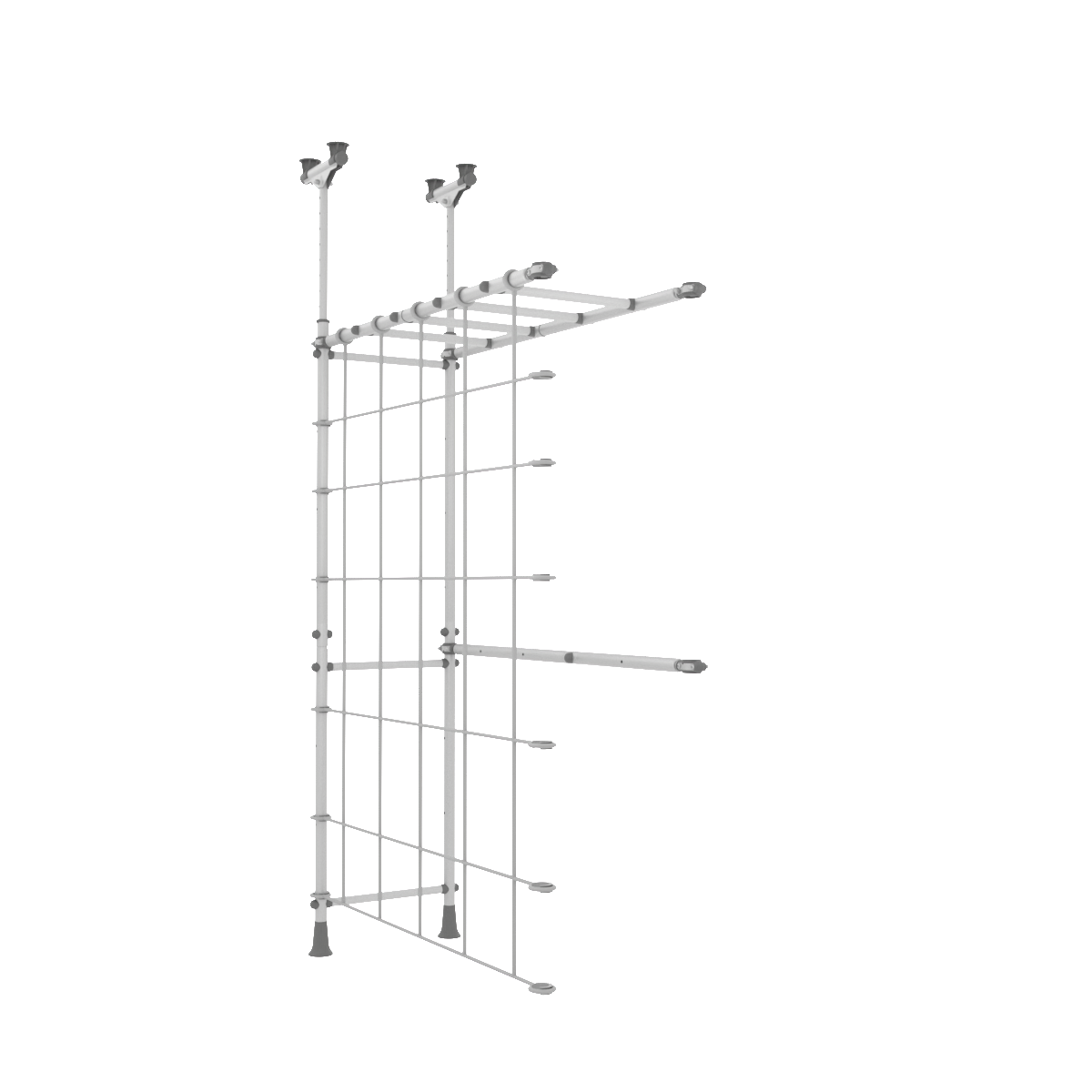
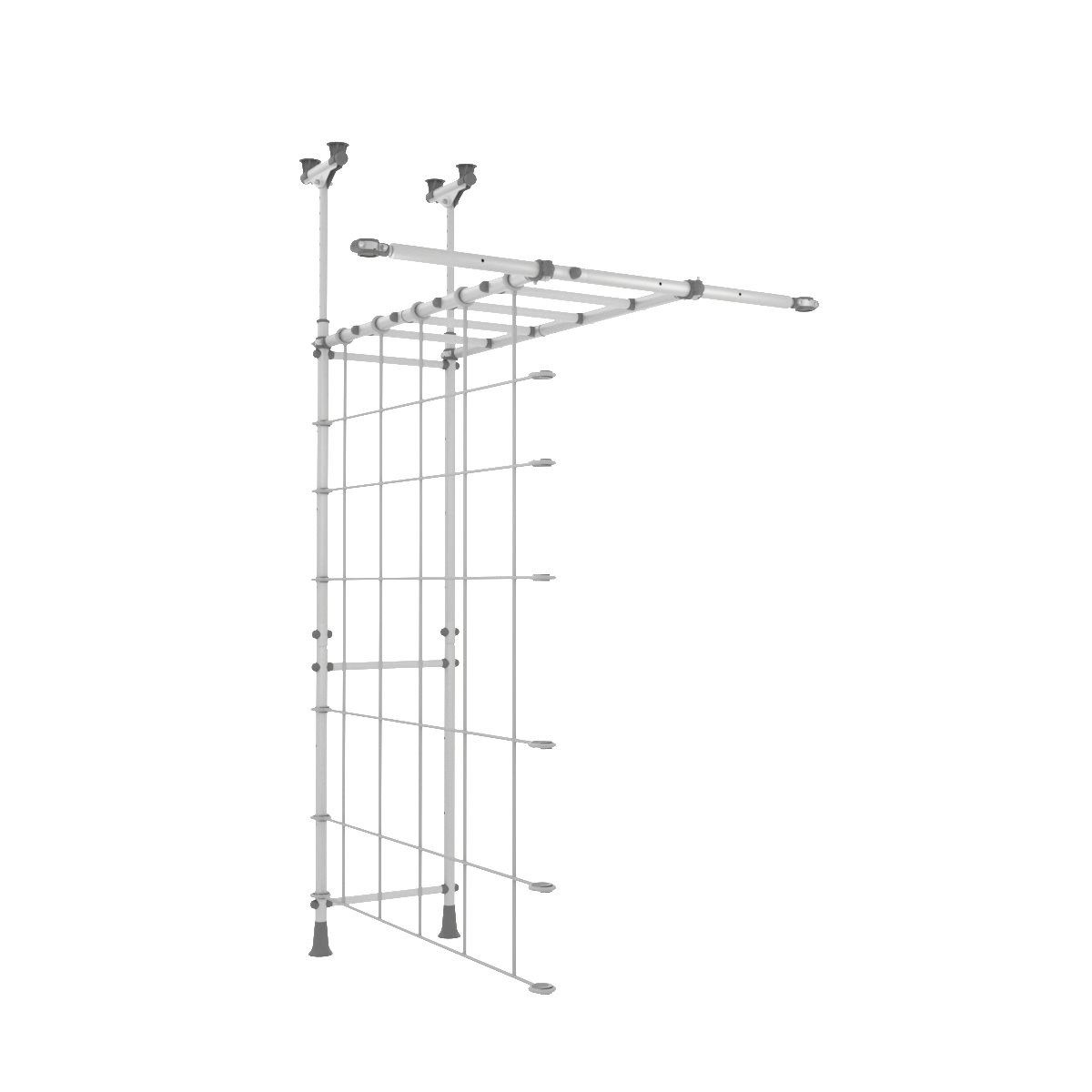
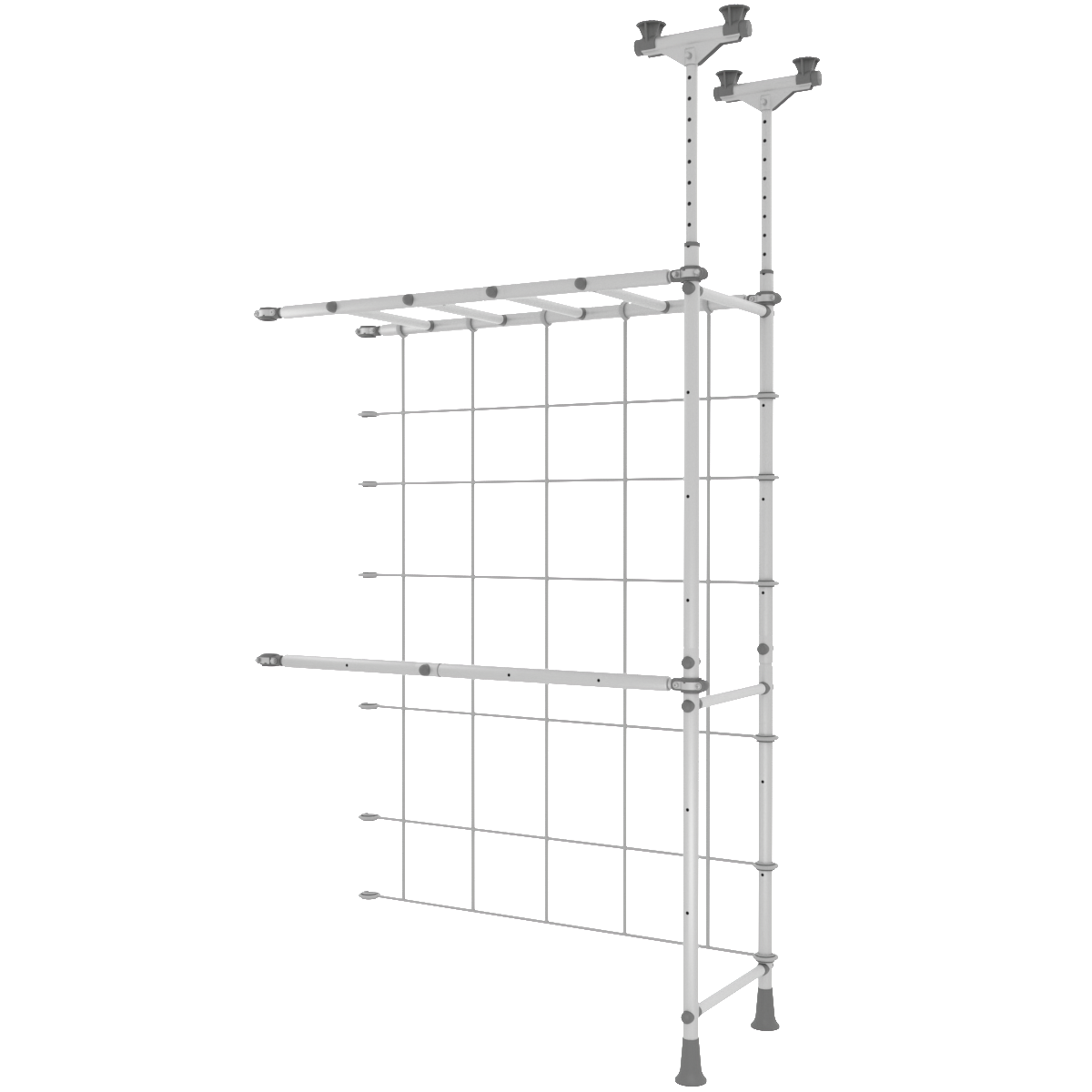
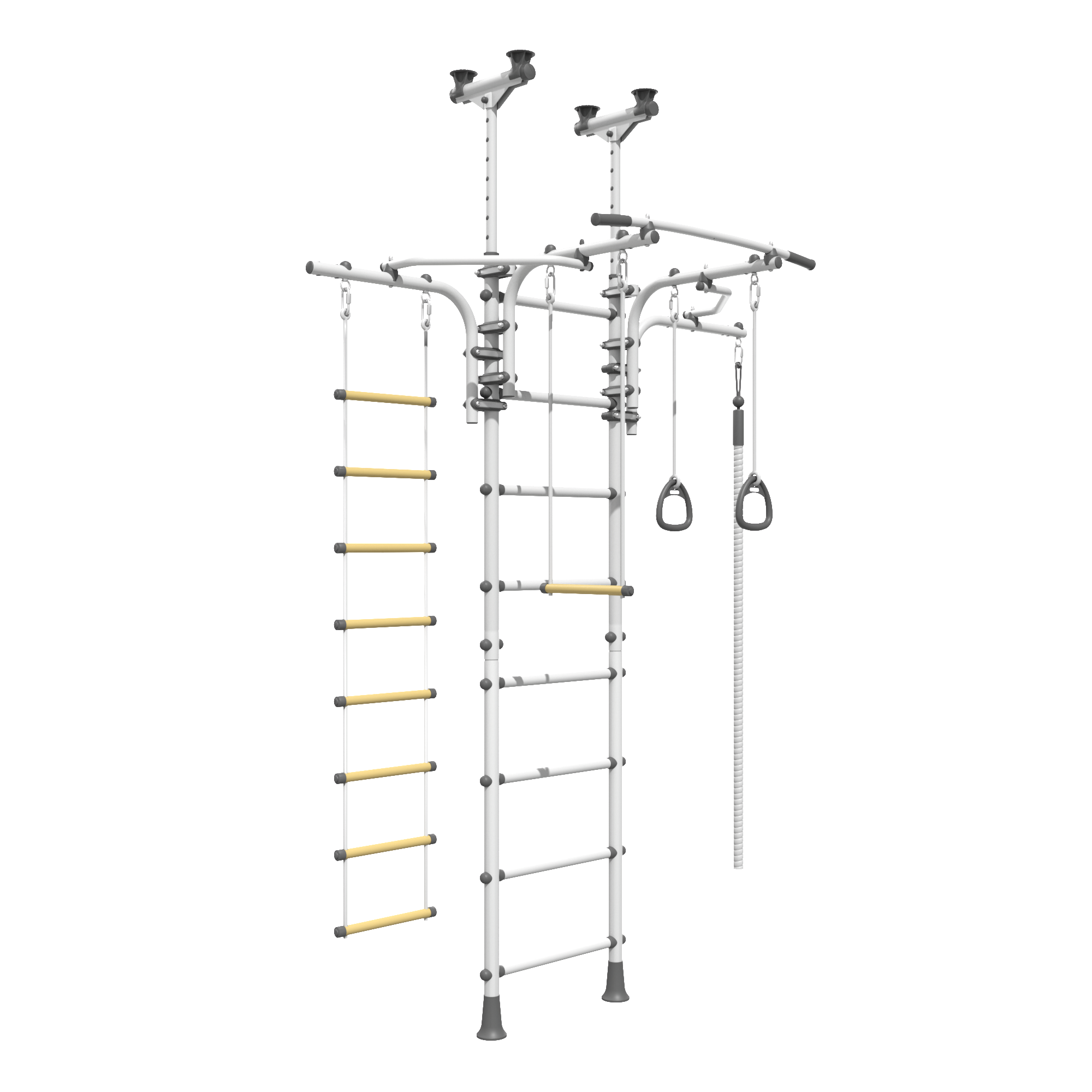
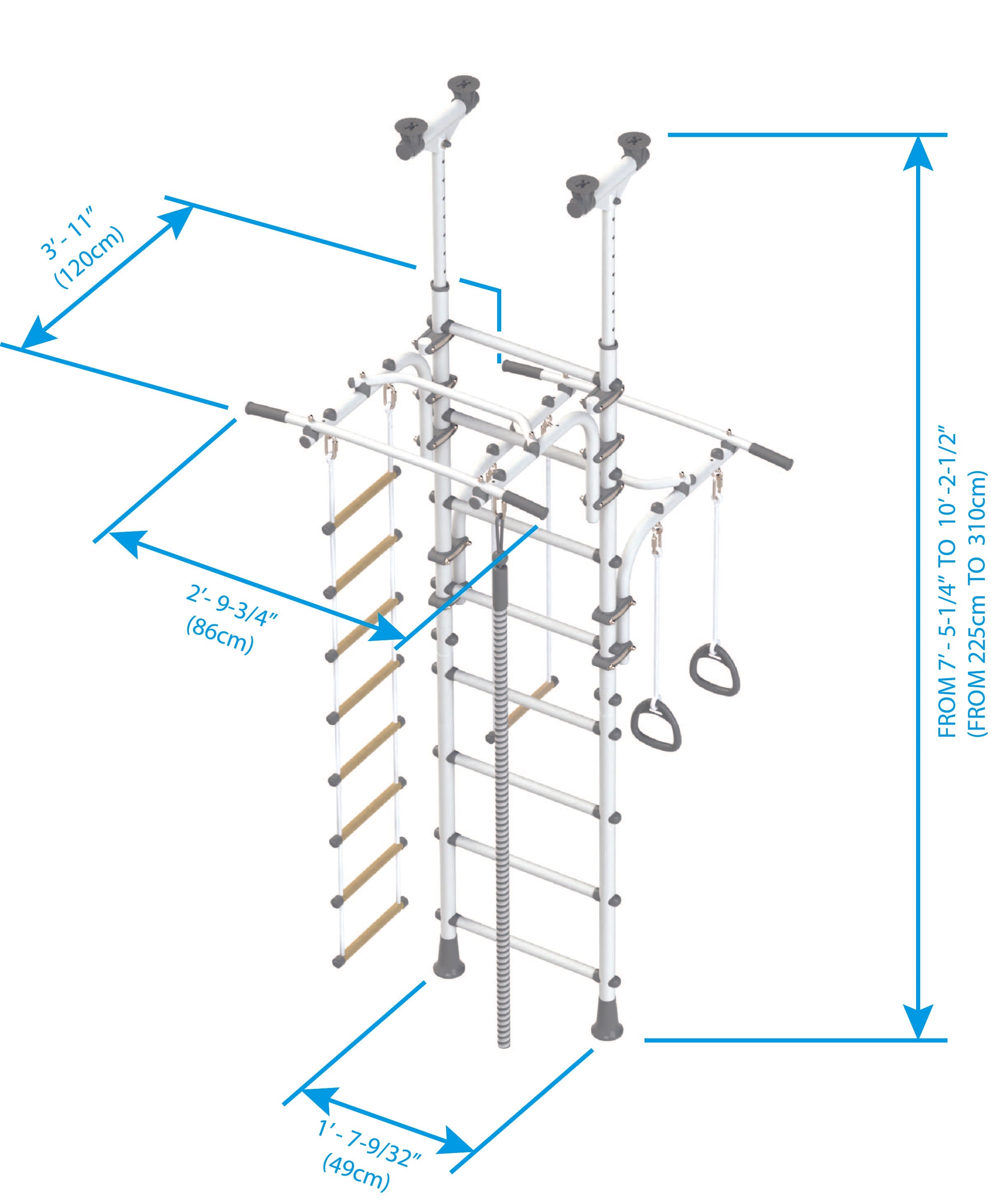
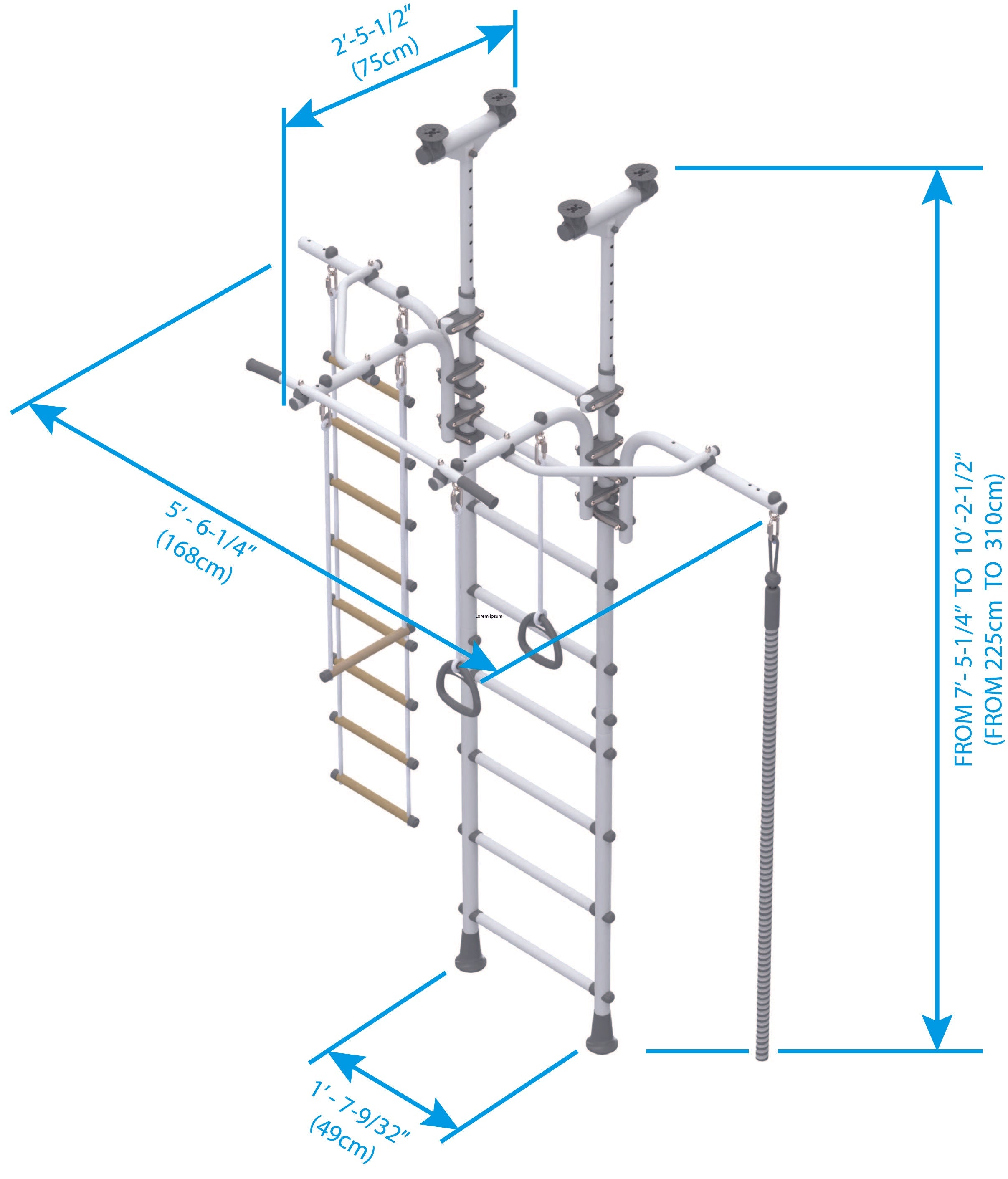
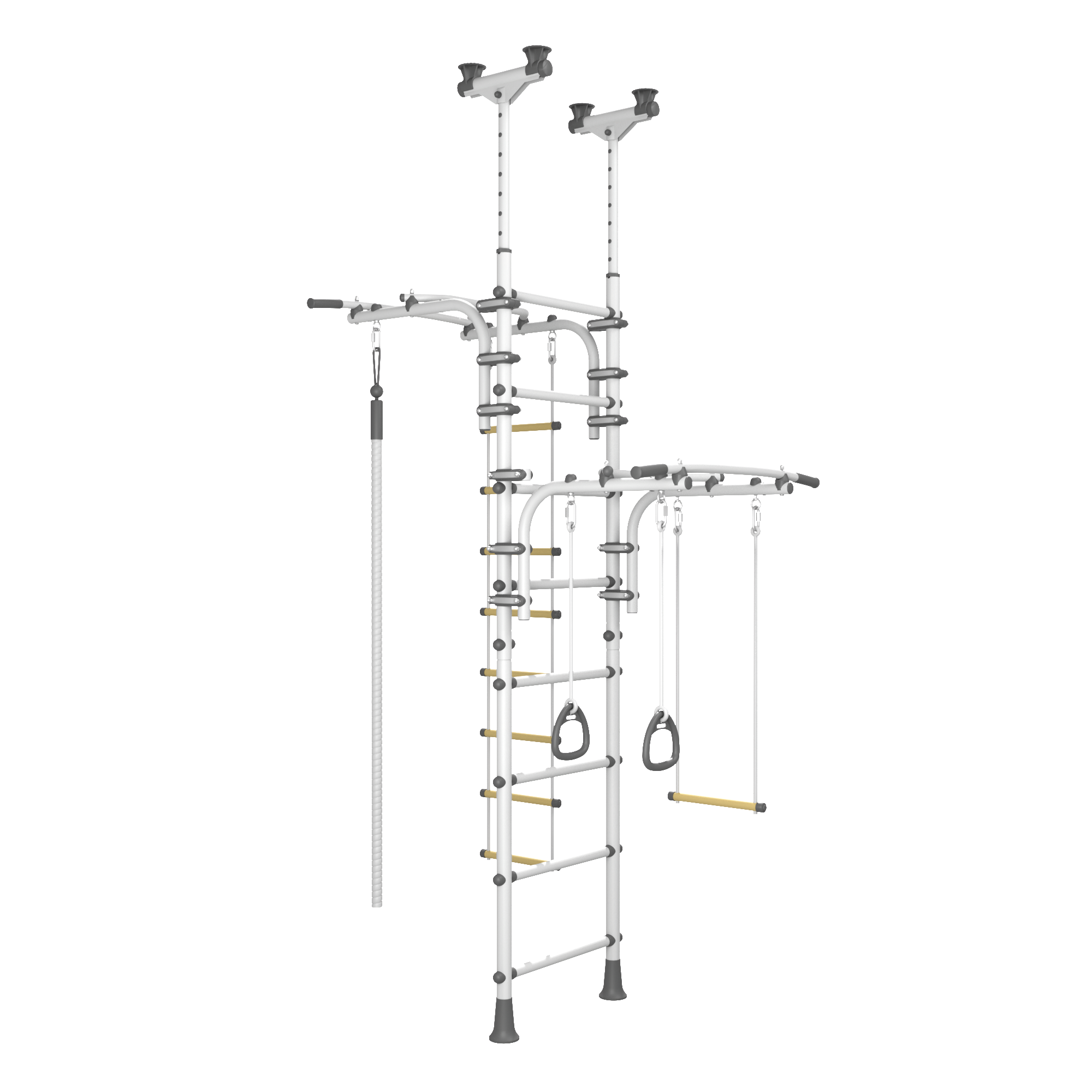
Brainrich toys are built for full-body sensory engagement. Climbing, swinging, and crawling activate the systems that support self-regulation and skill-building. Each activity supports real-time response to sensory input, encouraging long-term brain development through motion and exploration. Learn more about what are Montessori toys and how they impact early learning.
Toys For Sensory Development That Involve Movement
Movement is essential for sensory development. When children engage their whole body, they activate more senses at once. This builds stronger physical awareness and helps with emotional control, balance, and planning. Toys that support sensory development through movement include:
- Climbing ladders and frames that build coordination and balance
- Swings and hanging structures that provide vestibular input and help with regulation
- Crawl tunnels and ramps that encourage problem-solving and spatial learning
- Monkey bars and grip zones that develop strength and tactile response
In our article on five benefits of having indoor swings for kids, we explain how repetitive motion helps calm the nervous system and support better focus. These same tools are often used in occupational therapy to help children manage overstimulation or restlessness. Brainrich Kids systems combine all of these elements. Every piece is designed to support movement that feels natural, safe, and engaging. Whether your child is crawling, climbing, or swinging, each interaction builds brain development by reinforcing how the body moves through space. Some of the best options also encourage sensory play for toddlers, helping them explore with movement and imagination.
Best Sensory Development Toys by Age Group
Not every toy fits every stage. Sensory development changes as your child grows, so the tools they use should adapt with them. Here's what to look for by age and ability.
Ages 1–2: Exploration And Safety
- Crawling ramps and low platforms support balance
- Textured surfaces encourage tactile input
- Soft-grip bars introduce safe climbing
- Repetitive motion builds comfort and routine
Toys at this stage should feel safe, predictable, and simple to explore.
Ages 3–5: Climbing And Creativity
- Kids use ladders, crawl tunnels, and swings more actively
- They start combining motion with imaginative play
- Sensory systems mature with challenge-based climbing
- Side-to-side and full-body movement improve planning
This is where adjustable play systems matter most. Kids play differently each day.
Ages 6–10: Role Play And Regulation
- Movement is tied to storytelling and group play
- Hanging, swinging, and climbing add physical challenge
- Children need toys that respond to more complex ideas
- Modular setups allow independent or shared activity
At this stage, sensory development links to social-emotional growth.
Ages 11 And Up: Ongoing Sensory Input
- Older kids use setups for fitness, stress relief, and social time
- Teens still benefit from motion-based play, especially in indoor home use
- Homeschoolers and autistic kids often use equipment for regulation
- Systems should support strength, mood balance, and coordination
One setup should support every age range. Brainrich toys are designed to stay useful as your child grows, with sensory features that never stop mattering.
What To Look For In The Best Sensory Development Toys
Choosing the right sensory toys means understanding how they support development. The best toys are more than entertainment. They activate the senses, support regulation, and grow with your child. Here’s what to focus on when deciding what works best.
Movement That Engages The Whole Body
Children need toys that allow them to move. Climbing, crawling, swinging, and hanging all trigger different types of sensory input. These activities support vestibular and proprioceptive development, which are critical for balance and motor control.
Modularity And Long-Term Use
Kids don’t play the same way at every age. A toy that works at 2 years old may not be useful at 7 unless it adapts. Modular toys adjust to different skill levels, making them a better investment over time.
Safe, Non-Toxic, Long-Lasting Materials
Materials matter for safety and durability. The toy should be made from high-grade steel and food-grade plastic. Avoid PVC or wood if you're looking for something that holds up to active use across years.
Helps With Regulation And Calm
Sensory toys can help kids self-regulate. Movement patterns like swinging or climbing allow children to repeat motions that calm the nervous system. This is especially important for autistic kids, who often need predictable input to stay grounded.
Encourages Story-Based, Imaginative Play
Physical play should leave space for creativity. Toys that invite kids to build a story or scenario help connect emotional and physical development. Movement becomes more meaningful when it supports imaginative play.
Recommended By Therapists
Look for toys that meet clinical standards. The best tools for sensory development are often the same ones used in occupational therapy or physical therapy. Our systems meet these criteria, which is why they are trusted by professionals.
How Sensory Toys Support Autistic Kids
Autistic kids often experience sensory input differently. Many seek out physical feedback through motion, pressure, or touch to feel regulated and safe. Without access to consistent sensory input, overstimulation or shutdowns can happen quickly.
Toys that provide movement offer effective support. Climbing, swinging, or crawling helps activate core sensory systems like proprioception and vestibular input. These actions are calming, rhythmic, and provide predictable stimulation, which helps build trust and safety for the child. A 2023 study, Effects of Sensory Integration Training on Balance Function and Executive Function in Children with Autism Spectrum Disorder, found that daily movement-based play improved both coordination and decision-making in autistic children ( Frontiers in Psychology).
Benefits Of Sensory Toys For Autistic Kids:
- Help with self-regulation during stressful transitions
- Improve body awareness and spatial coordination
- Offer consistent sensory input that feels safe and repeatable
- Support emotional stability through active movement
- Encourage independent use in a safe indoor home setting
Brainrich Kids toys are often recommended by occupational and physical therapists. The setups are safe for daily use, made from high-grade steel, and designed to grow with the child. Homes with limited outdoor space, cold winters, or unpredictable weather rely on this kind of movement-based indoor structure to support sensory needs at home.
When To Start Using Sensory Development Toys
Start as early as possible. Sensory development begins at birth, and the earlier children are exposed to healthy sensory input, the stronger their brain connections will be. You don’t need to wait for preschool or a diagnosis to start using sensory toys. Children benefit from sensory play long before they can walk. Early exposure to touch, movement, and gentle resistance builds the foundation for coordination, self-regulation, and focus.
Ideal Times To Introduce Sensory Toys:
- Infancy: Soft grip bars, crawling ramps, and textured surfaces support tactile and vestibular input
- Toddler stage (1–3 years): Low climbing frames, gentle swings, and tunnels build balance and motor skills
- Preschool and early elementary (3–6 years): More structured movement, like swinging, climbing, or crawling through obstacles, helps with planning, emotional regulation, and attention
- Ages 6 and up: Toys that allow imaginative play, fitness-style movement, or social use continue to support sensory balance
There is no wrong time to start. But the earlier you introduce sensory development toys, the more time your child has to build strong neurological patterns. Our systems are safe for young toddlers, adjustable for older kids, and strong enough to stay relevant across every stage of growth.
Why Our Toys Are Built For Sensory Development
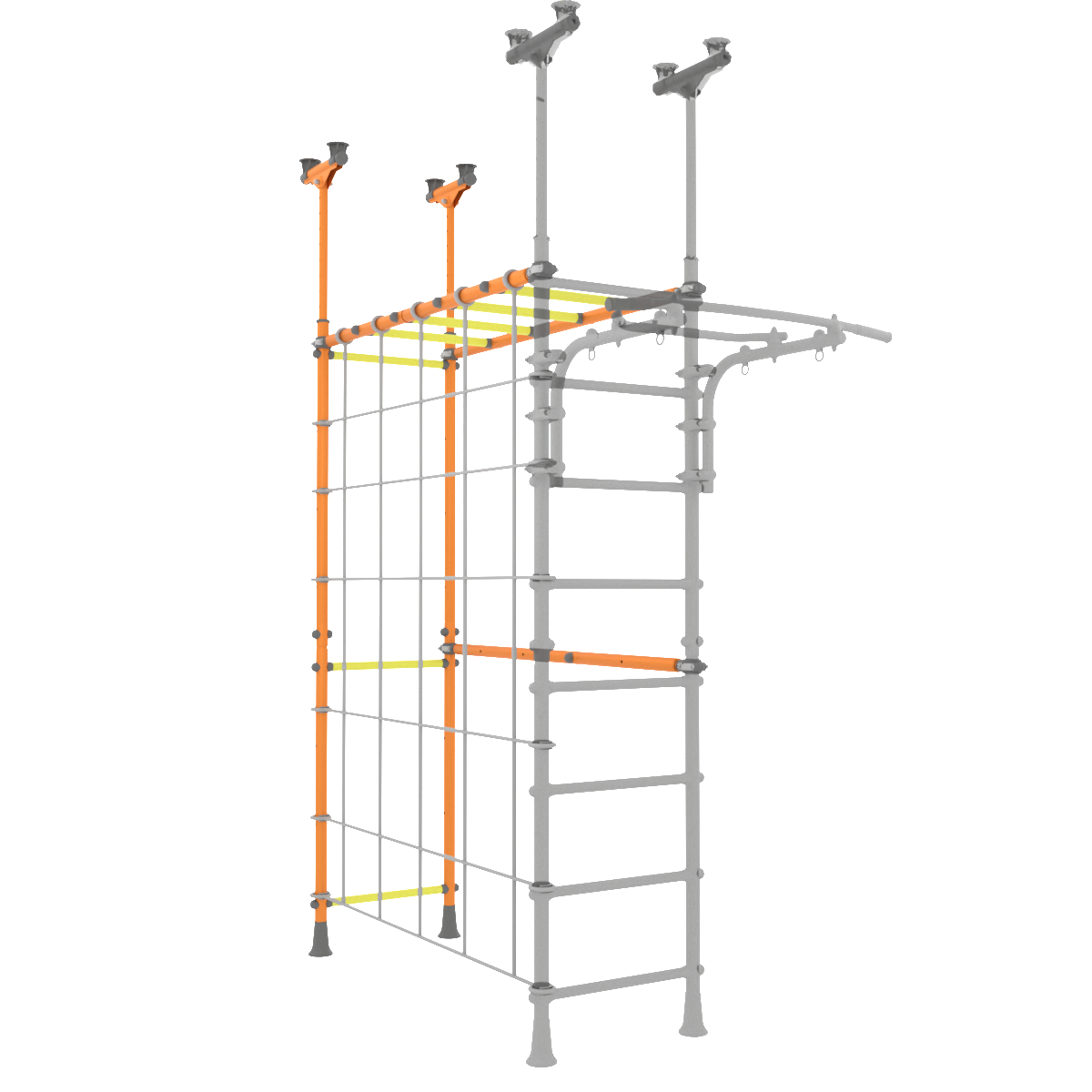
The structure is made from high-grade steel, not wood, and does not require drilling or permanent installation. It’s built for movement, sensory input, and imaginative play. Every piece supports brain development across different ages and needs. Wooden gyms are great, but Brainrich Kids systems are designed to do more. They are modular, so you can add, remove, or adjust parts as your child grows. This matters when your toddler becomes a climber, or when a school-aged child needs more challenge.
One system can support a newborn, toddler, or teenager. You don’t need to replace it every year. It holds multiple kids, making it ideal for siblings, social play, or homes with limited space. We use proper quality steel and food-grade plastic. There are no PVC pipes, soft plastic joints, or weak parts that break under pressure. That makes the system safe for daily movement and regulation routines.
Sensory development requires consistency. Our toys are built for indoor home use, so families dealing with cold winters, hot summers, or tight spaces can still support full-body motion every day. The result is a tool that lasts. Brainrich Kids toys support physical, emotional, and cognitive development without needing to be replaced as your child grows.
Read Also:
Sources:
- Deng, J., Lei, T., & Du, X. (2023). Effects of sensory integration training on balance function and executive function in children with autism spectrum disorder: evidence from Footscan and fNIRS. Frontiers in Psychology, 14. https://doi.org/10.3389/fpsyg.2023.1269462
- Gibb, R., Coelho, L., Van Rootselaar, N. A., Halliwell, C., MacKinnon, M., Plomp, I., & Gonzalez, C. L. R. (2021). Promoting Executive Function Skills in Preschoolers Using a Play-Based Program. Frontiers in Psychology, 12. https://doi.org/10.3389/fpsyg.2021.720225
- Cátia Couço Lucas, Paula, A., Almeida, L. S., & Beaudry-Bellefeuille, I. (2023). Assessment of Sensory Integration in Early Childhood: A Systematic Review to Identify Tools Compatible with Family-Centred Approach and Daily Routines. Journal of Occupational Therapy, Schools, & Early Intervention, 1–47. https://doi.org/10.1080/19411243.2023.2203418